Article: Exercise for Stress Relief: 7 Types and a 10-Minute Reset
Exercise for Stress Relief: 7 Types and a 10-Minute Reset
Quick answer: Exercise is one of the most accessible ways to manage everyday stress. Activities like brisk walking, strength training, yoga, stretching and short cardio sessions can help you feel calmer and more in control, and many people notice a mood lift right after a workout. Aim for regular movement most days, even 10–20 minutes. Exercise supports mental well-being but isn't a substitute for professional care; if stress, anxiety or low mood feels overwhelming or lasts for weeks, reach out to a healthcare provider.
Key takeaways
- Any movement helps: walking, lifting, yoga, stretching.
- Short sessions count; 10 minutes can shift your mood.
- Consistency builds longer-term benefits.
- Pair movement with breathing for extra calm.
- Get support if stress becomes too much.
How exercise may help with stress
- A mental break: focusing on movement gives your mind a pause from worries.
- Body chemistry: exercise is linked with changes in brain chemicals involved in mood.
- Better sleep, which affects how you handle stress; see exercise and sleep.
- Sense of accomplishment from finishing a workout or hitting a new number.
- Physical tension release in tight shoulders, neck and back.
Exercise for mental health and well-being is a growing focus in the fitness industry, and research generally supports its role in managing everyday stress.
7 types of exercise for stress relief
1. Walking
Easy, free and effective. A 20–30 minute walk, especially outdoors, is a simple reset.
2. Strength training
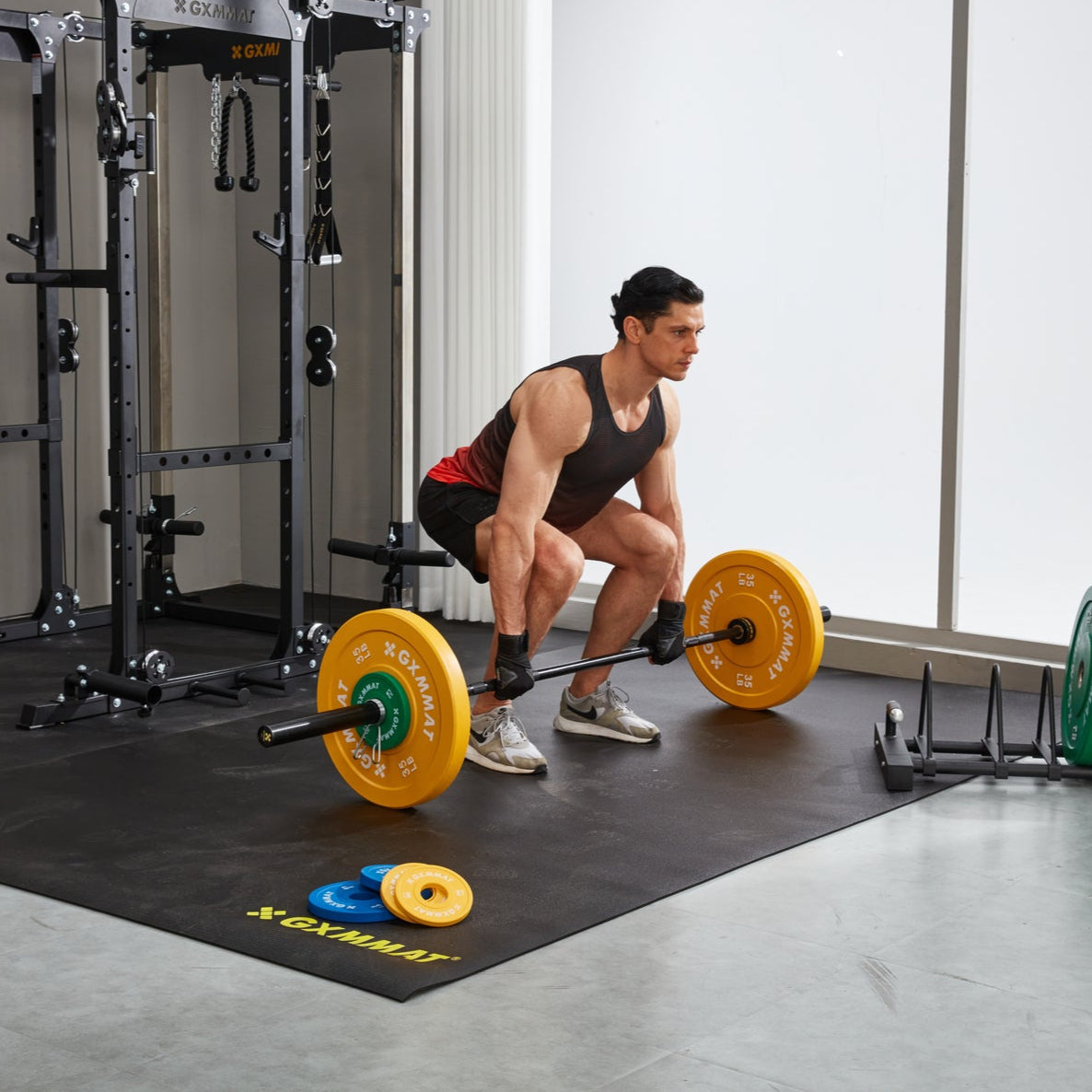
Lifting gives you a clear goal and measurable progress. Try kettlebell workouts or the beginner power rack plan.
3. Yoga
Combines movement with breathing. Start with sun salutations, child's pose and cat cow.
4. Stretching
Releases physical tension; see desk stretches and stretches before bed.
5. Short cardio bursts
A few minutes of jumping jacks, high knees or kettlebell swings can shake off tension.
6. Rhythmic exercise
Jump rope, cycling or rowing let you settle into a steady rhythm; see the jump rope workout.
7. Mindful movement and breathing
Slow, controlled moves with deep breathing, such as somatic exercises or mat Pilates.
10-minute stress reset
| Move | Time |
|---|---|
| Brisk march or step jacks | 2 min |
| Bodyweight squats | 1 min |
| Push-ups (incline if needed) | 1 min |
| Cat cow | 1 min |
| World's greatest stretch | 2 min |
| Child's pose with slow breathing | 3 min |
Breathing to pair with exercise
- Box breathing: inhale 4, hold 4, exhale 4, hold 4.
- Longer exhales: inhale 4, exhale 6–8.
- Belly breathing lying on your mat after a workout.
Building a routine that lasts
- Pick a time you can repeat daily.
- Keep it small on hard days.
- Notice how you feel before and after.
- Mix intense and calming sessions.
More ideas in how to stay motivated to work out and exercise for the winter blues.
When to get support
Exercise is a helpful tool, but it isn't a treatment for anxiety disorders or depression. If you feel overwhelmed, can't function day to day, or symptoms last more than two weeks, talk to a doctor or mental health professional. If you're in crisis or thinking about harming yourself, call or text 988 in the US to reach the Suicide and Crisis Lifeline, or call 911 in an emergency.
A calm corner at home
Having a dedicated space makes it easier to move when stress builds. A GXMMAT large yoga mat or large exercise mat creates a spot for yoga, stretching and bodyweight workouts, and a soft kettlebell adds simple strength sessions. A foam roller helps release physical tension in the back and shoulders.
FAQ
What is the best exercise for stress relief?
The one you'll do regularly. Walking, strength training and yoga are all popular, effective choices.
How quickly does exercise reduce stress?
Many people feel calmer right after a session, and regular exercise builds longer-term benefits.
How much exercise do I need for stress relief?
Even 10–20 minutes helps; aim for regular movement most days.
Can exercise replace therapy or medication?
No. It can support mental well-being, but talk to a professional about treatment for anxiety or depression.
Is yoga or lifting better for stress?
Both can help. Yoga emphasizes breathing and relaxation; lifting offers focus and accomplishment.
Written by Yuvien Royer for GXMMAT. This article is general fitness information, not medical advice.