Exercise and Sleep: How Working Out Can Help You Sleep Better
Quick answer: Regular exercise is associated with better sleep for many people: falling asleep a bit faster, sleeping more deeply and feeling more rested. Both cardio and strength training can help. For most people, exercising in the morning, afternoon or early evening works well; moderate evening workouts are fine for many, but very intense exercise within about an hour of bedtime may make it harder for some people to fall asleep. Gentle stretching or yoga before bed can help you wind down. If you have ongoing sleep problems, talk to a healthcare provider.
Key takeaways
- Regular activity is linked with better sleep quality.
- Consistency matters more than the exact type.
- Morning daylight exercise may help your sleep-wake rhythm.
- Avoid very intense workouts right before bed if they keep you up.
- Gentle stretching at night can help you relax.
How exercise may help sleep
- Builds sleep pressure: physical activity increases the body's drive to sleep.
- Body temperature: the drop in body temperature after exercise may support sleepiness later.
- Stress relief: exercise can reduce feelings of stress and tension; see exercise for stress relief.
- Daily rhythm: regular exercise times, especially outdoors in the morning, can reinforce a consistent schedule.
Research on exercise and sleep generally shows positive associations, but individual responses vary.
What type of exercise is best for sleep?
| Type | Notes |
|---|---|
| Moderate cardio (brisk walking, cycling) | Widely recommended and easy to fit in |
| Strength training | Also associated with better sleep; see beginner strength plan |
| Yoga and stretching | Relaxing; good in the evening |
| High-intensity intervals | Effective, but best earlier in the day for light sleepers |
Best time to exercise for sleep
| Time | Pros | Watch out for |
|---|---|---|
| Morning | Daylight exposure, consistent routine | Warm up well when stiff |
| Afternoon | Body is warm, performance often high | Fitting it into work hours |
| Early evening | Fine for most people | Leave time to wind down |
| Right before bed (intense) | Convenient | May delay sleep for some people |
See morning vs evening workouts.
A sleep-friendly weekly routine
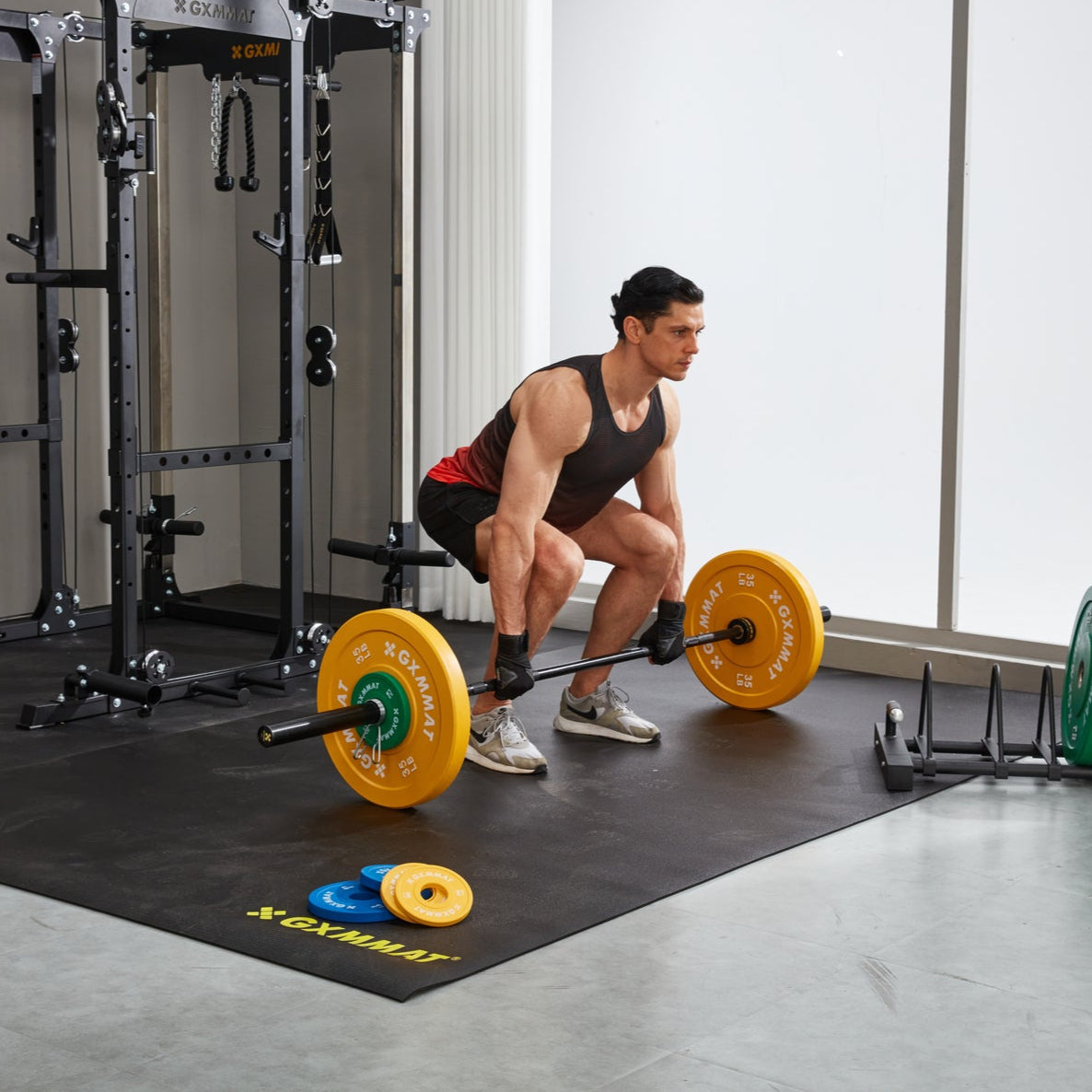
- 3 strength sessions (morning or afternoon).
- Daily walk, ideally outdoors in daylight.
- 10 minutes of stretching before bed; try the stretches before bed routine.
- Consistent wake time, even on weekends.
Evening wind-down stretches
- Child's pose
- Supine spinal twist
- Legs up the wall
- Slow belly breathing for 2–3 minutes
Other sleep habits that help
- Keep a regular sleep schedule.
- Limit caffeine later in the day.
- Keep the bedroom cool, dark and quiet.
- Reduce screens before bed.
When to see a professional
Exercise supports healthy sleep but isn't a treatment for sleep disorders. If you regularly struggle to fall or stay asleep, snore loudly, stop breathing during sleep or feel very sleepy during the day, talk to a healthcare provider.
Your wind-down space
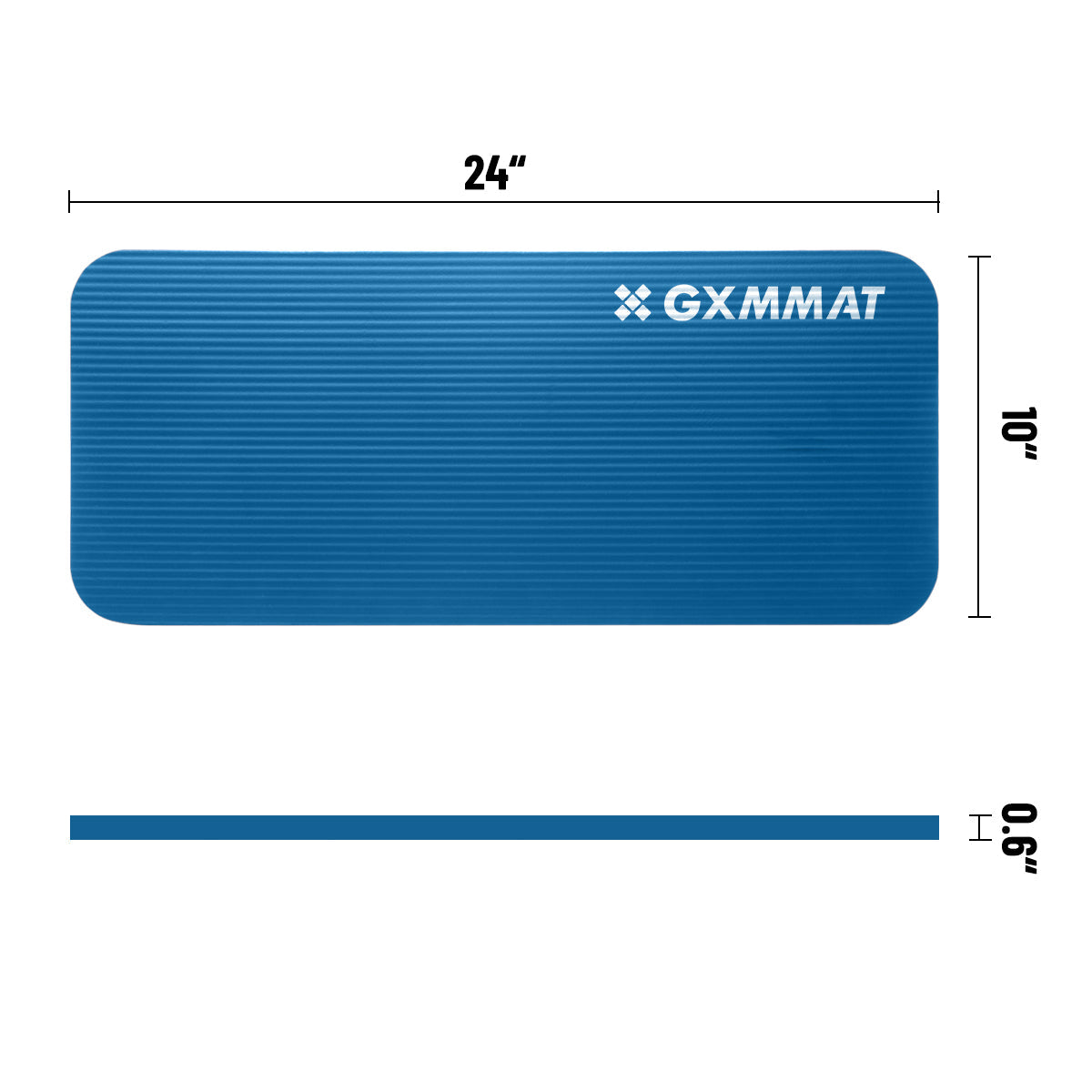
A comfortable spot makes evening stretching easy to stick with. A GXMMAT large yoga mat can stay rolled out next to the bed, and a kneeling pad makes child's pose and cat cow more comfortable.
FAQ
Does exercise help you sleep better?
For many people, regular exercise is associated with better sleep quality, though results vary.
Is it bad to work out at night?
Moderate evening workouts are fine for most people. Very intense exercise right before bed may delay sleep for some.
What's the best exercise for sleep?
Consistent moderate activity, like walking or strength training, plus gentle stretching in the evening.
How long before bed should I stop exercising?
Many people do well finishing intense workouts at least an hour before bed. Notice how your body responds.
Can stretching before bed help sleep?
Gentle stretching and slow breathing may help you relax and wind down.
Written by Yuvien Royer for GXMMAT. This article is general fitness information, not medical advice.