How to Stay Motivated to Work Out: 12 Tips That Work
Quick answer: To stay motivated to work out, rely less on motivation and more on systems: schedule workouts at a fixed time, start with short sessions you can't fail (even 10 minutes), remove friction by making exercise easy to start (a home setup helps), track your progress so you see results, and pick training you actually enjoy. Motivation rises and falls; habits and an easy routine carry you through the low days.
Key takeaways
- Consistency beats motivation: build a routine.
- Make it easy to start: the smaller the first step, the better.
- Track progress to see results you'd otherwise miss.
- Plan for bad days with a minimum workout.
- Enjoyment matters: choose workouts you like.
Why motivation fades
Most people start strong and lose steam after a few weeks. Results take time to show, life gets busy, and workouts that feel like punishment are hard to repeat. The fix isn't more willpower; it's making exercise a default part of your day.
12 ways to stay motivated
1. Set a fixed workout time
Treat it like an appointment. Many people find mornings most reliable; see morning vs evening workouts.
2. Start smaller than you think
Commit to just 10 minutes. Most days you'll keep going; on hard days, 10 minutes still counts.
3. Remove friction
Lay out clothes the night before, keep equipment set up, and reduce steps between you and the first rep. A home gym removes commute time entirely.
4. Stack it onto a habit
"After I make coffee, I do my workout." Linking exercise to something you already do makes it automatic.
5. Follow a plan
Knowing exactly what to do removes daily decisions. Try the beginner power rack plan or the beginner kettlebell workout.
6. Track your progress
Log weights, reps and times. Watching numbers rise is powerful motivation; see progressive overload.
7. Set process goals, not just outcome goals
"Train 3 times a week" is fully in your control; "lose 10 pounds" isn't always.
8. Choose workouts you enjoy
Strength, yoga, Pilates, walking, kettlebells: the best workout is the one you'll do.
9. Mix it up every few weeks
Try a new challenge like an AMRAP, EMOM or winter arc challenge.
10. Train with someone
A partner adds accountability; see partner workouts at home.
11. Have a "bad day" minimum
Example: 1 set of squats, push-ups and a 5-minute walk. Keeping the streak matters more than the size of the session.
12. Rest on purpose
Planned rest and deload weeks prevent burnout.
Motivation vs discipline vs habit
| What it is | How reliable | |
|---|---|---|
| Motivation | Feeling like it | Comes and goes |
| Discipline | Doing it anyway | Takes effort |
| Habit | Doing it automatically | Most reliable over time |
Sample "never miss" week
| Day | Plan | Bad-day minimum |
|---|---|---|
| Mon | Full-body strength (40 min) | 10 min: squats, push-ups, rows |
| Wed | Full-body strength (40 min) | 10 min kettlebell swings |
| Fri | Full-body strength (40 min) | 10 min AMRAP |
| Daily | Walk 20–30 min | Walk 10 min |
Make your home the easiest place to train
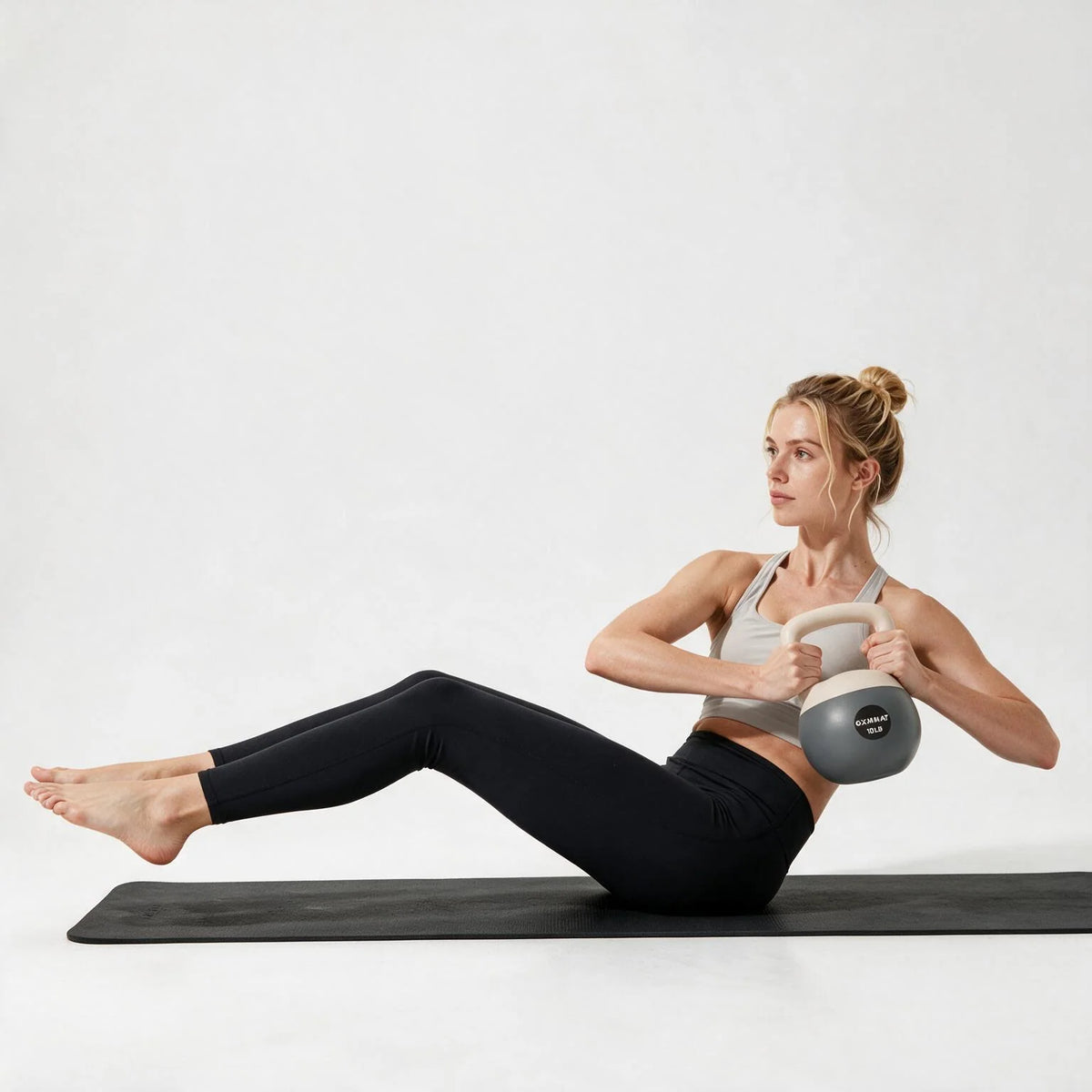
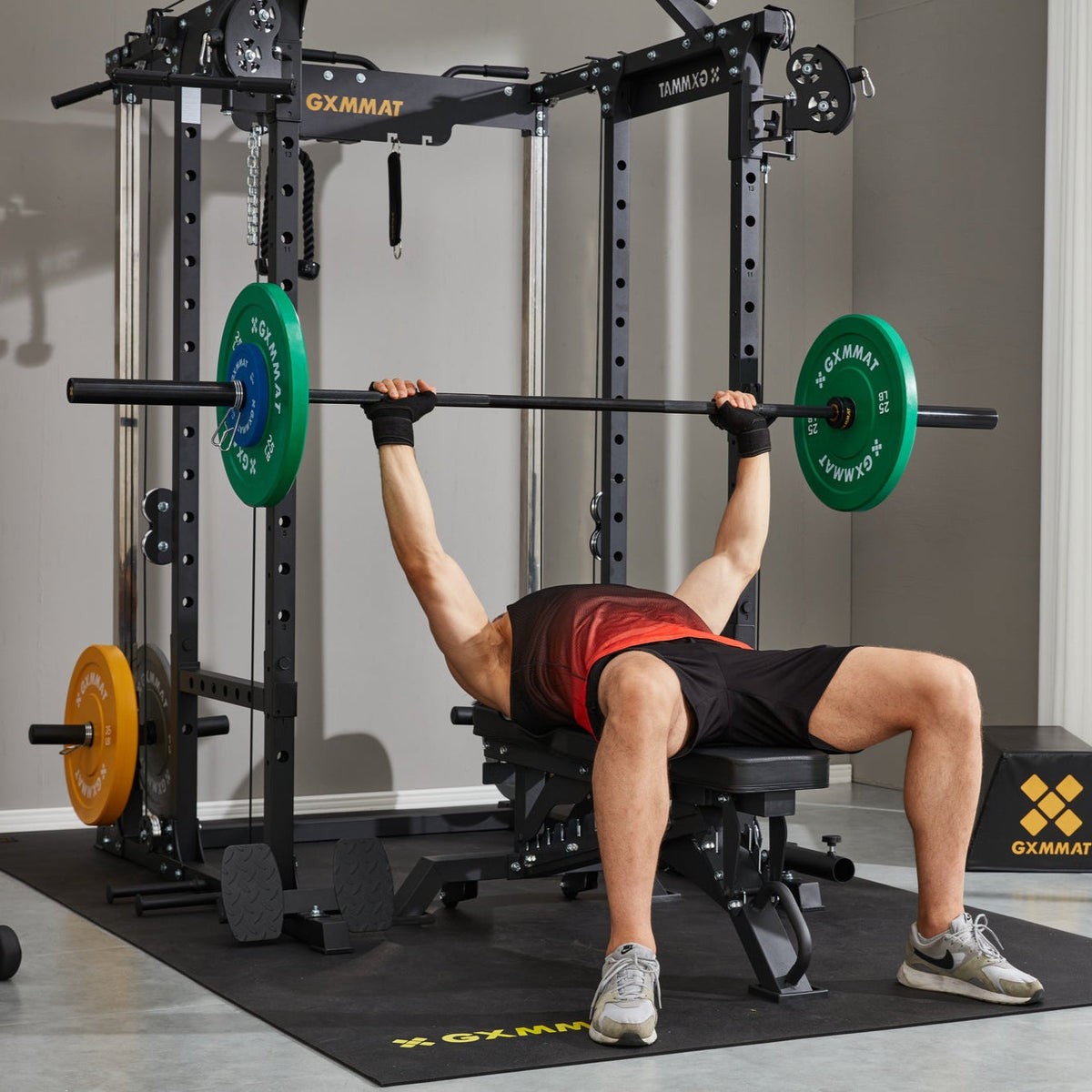
The fewer barriers, the more likely you'll show up. A GXMMAT large exercise mat that stays rolled out turns any room into a workout space, a soft kettlebell covers quick full-body sessions, and a power rack, bench and barbell package gives you everything for strength training without a commute. Cost comparison: home gym vs gym membership.
FAQ
How do I stay motivated to work out at home?
Set a fixed time, keep your space ready, follow a plan and track progress.
What do I do when I have no motivation?
Do your minimum: 10 minutes. Starting is often the hardest part.
How long does it take to build a workout habit?
It varies widely; many people need a couple of months of consistent practice before it feels automatic.
Should I work out every day to stay motivated?
No. A sustainable plan with rest days works better long term.
Does tracking progress help motivation?
Yes. Seeing improvements in weights, reps or times is highly motivating.
Written by Yuvien Royer for GXMMAT. This article is general fitness information, not medical advice.