
Home Gym vs Gym Membership: Cost, Pros and Cons, and Which Is Right for You
Quick answer: A home gym costs more up front but is usually cheaper after 2–4 years, and sooner if two or more people use it. A gym membership is cheaper to start and gives you more machines, classes and a social setting. Choose a home gym if you value convenience, privacy and no commute and mainly lift weights; choose a membership if you need variety, coaching or the push of other people. To find your break-even point, divide the equipment cost by what you'd spend on a gym each month, including travel.
Key takeaways
- Break-even = setup cost ÷ monthly gym cost.
- Households save faster: one rack, several users.
- Time is the hidden cost of a membership: commuting and waiting.
- Consistency matters more than either option. Pick the one you'll actually use.
- A hybrid (home gym plus a budget membership) works for many people.
Home gym vs gym membership at a glance
| Home gym | Gym membership | |
|---|---|---|
| Upfront cost | High | Low (sometimes a sign-up fee) |
| Ongoing cost | Almost none | Monthly fee, annual fee, travel |
| Travel time | None | Often 20–40 minutes round trip |
| Waiting for equipment | Never | Common at peak hours |
| Equipment variety | What you buy | Wide: machines, cardio, pools, classes |
| Opening hours | Always open | Set hours (some 24/7) |
| Privacy | Complete | Shared space |
| Social atmosphere and coaching | Limited | Available |
| Space needed at home | Yes | None |
| Resale value | Quality equipment holds value | None |
What does a gym membership really cost?
| Gym type | Typical monthly fee | Per year (with common annual fees) |
|---|---|---|
| Budget chain | $10–$30 | About $170–$420 |
| Mid-range gym | $40–$70 | About $500–$900 |
| Premium club | $100–$250+ | About $1,200–$3,000+ |
| Boutique classes or coaching gyms | $150–$300+ | About $1,800–$3,600+ |
Add the extras: fuel or transit, parking, childcare, and your time. These are typical US ranges; check prices in your area.
What does a home gym cost?
| Setup | What's in it | Typical range |
|---|---|---|
| Minimal | Large mat, kettlebells, pull-up option | A few hundred dollars |
| Core strength setup | Power rack, barbell, plates, mat | Roughly $1,200–$2,500 |
| Complete | Rack with cables, bar, plates, bench, mat, accessories | Roughly $2,000–$4,000 |
| With cardio machine | Add a bike, rower or treadmill | Add $500–$2,000+ |
Prices change with sales and bundles; see current home gym packages and the package buying guide.
Break-even examples
| Home gym cost | Gym cost replaced | Break-even |
|---|---|---|
| $1,500 | One person at $25/month | 60 months (5 years) |
| $1,500 | One person at $60/month | 25 months |
| $2,500 | One person at $60/month | About 42 months |
| $2,500 | Two people at $60/month each | About 21 months |
| $3,000 | Two people at $100/month each | 15 months |
| $3,000 | Family of three at $50/month each | 20 months |
If a budget gym at $10–$25 a month suits you and it's close by, the membership is hard to beat on money alone. The home gym wins on time and convenience.
The time math
| Round trip to the gym | Sessions per week | Hours per year |
|---|---|---|
| 20 minutes | 3 | 52 |
| 30 minutes | 4 | 104 |
| 40 minutes | 4 | About 139 |
That's before waiting for a squat rack at 6 p.m.
Pros and cons of a home gym
| Pros | Cons |
|---|---|
| No commute, no waiting, no hours | Upfront cost |
| Train in short windows around work and family | Needs space and a suitable floor |
| Privacy; your music, your pace | Fewer machines |
| Whole household can use it | No spotter; you need safety arms |
| Clean, and equipment set up your way | Self-motivation required |
Pros and cons of a gym membership
| Pros | Cons |
|---|---|
| Low starting cost | Fees never end; often rise |
| Huge variety of equipment | Travel and crowding |
| Classes, trainers, community | Fixed location and hours |
| Pool, sauna and other facilities | Contracts and cancellation hassle |
| Separates training from home | Easy to pay for and not use |
Which is right for you?
| You… | Better fit |
|---|---|
| Mainly do barbell, cable and bodyweight training | Home gym |
| Have a busy schedule, kids or shift work | Home gym |
| Share with a partner or family | Home gym |
| Live far from a good gym | Home gym |
| Love classes, swimming or lots of machines | Membership |
| Are brand new and want in-person coaching | Membership first, or a few coaching sessions |
| Have no spare space | Membership |
| Train best around other people | Membership or hybrid |
The hybrid option
Keep a simple setup at home for most sessions and a budget membership for machines, cardio variety or the pool. Many people find they use the home gym on busy days and the membership on weekends.
What you need for a home gym that replaces the gym
- Power rack with cables: squats, presses, pull-ups, pulldowns and rows in one station. Compare the G5, V6 and X6 in the rack comparison. Safety arms replace a spotter.
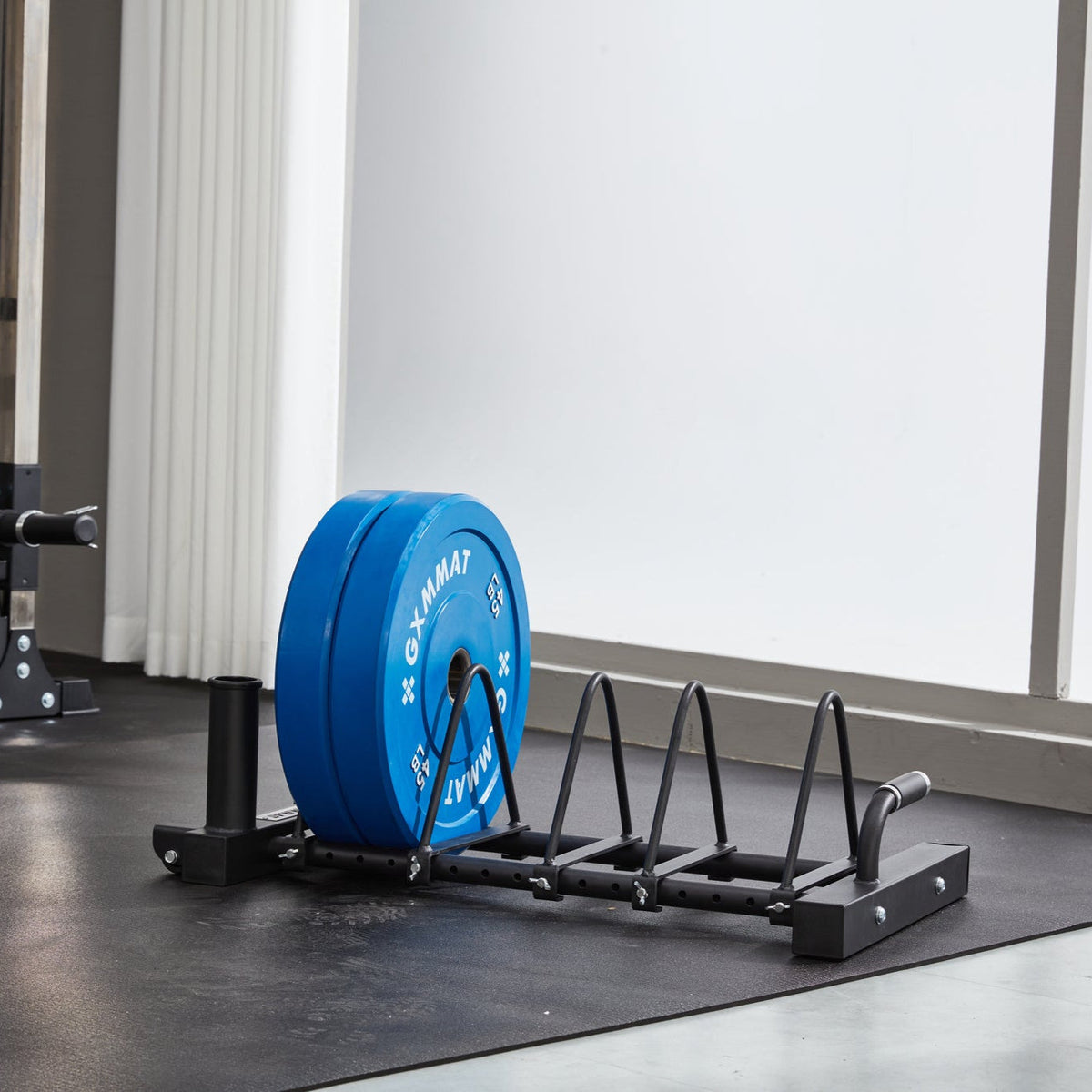
- Bar and plates: Olympic bar and bumper plate sets.
- Flooring: a large exercise mat to protect the floor and reduce noise.
- Extras as you go: soft kettlebells, change plates, foam rollers.
Planning the room: how much space you need, can your floor hold a home gym? and quiet apartment workouts. First program: 3-day beginner plan.
FAQ
Is a home gym cheaper than a gym membership?
Over time, usually yes. A typical strength setup pays for itself in about 2–4 years for one person, faster for a household, and slower if you'd otherwise use a very cheap gym.
Is a home gym worth it?
If you'll train consistently, have the space, and mainly do strength training, yes. The biggest gains are time saved and never waiting for equipment.
Can I get the same results at home as in a gym?
Yes. A rack, barbell, plates and cables cover every major muscle group. Results depend on consistency and progressive overload, not the building.
What are the downsides of a home gym?
Upfront cost, the space it takes, less equipment variety, and needing to motivate yourself.
How much space do I need for a home gym?
A power rack setup fits in roughly 8 × 8 feet with a standard 8-foot ceiling. Kettlebell and mat workouts need far less.
Written by Yuvien Royer for GXMMAT. Costs in this article are typical ranges for general guidance, not quotes; check current prices before you buy.


