Foam Roller Buying Guide: What Size, Texture and Firmness Do You Need?
Quick answer: For most people, an 18" foam roller is the best all-round choice. It's long enough for the back and thighs and small enough to store. Choose a 13" roller for travel and targeted work on calves and arms, and a 24" roller for rolling the upper back and for stability exercises. Smooth or lightly textured rollers suit beginners. Deeper textures like grids and crescents give a stronger, more targeted massage.
Key takeaways
- Length decides what you can roll. 13" is portable, about 18" is all-round, 24" covers the full back.
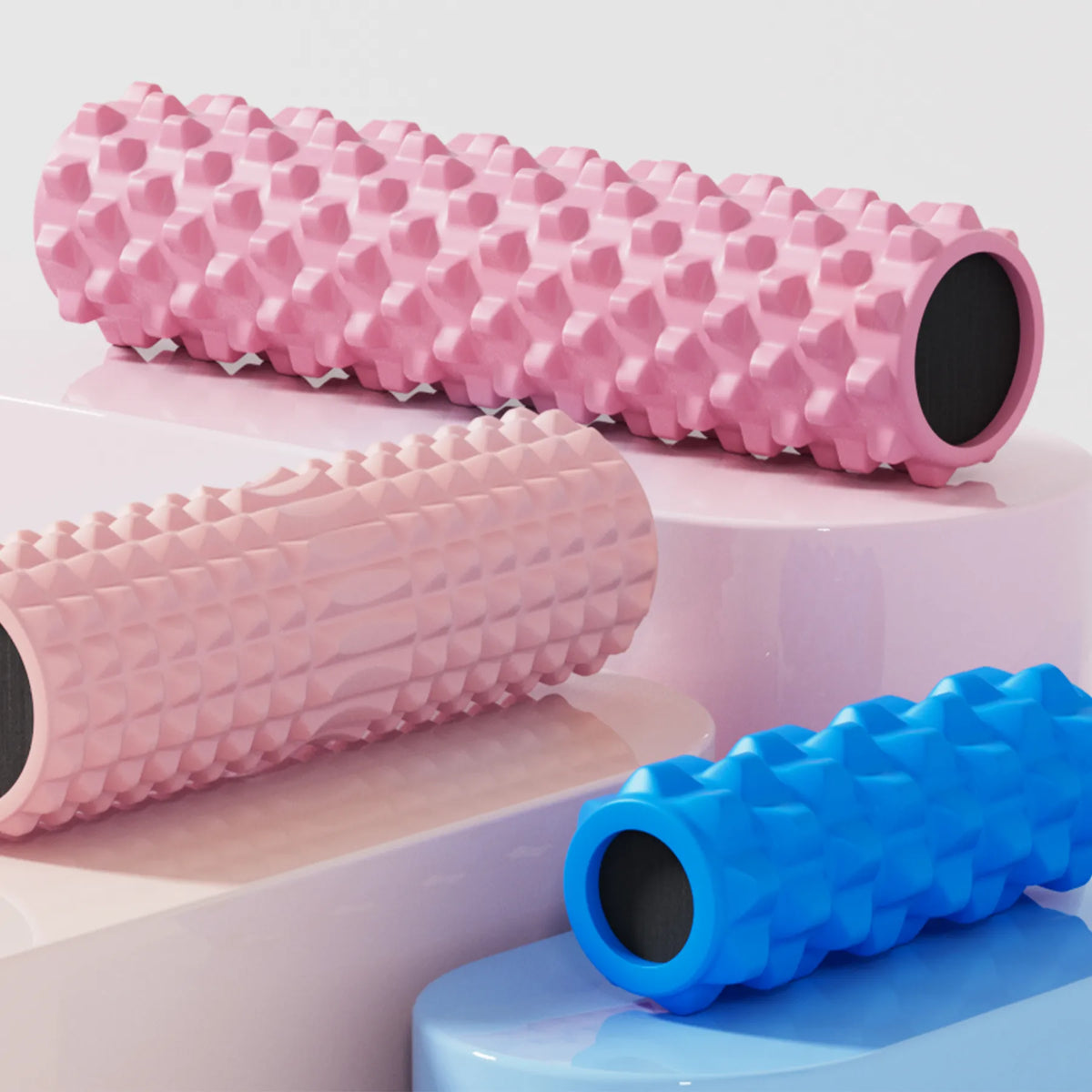
- Texture decides intensity. Grid patterns mimic palms and fingers; ridged or crescent patterns dig deeper.
- Core type affects feel. Hollow-core rollers typically feel firmer and keep their shape; solid foam rollers feel more even.
- Roll slowly. 30–90 seconds per muscle, never directly on joints or the lower spine.
What does foam rolling do?
Foam rolling is a form of self-massage (often called self-myofascial release). Research reviews suggest it can increase short-term flexibility and range of motion without reducing performance, and may reduce how sore you feel after hard training. It's a quick, low-cost addition to a warm-up or cool-down.
What size foam roller should I get?
| Length | Best for | GXMMAT options |
|---|---|---|
| 13" | Travel, gym bags, calves, forearms, targeted spots | 13" Solid Grid ($59.99), 13" Hollow Crescent ($54.99) |
| 17–18" | All-round: quads, hamstrings, glutes, IT band area, back | 17.7" Solid Crescent ($74.99), 17.7" Hollow Crescent ($69.99), 17.3" Hollow Crescent ($69.99) |
| 24" | Upper back, rolling both legs at once, balance and core exercises | 24" Solid Grid ($89.99) |
Solid vs hollow foam rollers
- Solid foam rollers are foam all the way through. They give an even, consistent feel and are a good starting point if you're new to rolling.
- Hollow-core rollers typically wrap foam around a rigid inner tube. They feel firmer, hold their shape well over time, and you can store small items inside when traveling.
Grid vs crescent texture
- Grid texture: a mix of flat, raised and tube-like zones designed to feel like a massage therapist's palms and fingers. It's versatile and moderate in intensity.
- Crescent (ridged) texture: raised crescent-shaped ridges that press deeper into muscle, for a more intense, targeted massage.
If you've never foam rolled before, start with a solid roller with a grid texture and add pressure gradually.
How to foam roll: a 10-minute routine
Roll each area slowly, about an inch per second, for 30–60 seconds. When you find a tender spot, pause and breathe for 10–20 seconds.
- Calves: sit with the roller under your calves, lift your hips and roll from ankle to just below the knee.
- Hamstrings: roller under your thighs, roll from just above the knee to your glutes.
- Quads: face down in a forearm plank, roll from hip to just above the knee.
- Glutes: sit on the roller, cross one ankle over the opposite knee and lean into that side.
- Outer thigh: lie on your side and roll between hip and knee (go gently; this area is often sensitive).
- Upper back: roller under your shoulder blades, hands behind your head, and roll to mid-back. Don't roll your lower back. Use a massage roller stick there instead, with gentle pressure.
Roll on a cushioned surface like a large yoga mat so the roller doesn't slide and your elbows and knees stay comfortable.
Foam roller safety tips
- Avoid rolling directly on joints, bones, the lower spine or the neck.
- Discomfort is normal; sharp pain isn't. Ease off if it hurts.
- Skip rolling over injuries, bruises or areas with circulation problems, and ask a healthcare professional if you're unsure.
FAQ
What size foam roller is best?
About 18" is the best all-round size for most people: long enough for the back and thighs and easy to store. Choose 13" for travel and targeted work, or 24" for the upper back and stability exercises.
Is a hollow or solid foam roller better?
Neither is better overall. Solid rollers give an even, consistent feel that suits beginners. Hollow-core rollers typically feel firmer and keep their shape well.
How long should you foam roll each muscle?
About 30–90 seconds per muscle group, rolling slowly and pausing for 10–20 seconds on tender spots.
Should you foam roll before or after a workout?
Both work. Before a workout, a short session can increase range of motion as part of your warm-up. After a workout, it can help you feel less sore.
Can you foam roll your lower back?
It's generally better not to roll the lower back directly with a foam roller. Roll the glutes and upper back instead, or use a massage stick with light pressure.
Written by Yuvien Royer for GXMMAT. This article is general fitness information, not medical advice.