High Knees Exercise: How to Do It, Benefits and Variations
Quick answer: To do the high knees exercise, stand tall with your feet hip to shoulder width apart and your core engaged. Drive your right knee up toward your chest, at least to waist level, while you hop on your left leg; then quickly lower it and drive up your left knee, alternating legs as fast as you can, like running in place. Pump your arms in a running motion, land lightly on the balls of your feet and keep your chest up. Do 3–4 rounds of 20–30 seconds with 30 seconds of rest. High knees raise your heart rate, burn calories, strengthen the hip flexors and lower body, and improve coordination.
Key takeaways
- Knees to waist level or higher.
- Stay on the balls of your feet and land softly.
- Stand tall: don't lean back.
- Pump the arms to drive speed.
- Low-impact option: march instead of hopping.
Muscles worked
| Muscle | Role |
|---|---|
| Hip flexors | Lift the knees |
| Quads and calves | Push off and land |
| Glutes and hamstrings | Drive the leg back down |
| Core muscles | Keep the torso upright |
| Shoulders and arms | Running arm swing |
Benefits of high knees
- Heart rate: fast cardio with no equipment.
- Burn calories in short intervals.
- Lower body and core strength endurance.
- Coordination and running form; sprinting drills use high knees.
- Great warm up before workouts.
How to do high knees
- Stand tall with feet hip to shoulder width, looking straight ahead.
- Drive the right knee up to waist level while the left arm swings forward.
- Switch: quickly lower the right leg and lift the left knee, swinging the right arm forward.
- Alternate legs in a quick, running pumping motion.
- Land lightly on the balls of the feet.
- Continue for the desired time, then rest.
Variations by fitness level
| Variation | Level |
|---|---|
| Marching high knees (no hop) | Beginner, low impact |
| Slow high knees with a pause | Beginner |
| Standard high knees | Intermediate |
| Hands-out high knees (tap the knees to your palms) | Intermediate |
| Sprint high knees, 10 sec all-out | Advanced |
Common mistakes
| Mistake | Fix |
|---|---|
| Knees too low | Aim for waist level; slow down if needed |
| Leaning back | Stand tall, slight forward lean |
| Landing on the heels | Stay on the balls of the feet |
| Arms limp | Pump the arms opposite to the legs |
| Loud stomping | Land lightly; use a cushioned mat |
Sample HIIT workout
| Exercise | Work / rest |
|---|---|
| High knees | 30 / 15 sec |
| Jump squats | 30 / 15 sec |
| Mountain climbers | 30 / 15 sec |
| Skater jumps | 30 / 15 sec |
Repeat 3–4 rounds. For more ideas, see EMOM workouts and tuck jumps.
Who should be careful
- Knee or ankle pain: use marching high knees.
- Pelvic floor concerns or pregnancy: choose low-impact versions and follow your healthcare provider's advice.
- Hip flexor strain: reduce the knee height.
High knees at home
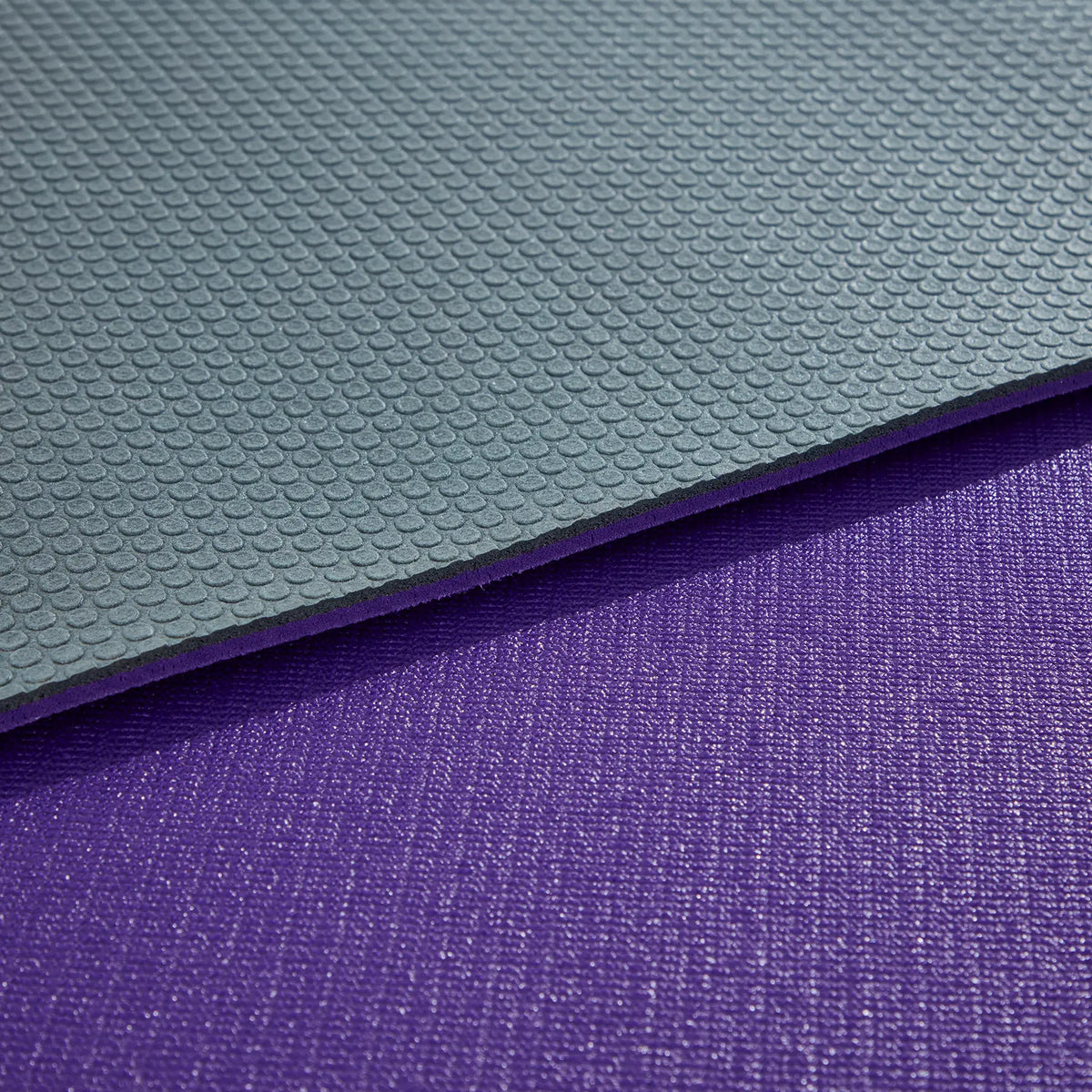
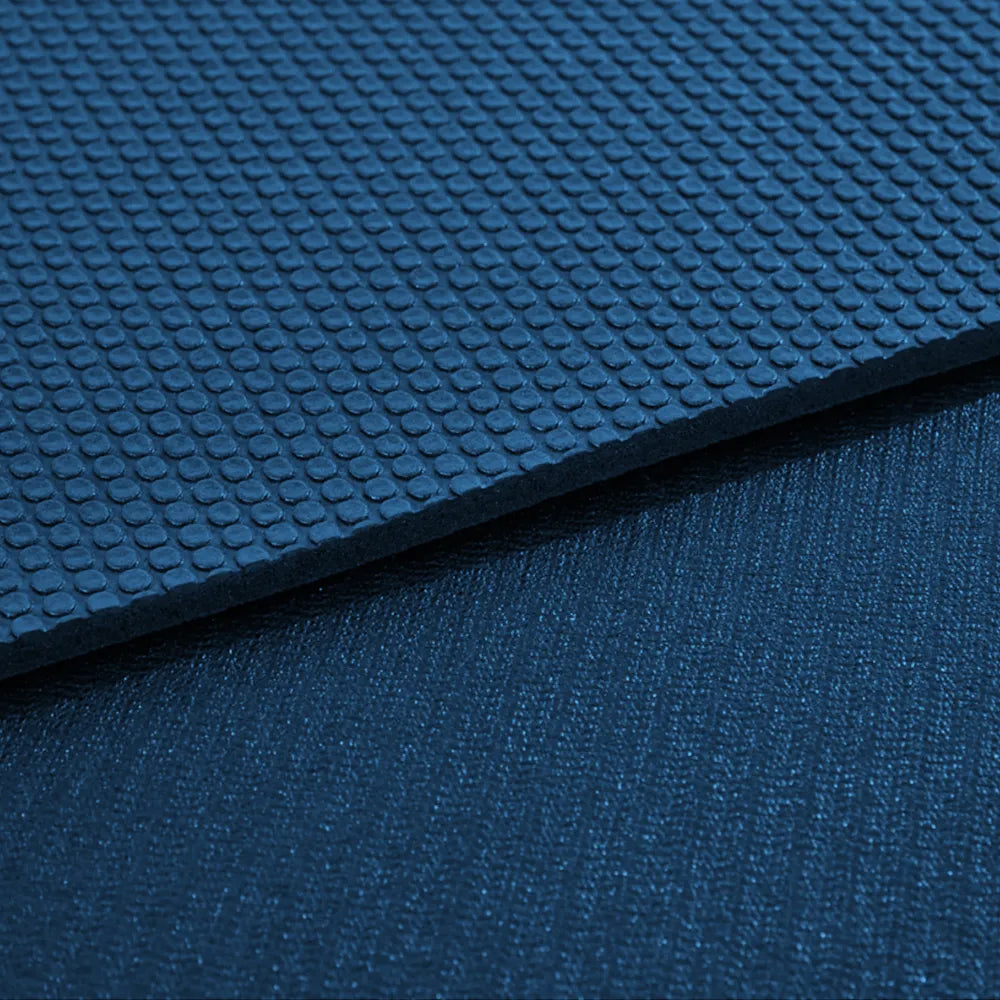
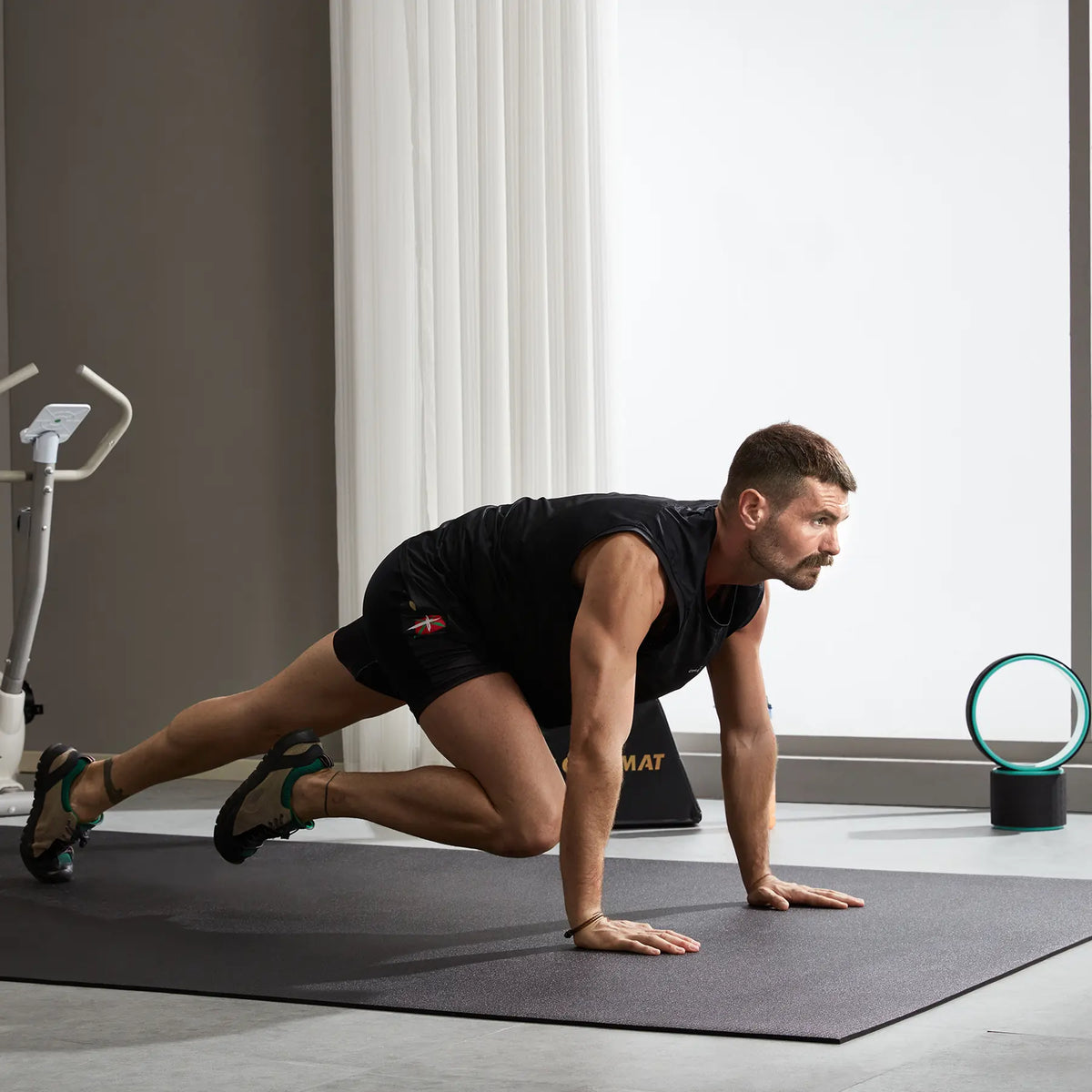
Running in place on hard floors is loud and hard on the joints. A GXMMAT large exercise mat made of 7 mm high-density foam cushions each landing, reduces noise for neighbors and protects floors. For a dedicated jumping spot, the jump rope mat (48" × 36") fits in small spaces.
FAQ
What do high knees work?
The hip flexors, quads, calves, glutes and core, with a strong cardio effect.
How long should I do high knees?
20–30 seconds per round, 3–4 rounds, as part of a warm up or HIIT workout.
Do high knees burn belly fat?
No exercise burns fat from one area. High knees burn calories, which helps overall fat loss alongside diet and strength training.
Are high knees good for beginners?
Yes. Start with marching high knees and build up to the hopping version.
High knees vs running: which is better?
High knees are a quick indoor alternative for short intervals; running is better for long steady cardio.
Written by Yuvien Royer for GXMMAT. This article is general fitness information, not medical advice.