Skater Jumps: How to Do Them for Lateral Power and Balance
Quick answer: Skater jumps (skater hops) are a side-to-side plyometric exercise. Stand on your right leg with a slight knee bend. Push off and leap sideways to the left, landing softly on your left foot, and swing your right leg behind your left leg without touching the floor, like a speed skater. Reach your right arm across your body for balance. Pause, then jump back to the right. Do 3 sets of 10–12 jumps per side or 30-second intervals. Skater jumps build lateral power, balance and glute strength, especially the side glutes, and raise your heart rate for cardio.
Key takeaways
- Jump sideways, not forward.
- Land soft on one leg with the knee bent.
- Knee tracks over the toes on landing.
- Back foot stays off the floor for more balance work (or tap it for an easier version).
- Start small and increase distance as you get stable.
Muscles worked
| Muscle | Role |
|---|---|
| Glutes, especially gluteus medius | Push off sideways and stabilize the landing |
| Quads and hamstrings | Absorb and produce force |
| Calves and ankles | Push off and balance |
| Adductors and abductors | Control side-to-side movement |
| Core | Keeps the torso stable |
Benefits of skater jumps
- Lateral power for sports that change direction.
- Single-leg balance and ankle stability.
- Glute strength on the side of the hips.
- Cardio: quickly raises the heart rate.
- No equipment needed.
How to do skater jumps
- Start on your right foot, knee slightly bent, left foot lifted behind you.
- Load: sink into the right hip slightly.
- Leap: push off and jump sideways to the left.
- Land softly on the left foot, knee bent, hips back.
- Swing the right leg behind the left and reach the right arm across.
- Pause to balance, then jump back to the right.
Progressions
| Level | Variation |
|---|---|
| Beginner | Skater steps (no jump), back foot taps down |
| Intermediate | Short skater jumps, back toe taps |
| Standard | Full skater jumps, back foot stays up |
| Advanced | Longer jumps with a 2-second stick on each landing |
| Advanced | Continuous fast skaters for conditioning |
Common mistakes
| Mistake | Fix |
|---|---|
| Landing stiff-legged | Bend the knee and hip to absorb |
| Knee caving in | Push the knee out over the toes |
| Jumping too far too soon | Shorter jumps; build control first |
| Torso collapsing forward | Chest up, slight hip hinge only |
Sample lateral power workout
| Exercise | Sets × reps |
|---|---|
| Skater jumps | 3 × 10 per side |
| Lateral lunges | 3 × 8 per side |
| Curtsy lunges | 3 × 10 per side |
| Copenhagen plank | 3 × 20 sec per side |
Also try them in a HIIT circuit with high knees and tuck jumps.
Who should be careful
- Ankle or knee instability: start with skater steps.
- Joint pain or pregnancy: choose low-impact options.
Space and surface
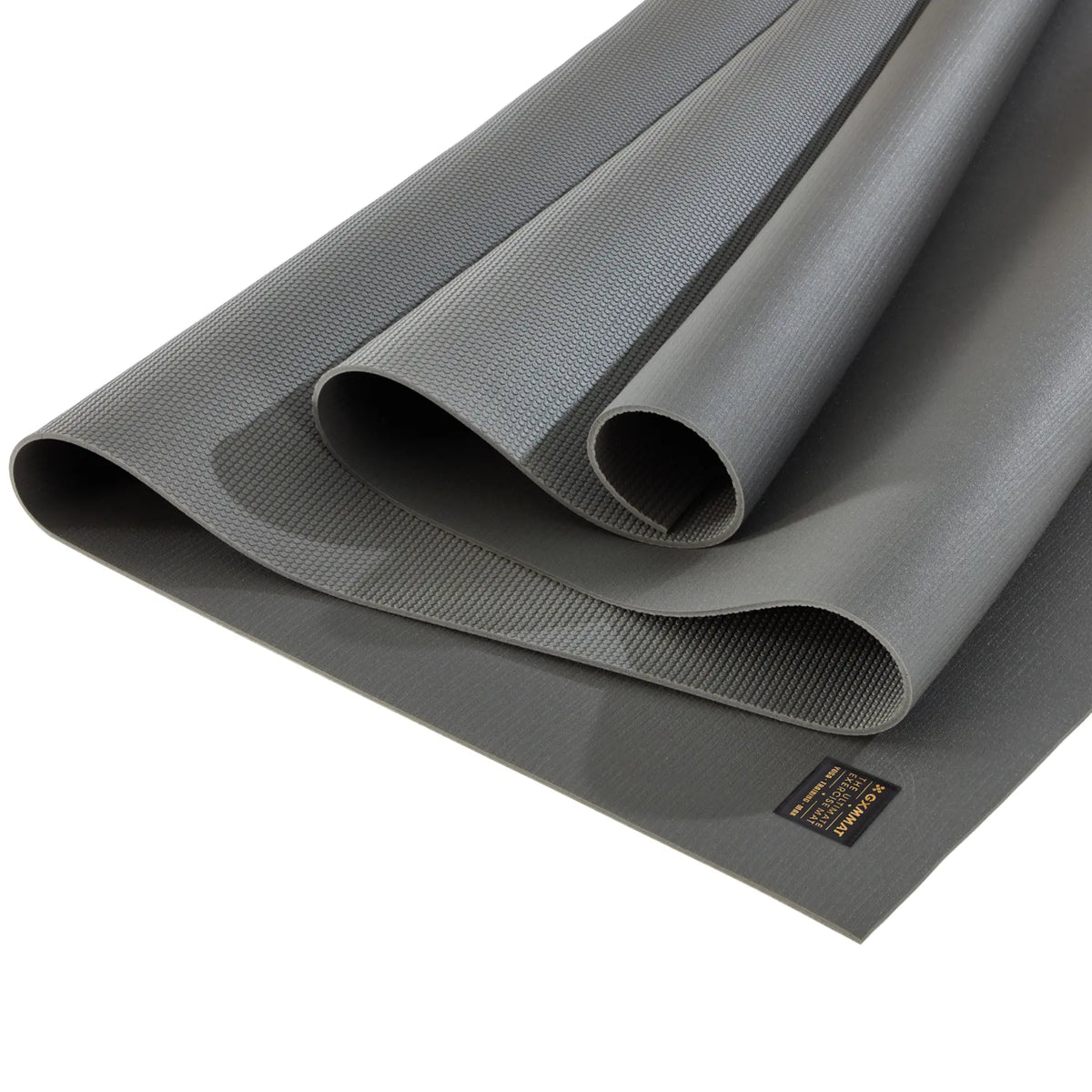
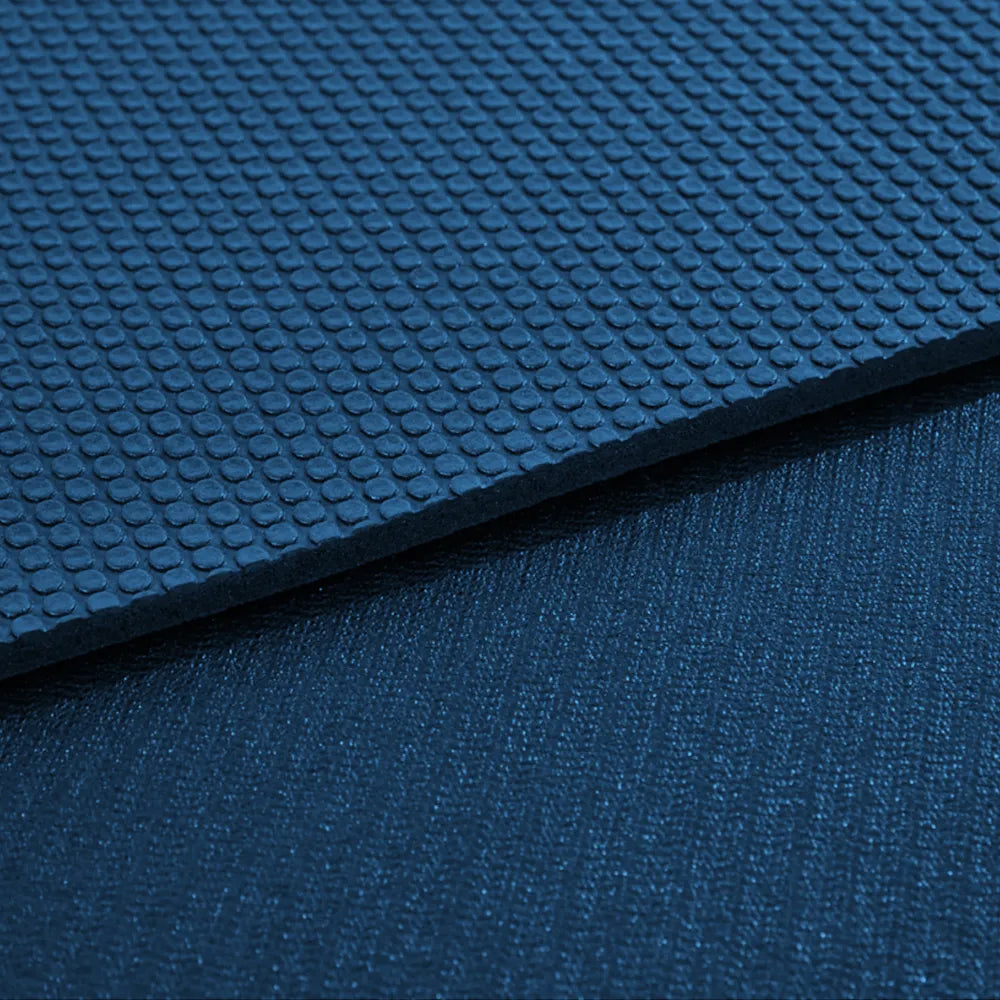
Skater jumps travel 3–5 feet side to side, so you need width and a surface that won't slide. GXMMAT large exercise mats are 6 feet or more long, non-slip on both sides and 7 mm thick to cushion landings. For a full HIIT area, the 6'x12' extra large exercise mat fits every lateral jump.
FAQ
What do skater jumps work?
The glutes (especially the side glutes), quads, hamstrings, calves and core.
Are skater jumps cardio or strength?
Both. They build lateral power and raise your heart rate.
How many skater jumps should I do?
3 sets of 10–12 per side, or 30-second intervals.
Are skater jumps good for beginners?
Start with skater steps and short jumps, then progress.
Are skater jumps bad for your knees?
Not with soft landings and knees tracking over the toes. Skip them if they cause pain.
Written by Yuvien Royer for GXMMAT. This article is general fitness information, not medical advice.