Jump Lunges: How to Do Them With Proper Form
Quick answer: To do jump lunges, start in a lunge position with your right foot forward and both knees bent to about 90 degrees. Swing your arms and jump explosively straight up, switching legs mid air so your left foot lands forward. Land softly back in the lunge position with control, then immediately jump again, switching legs each rep. Keep your chest up and front knee over the ankle. Do 3 sets of 6–10 reps per leg. Jump lunges build explosive power in the quads and glutes, improve balance and coordination, and boost cardiovascular fitness.
Key takeaways
- Jump straight up, not forward.
- Switch legs mid air and land softly.
- Land in a controlled lunge, front knee over the ankle.
- Back knee doesn't slam the floor.
- Master regular lunges first.
Muscles worked
| Muscle | Role |
|---|---|
| Quads | Explosive takeoff and landing |
| Glutes | Hip extension and power |
| Hamstrings and calves | Push off and absorb |
| Core | Balance and stability in the air |
Benefits
- Explosive power in the lower body.
- Cardio: raises the heart rate fast.
- Balance and coordination from switching in the air.
- No equipment needed.
How to do jump lunges with proper form
- Lunge position: right foot forward, left foot back, both knees bent about 90 degrees.
- Load: swing the arms back.
- Jump: drive through both feet and jump straight up.
- Switch: swap legs in the air, bringing the left foot forward.
- Land softly in a lunge, front foot flat, back foot on the ball.
- Repeat right away, switching legs each rep.
Easier and harder options
| Level | Variation |
|---|---|
| Beginners | Alternating reverse lunges (no jump) |
| Beginners | Split squat with a small hop, no switch |
| Standard | Jump lunges with a pause on each landing |
| Advanced | Continuous jump lunges |
| Advanced | Double switch in mid air |
Common mistakes
| Mistake | Fix |
|---|---|
| Landing with a straight front leg | Bend the knees on landing |
| Front knee caving in | Knee over the middle toes |
| Stance too narrow, losing balance | Keep feet hip width apart |
| Leaning forward | Chest up, core braced |
| Rushing reps with sloppy form | Slow down; quality first |
Sample workout
| Exercise | Sets × reps |
|---|---|
| Split squats | 3 × 10 per leg |
| Jump lunges | 3 × 8 per leg |
| Jump squats | 3 × 10 |
| Wall sit | 2 × 45 sec |
Add jump lunges 1–2 times a week. Combine with walking lunges for strength.
Who should be careful
- Knee pain: use reverse lunges instead.
- Balance issues: practice the regular lunge until it's stable.
- Joint conditions or pregnancy: choose low-impact options.
Jump lunges at home
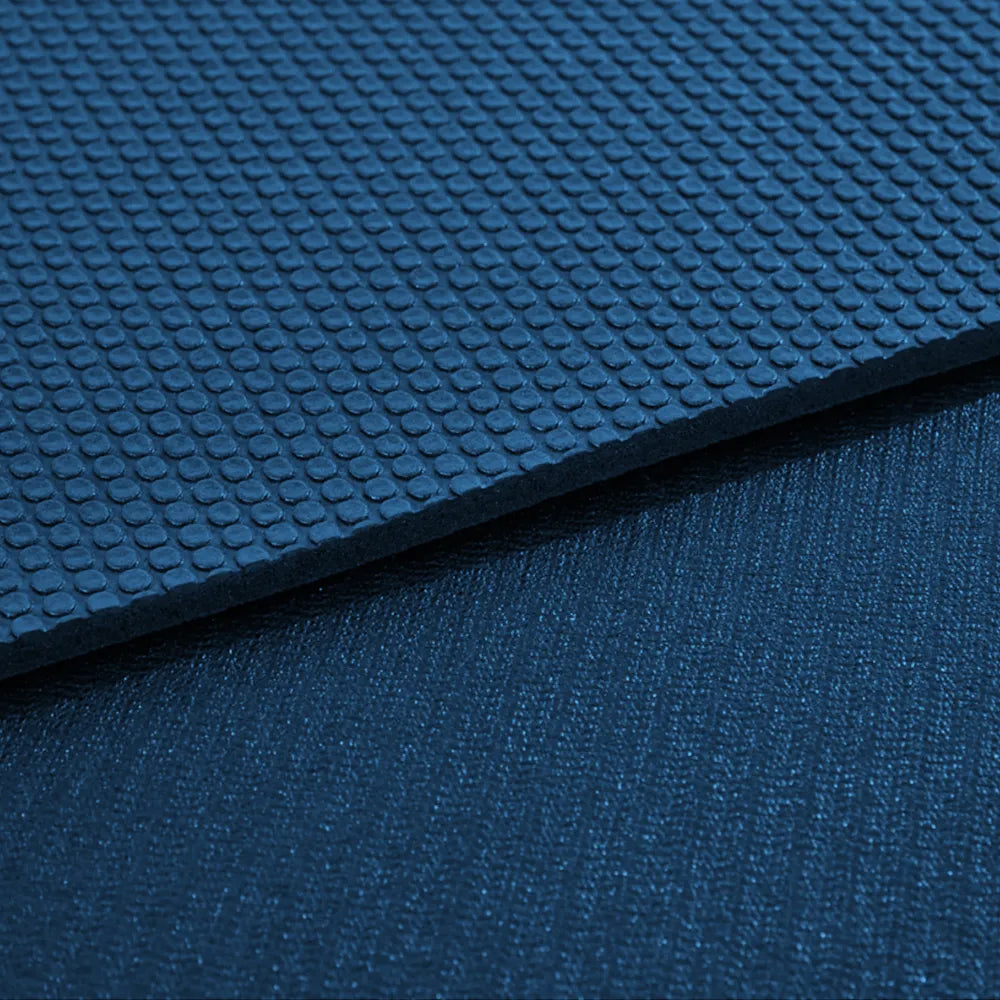
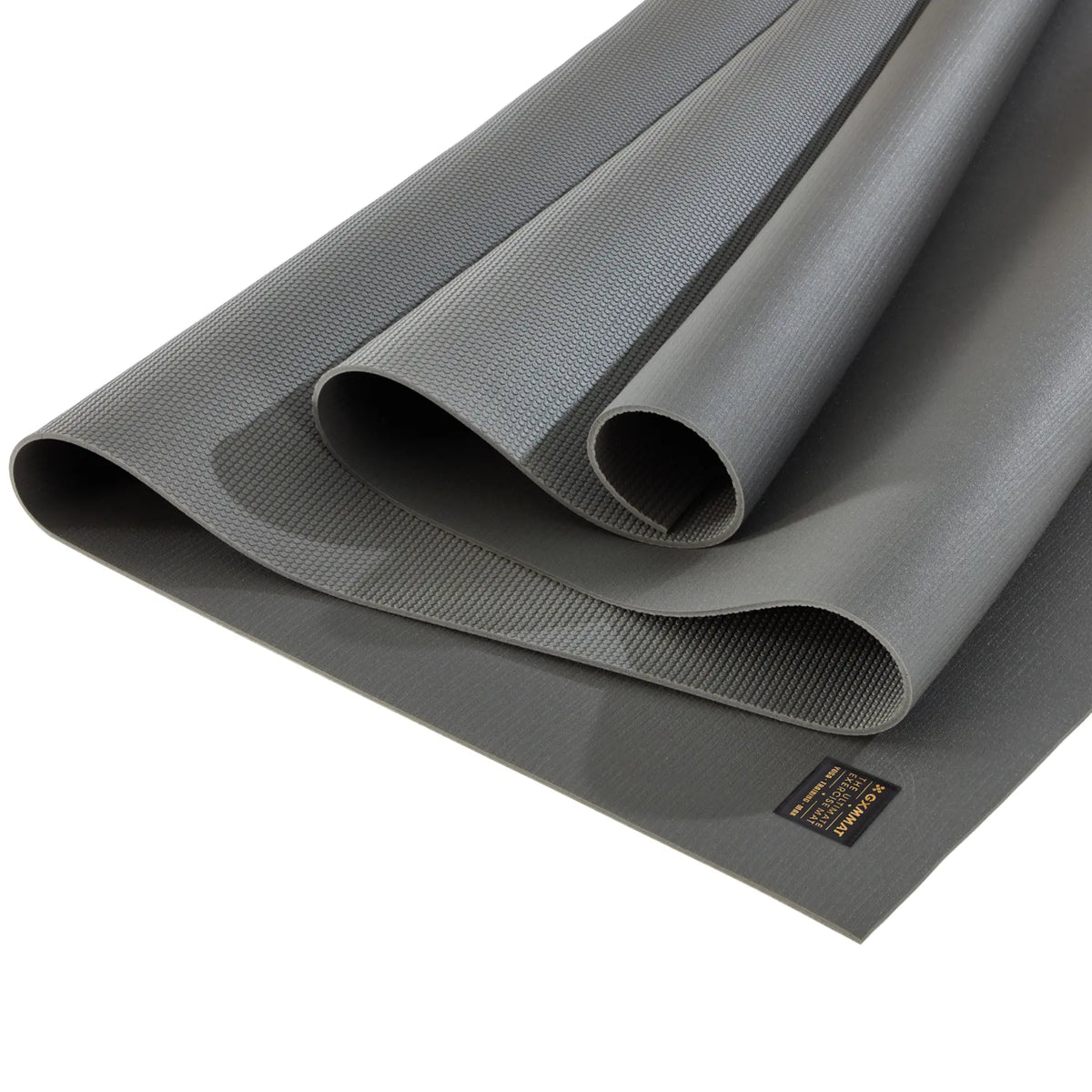
Every rep ends with a landing, so the floor matters. A GXMMAT large exercise mat made of 7 mm high-density foam softens landings, protects the back knee if it brushes the floor, and reduces noise. Its non-slip surface keeps the front foot planted.
FAQ
What do jump lunges work?
The quads, glutes, hamstrings and calves, plus the core for balance.
Are jump lunges good for beginners?
Beginners should master regular lunges first, then add a small hop.
How many jump lunges should I do?
3 sets of 6–10 reps per leg.
Are jump lunges cardio?
Yes. They raise the heart rate quickly while building leg power.
Why do jump lunges hurt my knees?
Landing stiffly or with the knee caving in increases stress. Land softly, keep the knee aligned and reduce volume.
Written by Yuvien Royer for GXMMAT. This article is general fitness information, not medical advice.