Reverse Lunge: How to Do It, Muscles Worked and Variations
Quick answer: To do a reverse lunge, stand tall, then step one foot back and lower until both knees are bent about 90°, with your back knee hovering just above the floor and your front shin roughly vertical. Push through your front heel to return to standing. Reverse lunges are usually easier on the knees and better for balance than forward lunges, and they work the quads, glutes and hamstrings. Start with 3 sets of 8–10 reps per leg using body weight, then add kettlebells or a barbell.
Key takeaways
- Step back, not forward: less stress on the front knee.
- Front foot does the work; push through the whole foot.
- Torso slightly forward for more glutes, upright for more quads.
- Back knee hovers just above the floor.
- Easy to load with kettlebells, a barbell or a landmine.
Reverse lunge vs forward lunge
| Reverse lunge | Forward lunge | |
|---|---|---|
| Knee stress | Usually lower | Higher (braking forward) |
| Balance | Easier | Harder |
| Main focus | Glutes and quads | Quads |
| Best for | Beginners, heavier loads, knee comfort | Deceleration, sports |
How to do a reverse lunge
- Stand tall, feet hip-width apart, core braced.
- Step one foot back about 2–3 feet, landing on the ball of your foot.
- Lower straight down until your back knee is just above the floor.
- Keep your front knee tracking over your toes and your weight in the front heel and midfoot.
- Push through your front foot to return to standing.
- Alternate legs, or finish all reps on one side.
Common mistakes
| Mistake | Fix |
|---|---|
| Steps too short | Step back further so both knees can reach about 90° |
| Front knee caving in | Push the knee out over your toes; lighten the load |
| Slamming the back knee | Lower with control; hover above the floor |
| Pushing off the back foot | Drive through the front foot |
| Wobbling sideways | Keep feet hip-width, like on train tracks, not a tightrope |
Reverse lunge variations
| Variation | How | Why |
|---|---|---|
| Goblet reverse lunge | Kettlebell at your chest | Beginner-friendly loading |
| Suitcase reverse lunge | Weight in each hand at your sides | Easy to load heavier; grip work |
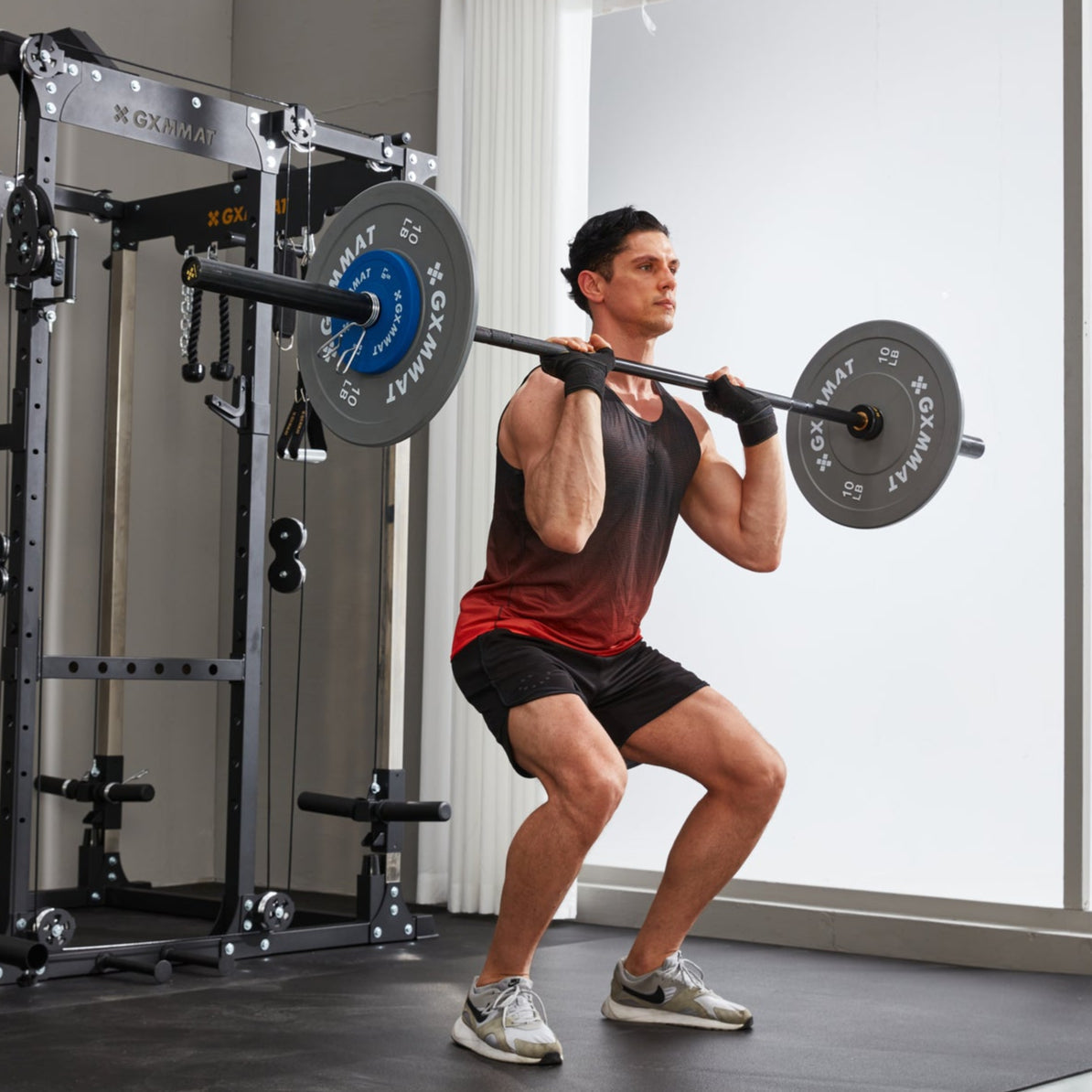
| Barbell reverse lunge | Bar on upper back, from the rack | Heavy strength work |
| Front-rack reverse lunge | Bar or kettlebells at the shoulders | More quads and core |
| Landmine reverse lunge | Hold the end of a landmine bar | Very stable; see landmine exercises |
| Deficit reverse lunge | Front foot on a 2–4" plate or step | Longer range; more glutes |
| Reverse lunge to knee drive | Drive the back knee up as you stand | Balance and power |
Sets, reps and programming
| Goal | Sets × reps |
|---|---|
| Beginner | 3 × 8 per leg, bodyweight or light kettlebell |
| Muscle building | 3–4 × 8–12 per leg |
| Strength | 4 × 5–6 per leg with a barbell |
- Do them after squats or deadlifts on leg day.
- Pair with squats and good mornings for a complete leg session.
- Working toward single-leg strength? Try the pistol squat progression.
Reverse lunges at home
- Kettlebells: GXMMAT soft kettlebells (10–25 lb) for goblet and suitcase lunges; the soft shell is forgiving if you set them down quickly.
- Barbell lunges: unrack from the J-hooks of a G5, V6 or X6 rack. Start light; balance is the limit.
- Deficit lunges: stand on a bumper plate lying flat on the floor for a stable low platform.
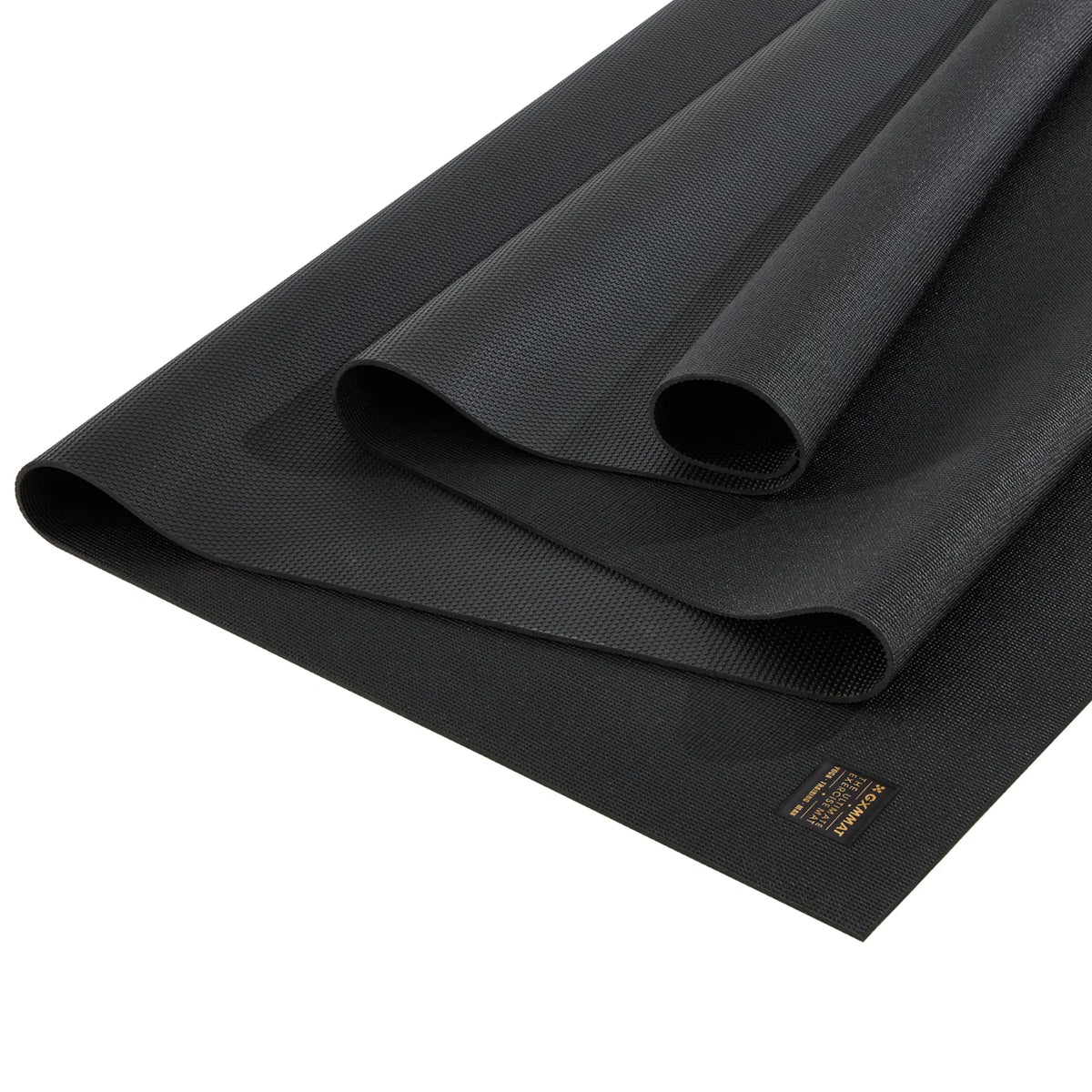
- Floor: a non-slip large exercise mat stops your back foot from sliding and cushions the knee.
- Knee comfort: for split-squat holds, place a kneeling pad under the back knee.
FAQ
What muscles do reverse lunges work?
The quads, glutes and hamstrings, plus the adductors, calves and core for balance.
Are reverse lunges better than forward lunges?
For most people, yes, especially beginners and anyone with sensitive knees. Forward lunges are still useful for sports.
Are reverse lunges good for bad knees?
Many people with knee discomfort find reverse lunges easier than forward lunges or deep squats. If you have pain, check with a professional.
How do I target glutes with reverse lunges?
Lean your torso slightly forward, take a longer step, and try deficit reverse lunges.
Should I alternate legs or do one side at a time?
Both work. One side at a time builds more fatigue in each leg; alternating is easier for balance and conditioning.
Written by Yuvien Royer for GXMMAT. This article is general fitness information, not medical advice.