Reverse Nordic Curl: How to Do It for Stronger Quads
Quick answer: To do a reverse nordic curl, kneel on a padded surface with your knees hip width apart, shins flat on the floor, and your body upright from knees to head. Squeeze your glutes and brace your core so your hips stay straight. Slowly lean your whole body backward as one unit, hinging only at the knees, as far as you can control. Then use your quads to pull yourself back up to the starting position. Do 2–3 sets of 5–10 reps. The reverse nordic curl trains the quadriceps, especially the rectus femoris, through a long stretched range, building knee strength and resilience with no equipment.
Key takeaways
- Hips stay straight: knees to shoulders in one line.
- Hinge only at the knees.
- Squeeze the glutes to protect the lower back.
- Small range first; go deeper over weeks.
- Pad the knees well.
Muscles worked
| Muscle | Role |
|---|---|
| Quadriceps (especially rectus femoris) | Control the lean back and pull you up |
| Hip flexors | Stretched and engaged |
| Glutes and core | Keep the hips straight |
Benefits
- Quad strength in a long, stretched position.
- Knee resilience for running, jumping and squatting.
- Hip flexor and quad flexibility.
- No equipment: just a padded surface.
- Balances hamstring work like the Nordic hamstring curl.
How to do a reverse nordic curl
- Kneel on a pad, knees hip width, tops of the feet flat or toes tucked.
- Upright: body straight from knees to head, arms crossed or by your sides.
- Brace: squeeze the glutes and tighten the abs.
- Lean back slowly as one unit, hinging at the knees.
- Stop at the deepest point you can control.
- Return: pull yourself back up with the quads.
Progressions
| Level | Variation |
|---|---|
| 1 | Small range, 10–20 degrees |
| 2 | Hold a band or rack upright for assistance |
| 3 | Deeper range, slow 3-second lowering |
| 4 | Full range, bodyweight |
| 5 | Hold a light kettlebell at the chest |
Common mistakes
| Mistake | Fix |
|---|---|
| Bending at the hips | Squeeze the glutes; stay in a straight line |
| Arching the lower back | Brace the core; reduce range |
| Going too deep too soon | Increase depth gradually |
| Hard floor under the knees | Use a thick pad |
How to program it
Do 2–3 sets of 5–10 slow reps, 1–2 times a week, after your main leg exercises or as part of knee prep. Pair it with sissy squats, split squats and hip flexor stretches. Expect sore quads after your first sessions.
Who should be careful
- Knee pain or recent knee injury: get clearance from a professional and start with a tiny range.
- Lower back pain: keep the glutes and core tight.
Reverse nordics at home
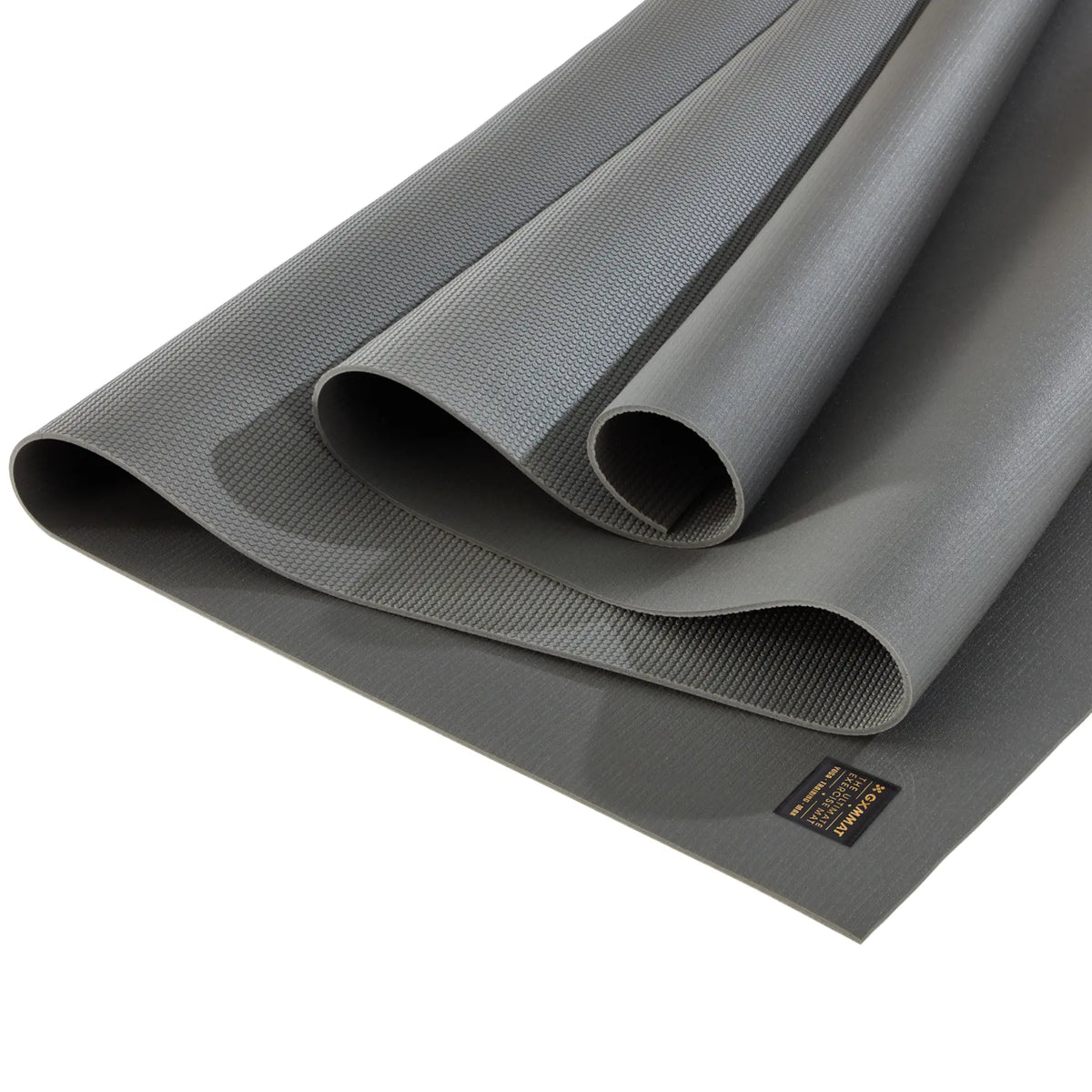
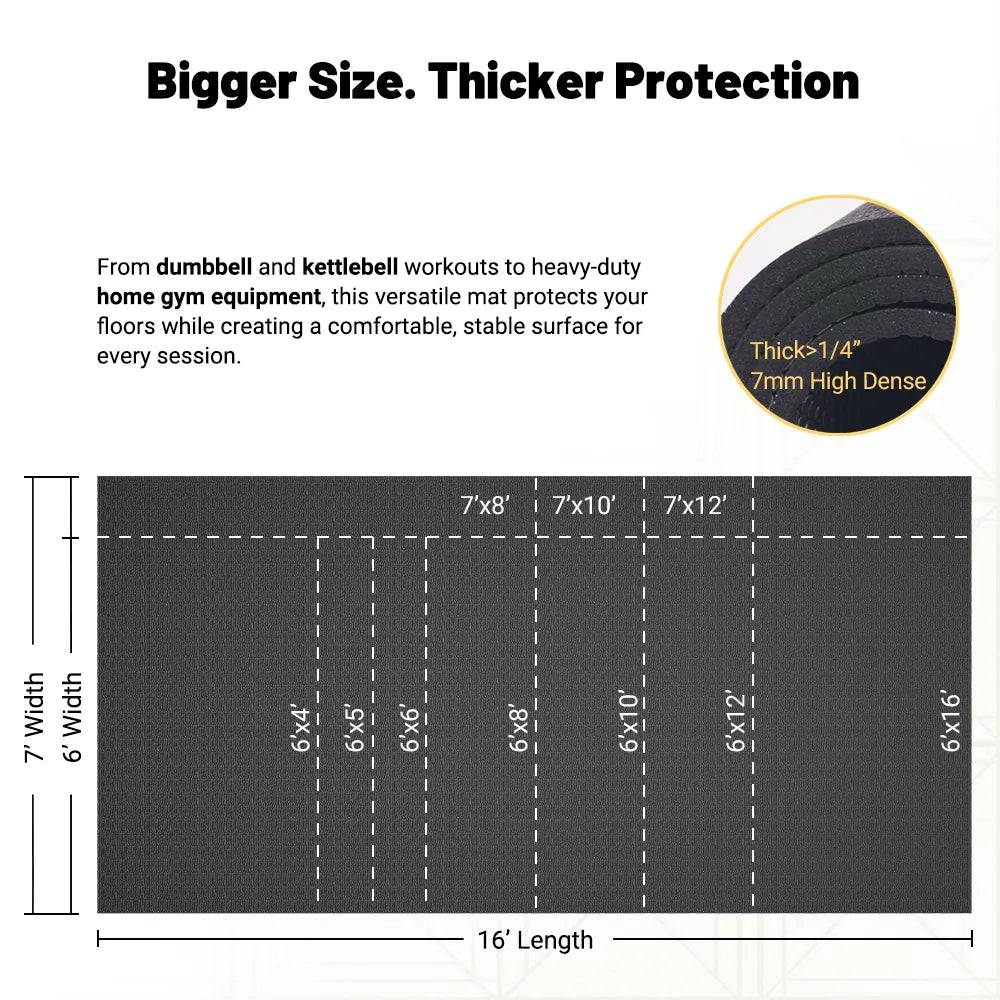
- Knee comfort: a GXMMAT kneeling pad on top of a large exercise mat takes the pressure off your kneecaps.
- Assistance: hold the upright of a power rack for support while you build strength.
- Load: a light soft kettlebell once bodyweight is easy.
FAQ
What does the reverse nordic curl work?
The quadriceps, especially the rectus femoris, plus the hip flexors, glutes and core.
Are reverse nordics good for your knees?
Many people use them to build knee resilience, starting with a small range. Skip them if they cause knee pain.
How many reverse nordic curls should I do?
2–3 sets of 5–10 slow reps.
How far back should I lean?
Only as far as you can control and return from with straight hips.
What's the difference between nordic and reverse nordic curls?
Nordic curls lean forward and train the hamstrings; reverse nordics lean back and train the quads.
Written by Yuvien Royer for GXMMAT. This article is general fitness information, not medical advice.