
Curtsy Lunge: How to Do It, Muscles Worked and Tips
Quick answer: To do a curtsy lunge, stand with your feet hip width apart, chest high and core engaged. Step your right foot diagonally behind your left leg, as if doing a curtsy, landing on the ball of the back foot. Bend both knees and lower until your front thigh is about parallel to the floor, keeping your hips and shoulders facing forward. Push through the front heel to return to the starting position, then repeat on the other side. Do 3 sets of 10–12 reps per leg. The curtsy lunge targets the glutes, especially the gluteus medius, along with the quads and inner thighs, and adds balance and hip stability that regular lunges don't.
Key takeaways
- Step back and across, diagonally behind the front leg.
- Hips stay square to the front; don't let them twist.
- Front knee tracks over the toes, not caving in.
- Stay upright with a tall chest.
- Start with bodyweight curtsy lunges before adding weight.
Primary and secondary muscles
| Muscle groups | Role |
|---|---|
| Gluteus maximus and gluteus medius (primary muscles) | Hip extension and hip stability; the smaller glute muscles work hard in the crossed position |
| Quadriceps: rectus femoris, vastus lateralis, vastus medialis, vastus intermedius | Straighten the front knee |
| Adductors (inner thigh muscles, secondary) | Stabilize the crossed stance |
| Hamstrings, calves and core (secondary muscles) | Balance and control |
Curtsy lunge vs regular lunges
| Curtsy lunge | Standard lunge | |
|---|---|---|
| Back foot | Diagonally behind and across | Straight back |
| Glute focus | More gluteus medius (side glute) | More gluteus maximus |
| Balance demand | Higher | Moderate |
| Inner thigh | More involved | Less |
Other lunge variations: reverse lunges, walking lunges and lateral lunges.
How to do a curtsy lunge with proper form
- Stand with your feet hip width apart, hands at the chest or on the hips.
- Step the right foot back and across behind the left leg, about 2 feet back and a foot to the left.
- Lower: bend both knees until the front thigh nears parallel. The back knee hovers above the floor.
- Check: front knee over the left foot, hips facing forward, chest high.
- Return: push through the left heel and bring the right foot back to the starting position.
- Repeat on the other side, or do all reps on one leg first.
Common mistakes (and how not to fall forward)
| Mistake | Fix |
|---|---|
| Hips twist toward the back leg | Keep the hips and shoulders square; shorter cross |
| Front knee caving in | Push the knee out over the toes |
| Leaning or falling forward | Stand tall; slow down; hold a rack upright for balance |
| Crossing too far | A moderate diagonal is enough |
| Short range | Lower until the front thigh is near parallel for the full benefits |
Variations and adding weight
- Bodyweight curtsy lunges: master balance first.
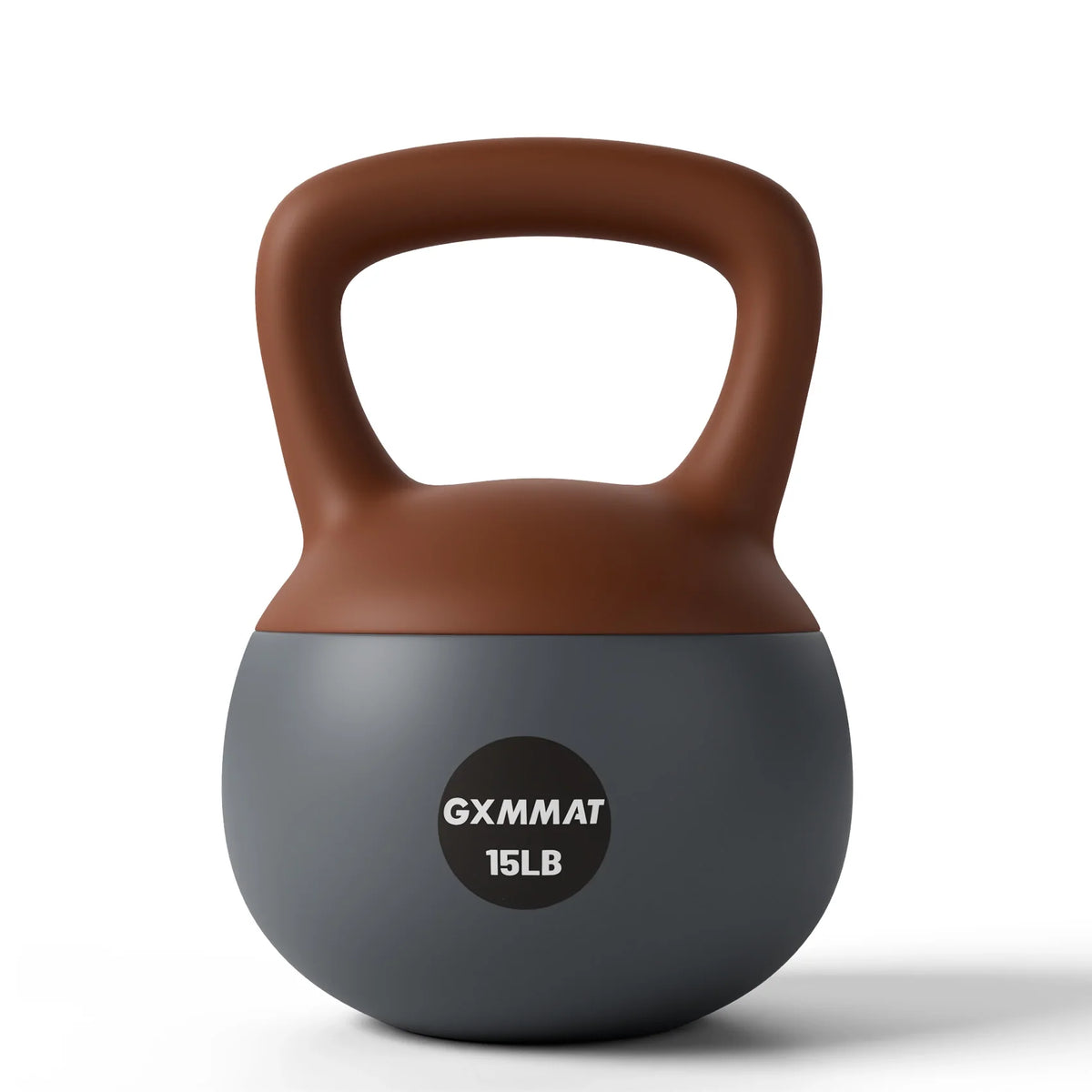
- Goblet curtsy lunge: hold a kettlebell at the chest; the home alternative to holding dumbbells.
- Curtsy lunge to kick: after standing, lift the back leg out to the side for more glute medius.
- Barbell curtsy lunge: advanced; needs excellent balance.
Use light weights at first; heavier weights come once the movement is smooth.
Add curtsy lunges to your workout routine
| Exercise | Sets × reps |
|---|---|
| Sumo squat | 3 × 12 |
| Curtsy lunge | 3 × 10 per leg |
| Split squat | 3 × 10 per leg |
| Donkey kicks | 2 × 15 per leg |
Use it on leg day, or as part of a full body workout, 1–2 times a week.
Who should be careful
- Knee pain: the crossed position can stress the knee; reduce the cross and depth.
- Balance issues: hold onto a wall or rack upright.
- Hip pain: try reverse lunges instead.
Curtsy lunges at home
- Kettlebell: a 10–20 lb GXMMAT soft kettlebell held goblet-style.
- Floor: a non-slip large exercise mat keeps your feet from sliding as you step diagonally.
- Balance support: the upright of a power rack makes a handy handhold.
FAQ
What do curtsy lunges target?
The glutes, especially the gluteus medius, plus the quads and inner thighs.
Are curtsy lunges bad for your knees?
Not with good form. Keep the front knee over the toes and use a moderate cross. Skip them if they cause knee pain.
How many curtsy lunges should I do?
3 sets of 10–12 reps per leg.
Are curtsy lunges better than regular lunges for glutes?
They work the side glutes more; regular lunges load the main glute and quads more. Use both.
Can I add weight to curtsy lunges?
Yes. Hold a kettlebell at your chest once bodyweight reps feel easy and stable.
Written by Yuvien Royer for GXMMAT. This article is general fitness information, not medical advice.


