Desk Stretches: 14 Simple Stretches for Office Workers
Quick answer: Simple desk stretches you can do in your chair or next to your desk include neck tilts, shoulder rolls, seated chest opener, seated spinal twist, seated figure-4, standing hip flexor stretch, wrist flexor and extensor stretches and a standing back extension. Hold each stretch for 15–30 seconds and repeat on both sides. Aim for a 2–5 minute stretch break every 30–60 minutes of sitting. Desk stretches help ease stiffness in the neck, shoulders, back, hips and wrists that builds up from long hours at a computer.
Key takeaways
- Move often: short breaks every 30–60 minutes beat one long session.
- Target common tight spots: neck, shoulders, upper back, hips and wrists.
- Gentle holds of 15–30 seconds; no pain.
- Stand up for at least one or two stretches each break.
- Check your setup: screen at eye level, elbows near 90 degrees, feet flat.
Why prolonged sitting and desk work make you stiff
Prolonged sitting keeps the hips bent, the shoulders rounded forward and the head pushed toward the screen. Over a workday, that posture can leave the neck, upper back and chest feeling tight and the hip flexors shortened. Typing and mouse work add repetitive motion for the wrists and forearms. Regular movement breaks and simple stretches help relieve tension and counteract that accumulated tension, and many people find they feel more focused after just a few minutes away from the screen. Office workers who spend long hours at a desk often notice the biggest difference in the neck, shoulders and upper back.
14 desk stretches
Neck stretch and shoulder rolls
- Neck side tilt: sit tall, drop your right ear toward your right shoulder. Rest your right hand lightly on your head for a gentle stretch. 15–20 seconds per side.
- Chin tuck: gently slide your chin straight back, making a "double chin," then relax. 10 reps. Helps counter forward head posture.
- Shoulder rolls: slowly roll the shoulders up, back and down 10 times, then forward 5 times. Keep your shoulders relaxed afterward.
- Half neck rolls: moving slowly, roll your chin from one shoulder across your chest to the other shoulder. Avoid tipping the head far back. 5 each way.
- Upper trap stretch: hold the side of the chair seat with your left hand, then tilt your head to the right and slightly forward. 20 seconds per side.
Chest opener and upper back stretches
- Seated chest opener: interlace your fingers behind your head or lower back, squeeze your shoulder blades together and lift your chest. 20 seconds.
- Shoulder blade squeezes: sit tall with feet flat, squeeze the shoulder blades together and down for 5 seconds, then relax. 10 reps. Great for upper back tension.
- Seated cat cow: hands on your knees, round your back, then arch and lift your chest. 8 slow reps.
- Overhead reach: interlace your fingers, push your palms toward the ceiling and lean gently to each side. 15 seconds per side.
- Seated spinal twist: sit tall, place your right hand on the back of the chair and left hand on your right knee, and rotate to the right. 20 seconds per side.
Hips and legs
- Seated figure-4: cross your right ankle over your left knee and hinge forward with a straight back. 20–30 seconds per side. See piriformis stretch.
- Standing hip flexor stretch: stand in a split stance, tuck your pelvis and shift forward to stretch the front of the back hip. 20–30 seconds per side. See hip flexor stretches.
- Seated hamstring stretch: sit on the edge of the chair, extend one leg with the heel on the floor and hinge forward. 20–30 seconds per side.
Wrists and forearms
- Wrist and finger stretches: with your right arm straight, palm up then palm down, gently pull the fingers back with your left hand. 20 seconds each. Add finger stretches by spreading the fingers wide and making a fist 10 times. Persistent tingling or numbness may point to carpal tunnel syndrome and should be checked. See wrist stretches.
Standing desk stretches
Standing up is one of the best things you can do during desk work, so include a few standing stretches in every routine:
- Standing back extension: stand with feet hip width apart, hands on your lower back, and gently lean back while looking up. 5 slow reps.
- Desk push-up stretch: place your hands on the edge of the desk, step back until your arms are straight and your body forms a line, then lean forward and let your chest drop between your arms to stretch the chest and shoulders.
- Standing quad stretch: hold the desk with one hand and pull your heel toward your glutes. 20 seconds per side.
- Standing figure-4: cross one ankle over the opposite knee and sit back slightly, holding the desk for balance. 20 seconds per side.
Benefits of a desk stretch routine
- Relieve tension in the neck, shoulders and upper back muscles.
- Counteract prolonged sitting by opening the hips and chest.
- Support posture by reminding your body to sit tall.
- A mental reset: pairing stretches with deep breathing for a minute can help you refocus.
- Easy exercise snacks: short movement breaks add up over long hours.
5-minute desk stretch routine for desk work
Sit tall with your feet flat on the floor and breathe deeply as you move through these desk stretches:
| Stretch | Time |
|---|---|
| Shoulder rolls | 30 sec |
| Neck side tilt | 20 sec per side |
| Chin tucks | 10 reps |
| Seated chest opener | 20 sec |
| Seated spinal twist | 20 sec per side |
| Seated figure-4 | 20 sec per side |
| Standing hip flexor stretch | 20 sec per side |
| Wrist stretches | 20 sec each |
Set reminders on your phone or add a calendar reminder every hour. Even 2 minutes of movement breaks every hour adds up over a workday.
Desk setup for good posture
- Screen at eye level and about an arm's length away.
- Elbows near 90 degrees with the keyboard close.
- Chair height: set it so your feet are flat on the floor or a footrest and your knees are about level with your hips.
- Alternate sitting and standing if you have a standing desk.
- Take walking breaks, like walking during phone calls.
After work: undo the day
Desk stretches help during the day, but a longer session after work goes further. Try thoracic spine mobility, wall angels and lower back stretches on the floor, and strengthen your upper back with rows and face pulls. Before bed, a gentle bedtime stretch routine helps you wind down.
Neck pain and other warning signs
- Neck pain with arm numbness or tingling: avoid neck stretches and see a professional.
- Dizziness with neck movement: stop and get it checked.
- Persistent back or wrist pain: a physical therapist can assess your setup and habits.
A stretching spot at home
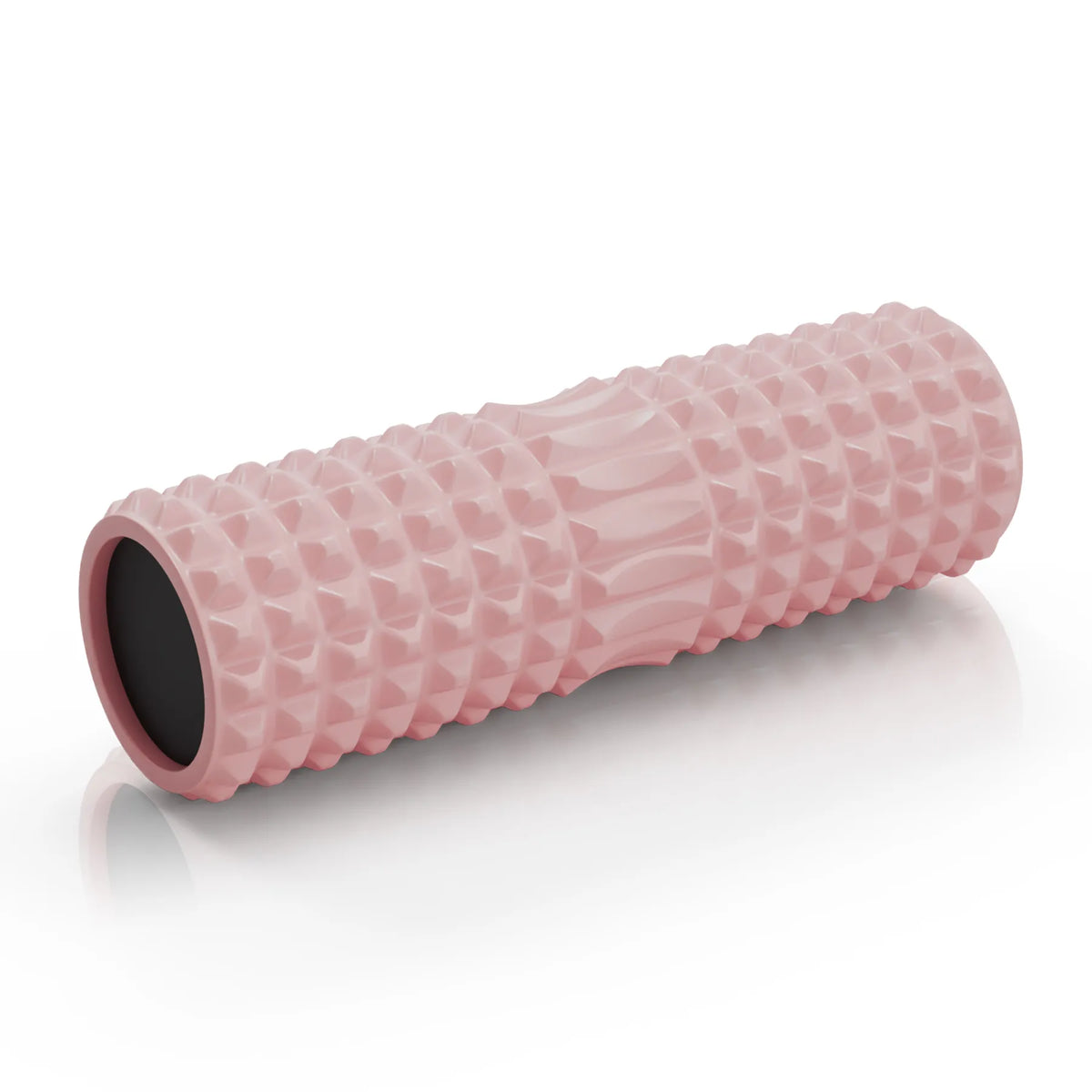
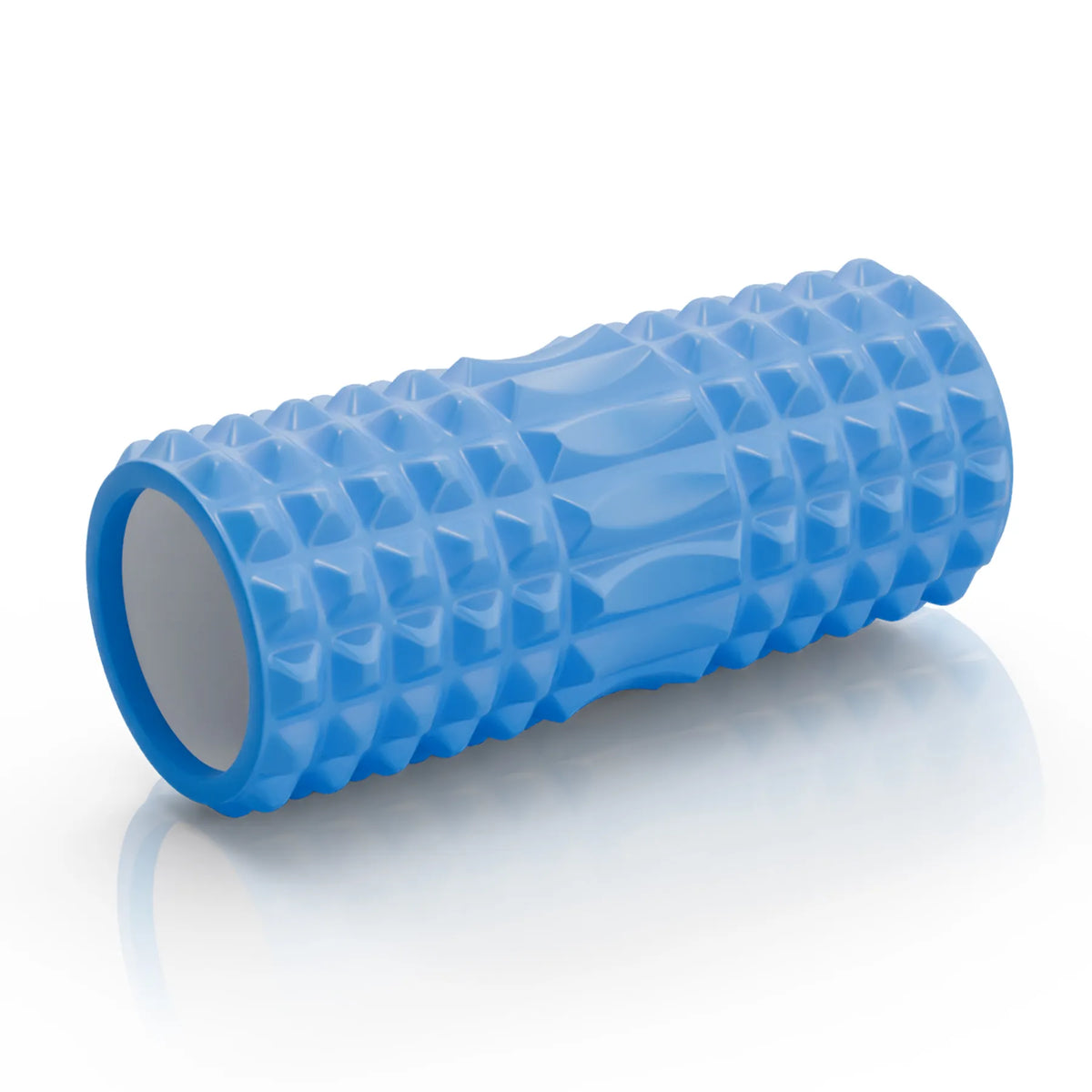
If you work from home, keeping a mat next to your desk makes floor stretches easy during breaks. A GXMMAT large yoga mat gives you room for child's pose, cat cow and lunges, and a foam roller is great for rolling the upper back after a long day at the computer.
FAQ
How often should I do desk stretches?
Take a short stretch break every 30–60 minutes of sitting.
What are the best stretches for desk workers?
Neck tilts, chin tucks, chest openers, seated twists, hip flexor stretches and wrist stretches cover the most common tight spots.
Can I stretch at my desk without standing?
Yes. Most neck, shoulder, chest, twist, figure-4 and wrist stretches work seated.
Do desk stretches help posture?
They can help you feel less stiff, but posture improves most with regular movement, a good setup and upper back strength.
How long should desk stretches be?
2–5 minutes per break is plenty.
Written by Yuvien Royer for GXMMAT. This article is general fitness information, not medical advice.