Wall Angels: How to Do Them for Better Posture and Shoulder Mobility
Quick answer: To do wall angels, stand with your back against a wall, feet a few inches away, knees slightly bent, and press your lower back, upper back and head gently into the wall. Raise your arms into a "W" with elbows bent 90° and the backs of your arms and hands touching the wall. Slowly slide your arms up overhead into a "Y", maintaining contact with the wall, then slide them back down. Wall angels train shoulder mobility and the upper back muscles that support good posture. Do 2–3 sets of 8–12 slow reps.
Key takeaways
- Stay in contact with the wall with your back, head, elbows and wrists as much as you can.
- Don't arch your lower back to cheat the range.
- Slow is the point: 3 seconds up, 3 seconds down.
- Only go as high as you can while keeping contact.
- Desk worker friendly: counters prolonged sitting and rounded shoulders.
Muscles worked
| Muscle | Role |
|---|---|
| Lower and middle trapezius | Pull the shoulder blades down and back |
| Rhomboids | Hold the shoulder blades together |
| Serratus anterior | Rotates the shoulder blades upward as the arms rise |
| Rotator cuff | Externally rotates and stabilizes the shoulder |
| Core | Stops the lower back arching |
Benefits
- Improved posture: trains the upper back muscles that pull rounded shoulders back.
- Shoulder mobility and overhead range of motion.
- Thoracic spine mobility for squats and overhead presses.
- Body awareness of forward head posture and rib flare.
- May help reduce neck and shoulder tension linked to long hours at a desk.
How to perform wall angels
- Starting position: stand with your back against a wall, feet about 6 inches away, knees slightly bent.
- Flatten: press your lower back, upper back and the back of your head gently into the wall. Tuck your chin slightly.
- W position: raise your arms to shoulder height, elbows bent 90°, backs of the arms and hands against the wall.
- Slide up: slowly slide your arms upward into a "Y", keeping contact with the wall.
- Stop when anything wants to come away from the wall.
- Slide down to the W, squeezing your shoulder blades down and together.
Common mistakes
| Mistake | Fix |
|---|---|
| Arching the lower back | Bend the knees more; brace the core |
| Wrists or elbows coming away from the wall | Reduce the range; it improves with practice |
| Head pushing forward | Chin tucked, back of the head on the wall |
| Shrugging the shoulders | Keep the shoulders down away from the ears |
| Moving fast | 3 seconds each way |
Variations
| Variation | How | Why |
|---|---|---|
| Floor angels | Lie on your back on a mat and do the same movement | Easier; gravity helps |
| Partial-range wall angels | Only slide halfway up | For tight shoulders |
| Wall angels with a lift-off | At the top, lift the hands an inch off the wall | More upper back strength |
| Prone Y raises | Face down on a mat, lift arms in a Y | Strengthens the lower traps |
| Doorway angels | Facing away from the wall, no contact | Harder control |
How often to do them
- Daily: 1–2 sets of 8–10 as a posture break.
- Before upper-body workouts: 2 sets of 10 as a warm up.
- Pair with face pulls and rows to strengthen the back muscles behind good posture.
Who should be careful
Wall angels are a gentle, simple exercise, but if you have shoulder pain, a recent injury or pain that radiates down the arm, get it checked by a physical therapy professional first. Stop if the movement pinches or causes pain.
Upper back routine for better posture
| Exercise | Sets × reps |
|---|---|
| Wall angels | 2 × 10 |
| Face pulls | 3 × 15 |
| Inverted rows | 3 × 8–12 |
| Superman holds | 2 × 20 sec |
Guides: inverted rows, cat cow for spine mobility, and inchworms as a full-body warm up.
Wall angels at home
- Any flat wall works; no equipment needed.
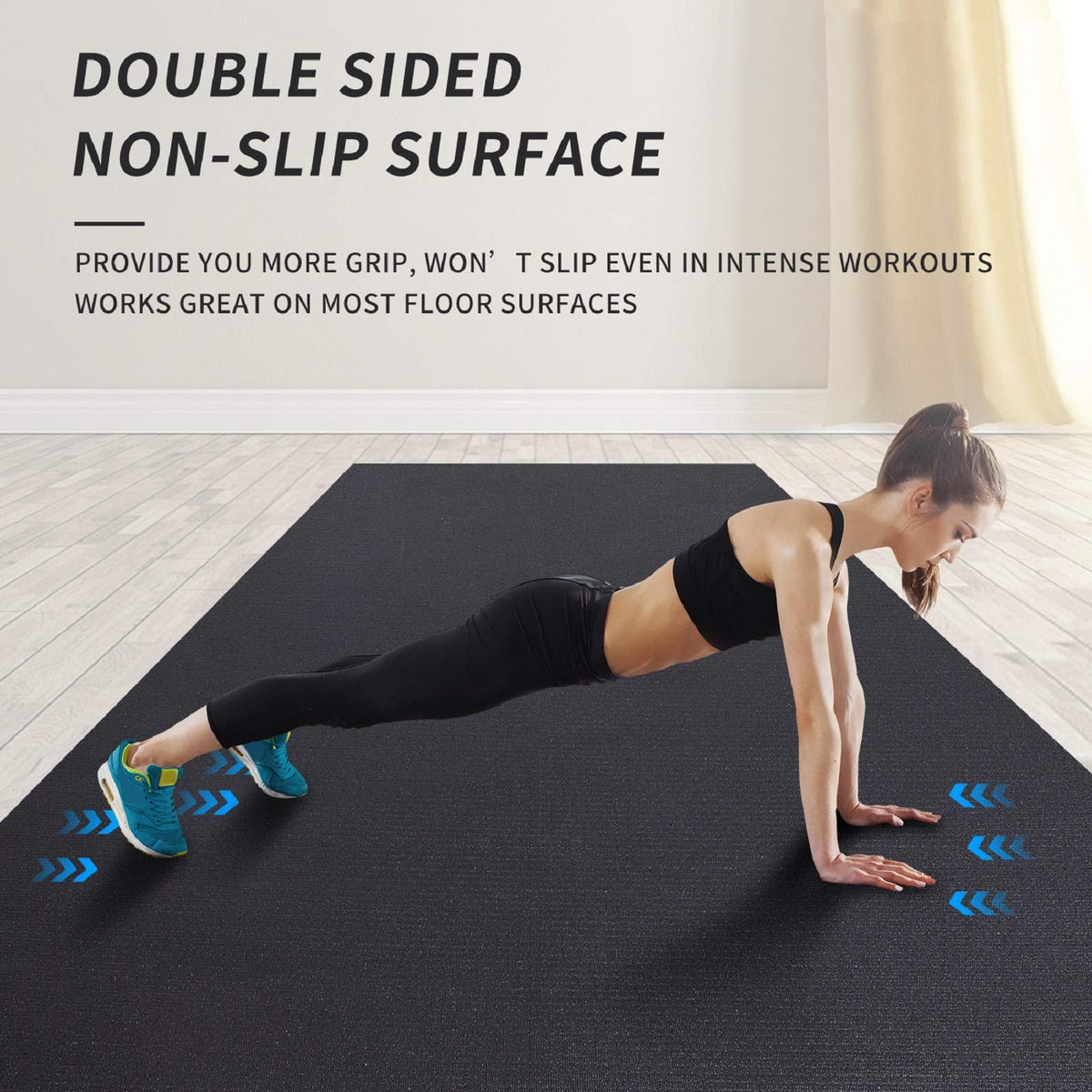
- Floor version: a cushioned large yoga mat for floor angels and prone Y raises.
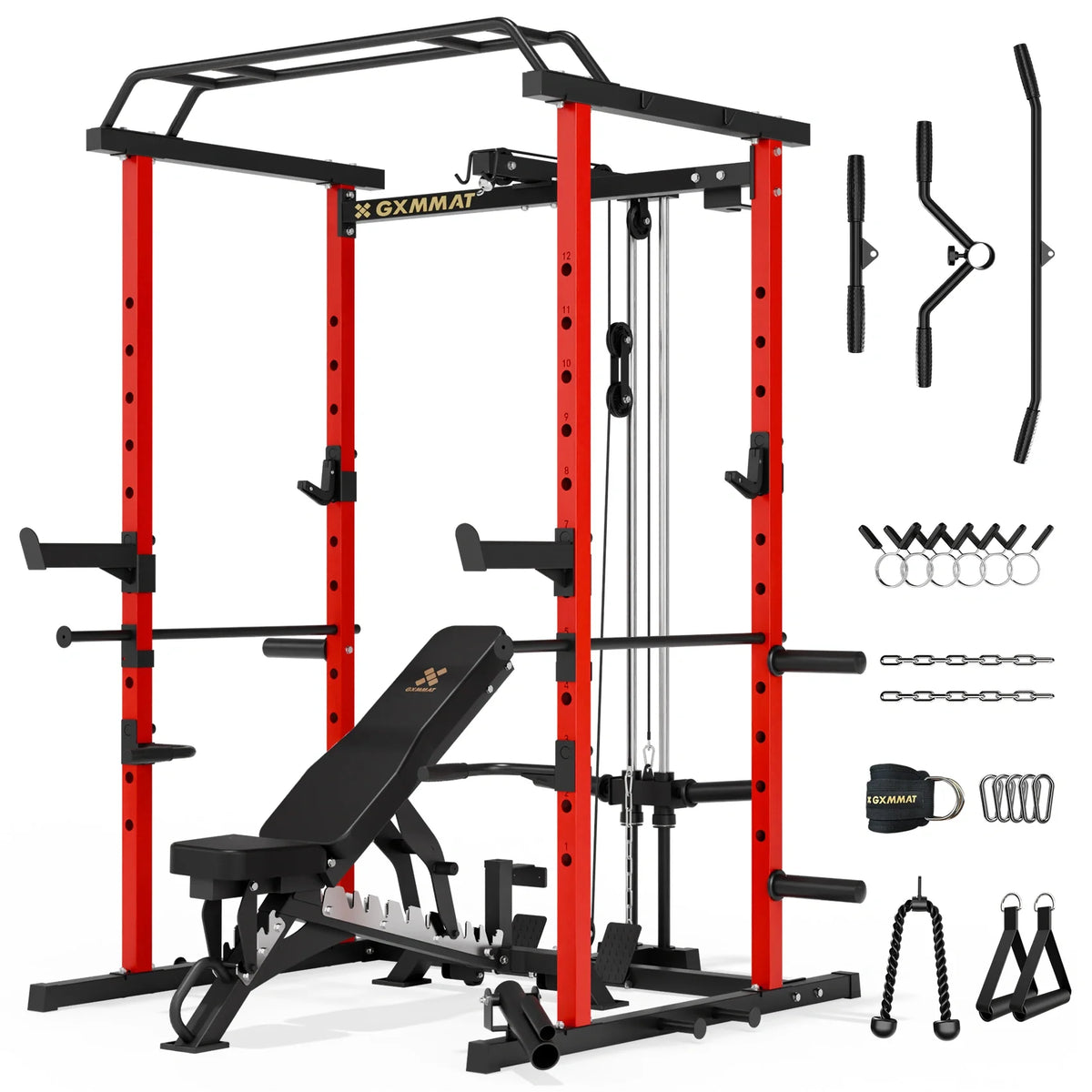
- Back strength: the cable and rope on a G5, V6 or X6 power rack for face pulls.
FAQ
What do wall angels do?
They improve shoulder mobility and strengthen the upper back muscles that support good posture.
Why are wall angels so hard?
Tight chest and lat muscles, a stiff upper back and weak lower traps all limit the range. That's exactly what the exercise trains.
Do wall angels help with rounded shoulders?
They can help as part of a routine that also strengthens the upper back, along with breaking up long periods of sitting.
How many wall angels should I do?
2–3 sets of 8–12 slow reps, daily or before upper-body workouts.
Can wall angels fix neck pain?
They may reduce tension from poor posture, but ongoing neck pain needs a professional assessment.
Written by Yuvien Royer for GXMMAT. This article is general fitness information, not medical advice.