Post Run Stretches: 9 Stretches to Do After Running
Quick answer: The best post run stretches target the muscles running works hardest: calves, hamstrings, quads, hip flexors, glutes and the outer hips. After a 3–5 minute walk to cool down, do a standing calf stretch, standing quad stretch, standing hamstring stretch, low lunge hip flexor stretch, figure-4 glute stretch and a side lunge for the inner thighs. Hold each 30 seconds per side and take slow breaths. The whole routine takes about 8–10 minutes and helps your legs feel less tight after a run.
Key takeaways
- Walk first for a few minutes to bring your heart rate down.
- Stretch the big running muscles: calves, hamstrings, quads, hips and glutes.
- Hold 30 seconds per side, breathing slowly.
- Gentle, not forced: tired muscles should be stretched easily.
- Add strength work during the week for fewer running niggles.
Why stretch after a run?
Running repeats the same motion thousands of times, so the calves, hamstrings, quads and hip flexors can feel tight afterward. Post run stretches won't prevent every injury, but many runners find a short routine improves how their legs feel, helps maintain range of motion over a training week, and is a calm way to finish a session. Your muscles are warm after a run, which makes it a good time for static stretching.
9 post run stretches
1. Standing calf stretch
Place your hands on a wall. Step your left foot back with the leg straight and heel flat, front knee bent. Lean in until you feel the stretch in the left calf. Hold 30 seconds, then bend the left knee slightly for the lower calf. Switch to the right foot. See calf stretches.
2. Standing quad stretch
From a standing position with feet hip width apart, bend your right knee and hold your right foot behind you, pulling the heel toward your glutes. Keep the knees together and hips tucked. Use a wall for balance. 30 seconds per side. See quad stretches.
3. Standing hamstring stretch
Place your right heel on a low step or curb with the leg straight and toes up. Hinge forward from the waist with a flat back. 30 seconds per side. Great for tight hamstrings. See hamstring stretches.
4. Low lunge (hip flexor stretch)
Step your right foot forward into a lunge and lower your left knee to the ground. Shift your hips forward until you feel a stretch at the front of the left hip. Raise your arms overhead to deepen it. 30 seconds, then switch. See hip flexor stretches.
5. Figure-4 glute stretch
Lie on your back, cross your left ankle over your right knee and pull the right thigh toward your chest. Stretches the glutes and deep hip muscles on the left side. 30 seconds per side. Standing version: cross the ankle over the opposite knee and sit back.
6. Side lunge
Stand with feet wide. Bend your right knee and shift your weight right while keeping the left leg straight. Feel the stretch in the left inner thigh and groin. 20–30 seconds per side. See groin stretches.
7. Standing IT band stretch
Cross your right leg behind your left and lean your hips to the right while reaching your left arm overhead. Feel the stretch along the left side of the outer hip. See IT band stretches.
8. Downward dog
A yoga pose that stretches calves, hamstrings and shoulders together. Pedal the heels toward the floor for 5–8 breaths. See downward dog.
9. Child's pose
Finish kneeling with your hips back to your heels, arms forward and belly relaxed on your thighs. Inhale and exhale slowly for 5–8 breaths to relax the lower back and hips. See child's pose.
Yoga poses for runners
If you enjoy yoga, a few poses work well as post run stretches on the floor:
- Pigeon pose: deep stretch for the glutes and hips. Keep your chest lifted at first, then fold forward over the front leg.
- Reclined hand-to-big-toe: lie on your back, loop a strap around your foot and raise the leg with knees straight for the hamstrings.
- Legs up the wall: lie with your body on the floor and legs resting up a wall for a few minutes of easy breaths. See legs up the wall.
- Supine twist: bend your knees, drop them to one side and turn your head the other way to release the lower back.
Keep your knees, toes and head relaxed, and let the floor support your body so the muscles in your legs can let go.
10-minute post run stretch routine
| Stretch | Time | Muscles |
|---|---|---|
| Easy walk | 3–5 min | Cool down |
| Standing calf stretch | 30 sec per side | Calves |
| Standing quad stretch | 30 sec per side | Quads |
| Standing hamstring stretch | 30 sec per side | Hamstrings |
| Low lunge | 30 sec per side | Hip flexors |
| Figure-4 | 30 sec per side | Glutes |
| Child's pose | 5–8 breaths | Back, hips |
Short on time? Do just the calf, quad and hip flexor stretches; they're the ones most runners feel first. For a broader routine, see cool down exercises.
Foam rolling after a run
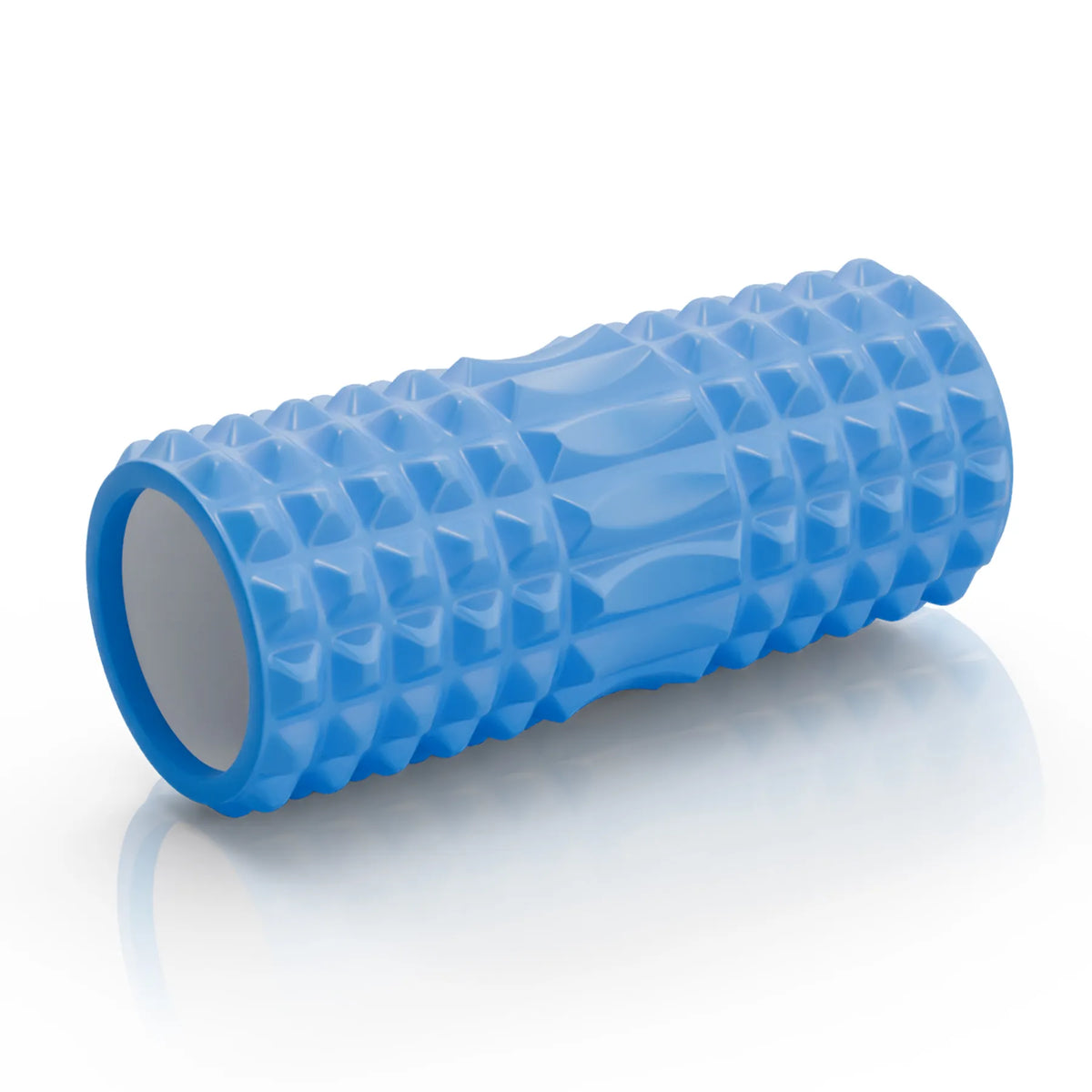
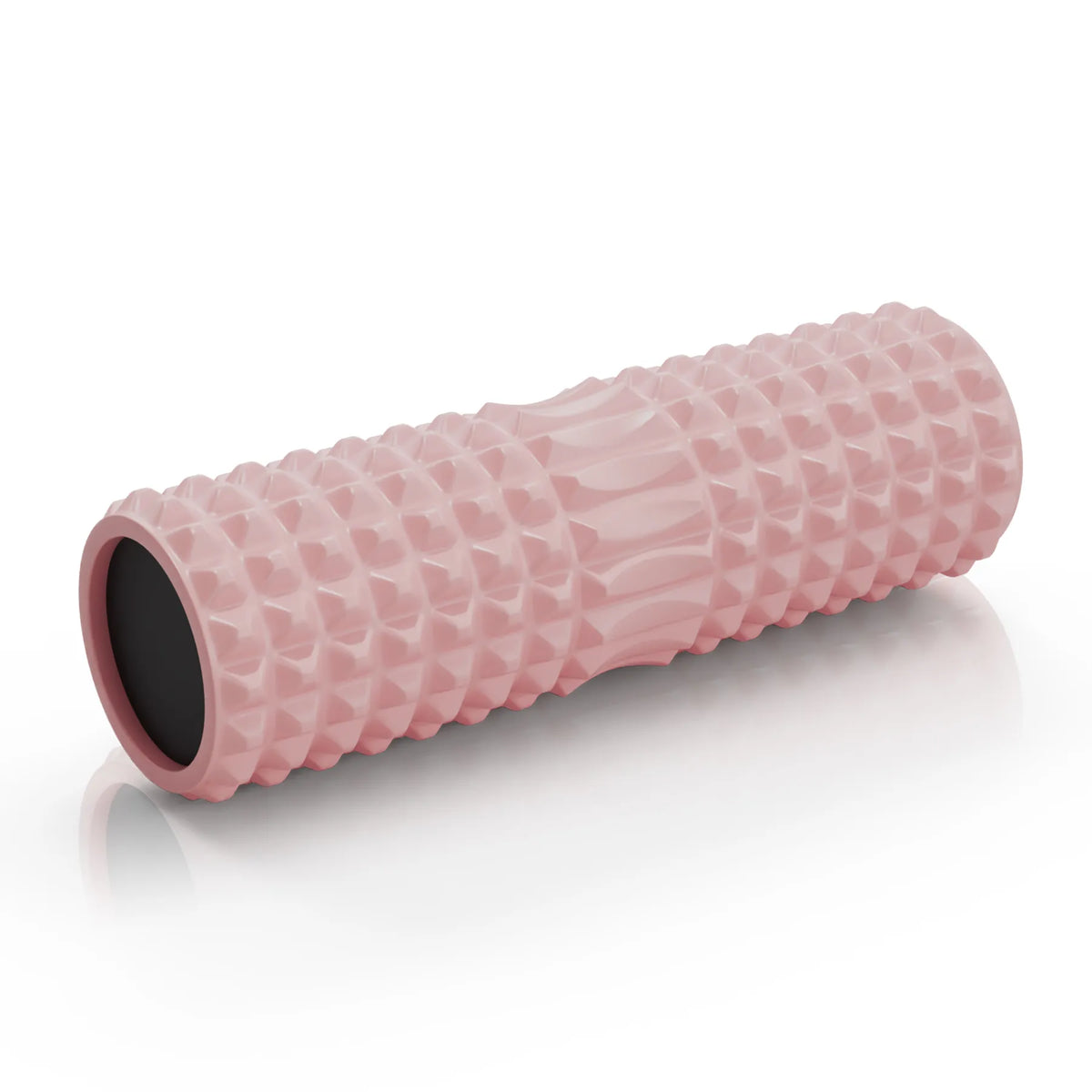
A few minutes of foam rolling can complement your stretches. Roll the calves, quads, glutes and outer hips slowly for 30–60 seconds each with moderate pressure. A GXMMAT foam roller or massage roller stick is easy to keep by the door. See how to foam roll.
Strength work for runners
Stretching helps runners feel looser; strength training helps legs handle the load. Add 2 short sessions a week:
- Calf raises (straight and bent knee).
- Split squats and walking lunges.
- Glute bridges and side planks.
- Romanian deadlifts for the hamstrings.
Common mistakes
| Mistake | Fix |
|---|---|
| Stopping and sitting right after a hard run | Walk first, then stretch |
| Bouncing | Hold steady and breathe |
| Stretching through sharp pain | Stretch to mild tension only; rest if something hurts |
| Skipping the hips | Include hip flexors, glutes and outer hips |
When to see a professional
- Pain that changes your running stride or gets worse during runs.
- Sharp pain in the shin, heel, knee or foot that lasts more than a few days.
- Swelling or pain at rest.
Stretching after indoor runs
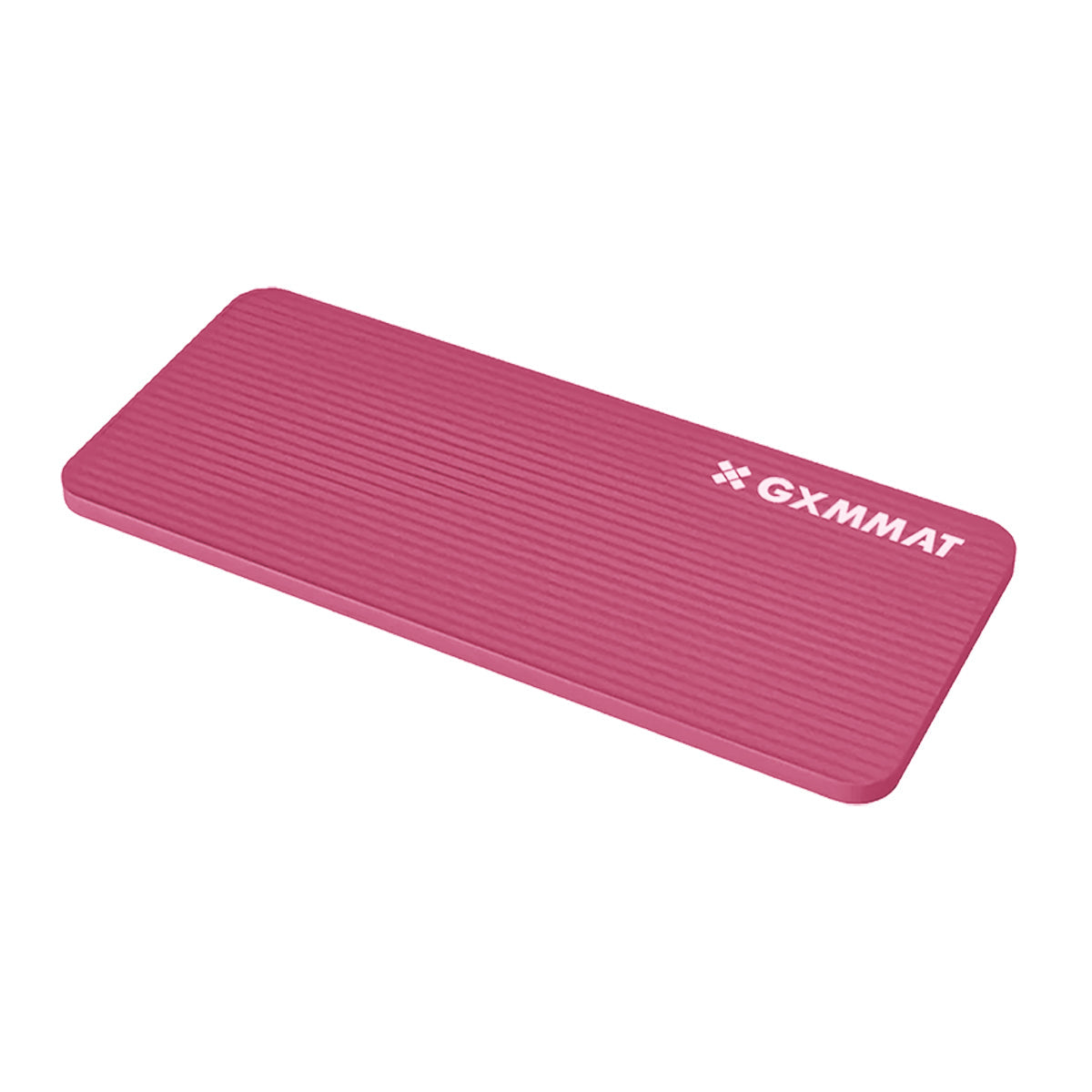
If you run on a treadmill at home, stretching right next to it makes the habit easy. A GXMMAT large exercise mat gives you a cushioned, non-slip area for lunges, figure-4 and child's pose. See the equipment mat size guide for choosing a mat that fits around your machine.
FAQ
Should I stretch after running?
Yes, for most runners a short stretch after running feels good and helps maintain flexibility. Walk for a few minutes first.
How long should I hold post run stretches?
About 30 seconds per side, once or twice.
Is it better to stretch before or after a run?
Do dynamic warm-up moves before, like leg swings and walking lunges, and save static stretches for after.
What muscles should runners stretch?
Calves, hamstrings, quads, hip flexors, glutes and the outer hips.
Does stretching after a run prevent soreness?
The effect on soreness is small, but stretching can help your legs feel less tight and support range of motion.
Written by Yuvien Royer for GXMMAT. This article is general fitness information, not medical advice.