Cool Down Exercises: A 10-Minute Post-Workout Routine
Quick answer: Good cool down exercises gradually lower your heart rate and breathing after a workout, then stretch the muscles you just trained. A simple 5–10 minute cool down: 3–5 minutes of easy movement (walking, slow cycling or light marching), followed by static stretches held for 20–30 seconds, such as a standing quad stretch, hamstring stretch, hip flexor stretch, child's pose, chest stretch and cross-body shoulder stretch. Finish with a minute of slow, deep breathing. A cool down helps you transition from exercise back to rest, and many people find it reduces stiffness and helps them feel more relaxed after training.
Key takeaways
- Two parts: easy movement to bring the heart rate down, then stretching.
- 5–10 minutes is enough for most workouts.
- Stretch what you trained: legs after leg day, chest and shoulders after pushing.
- Hold stretches 20–30 seconds and breathe slowly.
- Don't stop suddenly after hard cardio; keep moving lightly first.
Why cool down after a workout?
- Gradual recovery: your heart rate, breathing and body temperature return toward resting levels gradually rather than abruptly.
- Avoids light-headedness: stopping suddenly after intense cardio can make some people dizzy, because blood can pool in the legs; easy movement helps.
- Good time to stretch: warm muscles stretch more comfortably, so it's an efficient time to work on flexibility.
- Mental reset: a few minutes of calm breathing helps you shift out of workout mode.
Research suggests a cool down doesn't dramatically change next-day soreness, but it's a low-effort habit that many people find helps them feel better after training. A common myth is that you need to cool down to "flush out" lactic acid. In reality, lactic acid buildup clears on its own within about an hour whether you cool down or not; the main benefits of a cool down are a gradual return to rest and a convenient time to stretch.
Part 1: Easy movement to cool down (3–5 minutes)
| Option | How |
|---|---|
| Walking or easy jogging | Easy pace, or walk in place; slow from jogging to walking after a run |
| Calf marches | March in place, pressing one heel down while the other heel lifts, in a slow marching motion |
| Slow cycling | Light resistance on an exercise bike |
| Marching with arm circles | Good for small spaces |
| Slow jumping jacks to step jacks | Gradually reduce intensity after HIIT |
Aim to finish breathing comfortably enough to hold a conversation.
Part 2: Cool down stretches (5 minutes)
Lower body
- Standing quad stretch: pull your heel toward your glutes, knees together. 20–30 sec per leg. See quad stretches.
- Standing or lying hamstring stretch: 20–30 sec per leg. See hamstring stretches.
- Kneeling hip flexor stretch: 20–30 sec per side. See hip flexor stretches.
- Wall calf stretch: 20–30 sec per leg. See calf stretches.
- Figure-4 glute stretch: 20–30 sec per side.
Upper body
- Doorway chest stretch: forearm on a door frame or rack upright, step through gently. 20–30 sec per side.
- Cross-body shoulder stretch: 20–30 sec per arm.
- Overhead triceps stretch: see tricep stretches.
- Child's pose with side reach: stretches the back and lats. See lat stretches.
Finish: breathing
Lie on your back with knees bent or legs up the wall and take 6–10 slow breaths, exhaling longer than you inhale. See legs up the wall pose.
Best cool down exercises: a 5-move floor flow
If you'd rather flow than hold separate stretches, this cooldown routine covers the legs, hips, back and shoulders in about 5 minutes:
1. Downward dog
From a high plank, push your hips up and back into an upside-down V, butt high. Pedal the heels to stretch the calves and hamstrings. 5 breaths. See downward dog.
2. Three-leg downward dog
From downward dog, lift your right leg straight behind you, hips square. Hold 3 breaths, then switch to the other leg.
3. Low lunge
Step your right foot forward between your hands into a lunge position, front knee over the front foot, back leg extended with the knee down. Sink the hips to stretch the hip flexors of the back leg. 20–30 seconds per side.
4. Pigeon pose
From downward dog, bring your right knee behind your right wrist with the leg underneath your body, left leg extended back. Fold forward over the front leg. 30 seconds per side.
5. Child's pose and breathing
Sit back to your heels, arms forward, and breathe deeply for 6–10 breaths while your heart rate settles.
Foam rolling as part of your cool down
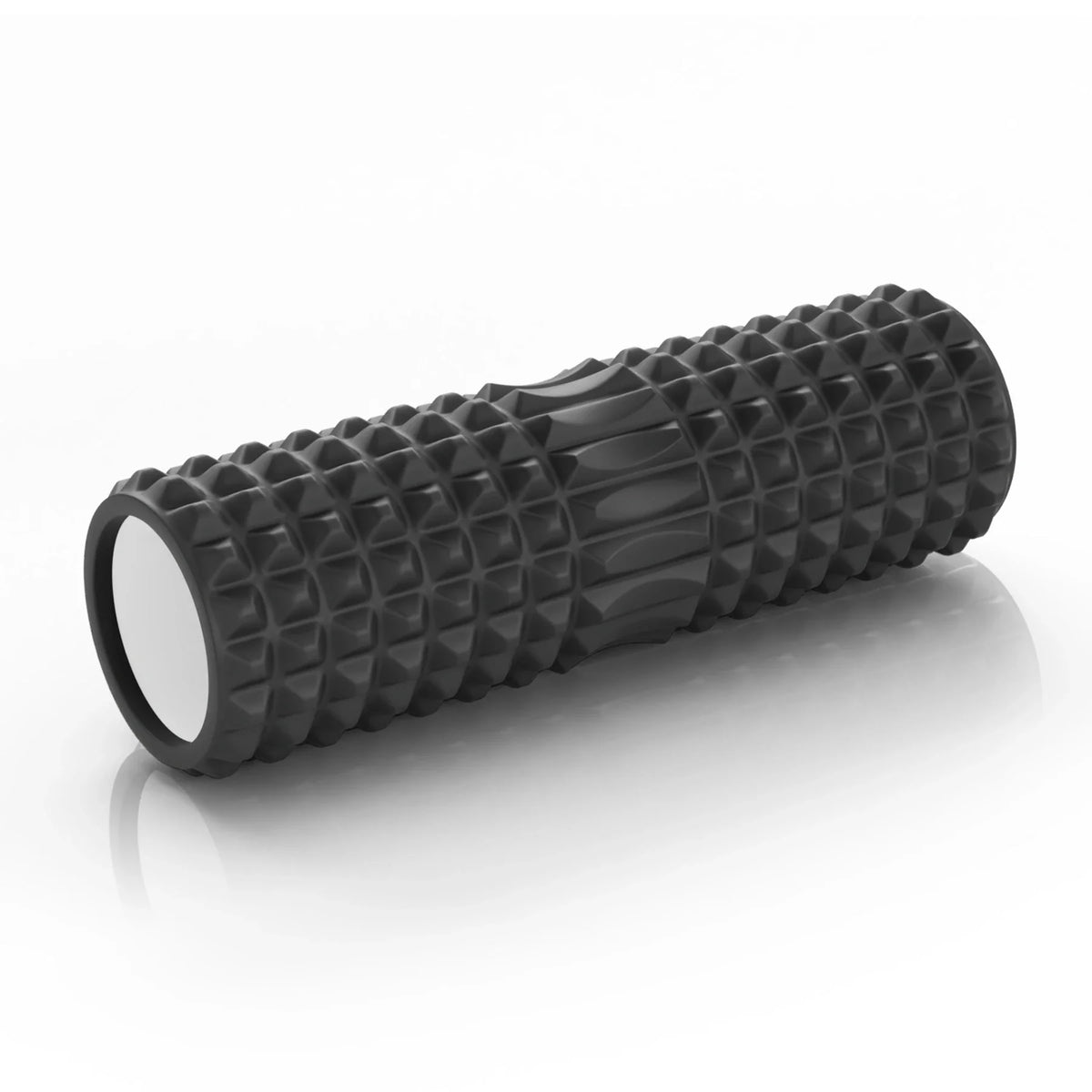
A few minutes of foam rolling after a workout is a popular cool down addition. Roll slowly over the quads, calves, glutes and upper back for 30–60 seconds each, avoiding the lower back and joints. A GXMMAT foam roller fits easily next to your mat.
Cool down routines by workout
| Workout | Cool down focus |
|---|---|
| Running or cardio | Walk 5 min; calves, quads, hamstrings, hip flexors |
| Leg day (squats, deadlifts) | Easy walk; quads, hamstrings, glutes, groin, low back |
| Upper body push (bench, press) | Chest, front shoulders, triceps |
| Upper body pull (rows, pull-ups) | Lats, biceps, upper back |
| HIIT or jump workouts | Gradual step-down in intensity; full-body stretches |
Cool down vs warm up: what's the difference?
| Warm up | Cool down | |
|---|---|---|
| When | Before training | After training |
| Goal | Raise heart rate and temperature, prepare joints | Lower heart rate, relax, stretch |
| Stretch type | Dynamic (leg swings, lunges) | Static holds |
For lifting warm ups, see warm up sets.
Common mistakes
| Mistake | Fix |
|---|---|
| Stopping abruptly after hard cardio | Walk or pedal easily for a few minutes |
| Skipping it entirely | Even 3 minutes of stretching counts |
| Bouncing in stretches | Hold steady and breathe |
| Stretching into pain | Mild tension only |
Who should be careful
- Heart conditions or blood pressure medication: a gradual cool down is especially important; follow your doctor's advice.
- Chest pain, severe dizziness or shortness of breath during or after exercise: stop and get medical help.
Cool down at home
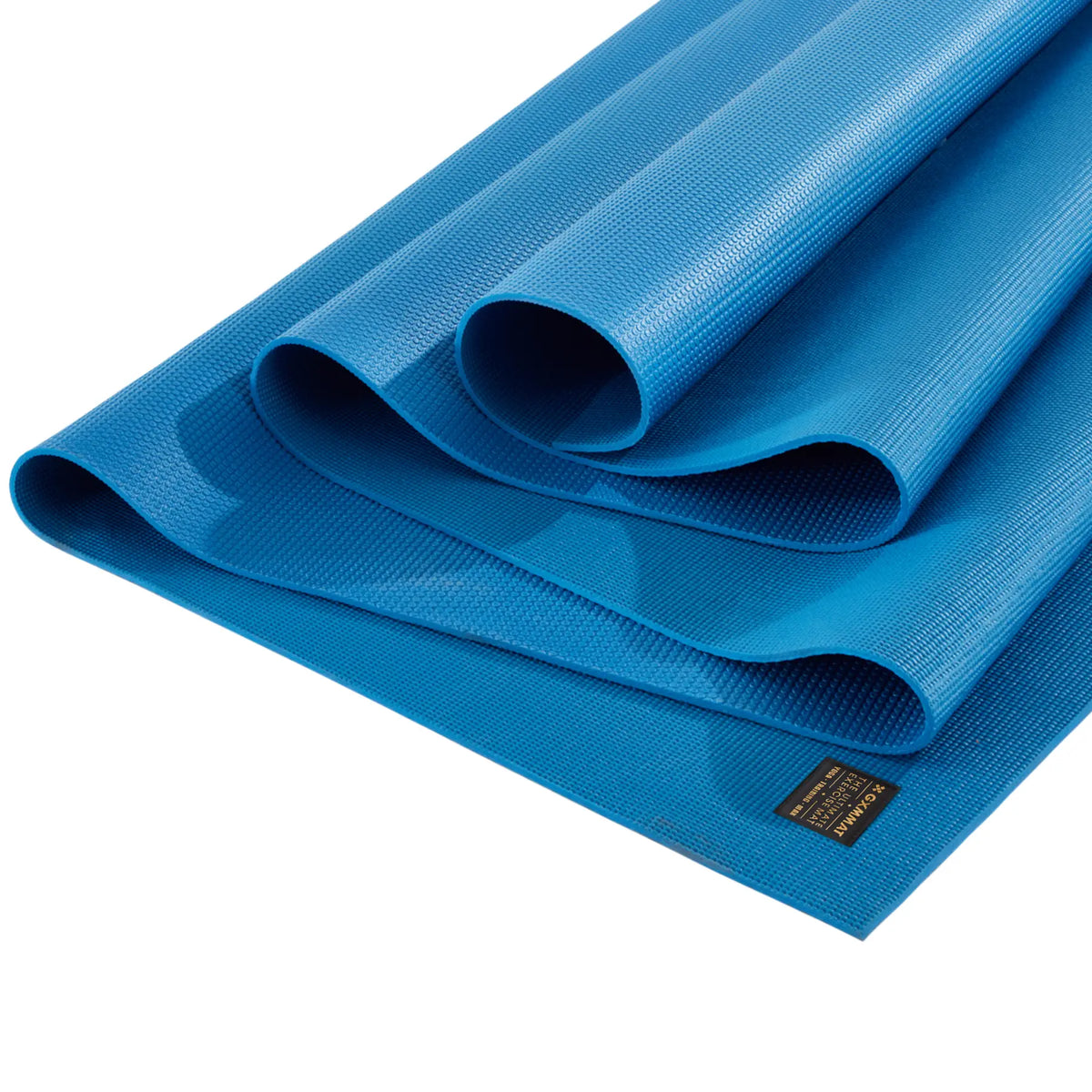
Most cool down stretches happen on the floor, so a comfortable surface makes it more likely you'll actually do them. A GXMMAT large exercise mat under your workout area lets you go straight from training to stretching without moving, and a large yoga mat gives you room to lie fully extended. Add a foam roller or massage roller stick for a few minutes of rolling; see how to foam roll.
FAQ
How long should a cool down be?
5–10 minutes is enough for most workouts: a few minutes of easy movement and a few minutes of stretching.
What are the best cool down exercises?
Easy walking or cycling, followed by static stretches for the quads, hamstrings, hip flexors, calves, chest and shoulders.
Is a cool down necessary?
It's not essential for every session, but it's especially helpful after hard cardio and a good time to stretch.
Does cooling down prevent soreness?
Evidence suggests the effect on soreness is small. It's still useful for gradual recovery and flexibility.
Should I stretch before or after a workout?
Do dynamic stretches before and static stretches after, as part of your cool down.
Written by Yuvien Royer for GXMMAT. This article is general fitness information, not medical advice.