How to Foam Roll: A 10-Minute Full-Body Routine for Beginners
Quick answer: To foam roll, place the roller under a muscle, support yourself with your hands or other leg, and roll slowly (about an inch per second) for 30–90 seconds per muscle, pausing for 10–20 seconds on tight spots. Keep the pressure at a "good discomfort" level, around 5–7 out of 10, and avoid rolling directly on joints, bones or your lower back. A full-body routine takes about 10 minutes. Use it before workouts as part of your warm-up, or afterward and on rest days to help muscles feel looser.
Key takeaways
- Slow beats fast: rolling quickly does little.
- 30–90 seconds per area is enough.
- Don't roll the lower back or directly over joints.
- Breathe and relax; tensing up makes it more painful.
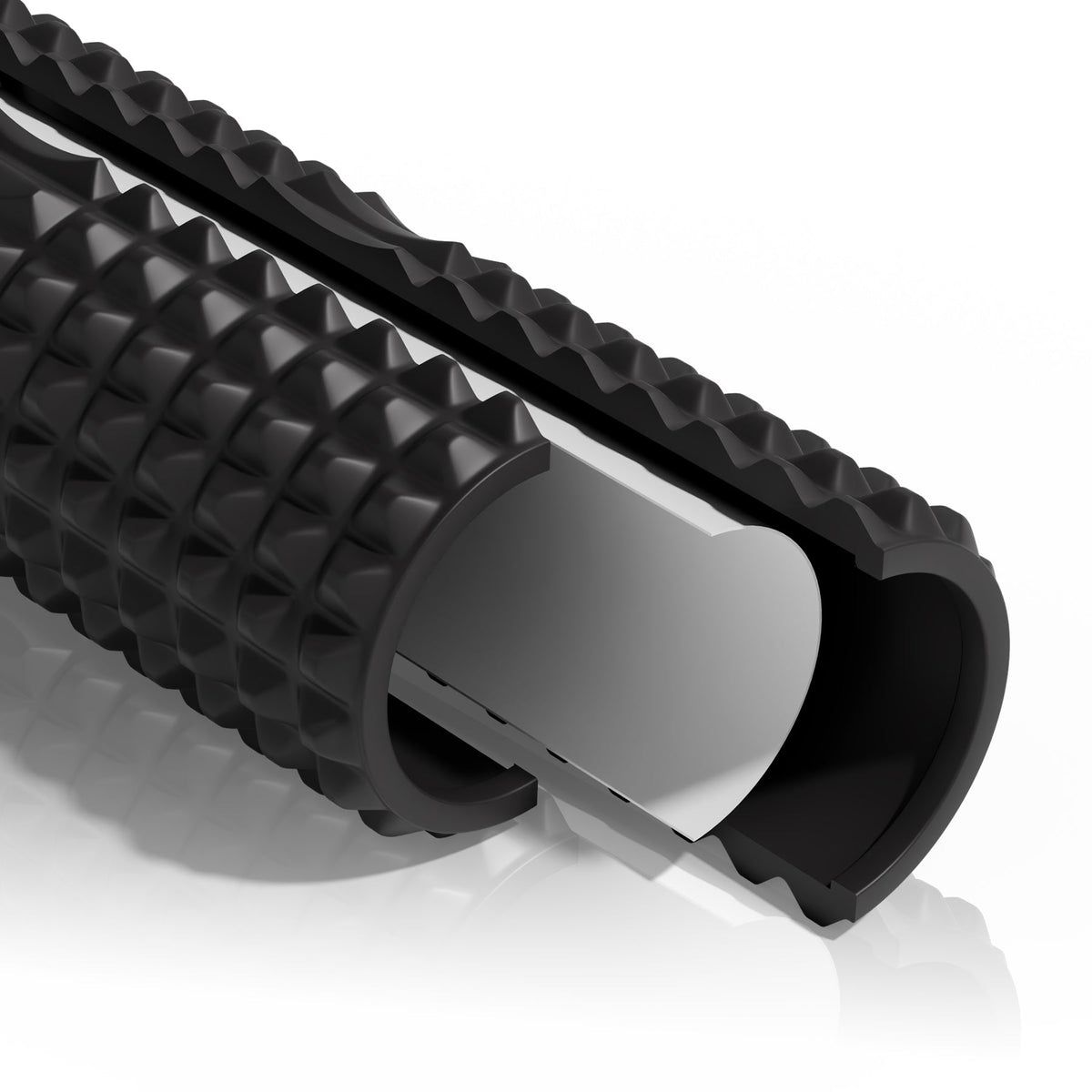
- Pick the right roller: softer and smoother for beginners, textured for deeper pressure.
Benefits of foam rolling
- Feels less tight before and after training.
- Short-term range-of-motion boost that makes warm-ups more effective.
- Can ease the feeling of soreness after hard workouts. See our DOMS guide.
- Relaxing on rest days and after long periods of sitting.
How to foam roll: basic technique
- Position the roller under the target muscle.
- Support your weight with your hands, forearms or other leg to control pressure.
- Roll slowly along the length of the muscle, about one inch per second.
- Pause on a tight spot for 10–20 seconds and breathe.
- Optional: while paused, slowly bend and straighten the nearby joint.
- Move on after 30–90 seconds.
10-minute full-body foam rolling routine
| Area | Position | Time |
|---|---|---|
| Calves | Sit with the roller under your calves, hands behind you; cross one leg over for more pressure | 45 sec per leg |
| Hamstrings | Sit with the roller under your thighs; roll from knee to glute | 45 sec per leg |
| Glutes | Sit on the roller, cross one ankle over the opposite knee, lean into that side | 45 sec per side |
| Quads | Face down on your forearms, roller under the front of your thighs | 60 sec |
| Outer thigh / IT band area | Side-lying, top leg crossed in front for support; go gently | 30 sec per side |
| Adductors (inner thigh) | Face down, one knee out to the side, roller under the inner thigh | 30 sec per side |
| Upper back | Lie on the roller across your shoulder blades, hands behind head, hips down or lifted | 60 sec |
| Lats | Side-lying, arm overhead, roller under your armpit area | 30 sec per side |
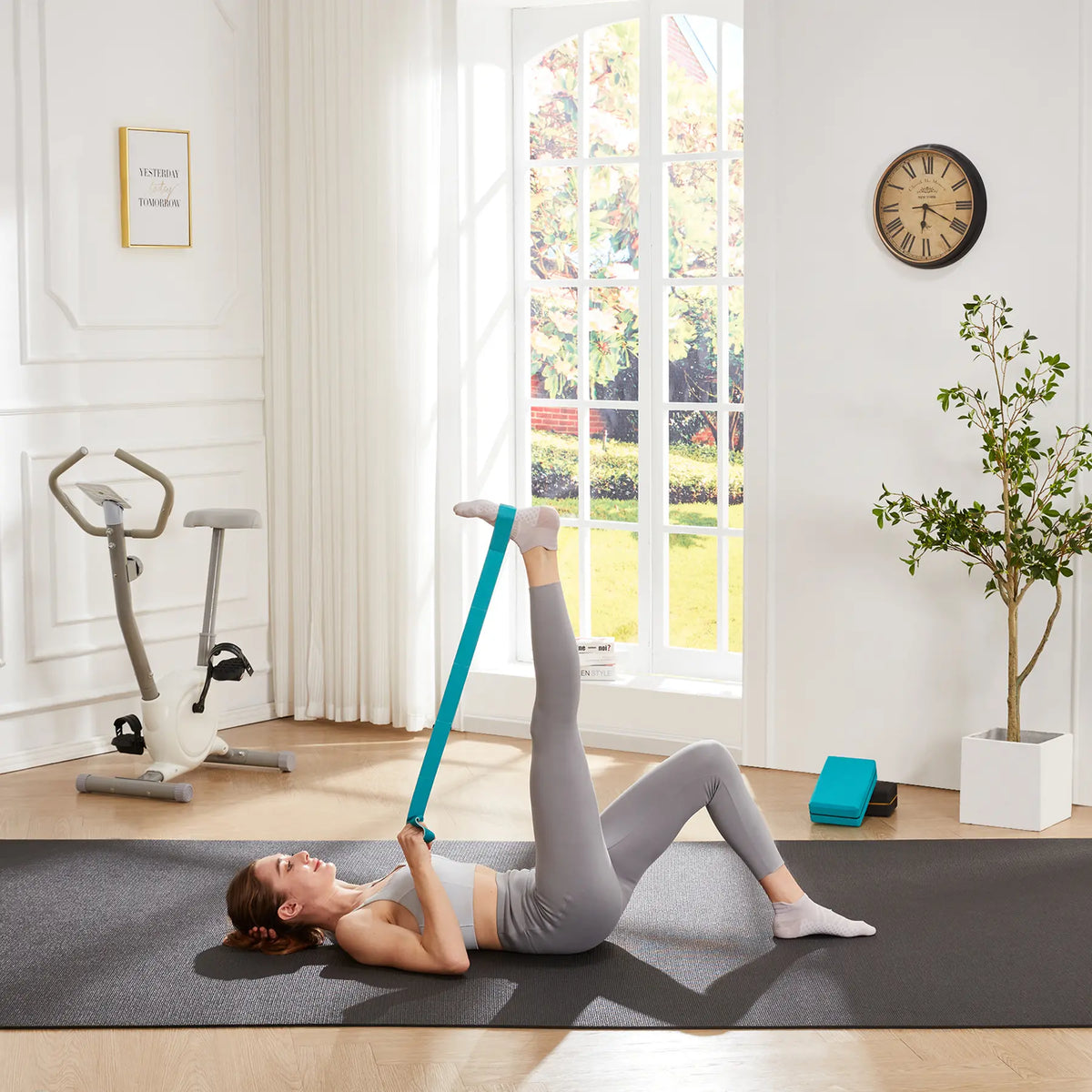
Do the routine on a large exercise mat or yoga mat so you have room to move and the roller doesn't slide.
Where not to foam roll
- Lower back: the spine isn't protected by ribs there. Use stretches or a massage stick on the muscles around it instead.
- Directly on joints: knees, elbows, hips.
- Neck: use gentle hand pressure or stretching.
- Injuries, bruises, swelling or varicose veins.
- If you have a medical condition such as a clotting disorder or osteoporosis, ask a doctor first.
When to foam roll
| Timing | How |
|---|---|
| Before a workout | Quick 20–30 second passes on the muscles you'll train, then a dynamic warm-up |
| After a workout | Slower rolling, 45–90 seconds per area |
| Rest days | The full 10-minute routine with light stretching |
| After sitting or travel | Upper back, hips and calves |
Which foam roller should you use?
| Roller | Best for | Price |
|---|---|---|
| 13" Solid Grid (blue) | Portable; calves, forearms, targeted spots | $59.99 |
| 13" Hollow Crescent (orange also available) | Travel, firmer feel | $54.99 |
| 17.7" Solid Crescent (pink) | All-round home use | $74.99 |
| 17.3" Hollow Crescent (black) / 17.7" (orange) | All-round, firmer | $69.99 |
| 24" Solid Grid (pink) | Upper back, both legs at once, core work | $89.99 |
More detail in our foam roller buying guide. Prefer something you can use standing or seated? Try a massage roller stick (how to use one).
Beginner tips
- Start with less pressure: more support from your hands and other leg.
- Choose a solid, less textured roller if rolling feels too intense.
- Pain should never be sharp. Back off if it is.
- Pair rolling with movement: follow up with stretches or upper back mobility drills.
FAQ
How long should you foam roll each muscle?
About 30–90 seconds, rolling slowly and pausing on tight spots for 10–20 seconds.
Should you foam roll before or after a workout?
Both work. Use short passes before as part of a warm-up and slower rolling after or on rest days.
Is it bad to foam roll your lower back?
It's best to avoid rolling directly on the lower back. Roll the upper back, glutes and hips instead.
How often should you foam roll?
Daily is fine for most people if it feels good. Even 5–10 minutes a few times a week helps.
Why does foam rolling hurt?
Tight or sore muscles are sensitive to pressure. Reduce pressure, roll slower and breathe. It should feel uncomfortable but never sharp.
Written by Yuvien Royer for GXMMAT. This article is general fitness information, not medical advice.