Should You Work Out When Sick? The Neck Check Rule Explained
Quick answer: A common rule of thumb is the "neck check." If your symptoms are only above the neck (runny or stuffy nose, sneezing, mild sore throat), light to moderate exercise, like walking, easy cycling or gentle yoga, is usually fine if you feel up to it. If you have symptoms below the neck (chest congestion, coughing, body aches, nausea, diarrhea) or any fever, rest instead. When you're better, return gradually: start at about 50% of your usual workout and build back up over several days.
Key takeaways
- Above the neck, mild symptoms: light exercise may be OK.
- Below the neck or fever: skip workouts and rest.
- Go easier than usual; this isn't the time for personal records.
- Training at home keeps germs away from other people.
- Return slowly, and see a doctor if symptoms are severe or don't improve.
Should you work out when sick? Quick guide
| Symptom | Exercise? | What to do |
|---|---|---|
| Runny or stuffy nose, sneezing | Usually OK, lightly | Walk, easy bike, stretching; reduce intensity |
| Mild sore throat | Usually OK, lightly | Stay hydrated; stop if you feel worse |
| Mild headache | Maybe | Gentle movement only; rest if it worsens |
| Fever or chills | No | Rest until fever-free |
| Chest congestion, persistent cough | No | Rest; see a doctor if breathing is difficult |
| Body aches, fatigue | No | Rest and sleep |
| Vomiting or diarrhea | No | Rest and rehydrate |
Why you shouldn't train hard with a fever
A fever means your body is fighting an infection. Exercising hard raises your body temperature further, increases dehydration and can make you feel much worse. Doctors generally advise against strenuous exercise during a fever or a whole-body viral illness. Rest is part of getting better.
Best light workouts when you have a cold
| Activity | Time | Notes |
|---|---|---|
| Easy walking | 15–30 minutes | Indoors or outside if the weather is mild |
| Gentle stretching or mobility | 10–20 minutes | Hips, back, shoulders |
| Restorative yoga | 15–20 minutes | Slow poses, easy breathing |
| Easy stationary bike | 15–20 minutes | Conversation pace |
| Light strength work | 15–20 minutes | Fewer sets, lighter weights, stop well short of failure |
Keep effort around 3–5 out of 10. Many people find somatic exercises or gentle mat Pilates feel good while recovering.
Gentle 15-minute recovery routine
- Cat-cow: 1 minute
- Child's pose with slow breathing: 1 minute
- Glute bridges: 2 × 10
- Bird dogs: 2 × 6 per side
- Hip flexor stretch: 45 seconds per side
- Thread-the-needle: 45 seconds per side
- Easy marching in place: 2 minutes
- Lying spinal twist: 1 minute per side
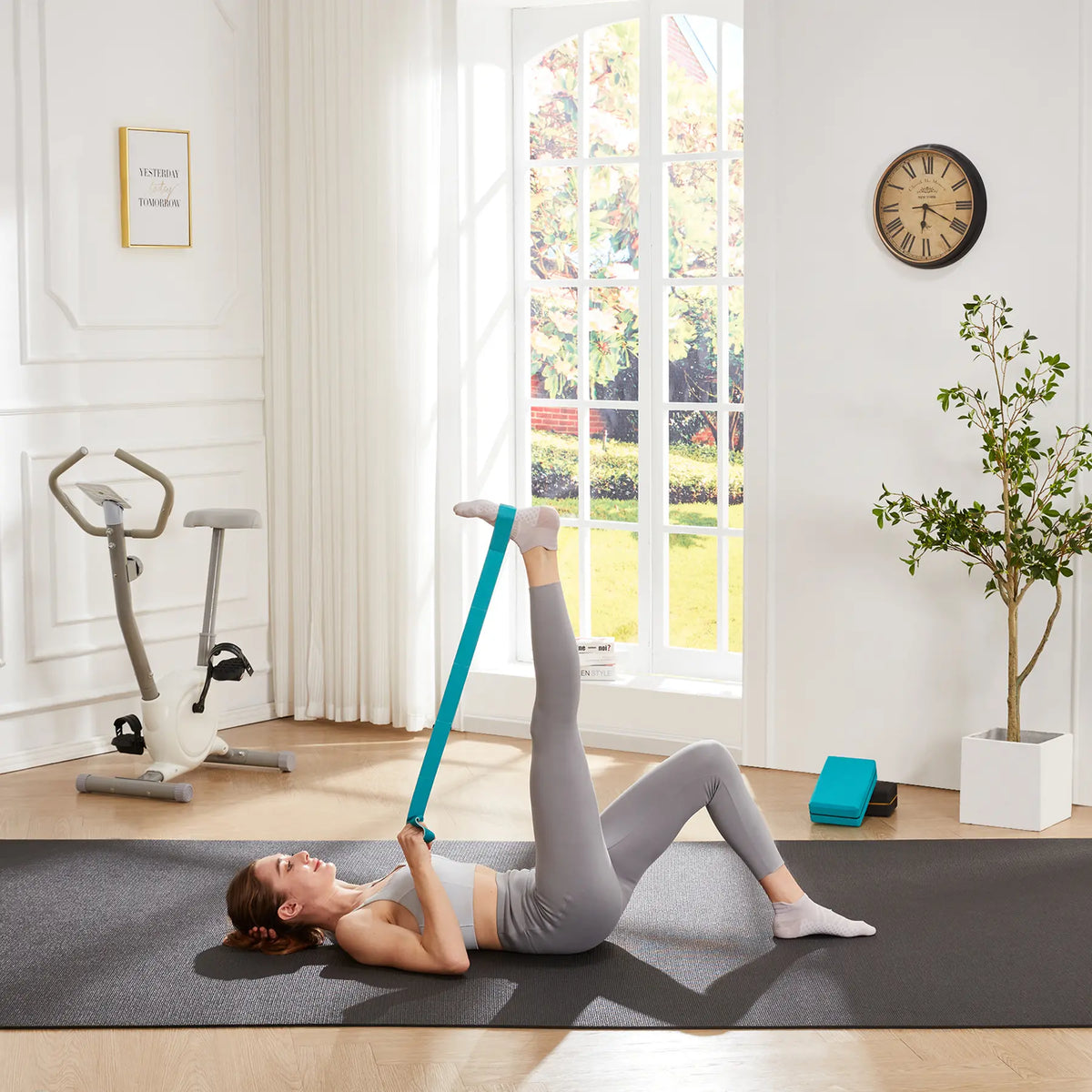
Do it on a soft, clean surface. A GXMMAT yoga mat or large exercise mat gives you room to stretch out. If your muscles feel stiff after a few days in bed, a massage roller stick can help them feel looser (how to use one).
How to return to training after being sick
| Day after symptoms clear | Workout |
|---|---|
| Days 1–2 | Walking, mobility, about 50% of usual volume |
| Days 3–4 | Light strength training, about 60–70% of usual weights and sets |
| Days 5–7 | Build toward normal training if you feel good |
| After about a week | Back to your regular program |
Treat the first week back like a deload week. Longer or more serious illnesses need a slower return; follow your doctor's advice. Don't worry about losing progress: a week or two off has little lasting effect on strength.
Gym etiquette: protect others
- Stay home from shared gyms when you're contagious.
- Wipe down equipment after use; see our winter home gym guide for keeping your space comfortable in cold months.
- Wash your hands and keep your own water bottle and towel.
A home gym makes cold and flu season easier: you can do a gentle session when you feel up to it without exposing anyone else. Starting one? See our home gym packages guide.
Tips to stay healthy through winter
- Sleep 7–9 hours; poor sleep makes it easier to catch colds.
- Keep exercising regularly at moderate intensity.
- Eat enough protein, fruits and vegetables.
- Manage training load; constant exhaustion isn't good for recovery.
- Stay active indoors when it's cold. Ideas: cozy cardio and workouts for the winter blues.
When to see a doctor
- Fever above about 103°F (39.4°C), or a fever lasting more than a few days.
- Chest pain, shortness of breath or a racing heart.
- Symptoms that get worse or don't improve after about 10 days.
- Dizziness or fainting, especially during or after exercise.
- Any symptoms that worry you, or if you have a heart or lung condition.
FAQ
Should I work out with a cold?
If your symptoms are mild and above the neck, light exercise like walking or gentle yoga is usually fine. Skip intense workouts and rest if you feel worse.
Can you sweat out a cold?
No. Exercise won't cure a cold, and hard workouts can make you feel worse. Light movement may help you feel a bit better.
Should I work out with a fever?
No. Rest until you've been fever-free, then return gradually.
How long should I wait to work out after being sick?
For a mild cold, you can often resume light exercise once you feel better. After a fever or flu, wait until symptoms have cleared and ease back in over about a week.
Will I lose muscle if I skip the gym while sick?
A week or two off has little lasting effect. Most people regain any lost performance quickly.
Written by Yuvien Royer for GXMMAT. This article is general information, not medical advice. Contact a healthcare professional for diagnosis and treatment, and seek urgent care for chest pain or trouble breathing.