Piriformis Stretch: 6 Ways to Stretch a Tight Piriformis
Quick answer: The most common piriformis stretch is the supine figure-4 stretch: lie on your back with both knees bent, cross your right ankle over your left knee, then pull your left thigh toward your chest until you feel a stretch deep in the right buttock. Keep your head and lower back on the floor. Hold 30–60 seconds, then switch sides. Other options include the seated figure-4, the cross-body knee pull, pigeon pose and the standing figure-4. The piriformis is a small muscle deep in the glutes that rotates the hip; stretching it can ease tightness in the buttock and hip.
Key takeaways
- Figure-4 is the go-to piriformis stretch.
- Feel it deep in the glute, not in the knee.
- Hold 30–60 seconds per side, 2–3 times.
- Gentle pressure: no forcing.
- Persistent buttock pain or leg symptoms should be assessed by a professional.
What is the piriformis muscle?
The piriformis muscle is a small, pear-shaped muscle deep under the gluteus maximus. It runs from the base of the spine (sacrum) to the top of the thigh bone (femur) and helps rotate the hip outward and stabilize the pelvis during walking and running. Long periods of sitting, running and weak glutes can leave the piriformis muscle feeling tight. The sciatic nerve runs right next to it, which is why tightness here is often discussed alongside sciatica.
Piriformis syndrome, sciatic nerve pain and sciatica pain
Piriformis syndrome is a term for buttock pain thought to come from the piriformis muscle irritating the sciatic nerve. People describe a dull ache deep in the buttock, discomfort that gets worse after sitting, and sometimes tingling or nerve pain down the back of the affected leg. The same symptoms can also come from the lower back, such as a disc problem or spinal stenosis, so piriformis syndrome is hard to identify on your own and not every case of sciatica pain will respond to stretching.
If you have worsening pain, numbness, leg weakness, or symptoms that last more than a few weeks, see a doctor or physical therapist. Physical therapy for piriformis syndrome often combines gentle stretching, glute strengthening and changes to sitting habits.
6 piriformis stretches
1. Supine piriformis stretch (figure-4)
- Lie on your back, knees bent, feet flat.
- Cross the right ankle over the left knee.
- Thread your hands behind the left thigh and gently pull it toward your chest.
- Breathe slowly and let the right hip relax. Hold 30–60 seconds; switch to the other leg.
2. Seated figure-4
Sit tall on a chair or the floor, cross one ankle over the opposite knee and hinge forward with a straight back. Great at a desk.
3. Cross-body knee pull
Lie on your back with legs straight. Pull the right knee toward the left shoulder with both hands. Hold 30 seconds.
4. Pigeon pose
A classic yoga pose for the hip. From a plank, bring the right knee behind the right wrist, shin angled across the mat, and extend the left leg back. Use a cushion under the right hip if needed. A deeper option for flexible hips; see hip flexor stretches for a full pigeon description.
5. Standing piriformis stretch (figure-4)
Stand on one leg, cross the other ankle over the standing knee and sit back like a chair. Hold a wall or rack upright for balance.
6. 90 90 stretch
Seated with both knees at 90 degrees, lean over the front shin to stretch the hip rotators. See the 90 90 hip stretch.
Routine for piriformis tightness (6 minutes)
Many people find this short routine brings relief from hip tension after long periods of sitting. Move slowly between positions.
| Stretch | Time |
|---|---|
| Cross-body knee pull | 30 sec per side |
| Supine figure-4 | 45 sec per side × 2 |
| 90 90 stretch | 45 sec per side |
| Supine spinal twist | 30 sec per side |
Strengthen the glutes too
Weak glutes can make the smaller hip muscles overwork. Add glute strength 2–3 times a week:
- Bridges and hip thrusts.
- Fire hydrants and donkey kicks.
- Curtsy lunges for the side glutes.
Common mistakes
| Mistake | Fix |
|---|---|
| Feeling it in the knee | Flex the crossed foot; reduce the pull |
| Lifting the head and shoulders | Use a strap or towel behind the thigh |
| Rounding the back in the seated version | Hinge from the hips |
| Stretching into sharp or radiating pain | A stretch can feel mildly uncomfortable but should never be painful; stop and get it checked |
Who should be careful
- Sciatica-like symptoms (pain, tingling or numbness down the leg): get a diagnosis before stretching.
- Hip replacement: crossing the legs may be restricted; follow your surgeon's guidance.
- Knee pain: use the cross-body knee pull instead of figure-4.
Stretching at home
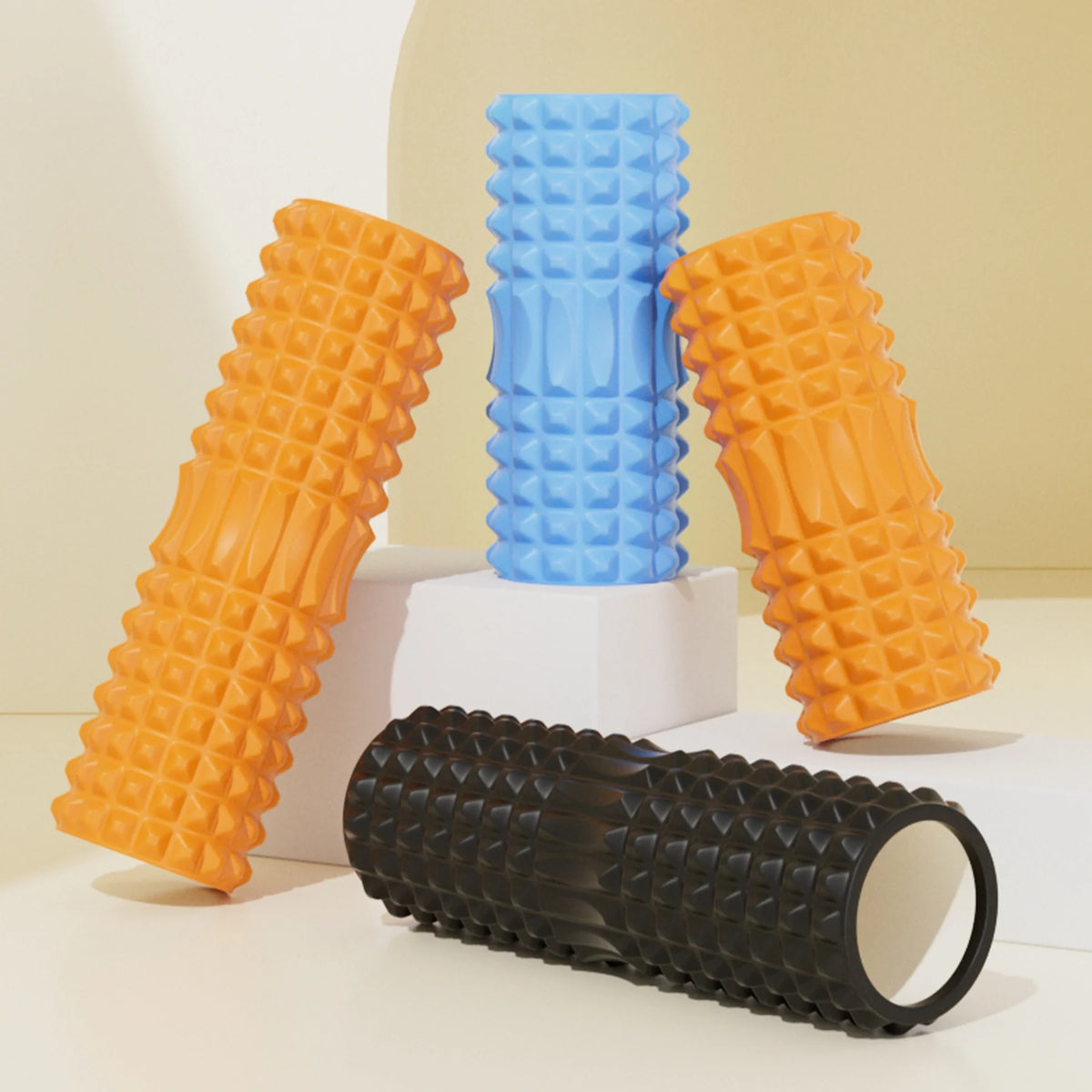
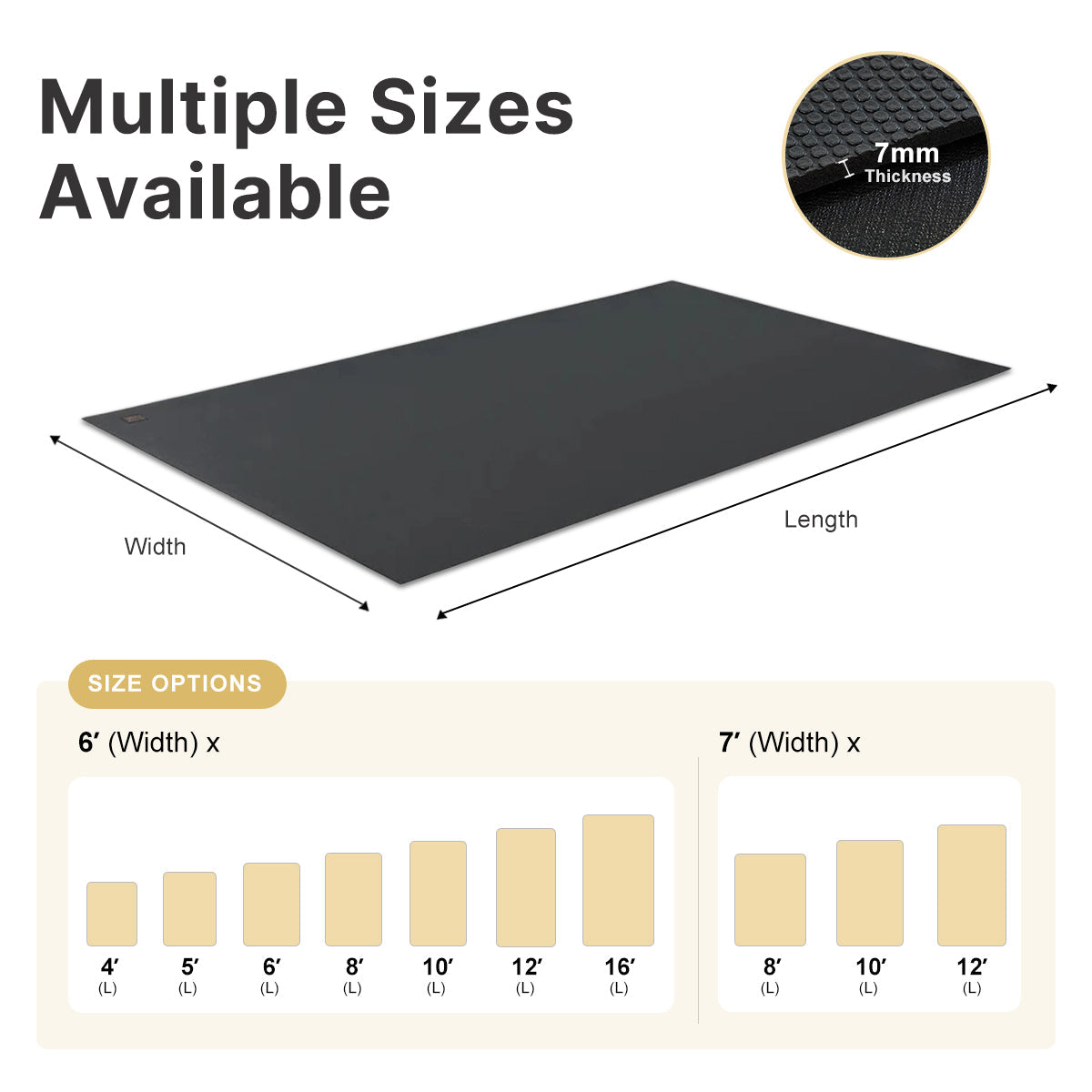
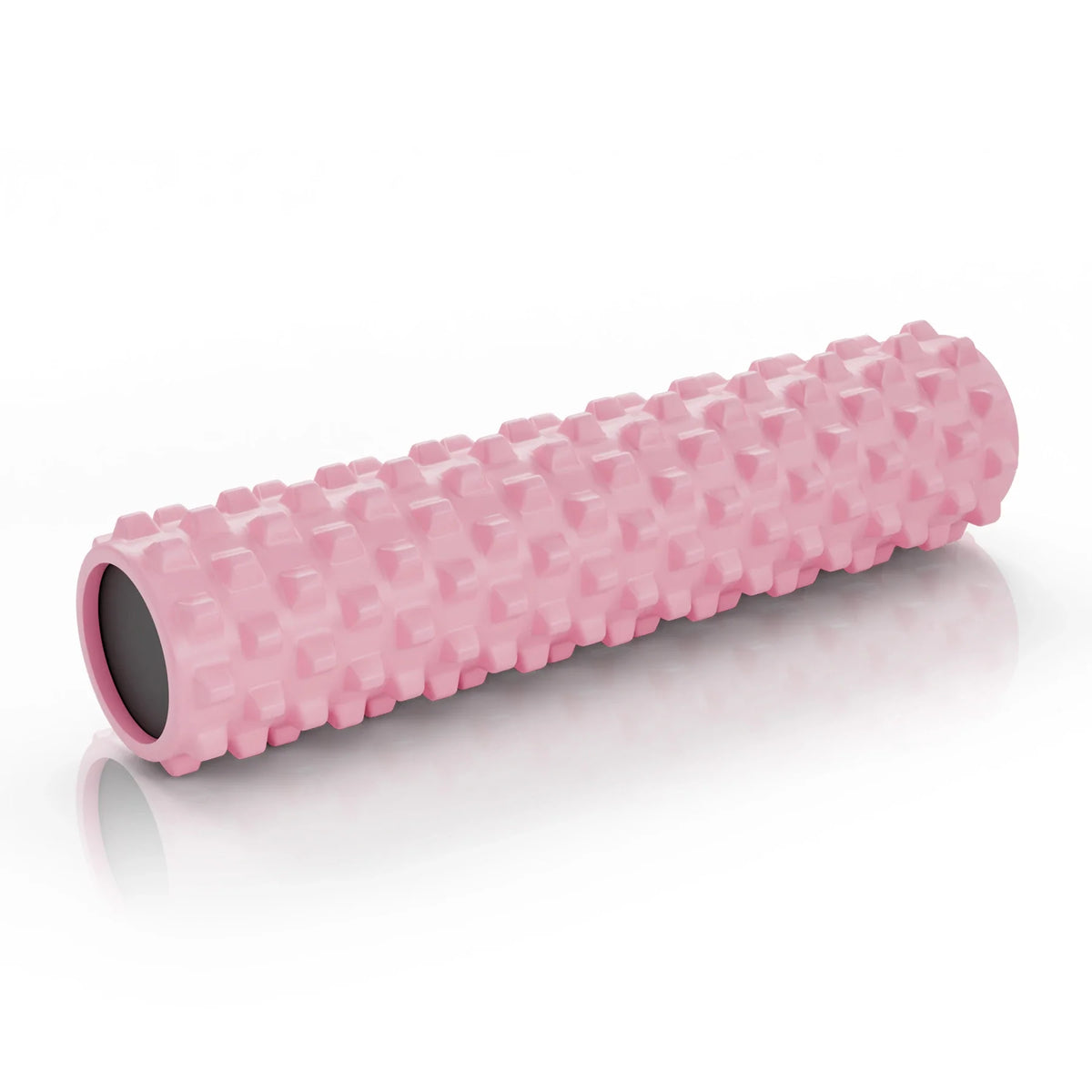
Most piriformis stretches are done lying on your back or seated on the floor. A cushioned GXMMAT large yoga mat or large exercise mat supports your back and hips, and it's big enough for pigeon pose and a full stretching routine. A massage roller stick or foam roller can also help release the glutes.
FAQ
What is the best piriformis stretch?
The supine figure-4 stretch is the most commonly recommended because it's easy to control.
How long should I hold a piriformis stretch?
30–60 seconds per side, 2–3 times.
How often should I stretch my piriformis?
Daily or most days, especially after sitting or running.
Can piriformis stretches help sciatica?
For some people with buttock tightness, gentle stretching helps, but leg pain has many causes. See a healthcare provider for a diagnosis.
Where should I feel a piriformis stretch?
Deep in the buttock of the crossed leg, not in the knee.
Written by Yuvien Royer for GXMMAT. This article is general fitness information, not medical advice.