Best Exercises for Pickleball: Strength Training to Play Better
Quick answer: The best exercises for pickleball build quick footwork, stable knees and ankles, rotational power and resilient shoulders and elbows. Focus on lateral lunges, split squats, calf raises, lateral shuffles, cable or band rotations, rows, and forearm and rotator cuff work. Two 30-minute strength sessions a week, plus a 5–10 minute dynamic warm-up before every game, can help you move better on court and lower your risk of common overuse aches.
Key takeaways
- Pickleball is a side-to-side sport: train lateral movement.
- Strong legs and calves help with quick stops and starts.
- Rotational core strength powers drives and dinks.
- Shoulders, elbows and forearms need extra care for repetitive swings.
- Warm up before you play, every time.
Why strength training helps pickleball players
- Faster reactions: stronger legs help you move to the ball sooner.
- Better balance when lunging and reaching at the kitchen line.
- More power on drives and overheads from the hips and core.
- Joint resilience: strong muscles support knees, ankles, shoulders and elbows.
- Longevity: stay on court for years, especially as you get older. See strength training for menopause.
Dynamic warm-up before playing (5–10 minutes)
- Easy jog or march in place: 1 minute
- Leg swings (front-back and side-side): 10 each
- Lateral shuffles: 2 × 20 feet each way
- Walking lunges with a twist: 8 per side
- Arm circles and shoulder pass-throughs: 10 each
- Wrist circles and forearm stretches: 30 seconds
- Split-step practice and quick feet: 3 × 10 seconds
10 best exercises for pickleball
| Exercise | Why it helps | Sets × reps |
|---|---|---|
| Lateral lunge | Side-to-side strength and hip mobility | 3 × 8 per side |
| Split squat | Single-leg strength for lunging shots | 3 × 8 per side |
| Goblet squat | Leg strength and ready position | 3 × 10 |
| Single-leg Romanian deadlift | Balance, hamstrings, glutes | 3 × 8 per side |
| Calf raises | Quick push-offs, Achilles resilience | 3 × 15 |
| Lateral shuffle or skater hops | Court footwork and reactive power | 3 × 20 seconds |
| Cable or band woodchop | Rotational power for drives | 3 × 8 per side |
| Pallof press | Core stability | 3 × 10 per side |
| Seated cable row or band row | Upper back and shoulder balance | 3 × 12 |
| External rotation (cable or band) | Rotator cuff health | 2 × 15 per side |
Cable guides: Pallof press and woodchops and seated cable rows.
Protect your elbows and wrists
Repetitive swings can irritate the forearm tendons. Add these 2–3 times a week:
- Wrist curls and reverse wrist curls: 2 × 15 with a light weight.
- Slow wrist extension lowering (lift with both hands, lower with one): 2 × 12.
- Grip work: farmer's carries, 3 × 30 seconds.
Persistent elbow pain? Rest from playing and see a healthcare professional.
2-day pickleball strength plan
| Day A: legs and power | Day B: upper body and core |
|---|---|
| Goblet squat 3 × 10 | Seated cable row 3 × 12 |
| Lateral lunge 3 × 8 per side | Push-ups or bench press 3 × 8–10 |
| Single-leg RDL 3 × 8 per side | Woodchop 3 × 8 per side |
| Calf raises 3 × 15 | Pallof press 3 × 10 per side |
| Skater hops 3 × 20 sec | External rotation 2 × 15; wrist curls 2 × 15 |
Do strength work on non-playing days or after play, not right before a match. New to jumps? See plyometrics for beginners.
Recovery for pickleball players
- Roll calves, quads and upper back after playing. See how to foam roll.
- Mobilize your upper back for better rotation: thoracic mobility exercises.
- Watch your shins when playing more often: shin splints guide.
- Sleep and hydrate, especially after tournament days.
Equipment for training at home
- Soft kettlebells for goblet squats, RDLs and carries: GXMMAT soft kettlebells (10–25 lb).
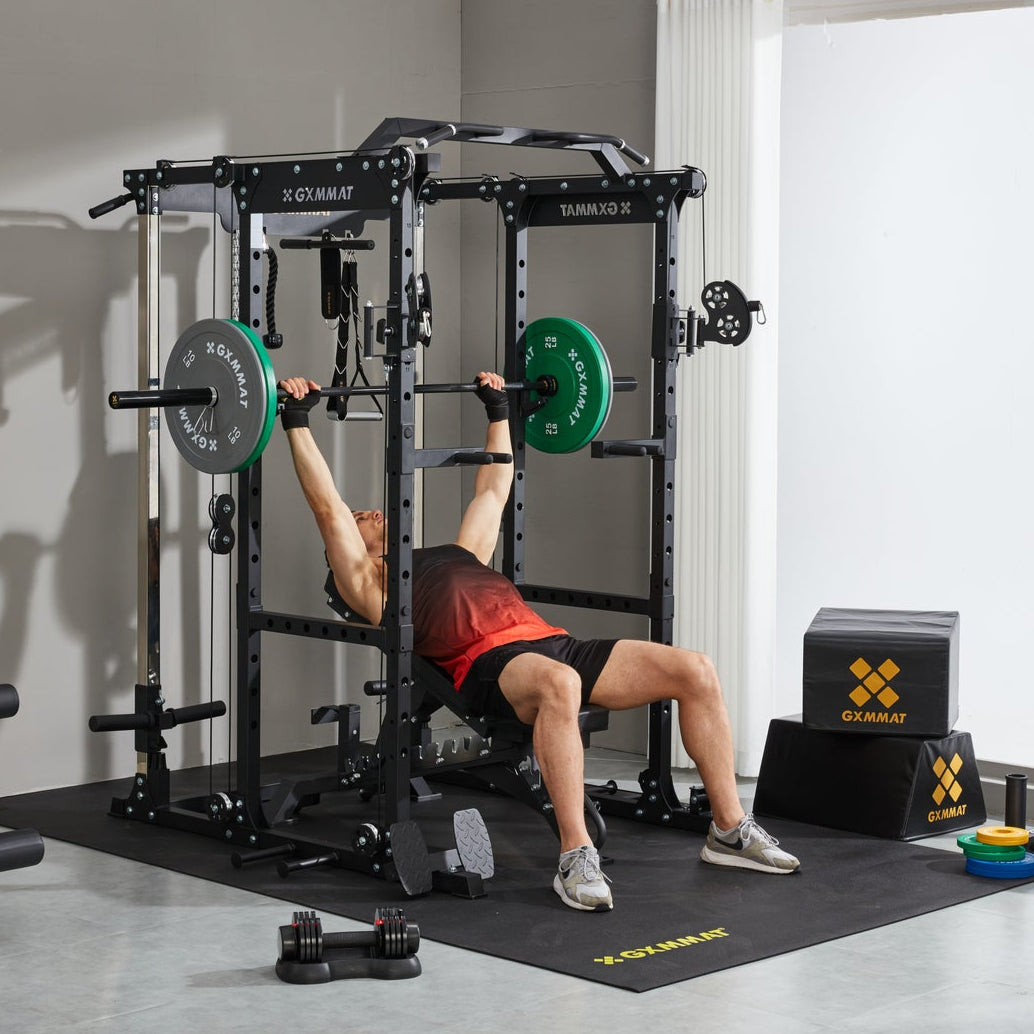
- A cable rack for rows, woodchops, Pallof presses and external rotations: V6 (2:1, great for light shoulder work) or X6.
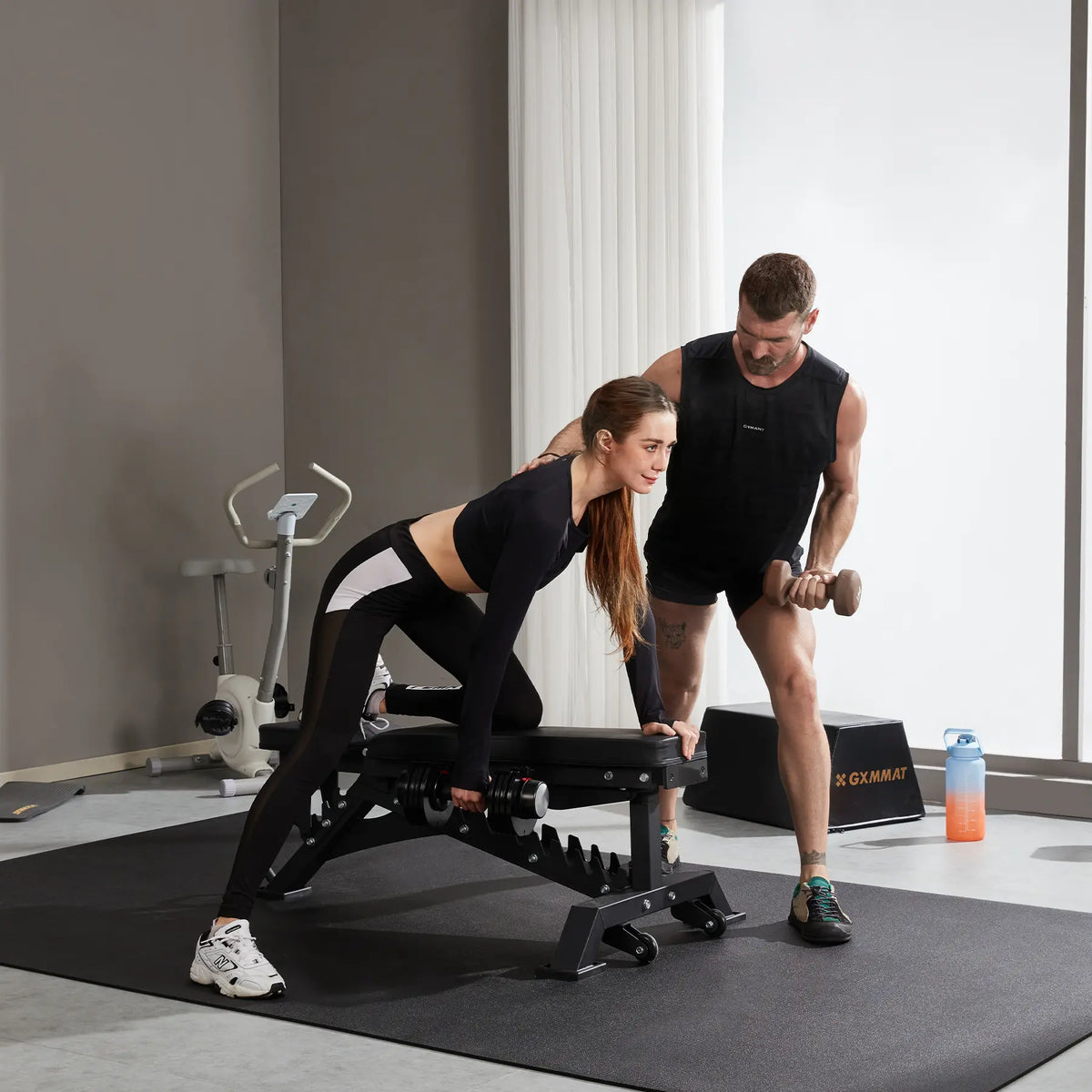
- A large mat for footwork drills and floor work: large exercise mats.
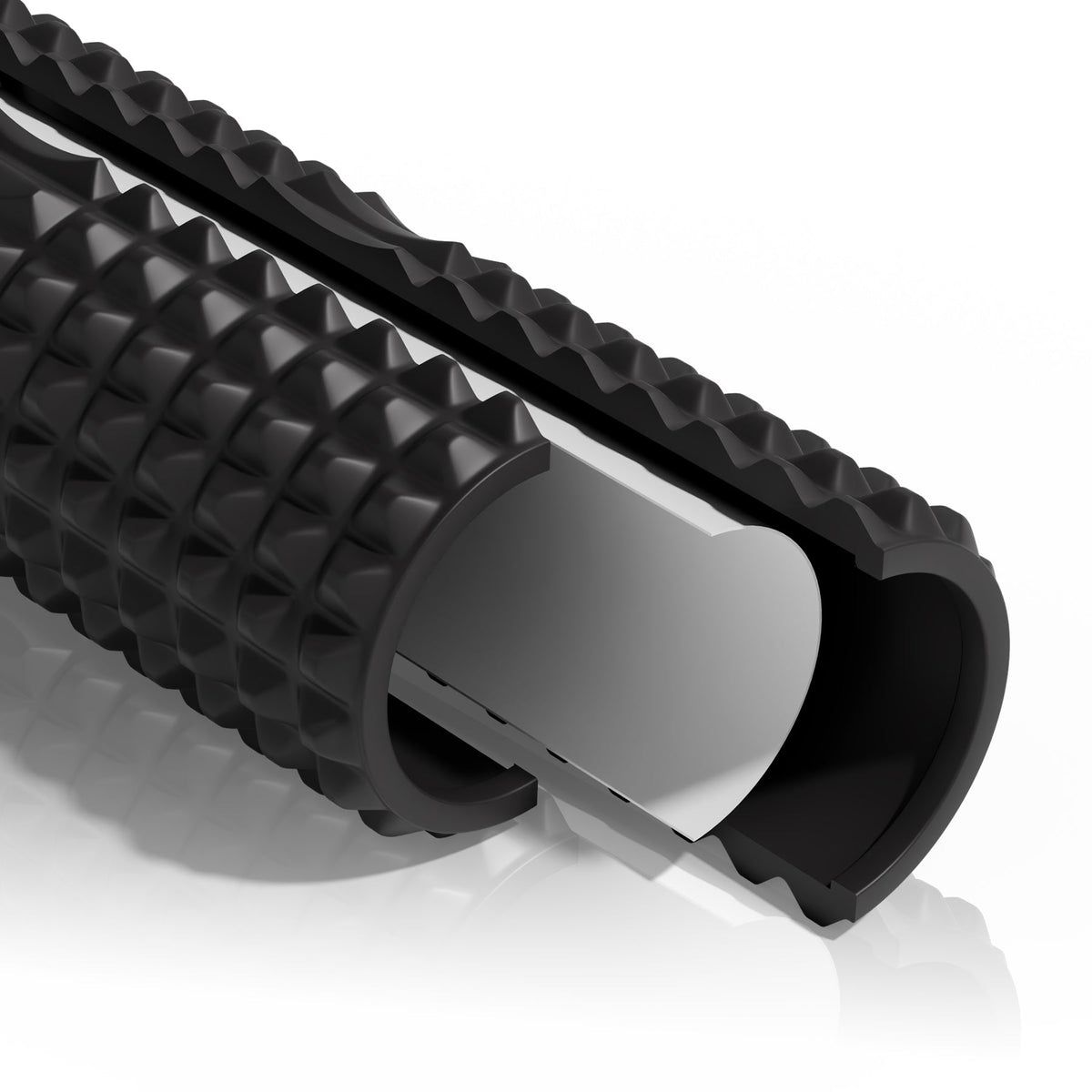
- Recovery tools: a foam roller and massage stick.
FAQ
What muscles does pickleball use?
Legs (quads, glutes, calves) for movement, the core for rotation and balance, and the shoulders, forearms and wrists for swinging.
How can I get better at pickleball off the court?
Strength train twice a week with a focus on lateral leg strength, rotation and shoulder health, and warm up before every session.
What exercises help prevent pickleball injuries?
Calf raises, lateral lunges, balance work, rotator cuff exercises and forearm strengthening, plus a proper dynamic warm-up.
Is pickleball good exercise?
Yes. It's a social, moderate-intensity activity that improves fitness, balance and coordination. Strength training makes it even more beneficial.
How often should pickleball players strength train?
Two sessions a week of about 30 minutes is enough for most recreational players.
Written by Yuvien Royer for GXMMAT. This article is general fitness information, not medical advice. See a healthcare professional for persistent joint pain.