Strength Training for Menopause: Why Lift Heavy and a 3-Day Plan
Quick answer: Strength training is one of the best things you can do during perimenopause and menopause. Falling estrogen speeds up loss of bone and muscle, and lifting weights is one of the most effective ways to slow it. Aim for 2–3 full-body sessions a week built on squats, hinges, presses and rows, and gradually progress to heavier weights (around 6–10 reps per set). Research such as the LIFTMOR trial shows that supervised heavy lifting can improve bone density in postmenopausal women.
Key takeaways
- Lift, and lift progressively heavier. Light weights for high reps aren't enough to challenge bone.
- 2–3 sessions a week of about 30–45 minutes is enough.
- Focus on big movements: squat, deadlift or hip hinge, press, row, carry.
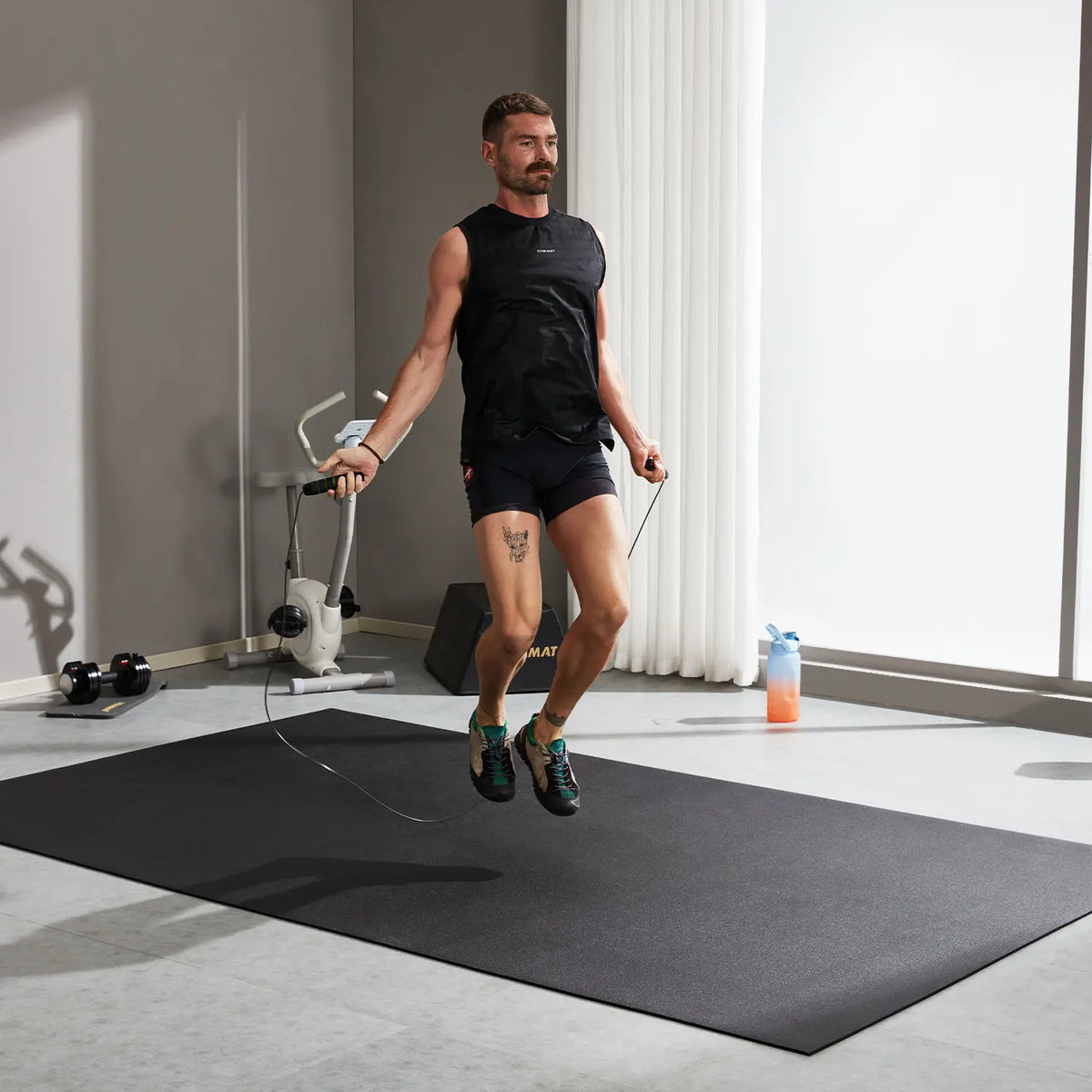
- Add some impact if your bones allow it: jumps or step-downs, with medical clearance.
- Get personalized advice if you have osteoporosis or a history of fractures.
Why menopause changes your training
Estrogen helps maintain bone and muscle. As it declines through perimenopause and after menopause, bone loss accelerates and muscle mass tends to drop, which raises the risk of osteoporosis, fractures and weaker everyday strength. Many women also notice changes in body composition, joint aches and sleep. Strength training addresses several of these at once.
What the research says
- The LIFTMOR trial (Watson and colleagues, Griffith University, published 2018) had postmenopausal women with low bone mass do two 30-minute supervised sessions a week for eight months, including deadlifts, squats and overhead presses at about 80–85% of their one-rep max, plus jumping chin-ups with drop landings. Bone density at the spine and hip improved compared with a low-intensity home program, without serious injuries.
- Meta-analyses of exercise in postmenopausal women generally find resistance training and combined resistance plus aerobic training improve bone density more than walking alone.
- Strength also matters for falls: stronger legs and better balance reduce fall risk, which is just as important as bone density for preventing fractures.
LIFTMOR was supervised by trained exercise professionals. If you have low bone density, work with a qualified coach or physical therapist before training heavy.
Menopause strength training plan: 3 days a week
Do each workout once a week (for example, Mon/Wed/Fri). Warm up for 5–10 minutes first.
| Day A | Day B | Day C |
|---|---|---|
| Goblet or back squat: 3 × 8 | Romanian deadlift: 3 × 8 | Trap bar or barbell deadlift: 3 × 6 |
| Bench or push-up: 3 × 8 | Overhead press: 3 × 8 | Incline press: 3 × 8 |
| Lat pulldown: 3 × 10 | Seated cable row: 3 × 10 | Assisted pull-up or pulldown: 3 × 8 |
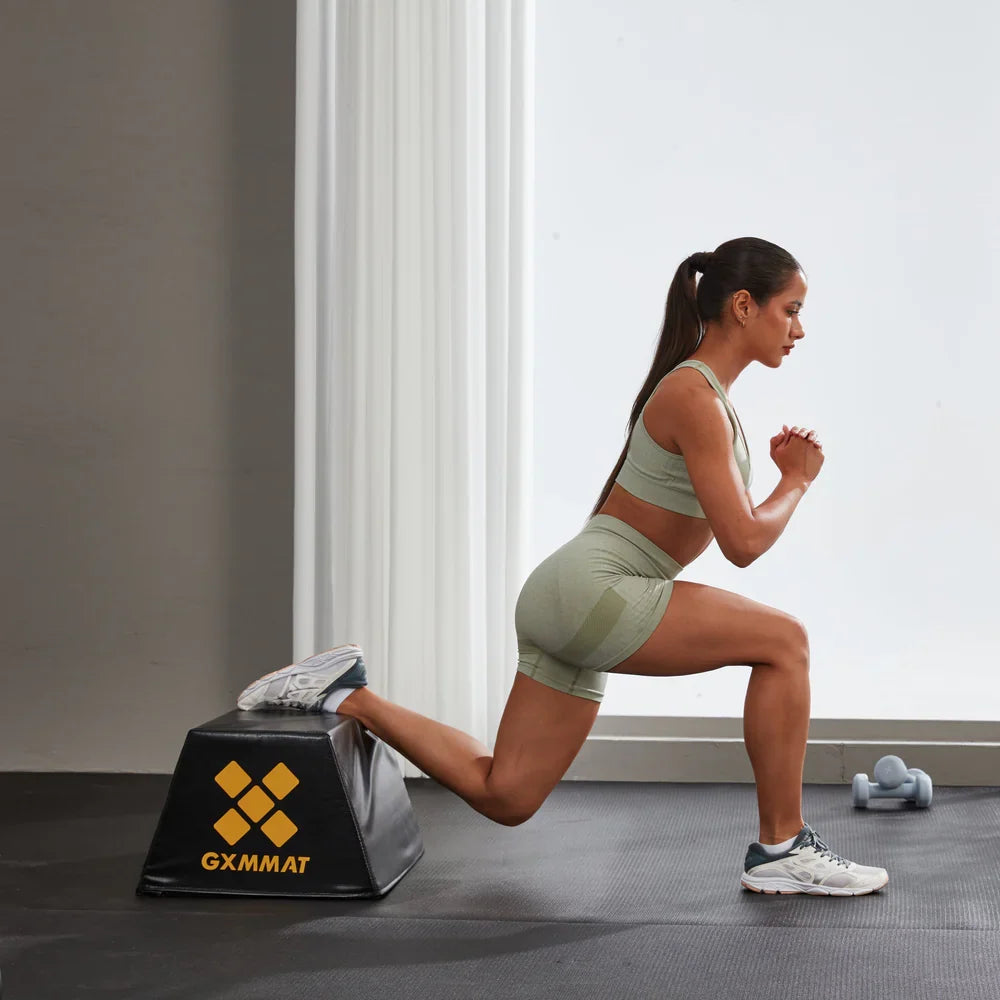
| Hip thrust: 3 × 10 | Split squat: 3 × 8 per leg | Step-ups: 3 × 8 per leg |
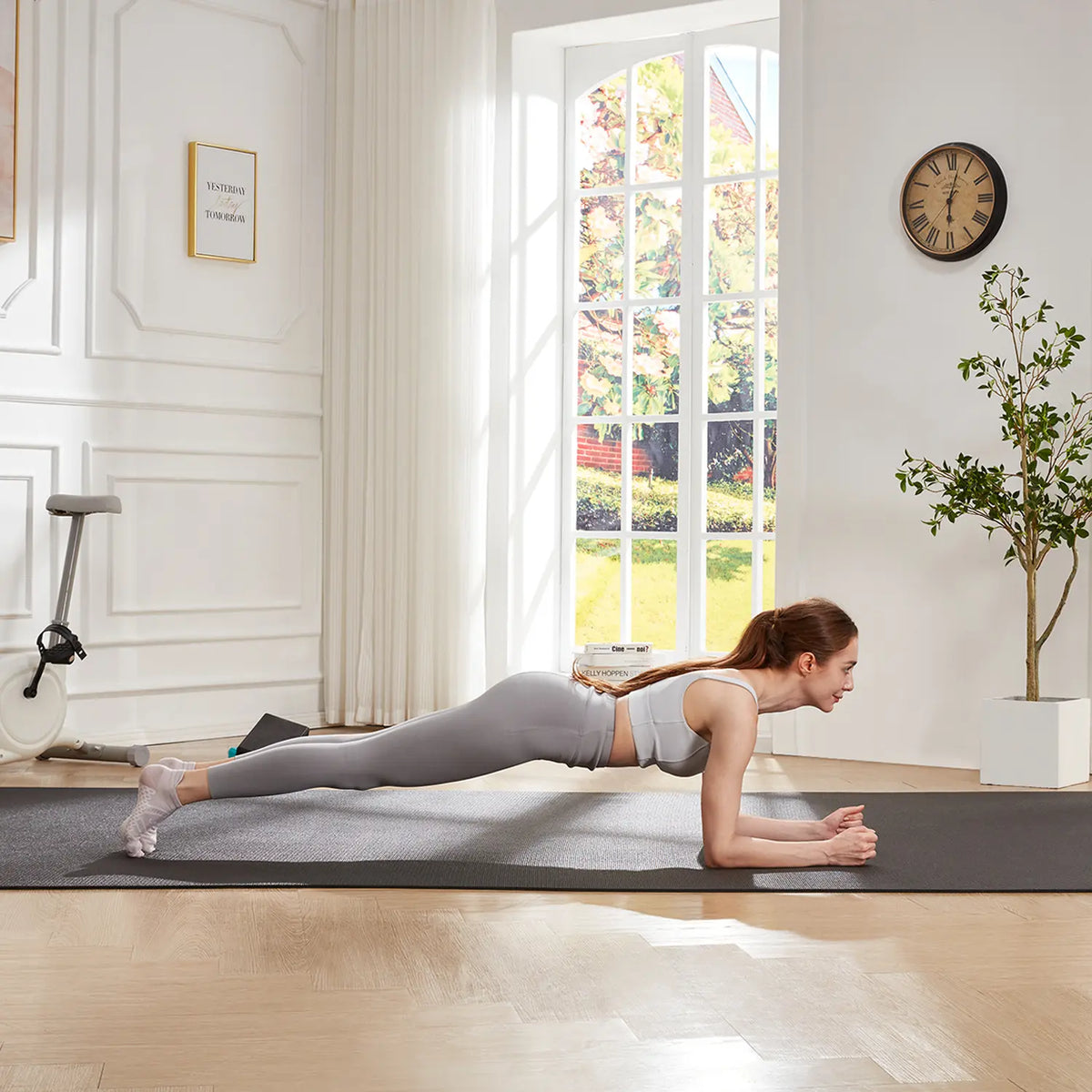
| Farmers carry: 3 × 30 sec | Plank: 3 × 30 sec | Side plank: 2 × 20 sec per side |
How to progress
| Phase | Weeks | Goal |
|---|---|---|
| Learn | 1–4 | Light weights, 10–12 reps, master technique |
| Build | 5–12 | 8–10 reps, add weight when the last rep feels comfortable |
| Strengthen | 13+ | 5–8 reps on the main lifts at a challenging weight (2 reps left in the tank) |
Small increments are key. Change plates (1.25, 2.5 and 5 lb pairs) let you add as little as 2.5 lb to a barbell, so progress doesn't stall.
Common concerns
- "Will I get bulky?" Lower estrogen and testosterone make that very unlikely. Expect to look firmer and feel stronger.
- Joint pain: start with ranges that feel good, warm up longer and choose variations like box squats or trap bar deadlifts.
- Pelvic floor: breathe out during effort and avoid straining. If you notice leaking or heaviness, see a pelvic floor physical therapist.
- Hot flashes and sleep: train at a time of day that feels best, keep the room cool and stay hydrated.
Setting up a home gym for menopause strength training
Consistency matters more than intensity, and training at home makes 2–3 sessions a week much easier:
- A power rack with safety arms lets you squat and press heavier safely without a spotter. The GXMMAT G5 adds a lat pulldown and low row station; the X6 adds dual cables for presses, rows and face pulls.
- A barbell and bumper plates: the GXMMAT Olympic bar and bumper plate set cover deadlifts and squats.
- Glute work: a hip thrust bench or glute bench for hip thrusts and split squats. See which one to choose.
- Floor protection: a large exercise mat for planks, step-ups and mobility, and to protect your floor.
Want a lighter starting point? Try our 3-day program for women over 40, and add weighted vest walks on off days.
FAQ
Is strength training good for menopause?
Yes. It helps slow the bone and muscle loss that speeds up after menopause, supports metabolism and balance, and can improve mood and sleep.
How heavy should women lift during menopause?
Heavy enough that the last 1–2 reps of a set are challenging. Many women work up to sets of 5–10 reps on main lifts. Start light to learn technique and progress gradually.
How often should I strength train during menopause?
2–3 full-body sessions a week, each about 30–45 minutes, plus regular walking or other cardio.
Can lifting weights reverse osteoporosis?
Supervised high-intensity training improved bone density in postmenopausal women with low bone mass in the LIFTMOR trial, but it doesn't replace medical treatment. Work with your doctor and a qualified professional if you have osteoporosis.
What are the best exercises for menopause?
Squats, deadlifts or hip hinges, presses, rows and carries, plus balance work and, if safe for you, some impact like jumps.
Written by Yuvien Royer for GXMMAT. This article is general fitness information, not medical advice. Consult your doctor before starting heavy strength training, especially if you have osteoporosis, a history of fractures, pelvic floor or heart conditions.