Training to Failure: Is It Necessary for Muscle Growth?
Quick answer: Training to failure means doing reps until you can't complete another with good form. It can build muscle, but you don't need to fail every set. Most people grow just as well stopping 0–3 reps short of failure (1–3 reps in reserve), with less fatigue and lower injury risk. Use true failure mainly on the last set of safe isolation exercises (like curls or cable flys), and avoid it on heavy squats, deadlifts and bench press unless you're in a rack with safety bars.
Key takeaways
- Close to failure (1–3 reps in reserve) works for most sets.
- True failure is best on safe isolation moves.
- Avoid failure on heavy compound lifts without safeties.
- More failure = more fatigue and longer recovery.
- Beginners rarely need to train to failure.
Types of failure
| Term | Meaning |
|---|---|
| Technical failure | Can't do another rep with good form |
| Absolute (muscular) failure | Can't move the weight at all |
| Reps in reserve (RIR) | Reps left before failure; see RPE and RIR |
For most training, technical failure is the limit; grinding ugly reps adds risk without much benefit.
Pros and cons of training to failure
| Pros | Cons |
|---|---|
| Ensures sets are hard enough | More fatigue, longer recovery |
| Useful with light weights | Higher injury risk on heavy lifts |
| Helps you learn your limits | Can reduce performance in later sets |
| Time efficient for isolation work | Harder to recover for frequent training |
What research suggests
Reviews generally find that training close to failure and training to failure produce similar muscle growth when volume is equal, while failure adds more fatigue. Sets far from failure (5+ reps in reserve) are less effective. In other words, effort matters, but you don't have to hit failure every time.
When to train to failure
- Last set of an isolation exercise: cable curls, lateral raises, pushdowns.
- Bodyweight moves like push-ups for an AMRAP test; see AMRAP workouts.
- Light-weight training where you need to push close to failure to make sets effective.
When to avoid failure
- Heavy squats, deadlifts and bench press, especially without safety bars.
- Technical lifts like cleans and snatches.
- When you're new to lifting and still learning form.
- During high-volume blocks or when recovery is poor; see deload weeks.
How to apply it
| Exercise type | Reps in reserve |
|---|---|
| Heavy compound lifts | 2–3 RIR |
| Moderate compound accessories | 1–2 RIR |
| Isolation exercises | 0–1 RIR (failure on the last set) |
Combine with sensible weekly volume; see how many sets per muscle per week.
Failing safely at home
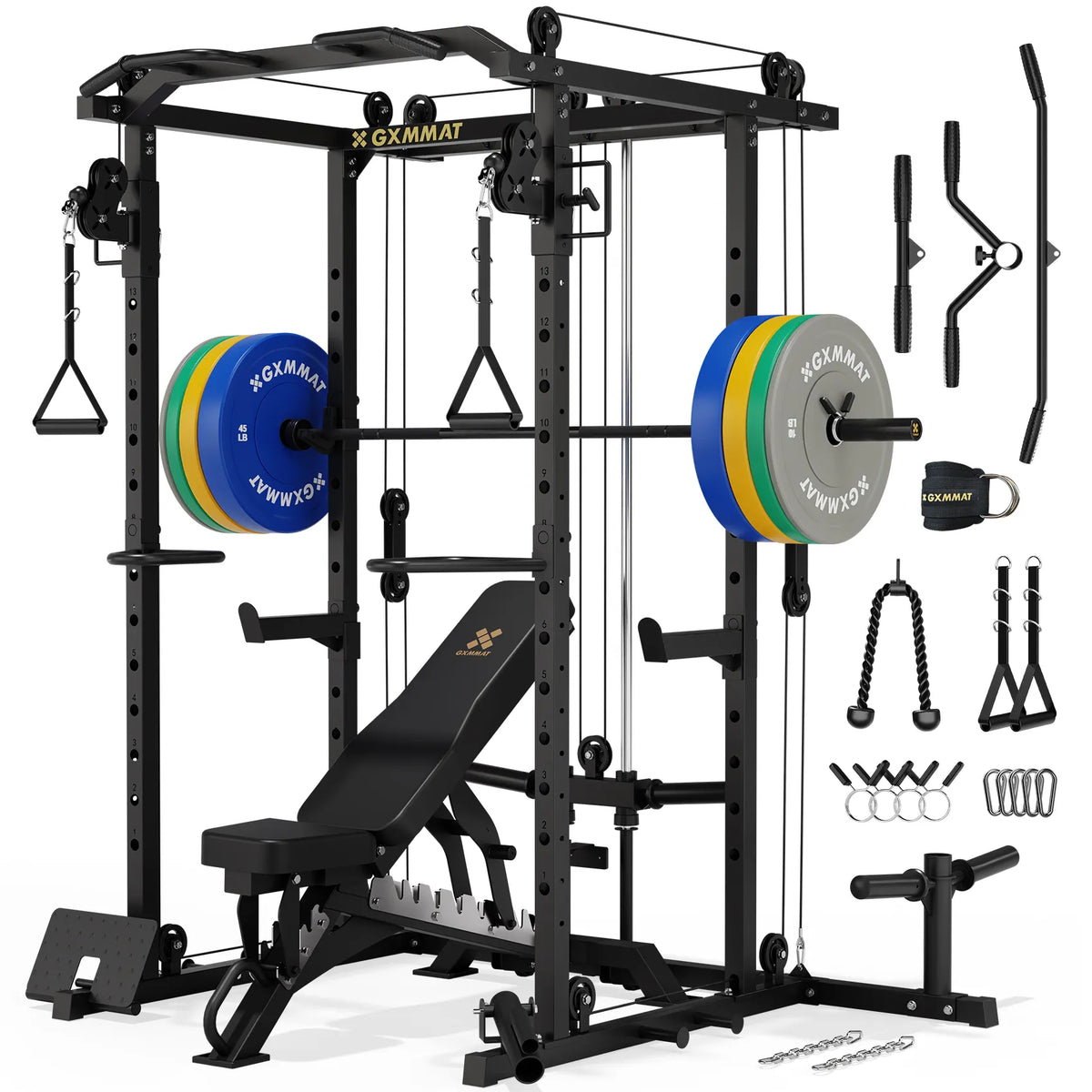
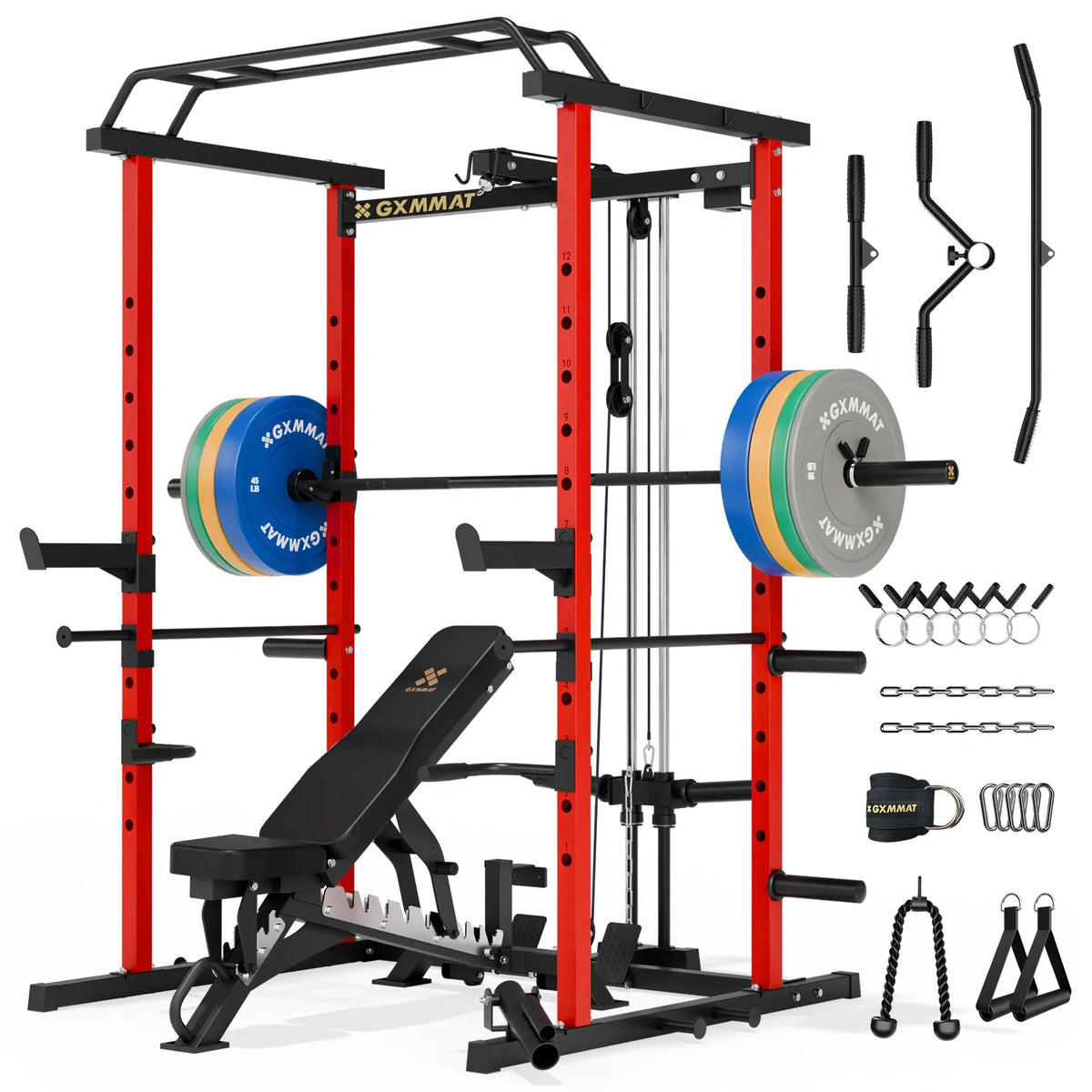
If you push heavy sets close to failure alone, a power rack with safety bars is essential. GXMMAT's G5, V6 and X6 include adjustable safety bars; learn to bail out of a squat and bench alone safely. Cable exercises on the same racks are great for taking isolation sets to failure safely.
FAQ
Is training to failure necessary for muscle growth?
No. Stopping 1–3 reps short of failure works about as well for most people.
Is it bad to train to failure every set?
It adds fatigue and can hurt performance and recovery. Save it for the last set of isolation exercises.
Should beginners train to failure?
Rarely. Beginners grow well training with a few reps in reserve while learning form.
What's the difference between failure and RIR?
Failure is zero reps left; RIR counts how many reps you could still do.
Is failure safe on bench press?
Only in a rack with safety bars or with a spotter.
Written by Yuvien Royer for GXMMAT. This article is general fitness information, not medical advice.