Dryland Strength Training for Swimmers: Exercises and Plan
Quick answer: Dryland strength training for swimmers builds pulling power, a stable core, strong legs for starts and turns, and resilient shoulders. Focus on pull-ups or lat pulldowns, rows, push-ups, squats and jumps, core anti-rotation work, and rotator cuff exercises. Most swimmers do well with 2–3 sessions a week of 30–45 minutes, heavier in the off-season and lighter during competition season. Shoulder health is the priority: balance pulling and pressing, and include external rotation work every session.
Key takeaways
- Pull strength drives the stroke: lats and upper back.
- Shoulder care is non-negotiable for high-volume swimmers.
- Core stability keeps your body line tight in the water.
- Leg power helps starts and wall push-offs.
- Quality over volume: swimmers already do a lot of work.
Best dryland exercises for swimmers
| Exercise | Why it helps | Sets × reps |
|---|---|---|
| Pull-ups or lat pulldowns | Pull strength for every stroke | 3 × 6–10 |
| Straight-arm cable pulldown | Mimics the catch and pull phase | 3 × 12 |
| Seated cable row | Upper back and posture | 3 × 10–12 |
| Push-ups | Balanced pressing strength | 3 × 10–15 |
| Goblet or back squat | Leg strength for walls and starts | 3 × 6–8 |
| Squat jumps or broad jumps | Explosive starts | 3 × 5 |
| Romanian deadlift | Posterior chain for streamline and kick | 3 × 8 |
| Pallof press | Anti-rotation core control | 3 × 10 per side |
| Dead bug and hollow hold | Tight body line | 3 × 8 per side / 3 × 20 sec |
| Cable or band external rotation | Rotator cuff health | 2–3 × 15 per side |
Form guides: lat pulldown, pull-ups, seated cable row, Pallof press and dead bugs.
Shoulder care for swimmers
- External rotation with a light cable or band, elbow at your side, every session.
- Face pulls with a rope for the upper back and rear delts.
- Y-T-W raises lying face down for the lower traps.
- Upper back mobility: see thoracic mobility exercises.
- Balance pressing and pulling; avoid lots of heavy overhead pressing in-season.
Shoulder pain during or after swimming? Reduce volume and see a healthcare professional.
Sample 2-day dryland plan
| Day A: pull and legs | Day B: push, core and power |
|---|---|
| Pull-ups or lat pulldowns 3 × 8 | Push-ups 3 × 12 |
| Goblet squat 3 × 8 | Squat jumps 3 × 5 |
| Straight-arm pulldown 3 × 12 | Romanian deadlift 3 × 8 |
| Seated cable row 3 × 10 | Pallof press 3 × 10 per side |
| External rotation 2 × 15 per side | Dead bug 3 × 8 per side; hollow hold 3 × 20 sec |
Rest 60–120 seconds between sets (rest guide), and keep 2–3 reps in reserve so you're fresh for pool sessions.
Season planning
| Phase | Focus | Sessions |
|---|---|---|
| Off-season | Build strength: heavier loads, 4–8 reps | 2–3 per week |
| Pre-season | Power: jumps, faster reps | 2 per week |
| Competition season | Maintain: lighter, shorter sessions | 1–2 per week |
| Taper | Very light or skip heavy work | 0–1 per week |
Recovery
- Foam roll lats, upper back and legs: how to foam roll.
- Sleep and fuel well during heavy training blocks.
- Plan deloads before big meets: deload week guide.
Home dryland setup
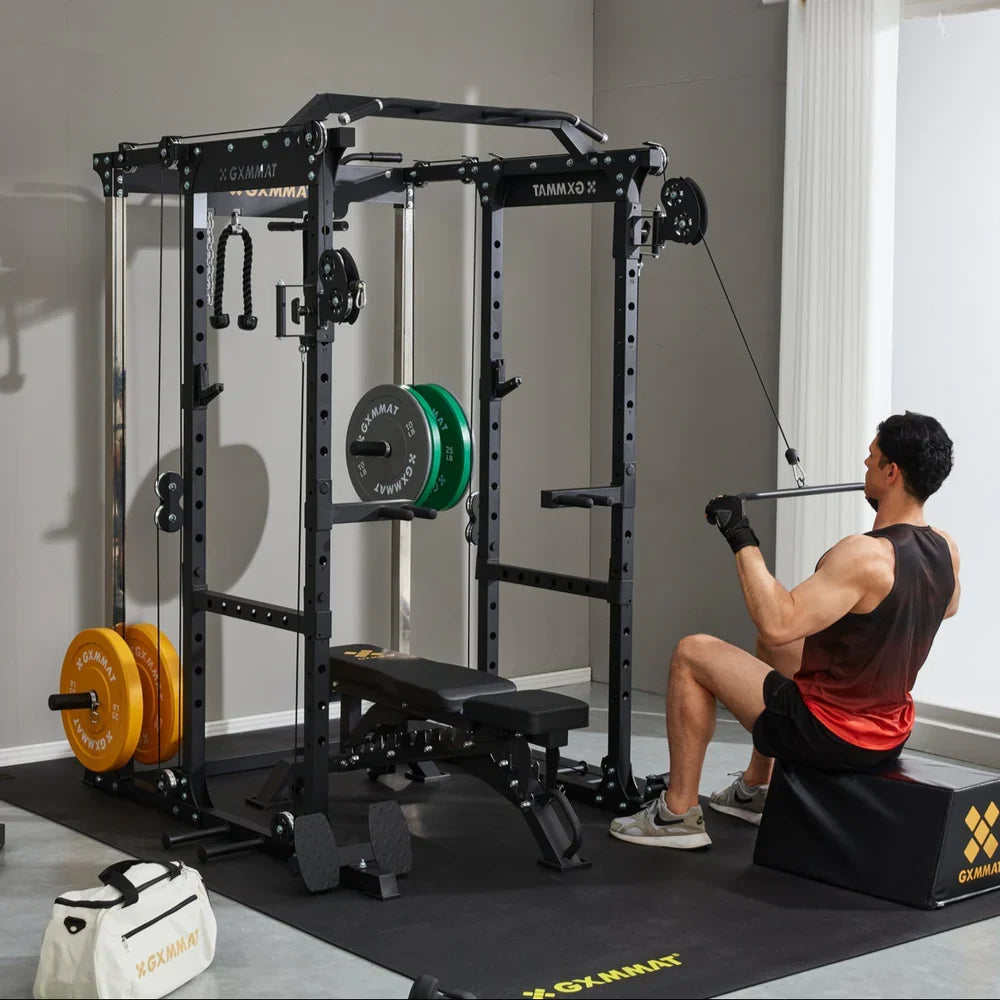
- Cable rack: lat pulldowns, straight-arm pulldowns, rows, Pallof presses and external rotations all need a cable. The V6 uses 2:1 cables, so each plate feels about half as heavy; ideal for light rotator cuff work. The X6 has dual independent 1:1 cables, and the G5 has a lat pulldown and low-row station. All three include a pull-up bar.
- Small increments: change plates for tiny jumps on shoulder exercises.
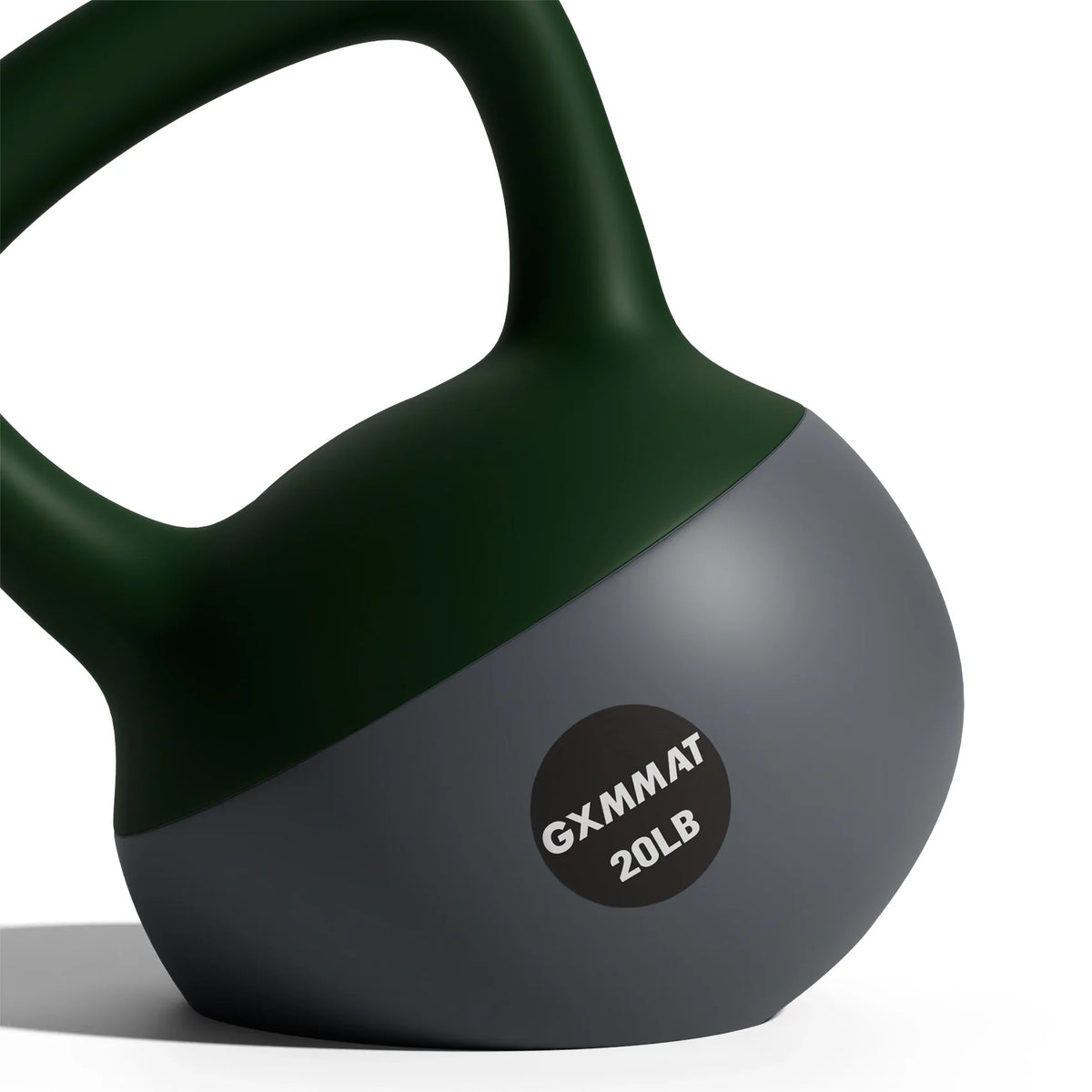
- Kettlebells: soft kettlebells for goblet squats and swings.
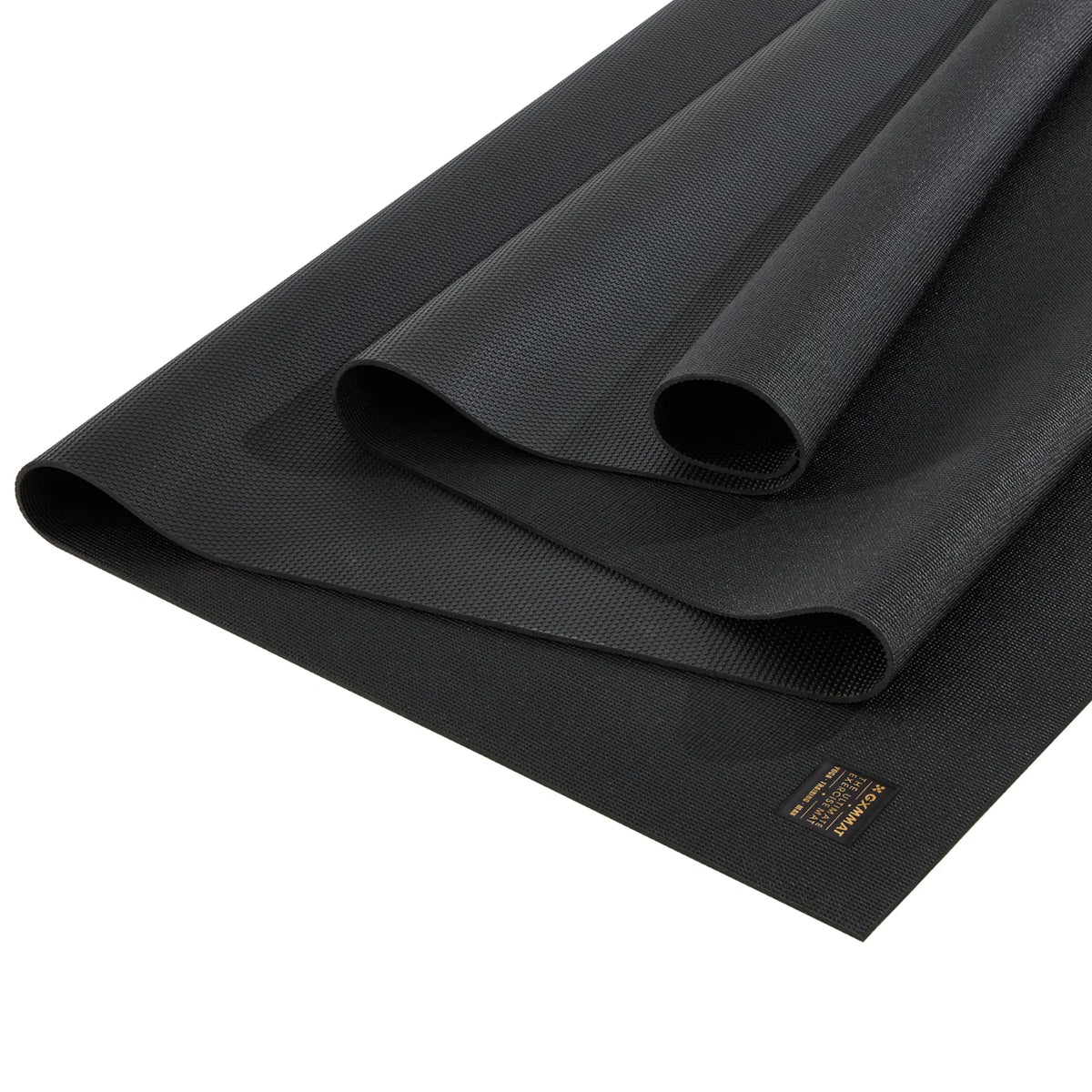
- Mat: a large exercise mat for core work and jumps.
- Recovery: 24" foam roller for the lats and upper back.
FAQ
Should swimmers lift weights?
Yes. Dryland strength training can improve power, starts and turns, and help keep shoulders healthy when it's well planned.
What muscles do swimmers need to strengthen?
Lats and upper back, rotator cuff, core, glutes and legs.
How often should swimmers do dryland?
About 2–3 times a week in the off-season and 1–2 times in-season.
Will lifting make me a slower swimmer?
Not with a sensible plan. Keep reps controlled, avoid excessive soreness before key sessions, and reduce lifting before competitions.
What is the best dryland exercise for swimmers?
Pull-ups or lat pulldowns are a great starting point, along with core anti-rotation and rotator cuff work.
Written by Yuvien Royer for GXMMAT. This article is general fitness information, not medical advice. Young athletes should train under qualified supervision.