Chin-Up vs Pull-Up: Differences, Muscles Worked and Which to Do
Quick answer: The difference is your grip. A pull-up uses an overhand grip (palms facing away), usually a bit wider than shoulders. A chin-up uses an underhand grip (palms facing you), about shoulder-width. Both train the lats and upper back, but chin-ups use more biceps and are usually easier, so most people can do a few more chin-ups than pull-ups. Neither is better. The best plan for most people is to train both, plus neutral-grip pull-ups if your rack has parallel handles.
Key takeaways
- Pull-up = palms away, wider grip, more lats and upper back.
- Chin-up = palms toward you, closer grip, more biceps.
- Chin-ups are usually easier, which makes them a good first goal.
- Neutral grip (palms facing each other) is often the most shoulder-friendly.
- Rotate grips across the week for balanced development.
Chin-up vs pull-up at a glance
| Pull-up | Chin-up | Neutral-grip pull-up | |
|---|---|---|---|
| Grip | Overhand | Underhand | Palms facing each other |
| Width | Slightly wider than shoulders | About shoulder-width | Set by the handles |
| Main muscles | Lats, upper back, rear delts | Lats, biceps, lower chest | Lats, biceps, brachialis |
| Difficulty | Hardest | Easier | In between |
| Shoulder comfort | Good for most | Some feel elbow or wrist strain | Often the most comfortable |
How to do a pull-up
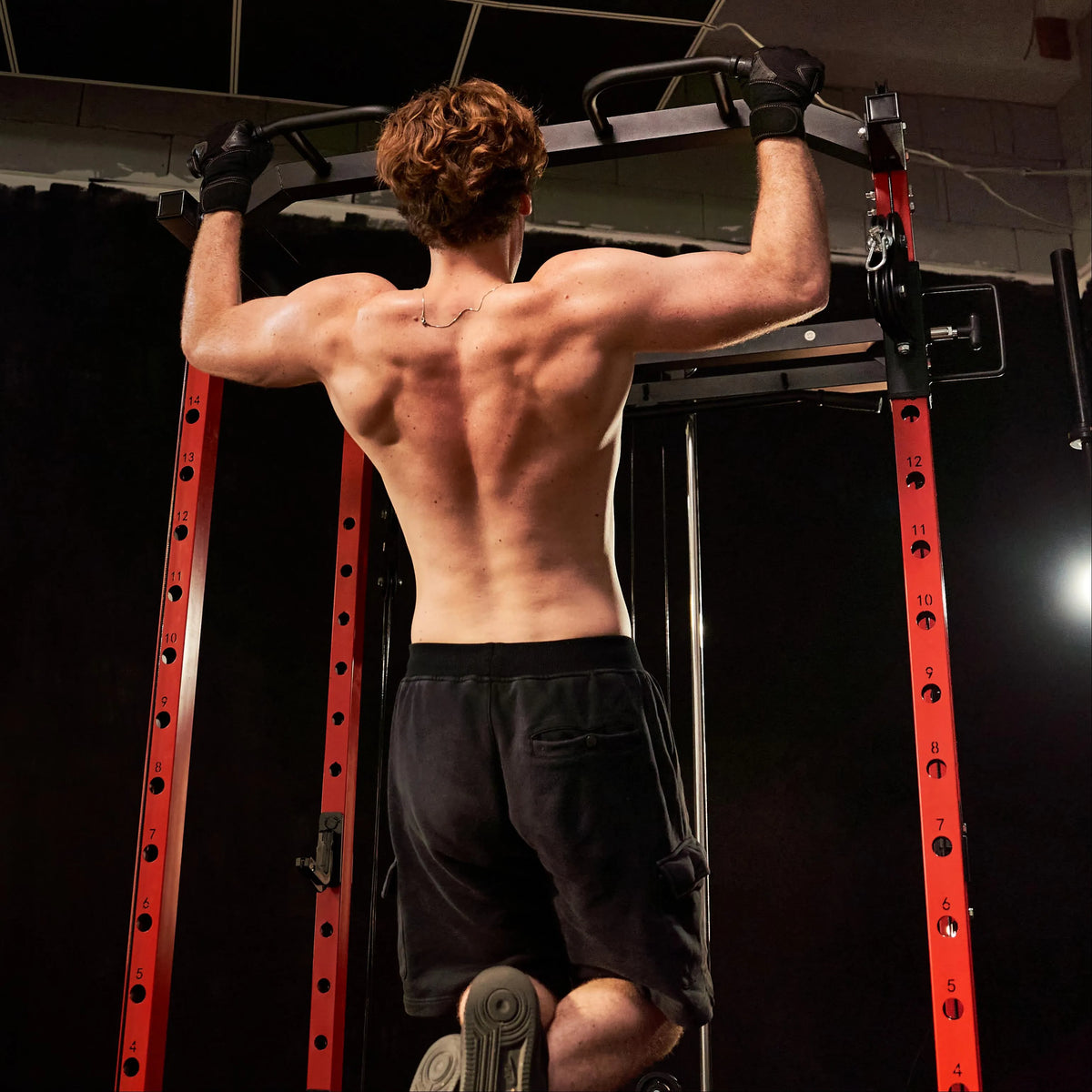
- Grip the bar overhand, a little wider than your shoulders.
- Hang with straight arms, shoulders slightly engaged (not shrugged to your ears).
- Brace your core and squeeze your glutes; legs straight or ankles crossed.
- Pull your elbows down toward your ribs until your chin clears the bar.
- Lower under control to a full hang.
How to do a chin-up
- Grip the bar underhand, shoulder-width apart.
- Hang with straight arms and a braced core.
- Pull your chest toward the bar, driving your elbows down and in front of you.
- Get your chin over the bar and squeeze your back and biceps.
- Lower slowly to a full hang.
Common mistakes (both)
| Mistake | Fix |
|---|---|
| Half reps | Start each rep from a full hang |
| Kicking or swinging | Brace your core; slow down |
| Craning the neck to reach the bar | Pull your chest up instead |
| Shrugging at the top | Keep shoulders down, away from ears |
| Dropping on the way down | Lower in 2–3 seconds |
Which should you train?
- Can't do either yet? Start with chin-ups. Use negatives, band assistance and inverted rows. Full plan: pull-up progression for beginners.
- Want a wider back? Prioritize pull-ups and wide-grip lat pulldowns.
- Want bigger arms? Add chin-ups; they're one of the best bicep builders.
- Cranky shoulders or elbows? Try neutral grip first.
Sample weekly plan
| Day | Exercise | Sets × reps |
|---|---|---|
| Monday | Pull-ups | 4 × as many good reps as possible minus 1–2 |
| Thursday | Chin-ups | 3 × 6–10 |
| Optional | Neutral-grip or weighted variation | 3 × 5 |
Once you can do 10–12 clean reps, add weight with a dip belt or a light kettlebell held between your feet. Track total weekly back volume with our sets per muscle guide.
Pull-ups and chin-ups at home
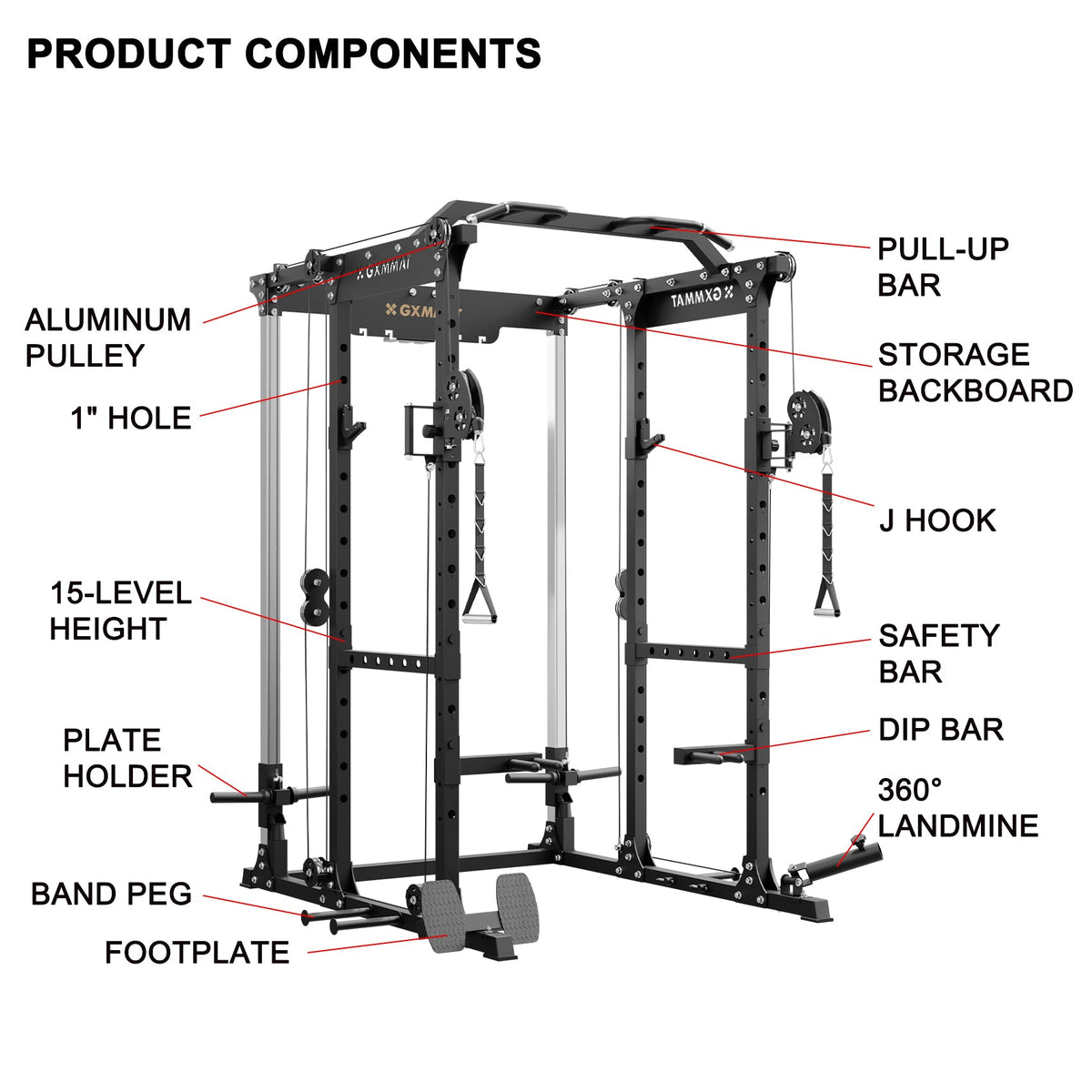
- The G5, V6 and X6 all include a pull-up bar on top of the rack, so you can do both grips without a separate station.
- Check ceiling height: you need room for your head above the bar. See our ceiling height guide.
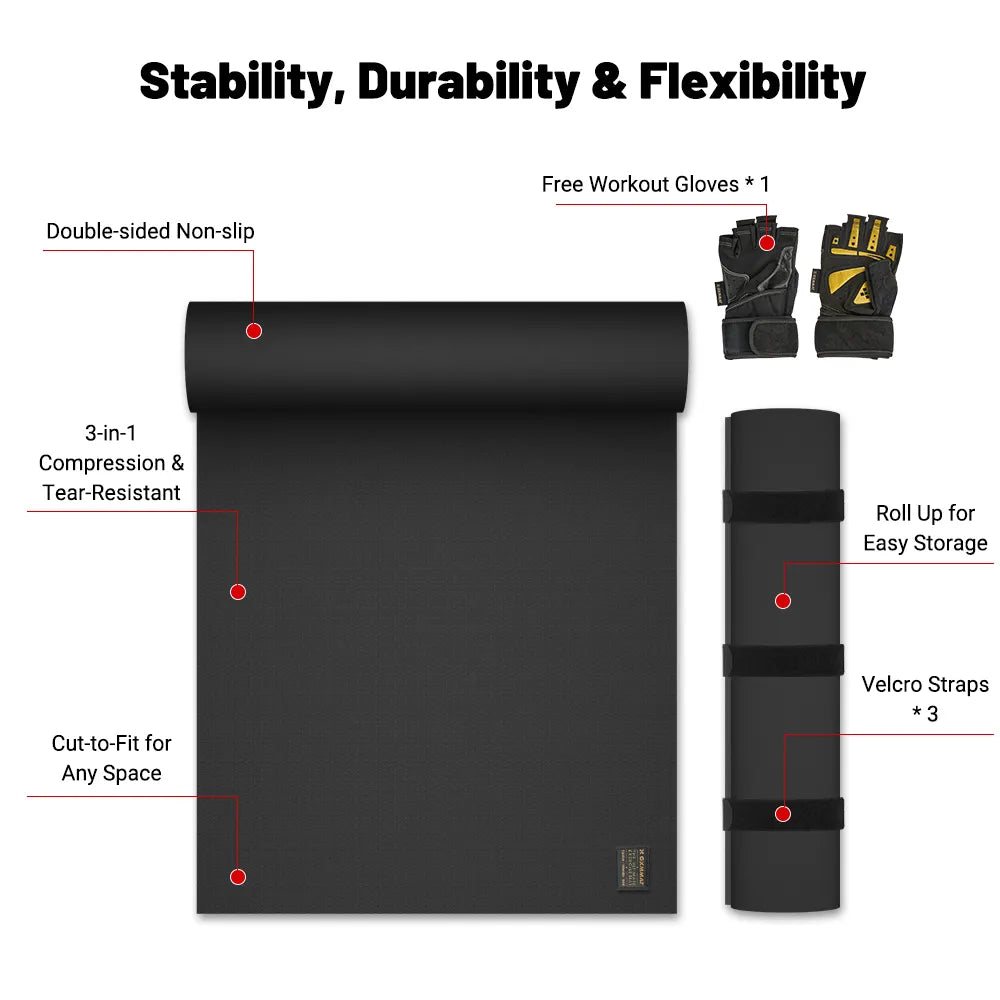
- Grip help: workout gloves protect your palms on high-rep days.
- Floor: a large exercise mat under the rack cushions your landing when you drop off the bar.
FAQ
Are chin-ups easier than pull-ups?
Yes, for most people. The underhand grip lets the biceps help more, so you can usually do a few more reps.
Do chin-ups work the lats?
Yes. Chin-ups train the lats strongly, along with more biceps than pull-ups.
Which is better for building a wide back?
Pull-ups slightly emphasize the lats and upper back, but both build a wider back. Using both is ideal.
How many pull-ups should I be able to do?
It varies widely. Getting your first clean rep is a great milestone; 8–12 strict reps is a strong goal for most people.
Can I do pull-ups and chin-ups every day?
Some people practice a few easy reps daily, but for hard sets, 2–3 sessions a week with rest days between works better.
Written by Yuvien Royer for GXMMAT. This article is general fitness information, not medical advice.