Why Your Home Gym Isn't Complete Without This One Piece of Equipment
Let me tell you something I wish I'd known years ago when I first started training seriously: you don't need a fancy gym membership or a room full of equipment to build genuine strength. What you do need is one solid piece of kit that'll see you through every stage of your fitness journey. I'm talking about a power rack, and honestly, it's been the backbone of my training for years now.
When I first got into strength training properly, I was overwhelmed by all the different machines and gadgets out there. But once I understood what a power rack could do, everything clicked into place. It's not just another piece of equipment—it's like having a complete gym condensed into one sturdy frame that keeps you safe while you push your limits.
What Makes Power Rack Strength Training So Special
The beauty of power rack strength training lies in its simplicity and versatility. You've got four solid posts, adjustable safety bars, and a pull-up bar at the top. That's it. But within that simple structure, you can perform virtually every major compound movement that builds real, functional strength.
I remember the first time I properly squatted heavy in a power rack. The safety bars were set just below my lowest point, and knowing they were there gave me the confidence to really go for it. That mental security is priceless when you're training alone at home. You can fail safely, which means you can actually train to failure—something that's crucial for building strength.
The powerrackstrength approach isn't about ego lifting or showing off. It's about progressive overload done safely and consistently. You set those safety pins at the right height, and you know that even if you can't complete that last rep, you're not going to end up trapped under a barbell. I've tested those safeties more times than I'd like to admit, and they've never let me down.
The Exercises That Build Real Strength
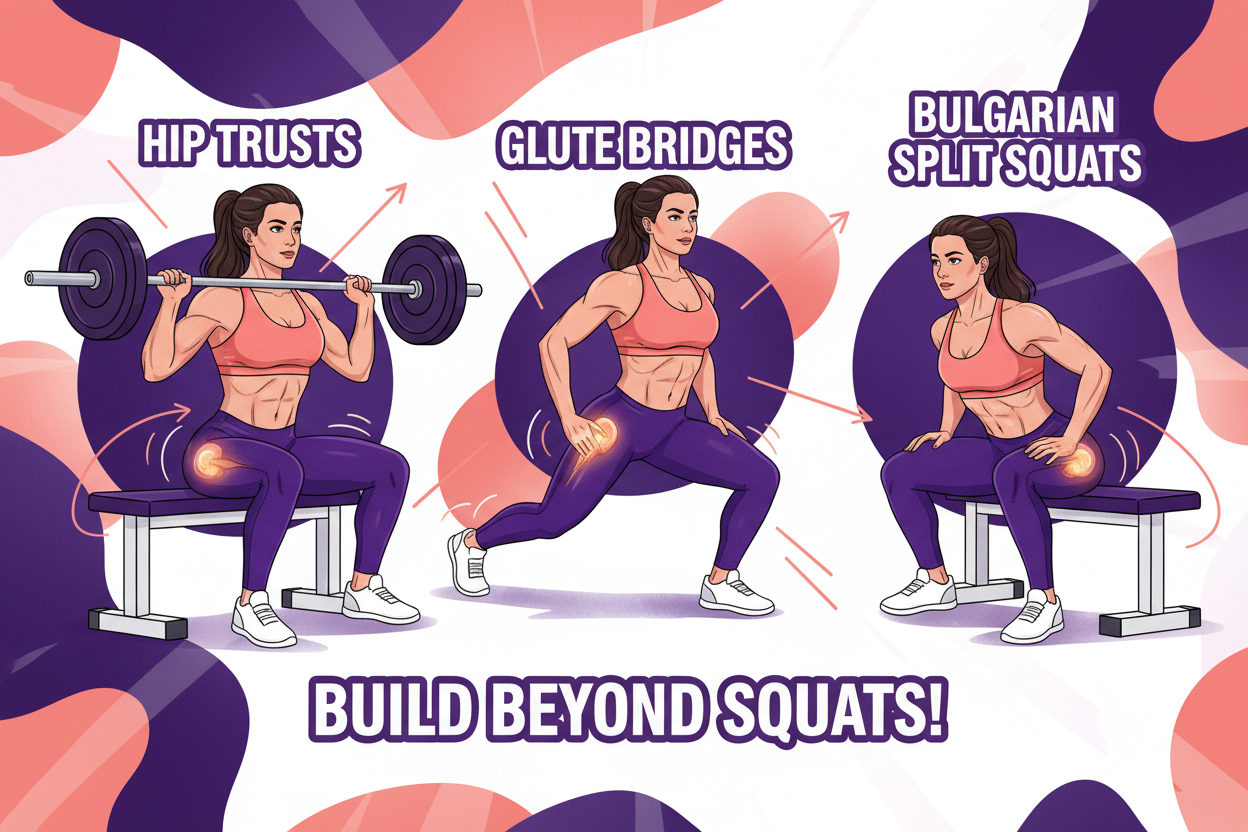
When people ask me what exercises they should focus on, my answer is always the same: the big compound movements. And a power rack lets you do all of them properly. Squats are the king of lower body exercises—they work your quads, hamstrings, glutes, and core all at once. There's no machine that can replicate the functional strength you build from a proper barbell squat.
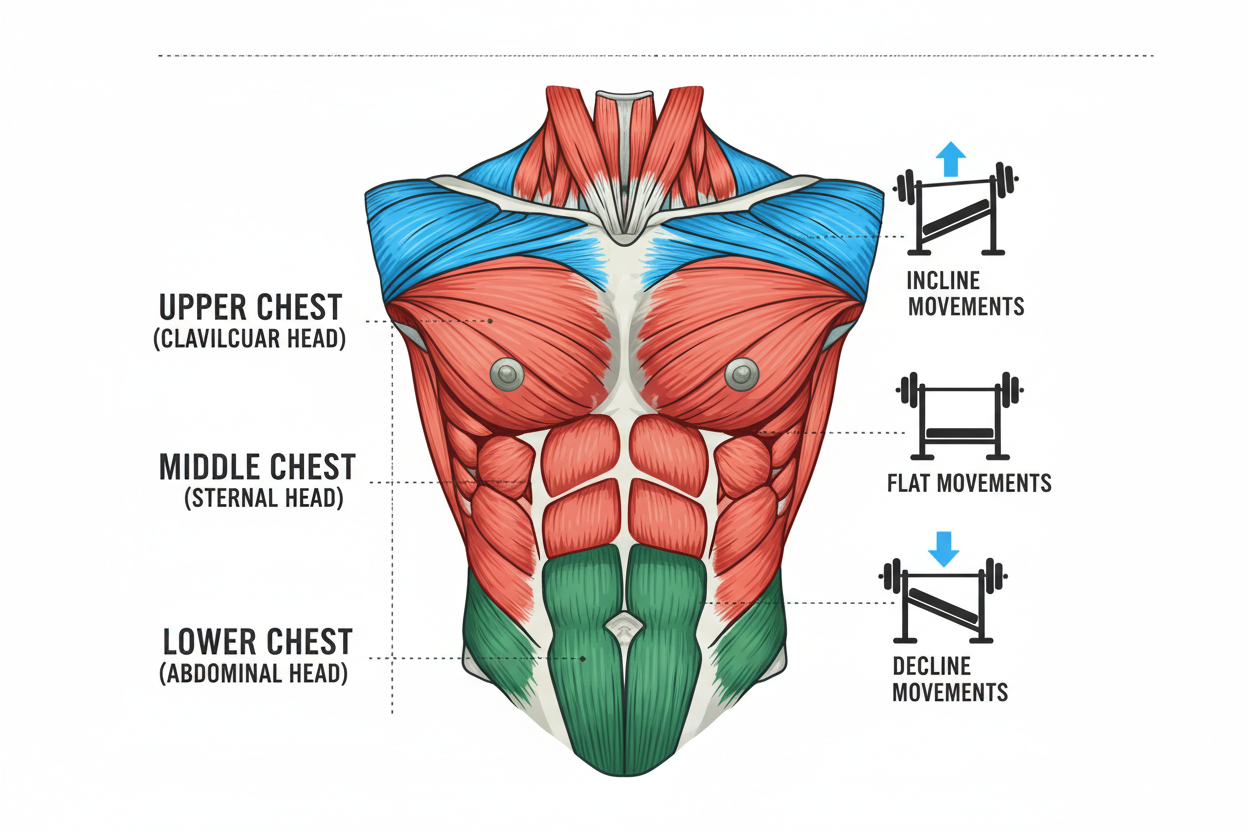
Bench pressing in a power rack is another game-changer. You can set the safety bars at chest height, which means you can train your chest hard without needing a spotter. I've had mornings where I've pushed myself harder than I thought possible, simply because I knew I had that safety net. The rack also allows for pin presses, where you start the movement from the safety bars—brilliant for building explosive power and breaking through plateaus.
Overhead pressing is where many people struggle with safety, especially when training at home. But with a power rack, you can press with confidence. Set the safeties at shoulder height, and if you can't lock out that last rep, you simply lower the bar onto them. No drama, no risk of the bar crashing down on your head.
Building Your Training Programme Around the Rack
The key to getting the most from your power rack is understanding how to structure your training. I typically organize my week around the four main lifts: squats, deadlifts, bench press, and overhead press. Each of these can be performed in or with the assistance of a power rack.
For squats, I'll usually do one heavy day where I'm working in the 3-5 rep range, really focusing on building raw strength. Then I'll have a volume day where I'm doing more reps at a lighter weight—maybe 8-12 reps. The power rack makes both approaches safe and practical. You can load up heavy for strength work, or strip the weight down for hypertrophy training, all while knowing you're protected.
Deadlifts can be set up from the floor or from the safety pins at different heights. Rack pulls—where you pull from an elevated position—are fantastic for overloading the top portion of the movement and building serious back strength. I use these regularly to strengthen my lockout and build thickness through my upper back.
Progressive Overload Done Right
The principle that's made the biggest difference in my training is progressive overload—gradually increasing the demands on your body over time. With a power rack, tracking this is straightforward. You can add small amounts of weight each week, knowing that the safety system has your back if you've pushed too far.
I keep a training journal where I record every session. When I look back over months of training, I can see clear progression in my lifts. That squat that felt impossibly heavy six months ago? It's now my warm-up weight. That's the power of consistent, safe training with proper equipment.
The Mental Side of Strength Training
Something I don't think gets talked about enough is the mental aspect of strength training. When you're about to attempt a personal best on your squat, there's a moment of doubt. Will I make it? What if I fail? Having a power rack removes that fear. You know you can bail safely, which paradoxically means you're more likely to succeed because you're not holding back.
I've had sessions where I've surprised myself with what I could lift, purely because I wasn't psychologically limited by fear of failure. The rack creates an environment where you can truly test your limits. That confidence spills over into other areas of life too—if you can push through a tough set of squats, you can handle whatever else the day throws at you.
Making It Work for Your Space and Budget
One of the questions I get asked most is whether a power rack is practical for home use. My answer is absolutely yes, if you have the space. You need a ceiling height of at least 7 feet, ideally 8 feet, and a footprint of about 4 feet by 4 feet. It's not small, but it's also not as massive as you might think.
The investment is significant, but when you consider what you're getting—a complete strength training solution that'll last decades—it makes sense. I've had the same rack for years, and it's as solid now as the day I got it. Compare that to a gym membership over the same period, and the rack pays for itself.
Quality matters here. Look for solid steel construction, ideally 2x3 inch or 3x3 inch uprights with 11-gauge steel or thicker. The safety bars should be robust—these are literally what stand between you and injury. Westside hole spacing (1-inch spacing in the bench press zone) gives you more precise adjustment options, which becomes important as you progress.
The Long-Term Benefits
After years of training with a power rack, the benefits go far beyond just the numbers on the bar. Yes, I'm stronger than I've ever been, but I'm also more resilient, more confident, and more in tune with my body. I understand how to move properly, how to brace my core, how to generate power from the ground up.
The consistency that comes from having equipment at home can't be overstated. No excuses about gym opening hours, no waiting for equipment, no feeling self-conscious about training in front of others. Just you, the bar, and the work that needs doing. Some of my best sessions have been early morning workouts before the rest of the house wakes up—just me and my power rack, building strength one rep at a time.
If you're serious about building strength and you have the space, investing in a quality power rack is one of the best decisions you'll make for your fitness journey. It's not flashy, it's not complicated, but it works. And in fitness, that's what really matters.