I Spent $3,000 Building a Home Gym – Here's What Actually Matters
Setting up a home gym doesn't require a commercial-sized space or a second mortgage. After years of paying for memberships I barely used, I transformed my spare bedroom into a functional workout space for about the cost of two years at my local fitness center. The key is understanding what equipment home gym setups truly need versus what looks impressive in product photos.
The biggest mistake people make when they buy home gym equipment is trying to replicate an entire commercial facility. You don't need seventeen different machines to get stronger, lose weight, or build muscle. What you need is versatility, durability, and equipment that matches your actual workout routine—not the one you imagine doing someday.
What Makes Quality Home Gym Exercise Equipment
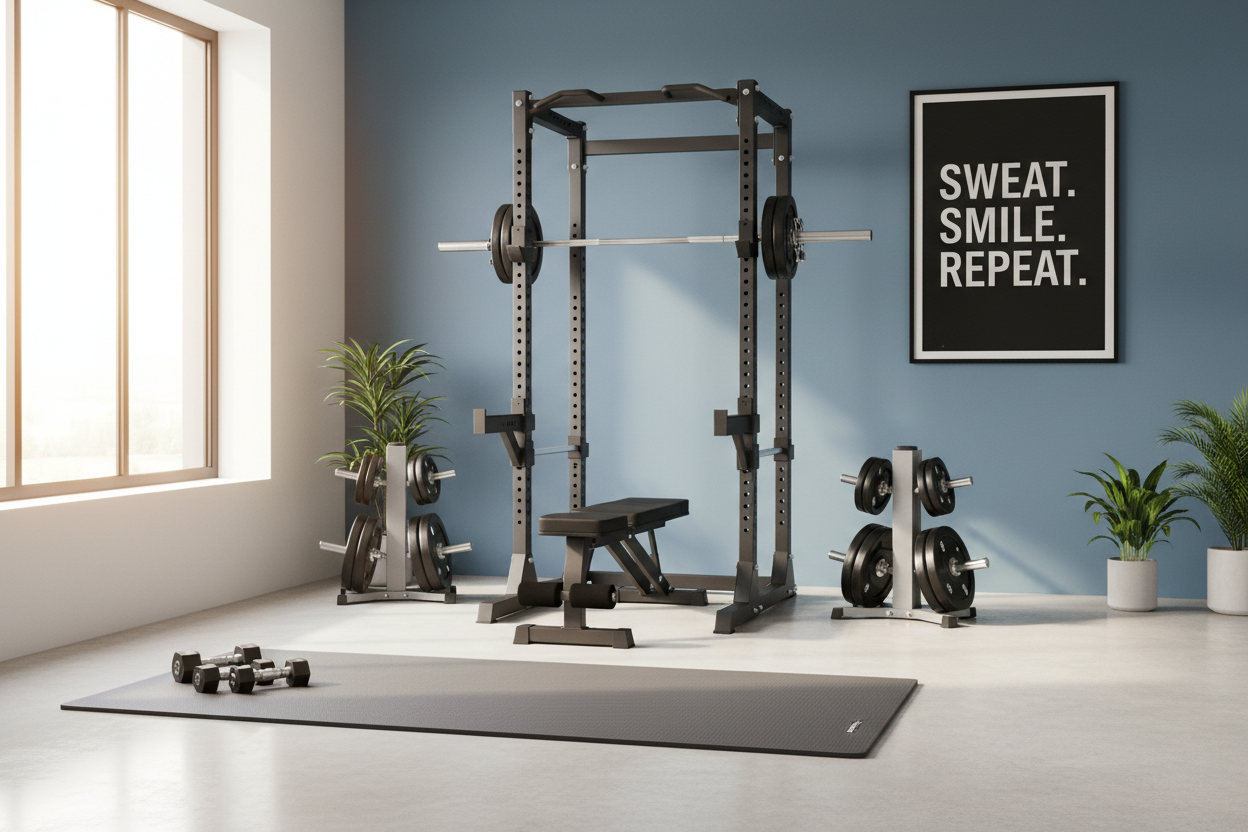
Walk into any sporting goods store and you'll see rows of shiny machines promising transformation. But here's the reality: the best fitness equipment for home gym use combines multiple functions in a compact footprint. A quality power rack, for instance, serves as the foundation for dozens of exercises. Add a bench, barbell, and weight plates, and you've covered about 80% of what most people need.
When I first started researching home gym and fitness equipment, I was overwhelmed by options. Treadmills, ellipticals, cable machines, smith machines—the list seemed endless. What helped was asking myself a simple question: what exercises do I actually do consistently? For me, that meant prioritizing free weights and a pull-up bar over a fancy rowing machine that would collect dust.
The home gym exercise machine category has exploded in recent years, with everything from compact all-in-one systems to specialized equipment for specific muscle groups. Brands like Bowflex and Total Gym offer space-saving solutions that adjust for multiple exercises, though they come with trade-offs in terms of weight capacity and exercise variety compared to traditional equipment.
Essential vs. Optional: Building Your Setup Strategically
Every proper home gymnasium equipment collection starts with adjustable dumbbells. They're the Swiss Army knife of strength training. A single set that adjusts from 5 to 50 pounds replaces an entire rack of fixed-weight dumbbells, saving both money and floor space. I use mine for everything from shoulder presses to goblet squats.
Home gym weights equipment forms the core of most setups, but the type matters. Olympic barbells and plates are the gold standard—they're built to last decades and work with standardized equipment. Standard 1-inch bars might seem cheaper initially, but you'll outgrow them quickly and find yourself limited in equipment compatibility.
For those serious about building strength, a quality bench is non-negotiable. An adjustable bench opens up incline presses, decline work, and countless dumbbell exercises. Mine cost $200 and has been used almost daily for three years without any wobble or wear. Compare that to the $50 version my neighbor bought that started creaking after six months.
Cardio Equipment: Do You Really Need It?
The workout home gym equipment debate always circles back to cardio machines. Treadmills and stationary bikes dominate home gym equipment supplier catalogs, but they're also the most expensive and space-consuming options. Unless you live somewhere with genuinely unworkable weather year-round, a jump rope, running shoes, and access to outdoors might serve you better.
That said, I did eventually add a concept rower to my setup. It was a calculated decision based on my knee issues and the fact that rowing provides both cardio and resistance training. The key is being honest about what you'll actually use. That $2,000 treadmill gathering laundry isn't helping anyone get fit.
Where to Find Reliable Equipment
The question of where to buy home gym equipment has more answers than ever. Big-box retailers like Dick's Sporting Goods and Academy Sports offer the advantage of seeing equipment in person. You can test the stability of a bench or feel the knurling on a barbell before committing.
Online retailers have become increasingly popular, with Rogue Fitness and Titan Fitness leading the specialized equipment gym home market. The trade-off is shipping costs—a 45-pound plate set costs as much to ship as it does to buy sometimes. I've found the best approach is buying larger items locally and ordering smaller accessories online.
Facebook Marketplace and Craigslist can be goldmines for used exercise equipment home gym setups. People buy equipment with good intentions, use it twice, then sell it for half price when they need garage space. I picked up a complete set of bumper plates for 60% off retail from someone who decided CrossFit wasn't for them after all.
Avoiding Common Purchasing Mistakes
The home sports equipment industry thrives on impulse purchases. That's why they put the cheapest, flashiest items at eye level. But a $50 ab roller won't transform your core, and those resistance bands that came in a set of twelve? You'll use maybe two of them regularly.
Before adding any new machine for home gym use, I apply a simple test: can I name three exercises I'll do with it weekly? If not, it's probably not worth the investment. This rule has saved me from buying a leg press machine, a preacher curl bench, and one of those vibrating platform things that promised to "melt fat while you stand."
Space planning matters more than most people realize. Measure your area carefully and account for movement space around equipment. A power rack might fit in your basement, but can you actually load plates on the bar without hitting a support column? These practical considerations separate functional home gym fitness machine setups from cluttered storage areas.
Making the Most of Your Investment
The best fitness equipment home gym owners have one thing in common: they actually use what they buy. That means choosing exercise home gym equipment based on your real workout habits, not aspirational ones. If you've never done cable flyes at a commercial gym, you probably won't start doing them at home.
Maintenance extends the life of your equipment dramatically. Wiping down benches, occasionally lubricating moving parts on machines, and storing weights properly prevents rust and wear. My barbell still spins smoothly because I spend two minutes after each workout brushing off chalk and checking for moisture.
The home gym workout equipment for home that gets used is equipment that's accessible and ready. I keep my most-used items—dumbbells, resistance bands, and yoga mat—in plain sight. The stuff I use weekly but not daily goes on a simple rack system. This organization makes the difference between working out and finding excuses.
Building vs. Buying Complete Systems
Some home gym equipment in packages promises everything you need in one purchase. These all-in-one systems can work for beginners who want simplicity, but they often sacrifice quality and upgradeability. A $1,500 multi-station gym uses lighter-gauge steel and proprietary parts compared to $1,500 worth of individual pieces.
I've watched friends go both routes. The ones who built their gyms piece by piece tend to still be using them years later. The ones who bought complete systems often feel limited once they progress beyond beginner level. There's something to be said for the flexibility of building your own setup over time as your needs and budget allow.
That said, space constraints might make an all-in-one system the practical choice. If you're working with a 10x10 room, a compact cable system might deliver more exercise variety than a power rack and bench setup. Context matters, and the "best" choice depends entirely on your situation.
Building a home gym is one of the better investments I've made in my health. The convenience of rolling out of bed and being at the gym in thirty seconds removes every excuse. No commute, no waiting for equipment, no crowds. Just you and the work. The equipment home gym enthusiasts rave about isn't magic—it's simply tools that remove barriers between you and consistency. And consistency, not fancy machines, is what actually delivers results.