Why I Finally Invested in Quality Gym Equipment (And Why You Should Too)
Let me tell you something that completely changed my home training game: investing in proper gym equipment. For years, I'd been making do with whatever I could find – budget racks that wobbled, stands that made me nervous during heavy lifts, and equipment that honestly made me question my safety more than it helped me build strength. But once I started researching professional-grade options and understanding what actually makes a difference in your training, everything shifted.
The truth is, when you're serious about your fitness journey, the equipment you use matters just as much as your programming and nutrition. I'm not talking about fancy gadgets or the latest trends – I'm talking about solid, reliable kit that lets you focus on what really matters: getting stronger, building confidence, and pushing yourself safely.
The Foundation of Any Serious Home Gym
If you're looking to build a home gym that'll last you decades, not just a few years, you need to start with the right foundation. A quality rack is absolutely non-negotiable. I've trained in commercial gyms, hotel fitness centers, and home setups, and I can tell you without hesitation that the difference between a proper rack and a flimsy one is like night and day.
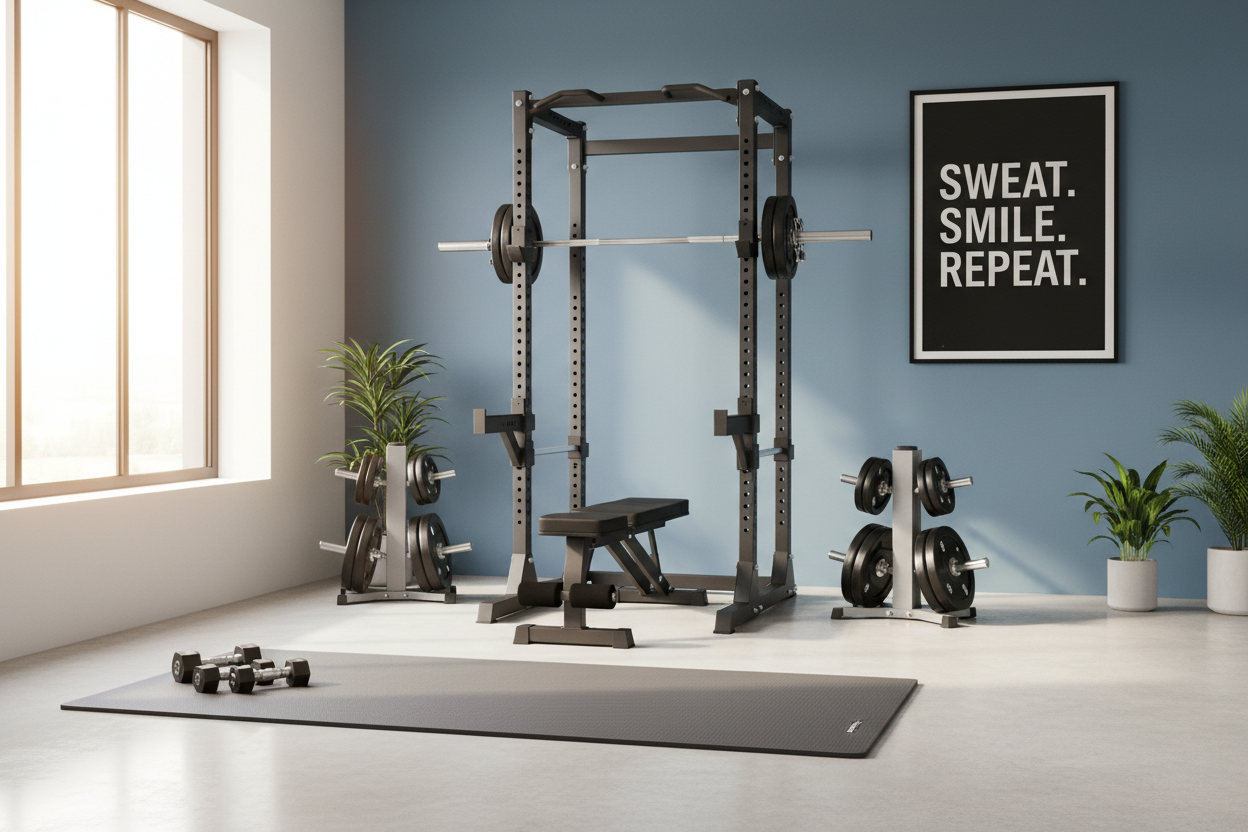
When I was researching options for my own space, I kept coming across one name that serious lifters and professional facilities swear by. The Eleiko combo rack stood out because it's designed for people who actually lift heavy and need equipment that won't let them down. What makes it special? It's the versatility combined with rock-solid stability. You can squat, bench, do pull-ups, and set up for Olympic lifts all from one piece of kit.
The Eleiko prestera line takes things even further. This isn't just about looking professional – it's about having equipment that's been tested in actual Olympic training facilities and world championships. When you're under a loaded barbell, you want to know that your rack has been engineered to standards that elite athletes trust their careers with.
Choosing the Right Rack for Your Space and Goals
Here's where it gets interesting, because not everyone needs the same setup. Your choice really depends on your space, your training style, and honestly, what makes you feel most confident when you're lifting.
An Eleiko rack in its full power rack configuration is brilliant if you've got the space and you train alone often. Those safety bars have saved me more times than I'd like to admit when I've pushed a bit too hard on a squat session. There's something incredibly freeing about knowing you can go to failure safely without needing a spotter.
The squat rack Eleiko offers comes in different configurations, and this is where you need to think about your actual training. Do you do a lot of Olympic lifting? Are you primarily a powerlifter? Or are you like me, someone who mixes everything up depending on what your body needs that day?
When Space Is at a Premium
I know not everyone has a massive garage or dedicated gym room. My first home gym was in a spare bedroom that barely fit a bench and rack. That's where options like the Eleiko squat stand become absolute lifesavers. These stands give you the stability and safety you need without eating up your entire floor space.
The Eleiko half rack is another genius solution for smaller spaces. You get most of the benefits of a full power rack – the safety, the stability, the ability to lift heavy – but it doesn't dominate your room. I've trained with one of these, and honestly, for most people's needs, it's absolutely perfect. You can still do your squats, your bench press, your overhead work, all with complete confidence.
What really impressed me about the Eleiko prestera half rack specifically is how they've managed to keep all the important safety features while making it more compact. The J-cups are smooth but grip your bar perfectly, the safety arms are positioned exactly where you need them, and the whole thing feels like it could survive an earthquake.
The Classic Approach That Never Goes Out of Style
Sometimes simple is best. The Eleiko classic squat stand proves that you don't always need the most elaborate setup to get incredible results. These stands are what you'll find in weightlifting clubs around the world, and there's a reason for that – they work.
I remember the first time I used a pair of these at a lifting seminar. They're adjustable, incredibly stable despite their relatively simple design, and they let you focus entirely on your lift rather than worrying about your equipment. For Olympic lifting especially, where you need to be able to bail safely and move around your platform, this style of stand is absolutely ideal.
What Actually Matters When You're Choosing Equipment
After years of training and trying different setups, here's what I've learned really matters: stability, adjustability, and durability. You want equipment that doesn't wobble when you re-rack a heavy squat. You need to be able to adjust heights quickly and securely for different exercises. And you absolutely must have kit that'll still be solid in ten years' time.
The Eleiko power rack ticks all these boxes because it's built to commercial gym standards. Think about it – commercial gyms have equipment that gets hammered by dozens of people every single day, and it needs to keep working perfectly. When you bring that level of quality into your home gym, you're setting yourself up with equipment that'll outlast your current goals and carry you through to whatever comes next.
Making the Investment Work for You
Look, I'm not going to pretend that professional-grade equipment is cheap. It's not. But here's how I think about it: if you're serious about training, you're going to be using this kit multiple times a week for years. Break down the cost over five or ten years, and suddenly it doesn't seem so steep compared to gym memberships or replacing cheaper equipment that breaks down.
Plus, there's something about having quality equipment in your space that changes how you approach your training. When I walk into my gym and see professional-grade kit, it makes me want to train harder. It's a daily reminder that I'm serious about this, that my health and strength matter enough to invest in properly.
Building Your Setup Gradually
You don't have to buy everything at once. I started with a solid rack and a barbell, and I built from there. The beauty of choosing quality from the start is that everything you add will last just as long as your initial investment. Your rack becomes the centerpiece that everything else works around.
Whether you go for a full combo rack setup, a half rack for space efficiency, or classic stands for focused lifting, the key is choosing equipment that matches your actual training needs and your space reality. Don't buy a massive power rack if you'll never use the extra features. But equally, don't cheap out on something that's going to hold hundreds of kilos above your head.
The right equipment doesn't just make your training safer and more enjoyable – it becomes part of your journey. Every time you add weight to the bar, every personal record you hit, every tough session you push through, your rack is there supporting you. That's worth investing in properly from the start.