Build Your Best Upper Body with a Jacked Factory Chest Workout
Building a strong, well-defined chest takes a blend of effective exercises, proper nutrition, and dedication over time. Many lifters look to structured programs for guidance, and the Jacked Factory chest workout has become a popular approach thanks to its focus on balanced muscle development, progressive overload, and science-backed methods. Whether you're a beginner or a seasoned gym-goer, understanding the principles behind this training style can help you maximize your results.
Understanding the Jacked Factory Chest Workout Philosophy
The Jacked Factory chest workout is designed to target all areas of the pectoral muscles — the upper, mid, and lower portions. It typically blends compound lifts and isolation exercises, ensuring both strength gains and improved muscle definition. The philosophy emphasizes quality over quantity, encouraging proper form before increasing weight.
Compound Movements for Strength
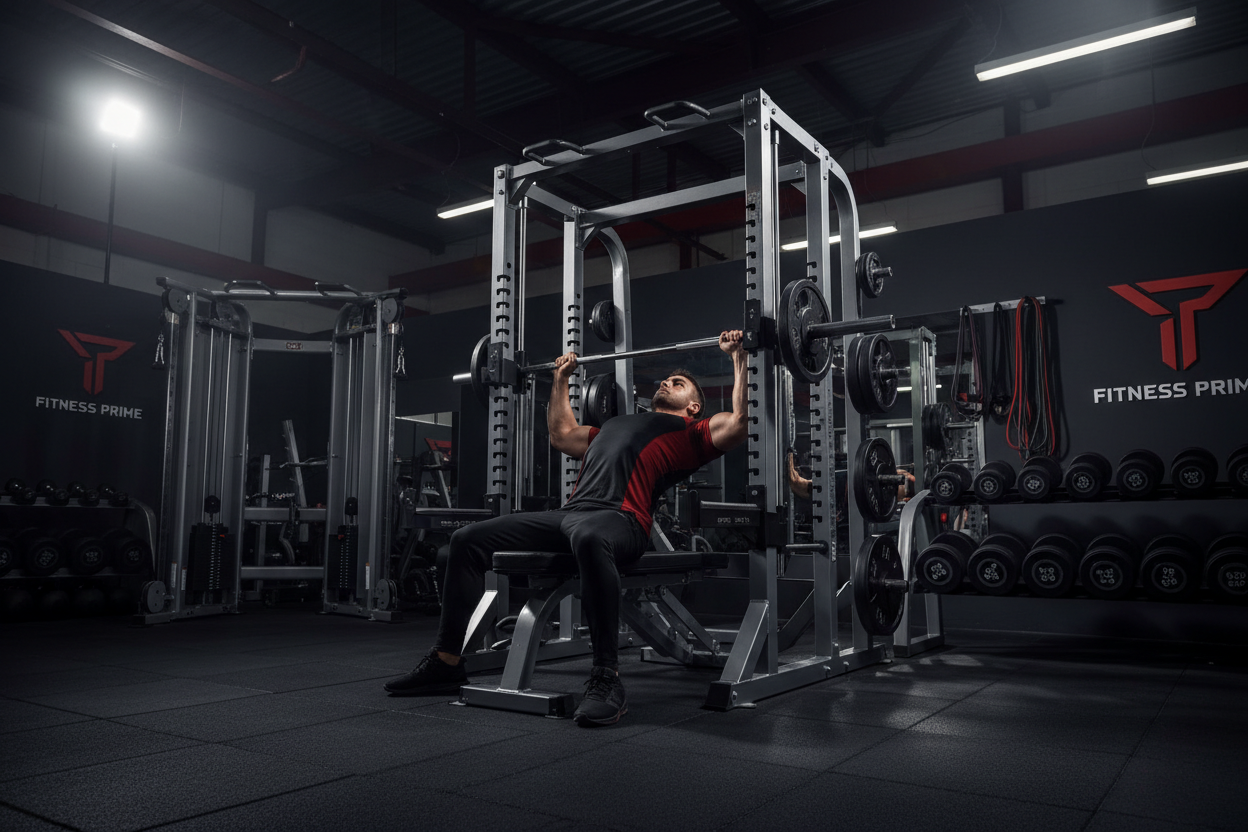
Exercises like the barbell bench press and incline dumbbell press form the foundation of the routine. These multi-joint lifts engage the chest, shoulders, and triceps, allowing for heavier loads that stimulate muscle growth. For example, starting with a flat barbell bench press at moderate volume sets the tone for a productive workout and helps maintain long-term strength progression.
Isolation Work for Muscle Detailing
After the foundational lifts, isolation moves such as cable flyes or pec deck flyes help create definition by engaging the pectorals more directly. In the Jacked Factory chest workout, these exercises are programmed with controlled tempos to recruit maximum muscle fibers while reducing injury risk.
Programming and Progression
Progressive overload is at the heart of building muscle, and this workout structure relies on gradually increasing weight, reps, or intensity over time. That might involve incrementally adding plates to the bench press or lengthening time-under-tension in flyes. Training frequency for chest is usually 1–2 times per week, allowing for full recovery and muscular adaptation.
Sample Chest Day Routine
- Barbell Bench Press – 4 sets of 6–8 reps
- Incline Dumbbell Press – 3 sets of 8–10 reps
- Cable Flyes – 3 sets of 12–15 reps
- Dips (Chest Emphasis) – 3 sets to failure
- Push-Ups – 2 sets to failure as a finisher
Personal Experience and Insights
When I first tried the Jacked Factory chest workout, I underestimated how challenging the controlled tempo on isolation moves would be. In my first month, I noticed improved upper chest activation during incline dumbbell presses, something I hadn’t achieved with my older routines. Incorporating dips with a forward lean also brought noticeable growth to the lower pec region. The key takeaway for me was that consistent application of structured programming yields better long-term results than randomly switching exercises each week.
Nutrition and Recovery Support
Muscle growth does not happen solely in the gym. Adequate protein intake, balanced carbohydrates, and healthy fats play crucial roles. The workout pairs well with nutritional strategies that emphasize recovery, such as post-workout meals rich in lean protein and slow-digesting carbs. Equally important is ensuring enough sleep and active recovery to keep performance high.
Common Mistakes to Avoid
Beginners and even experienced lifters often fall into traps that slow progress. Skipping warm-ups increases injury risk, while poor bench press form can strain shoulders instead of targeting the chest effectively. The Jacked Factory chest workout addresses these concerns by including preparatory sets and clear cues for form.
Final Thoughts
Building a strong, aesthetic chest involves more than just lifting heavy weights. A structured plan like the Jacked Factory chest workout provides balanced muscle activation, progressive overload, and recovery considerations. If performed consistently and paired with smart nutrition, lifters can expect strength gains, improved definition, and better overall upper body performance.