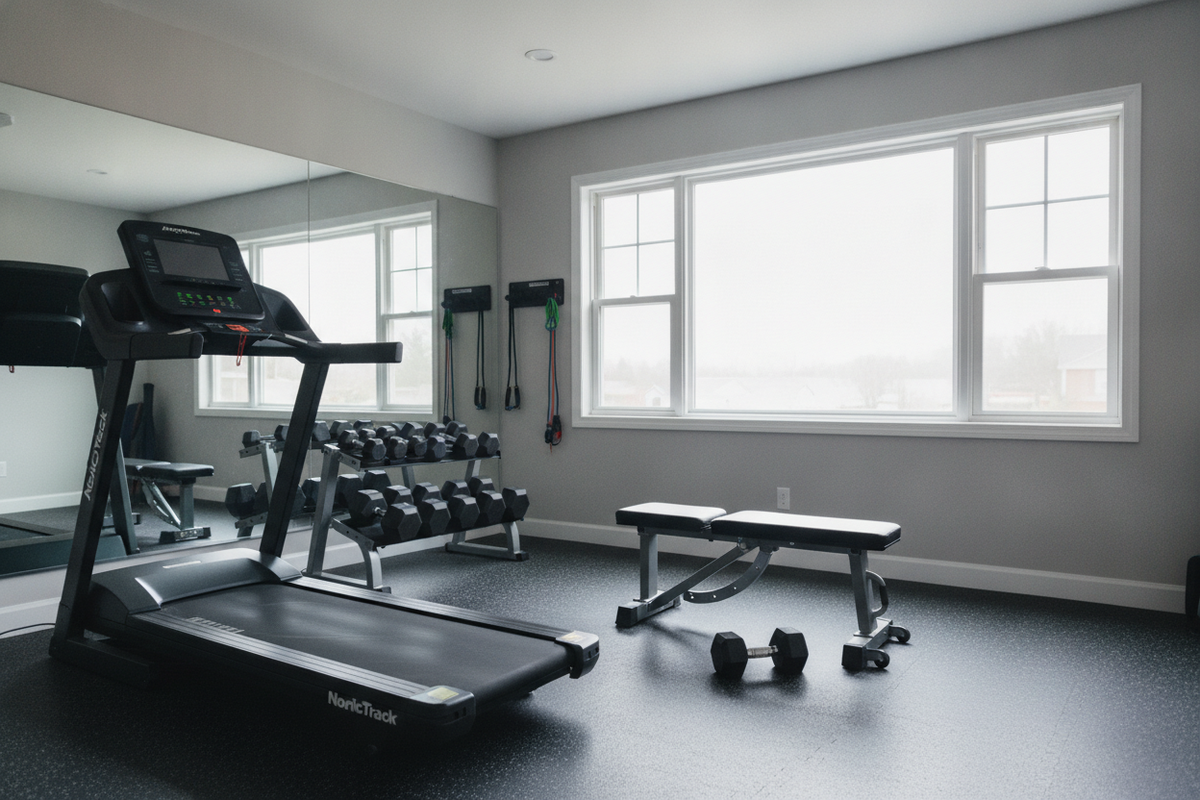
Cardio to Strength Training Ratio for Home Workouts
Finding the right cardio to strength training ratio is essential when building a balanced home fitness routine. When setting up a personal training space, deciding how much time to spend on conditioning versus resistance work determines your weekly schedule, equipment needs, and overall physical progress. A well-considered cardio to strength training ratio helps you develop cardiovascular health and muscular strength without overtaxing your joints or energy levels.
Many fitness enthusiasts struggle to establish the right balance because conventional advice often pits lifting against cardiovascular exercise. In reality, both styles of training complement each other when planned thoughtfully. Performing regular cardio workouts expands your aerobic base, which supports faster recovery between demanding sets of strength training. Meanwhile, dedicated strength training reinforces joints, builds bone density, and prevents injuries during repetitive aerobic conditioning. If your primary goal involves managing body weight, our guide to choosing cardio or strength for weight loss provides helpful perspective on how these methods interact.
Understanding the Cardio to Strength Training Ratio for Your Goals
Your ideal cardio to strength training ratio depends on what you want to achieve, your current fitness level, and your weekly schedule. An athlete preparing for a marathon naturally needs a different schedule than someone focused on building muscle mass. When you establish your baseline cardio to strength training ratio, start by reviewing your weekly workout routine to determine how many days you can realistically train while allowing adequate rest.
For all-around health and general fitness, a balanced cardio to strength training ratio gives equal attention to both disciplines. This approach typically combines two or three days of weight training with two or three dedicated cardio sessions. In my own home gym workouts, keeping strength and conditioning days clearly defined makes it far easier to bring full energy to heavy lifting without feeling sluggish. Organizing your training calendar this way raises your weekly energy expenditure while leaving enough physical reserve to avoid burnout.
Finding the Right Cardio to Weight Training Ratio by Goal
Adjusting your cardio to weight training ratio allows you to tailor your training to specific physical adaptations. Depending on your primary focus, your cardio to weight training ratio can emphasize muscle retention, aerobic stamina, or overall athletic conditioning.
- Muscle Preservation and Growth: When building or keeping muscle mass is your main objective, your cardio to weight training ratio should tilt heavily toward resistance training. In this schedule, heavy lifting takes precedence across three to four weekly sessions, while short, low-intensity cardio workouts serve primarily to aid blood flow and support muscle recovery. Keeping cardio sessions moderate prevents unnecessary fatigue that might compromise your lifting performance.
- Aerobic Endurance: If your priority is preparing for road races, cycling, or field sports, your cardio to weight training ratio will favor endurance training. Dedicated cardio sessions take up three to four days of your weekly workout routine to maximize aerobic conditioning, while one or two days of weight training help maintain posture, joint integrity, and power.
- Balanced Conditioning and Body Composition: If you want to lean out while maintaining athletic capability, an even cardio to weight training ratio works best. Alternating weight training sessions with dynamic cardio workouts improves body composition by sustaining high energy expenditure while giving muscles time to rebuild. For an analysis of hybrid workout videos that combine both modalities, explore our breakdown of strength training cardio formats.
What is the ideal cardio to strength training ratio for general fitness?
The ideal cardio to strength training ratio for general fitness is an even split of two to three strength sessions paired with two to three cardio sessions each week. This balanced schedule provides the health benefits of resistance training alongside the cardiovascular perks of steady aerobic conditioning.
By distributing your workouts throughout the week, you can stimulate muscle mass with dumbbells and barbells while limiting excessive joint impact from repetitive running or jumping. For example, a balanced weekly workout routine might schedule full-body resistance training on Monday and Thursday, with moderate cardio workouts such as rowing or cycling on Tuesday and Friday. This structure keeps your routine varied, manages cumulative fatigue, and ensures your cardio to strength training ratio stays sustainable over months of training.
Can changing your cardio to weight training ratio prevent muscle loss?
Yes, adjusting your cardio to weight training ratio in favor of resistance training is one of the most reliable ways to prevent muscle loss during periods of increased physical activity or calorie reduction. Prioritizing weight training signals the body to preserve lean muscle mass, even while you burn calories through supplementary cardio sessions.
When lifters perform too much high intensity cardio without sufficient resistance training, the body may struggle to maintain muscle recovery, leading to fatigue and gradual loss of lean tissue. Shifting your cardio to weight training ratio toward three or four weekly lifting days ensures that heavy lifting remains the primary training stimulus. Shorter, low-impact cardio workouts can then be scheduled around your lifting days to support general cardiovascular conditioning without cannibalizing strength gains.
How Movement Types and Accessories Influence Your Plan
The tools and movement patterns you choose directly influence how your cardio to strength training ratio feels throughout the week. Incorporating compact equipment like kettlebells, medicine balls, and adjustable dumbbells makes it possible to blend strength movements and conditioning into fast-paced circuit training. Equipping your workout area with versatile gear from a selection of strength training accessories allows you to transition seamlessly between heavy lifting sets and dynamic intervals without needing bulky commercial machines.
Different exercises place distinct demands on your joints and central nervous system. A session centered on jump rope intervals delivers high-cadence plyometric footwork that increases heart rate quickly while testing lower-leg elasticity. In contrast, heavy lifting with dumbbells or barbells creates high mechanical tension and demands deliberate pacing. When you calibrate your cardio to strength training ratio, factor in the cumulative joint impact of each exercise. Pairing high-impact jump rope drills with lower-body heavy lifting on the same day can overload tendons, whereas alternating impact-heavy cardio sessions with upper-body resistance training supports steady muscle recovery and joint comfort.
Floor Protection and Shock Absorption for Mixed High-Impact Work
Balancing a hybrid cardio to strength training ratio requires home gym flooring that can handle two very different types of physical stress. Repetitive jump rope routines, lateral agility drills, and high intensity cardio create repeated surface impacts that can strain joints and wear down hard subfloors. Meanwhile, heavy lifting with iron weights and kettlebells creates concentrated pressure points that risk causing cracked tiles or subfloor damage if weights are set down hard.
Dense exercise mats provide crucial shock absorption that cushions footsteps during vigorous cardio workouts while offering a sturdy foundation for heavy lifting. Without adequate floor protection, dropped dumbbells or aggressive plyometrics can lead to permanent subfloor damage in garages, basements, or spare rooms. To learn more about organizing your workout surface for different lifting and conditioning styles, read our guide to cardio and weight training space planning. High-grade exercise mats strike the right balance by delivering dependable traction for quick cardio footwork alongside the firmness needed to support heavy resistance training.
Equipment Placement and Mat Maintenance in Hybrid Gym Spaces
Proper equipment placement makes executing a mixed cardio to strength training ratio smooth and safe in smaller home gyms. Dedicate a central open area fitted with non-slip exercise mats for circuit training, bodyweight conditioning, and jump rope work. Position heavy storage racks, free weights, and dedicated machinery like a plate-loaded lower body strength machine along perimeter walls. This equipment placement prevents tripping hazards and ensures you have a clear runway for high intensity cardio intervals.
Consistent mat maintenance is equally important when maintaining a multipurpose workout surface. Hybrid routines combine the heavy sweat of intense cardio sessions with the dust, chalk, and friction of strength training. Over time, accumulated residue can reduce surface traction, making quick lateral cuts or heavy squats less secure. Regular mat maintenance involves sweeping away loose dirt and wiping down your exercise mats with a mild, non-abrasive detergent. Keeping your home gym flooring clean maintains essential shock absorption and grip, ensuring every session of your cardio to strength training ratio remains safe and productive.
Should I perform cardio before or after lifting in a home workout?
You should perform cardio after your lifting session if your main goal is building strength, improving body composition, or increasing muscle mass. Lifting first ensures your energy reserves and mental focus are fresh, allowing you to handle heavy lifting with proper form and high power output.
If your primary training objective is endurance training or cardiovascular conditioning, doing your cardio workouts before resistance training makes sense. However, for most people balancing a cardio to strength training ratio at home, completing resistance training first maximizes muscular recruitment. Following your lifting sets with moderate cardio sessions lets you finish your daily workout with elevated energy expenditure while safeguarding lifting performance and promoting overall muscle recovery.
Refining Your Routine Over Time
Establishing an effective cardio to strength training ratio is not a permanent, one-time decision. As your fitness improves, seasons shift, or specific goals evolve, you can adjust your cardio to weight training ratio to suit your needs. Monitoring factors like joint comfort, sleep quality, and energy levels will tell you when it is time to add another strength training day or scale back on high intensity cardio. By pairing a thoughtful schedule with quality home gym flooring and reliable equipment placement, your home gym will remain an inspiring and durable space for reaching your long-term fitness potential.