Trying to lose weight cardio or strength training? The brutal truth
I spent three years as a treadmill zombie. Every morning at 6:00 AM, I’d climb onto a squeaky belt and run until my lungs burned, convinced that this was the only way to lose weight cardio or strength training. I was chasing a number on the scale that refused to budge, even though I was drenched in sweat every single day and my knees felt like they were filled with gravel.
The reality is that most people approach fat loss like they’re trying to empty a swimming pool with a teaspoon. You’re working hard, but you’re using the wrong tool for the job. If you want to change how you look in the mirror—not just what the scale says—you need to stop fearing the heavy iron and understand how your metabolism actually works.
Quick Takeaways
- Cardio burns more calories during the actual workout, but lifting burns more over a 24-hour period.
- Muscle tissue is metabolically expensive; the more you have, the higher your resting metabolic rate.
- Steady-state cardio alone often leads to a skinny-fat physique rather than a lean one.
- A hybrid approach is the fastest way to lose weight cardio or weights.
The Treadmill Trap: Why I Stopped Running to Nowhere
My journey started with a cheap pair of sneakers and a lot of misplaced enthusiasm. I thought losing weight cardio or strength training was a binary choice, and I chose the one that made me huff and puff the most. I even cleared out my garage and laid down a large exercise mat for cardio to do endless burpees and mountain climbers in an effort to sweat the pounds away.
I lost 15 pounds in two months, but I looked terrible. My clothes fit better, but I had zero muscle definition and felt weak. I was skinny-fat—soft around the edges and constantly exhausted. Plus, my appetite was through the roof. Running for an hour made me want to eat everything in the pantry, effectively canceling out the 500 calories I’d just burned. It was a treadmill to nowhere.
The Metabolic Furnace: What Heavy Iron Actually Does
Everything changed when I stopped obsessing over the calorie counter on the elliptical and started tracking my lifts. When people ask does strength training or cardio burn more fat, they usually forget about EPOC (Excess Post-exercise Oxygen Consumption). Lifting heavy weights creates a metabolic disturbance that keeps your body burning extra calories for hours after you leave the gym.
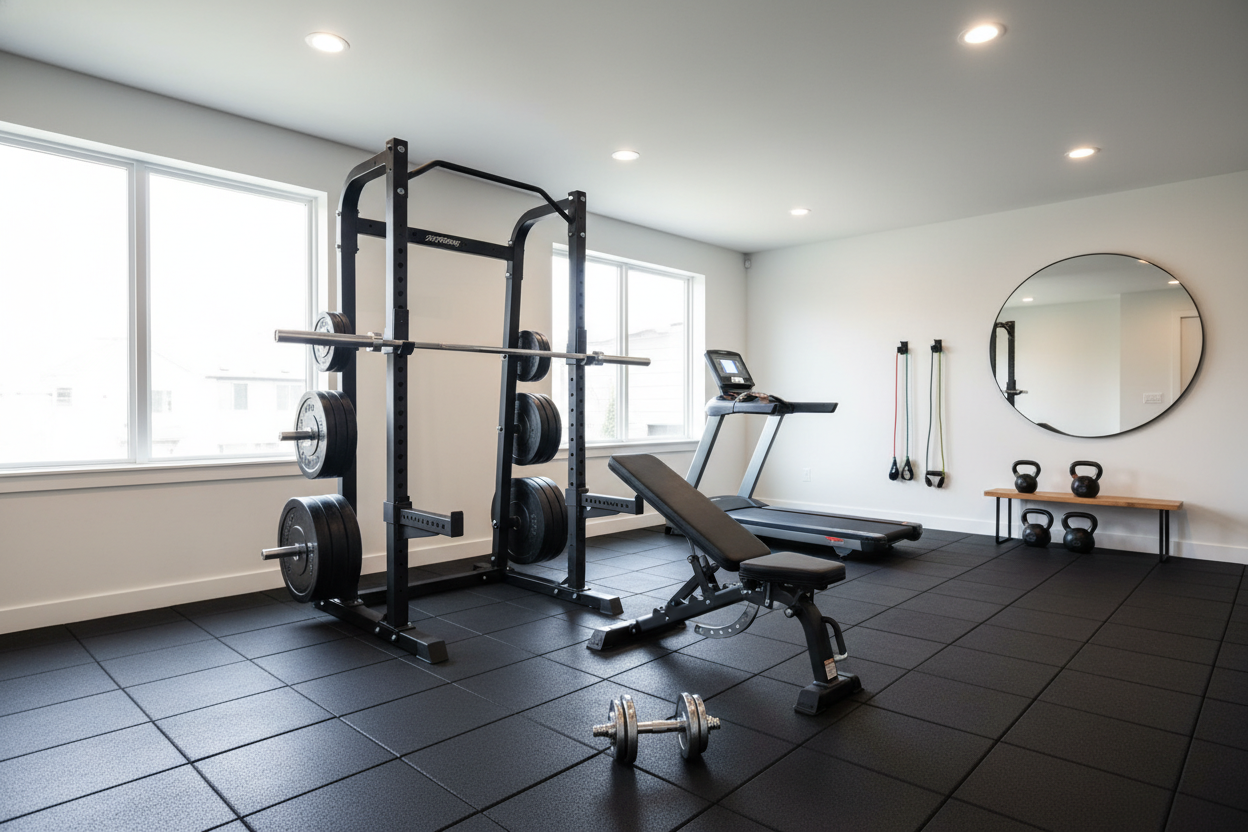
I started small, using basic weight lifting machines at a local club to get my form down before moving to free weights. The difference was night and day. Unlike jogging, where the calorie burn stops the second you step off the machine, weightlifting builds muscle. By adding just five pounds of lean mass, you're essentially upgrading your engine from a four-cylinder to a V8. You burn more fat while you're sleeping because muscle requires more energy to maintain than fat.
The 'Cardio Body' vs. The 'Weightlifting Body'
Let's talk about the cardio vs weights body. If you only do cardio, you become a smaller version of your current self. If you’re soft now, you’ll just be a smaller, soft person later. Weightlifting is what actually changes your shape. It builds the shoulders that make your waist look smaller and the glutes that actually fill out a pair of jeans. It is the difference between looking frail and looking fit.
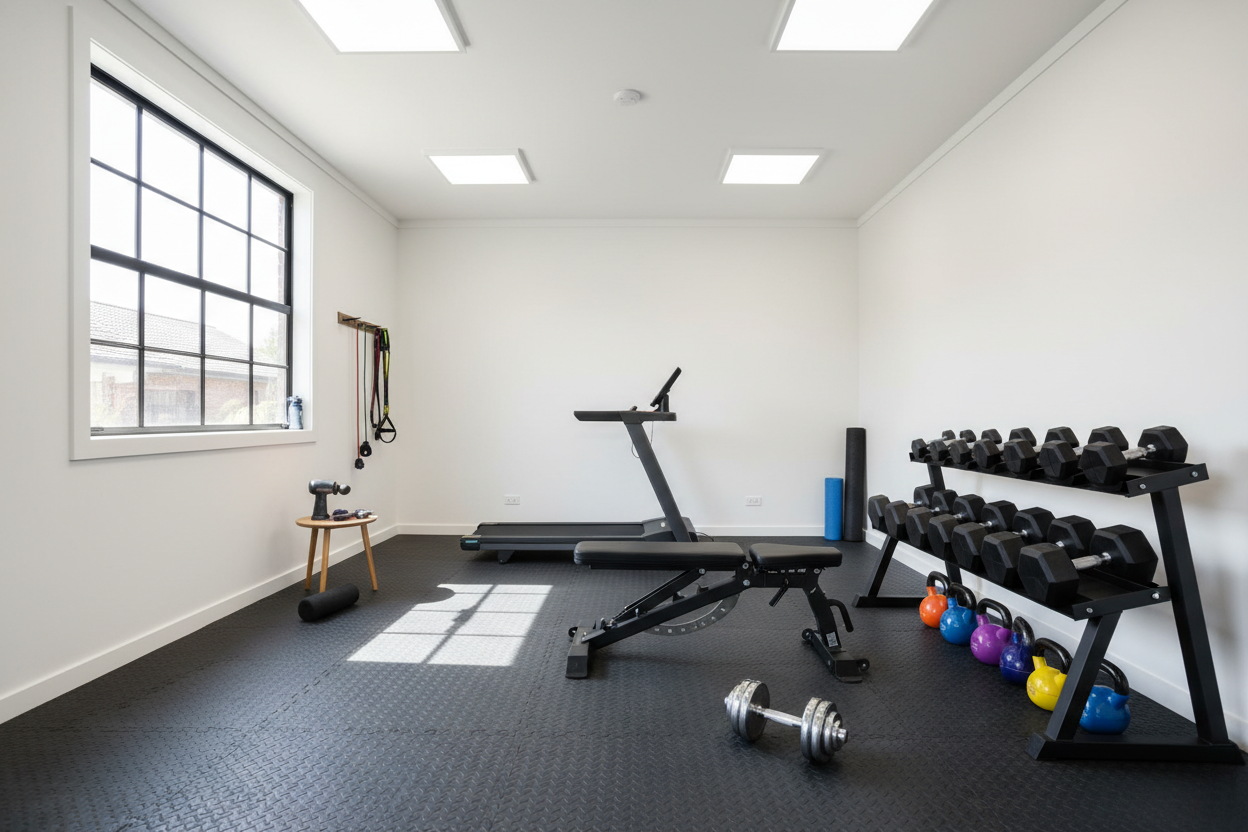
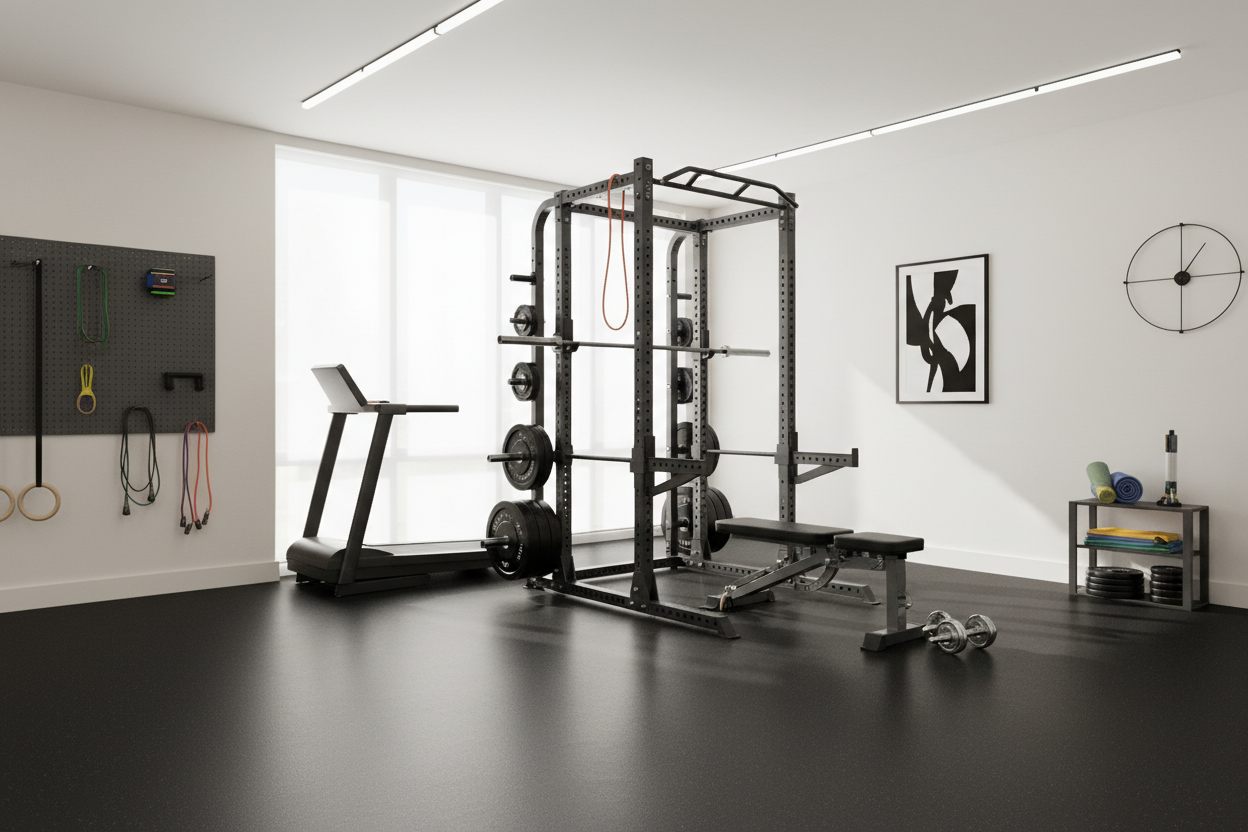
You don't need a commercial gym membership to see these results. I eventually ditched the monthly fee and bought a basic weight set and bench for my spare room. Lifting vs running for weight loss isn't just about the scale; it's about body composition. Strength training preserves your muscle while you're in a calorie deficit, ensuring the weight you lose is actually body fat, not lean tissue that you worked hard to build.
Why You Can't Out-Train a Terrible Diet
Here is the part most people hate: you cannot out-train a bad diet. I don't care if you're doing weight lifting and cardio for weight loss for three hours a day. If you’re eating in a 1,000-calorie surplus, you will gain weight. Period. Neither a treadmill nor a squat rack can save you from a diet of processed junk.
Lifting weights or cardio for fat loss only works if you're giving your body a reason to tap into its fat stores. Think of exercise as the architect and your diet as the construction materials. You can have the best blueprints in the world, but if you're bringing trash to the job site, the house is going to look like garbage. Focus on protein and whole foods to support the work you're doing in the gym.
How to Combine Both Without Hating Your Life
The real secret isn't choosing one; it's learning how to stop debating weight training or cardio and using them together strategically. I treat lifting as the main course. I hit the weights 3-4 times a week to keep my metabolism high and protect my muscle. Cardio is the side dish—I do it for heart health and to burn a few extra calories without overtaxing my recovery.
If you're short on time, a 60 minute HIIT and strength session is the most efficient way to get the best of both worlds. It keeps your heart rate spiked while still challenging your muscles with resistance. This hybrid approach is how you lose weight with cardio or weights without burning out, getting bored, or looking like a deflated balloon at the end of your program.
FAQ
Is cardio or weights better for losing fat?
Weights are superior for long-term fat loss because they increase your resting metabolism. Cardio is great for immediate calorie burn, but it won't change your body shape or metabolic baseline the way lifting will.
Does running or lifting weights burn more fat?
In a single 30-minute session, running usually burns more calories. However, lifting weights leads to more fat loss over time because of the afterburn effect and the metabolic cost of maintaining muscle tissue.
How much cardio and weights to lose weight?
A solid starting point is 3 days of strength training and 2 days of low-to-moderate intensity cardio. This balance prevents overtraining while maximizing your metabolic rate and cardiovascular health.