Are the 'Best Strength Training Videos for Women' Actually Just Cardio?
I spent three weeks trying to follow the most popular YouTube workouts to see if they lived up to the hype. I ended up sweaty, annoyed, and surprisingly weaker on my main lifts. Most of the best strength training videos for women on the platform have one major flaw: they are actually just high-intensity interval training (HIIT) sessions in disguise. If you are looking to actually build muscle, you have to stop chasing a 'burn' and start chasing tension.
- Most 'strength' videos focus on calorie burn rather than muscle hypertrophy.
- True strength training requires rest periods of at least 60 to 90 seconds.
- Low-rep, heavy-weight sets are the fastest way to change body composition.
- Progression is impossible if you don't track your numbers in a logbook.
Why Most 'Lifting' Videos Are Just Sneaky HIIT
I have scrolled through hundreds of thumbnails featuring women holding 3-lb neoprene dumbbells while smiling. The routine usually goes like this: 45 seconds of work, 15 seconds of rest, and a heart rate that stays in the stratosphere for 30 minutes. That is not a strength workout. That is a cardio session with props. When you move that fast, you aren't recruiting the high-threshold motor units required to actually build muscle tissue. You are just getting better at being tired.
Real strength training is boring to watch, which is why it does not perform well on social media. It involves doing five reps of a heavy goblet squat, then sitting on a bench for two minutes doing absolutely nothing while your ATP stores replenish. The industry has sold women on the idea of 'toning,' a fake term designed to make lifting sound less intimidating. In reality, 'tone' is just muscle mass plus low body fat. You won't get that muscle mass by doing 50 reps of air squats. You get it by putting a heavy load on your back and forcing your central nervous system to adapt.
The problem with these follow-along videos is the lack of intensity. If you can talk through the entire set, or if the instructor is shouting motivational quotes while doing the movement, the weight is too light. I have seen 'strength' routines that utilize 'pulses' and 'burnouts' that feel hard in the moment but provide zero stimulus for actual growth. You are essentially doing aerobics with a paperweight. If your goal is to get stronger, you need to stop prioritizing how much you sweat and start prioritizing how much you can move.
How to Spot a Real Lifting Routine in 30 Seconds
Before you commit 45 minutes of your life to a video, do a quick audit. Skip to the middle. Is the instructor out of breath? If they are gasping for air, it is a cardio workout. A real lifting coach will have a steady heart rate because they are taking the necessary rest to ensure the next set is as heavy as the last. Look at the rep counts. If the video suggests you do anything for 'one minute straight,' close the tab. Strength happens in the 5-12 rep range for most people, and those reps should take focus and grit.
Another red flag is the equipment—or lack thereof. Many videos claim you can get 'bulky' results with just your body weight or a single light kettlebell. While bodyweight movements have their place, you eventually hit a ceiling. If the video doesn't mention the need for strength training accessories like wrist wraps or lifting belts as you progress, they aren't planning for your long-term growth. They are planning for a one-time view. Look for coaching cues that focus on 'bracing the core,' 'driving through the floor,' and 'maintaining a neutral spine' rather than just 'keep moving' or 'feel the fire.'
A genuine routine will focus on the big four: some variation of a squat, a hinge, a push, and a pull. If the video is 20 minutes of 'glute rainbows' and 'side-lying leg lifts,' it is a waste of your time. You need compound movements that use multiple joints at once. This is what builds the functional strength that actually carries over to real life, like carrying all the groceries in one trip or deadlifting a 50-lb bag of dog food without throwing your back out.
My Search for the Best Weight Training Video for Women
Finding the best weight training video for women felt like looking for a needle in a haystack of neon spandex. I finally found a few creators who actually treat their audience like athletes rather than 'fitness enthusiasts.' These creators don't just show you what to do; they explain the 'why.' They talk about progressive overload—the concept of adding a little more weight or one more rep every single week. Without this, you will look exactly the same six months from now as you do today.
The difference between 'follow-along' entertainment and digital coaching is massive. A follow-along video is designed to keep you busy while the clock runs down. A digital coach gives you a program. They tell you to pause the video, do your set, and record your weight. I noticed that when I switched from the high-rep 'burn' videos to actual programmed lifting, my clothes fit better, my energy levels stabilized, and I actually started to see muscle definition in my shoulders that years of 'sculpting' videos never provided.
I recommend looking for videos that are structured in blocks. For example, a 10-minute thorough warm-up followed by three primary strength movements, and maybe a short 'finisher' at the end. This structure respects the physiological requirements of muscle building. It allows you to put your maximum effort into the heavy lifts while your nervous system is fresh. Most women are terrified of 'bulking up,' but the reality is that building muscle is incredibly difficult. You won't accidentally wake up looking like a bodybuilder. You will, however, wake up feeling significantly more capable.
Setting Up Your Living Room or Garage for Heavy Sets
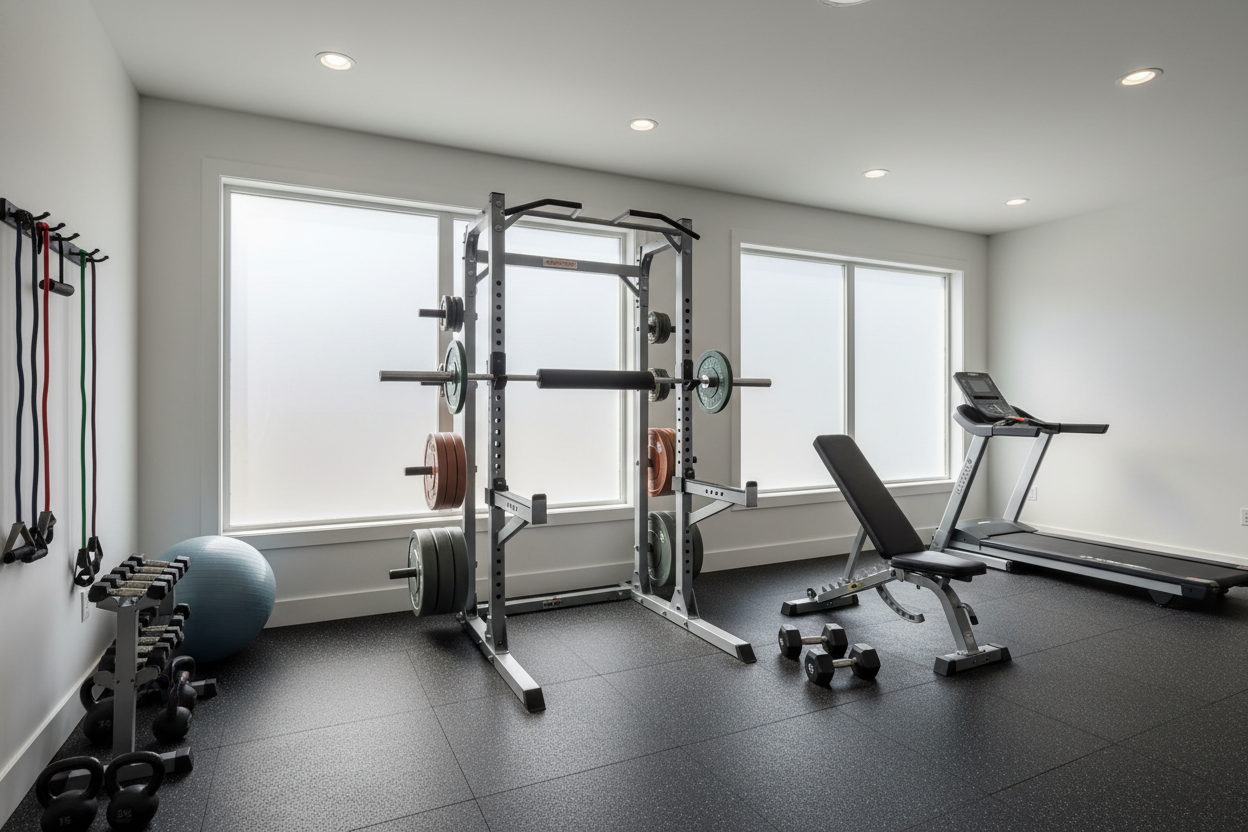
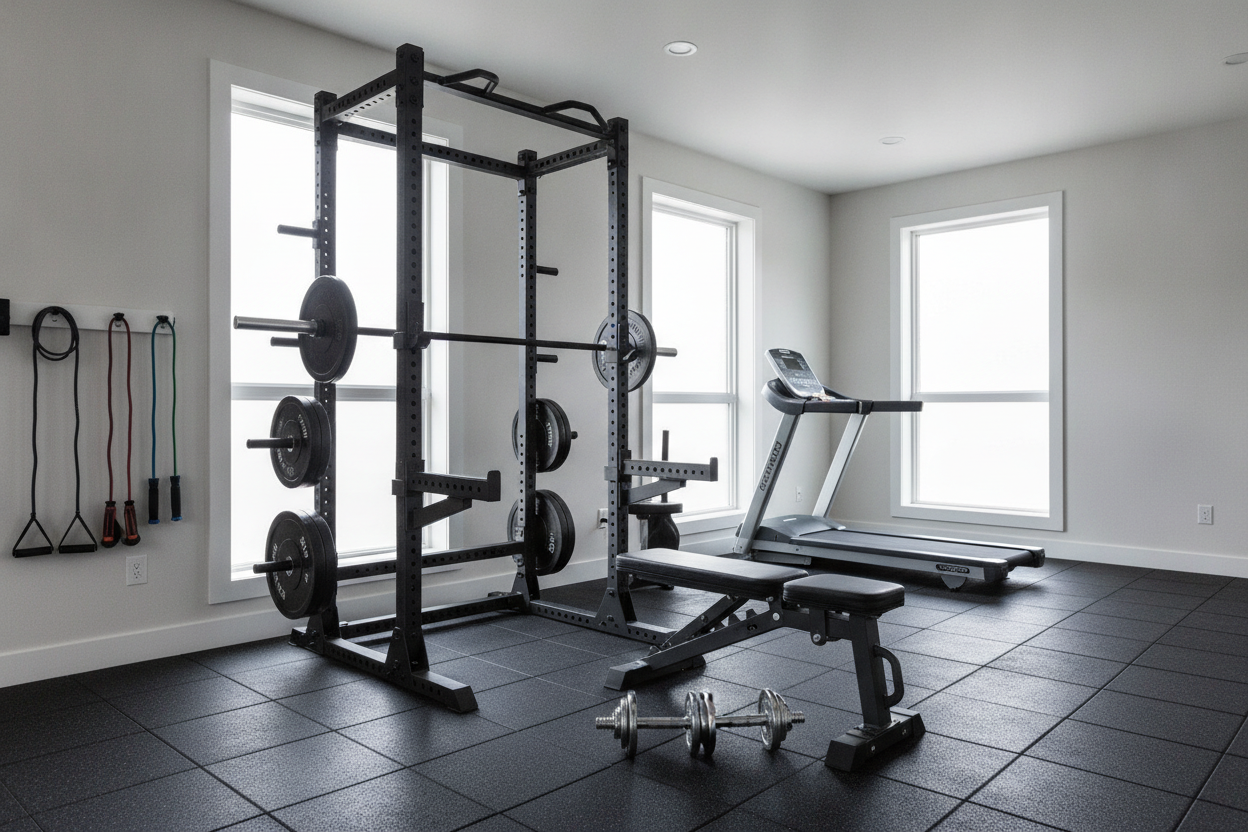
If you are serious about moving away from cardio-masked-as-lifting, you need a basic gear setup. You cannot build a strong posterior chain with a pair of 5-lb dumbbells you found at a garage sale. You need weight training equipment for your goals, which usually means a set of adjustable dumbbells or a barbell. When I moved my training from the living room rug to a dedicated space in my garage, my progress exploded because I finally had the tools to fail safely.
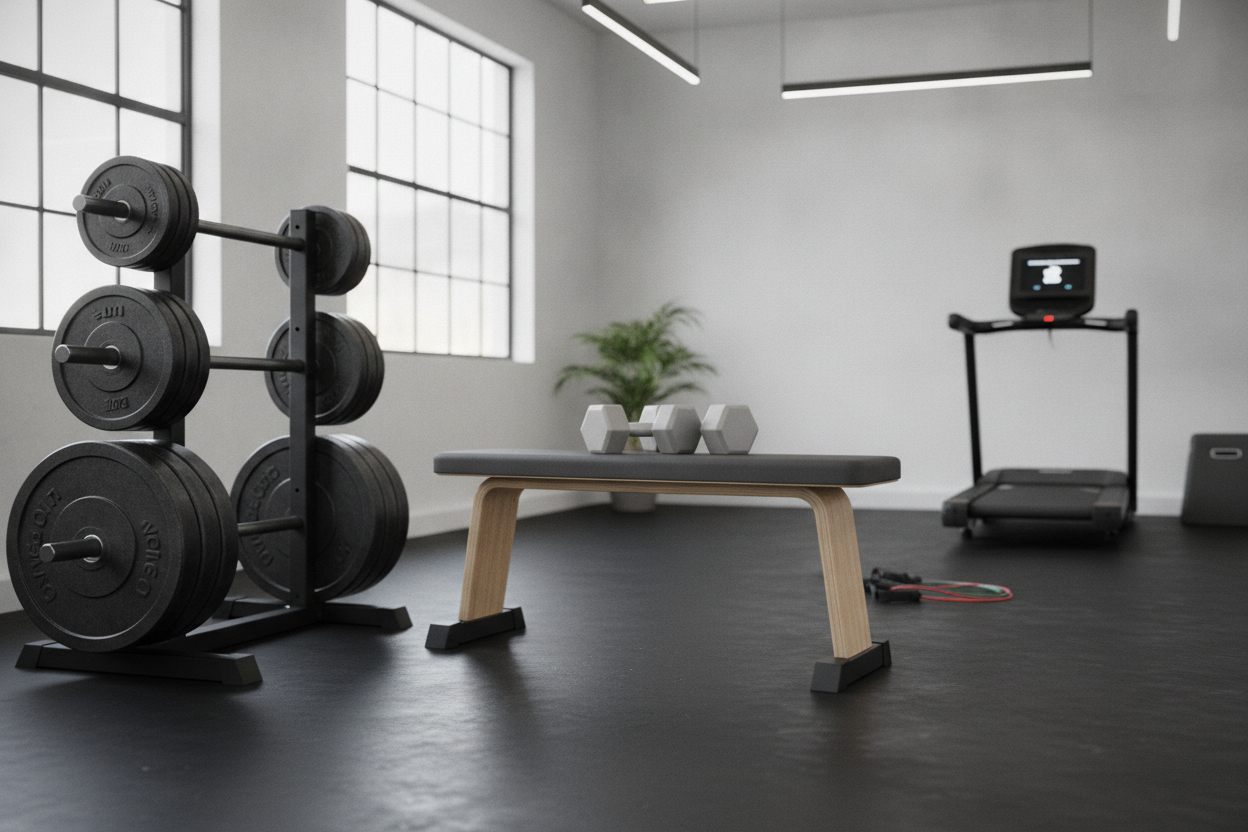
The first thing you should buy isn't a fancy tracker or a new pair of leggings; it is a solid place to sit and press. A Gxmmat Adjustable Weight Bench is a foundational piece of hardware. It allows you to perform chest presses, rows, and step-ups with a level of stability that a coffee table or a couch just can't provide. Stability equals strength. If your body feels unstable, your brain will literally stop your muscles from firing at 100% capacity to protect you from injury. A sturdy bench fixes that instantly.
Once you have a bench and some weights, you need to think about the floor. If you are worried about dropping a 35-lb dumbbell on your hardwood, you are going to hold back on your lifts. Get some horse stall mats or high-density foam tiles. Create an environment where you are allowed to be loud and heavy. The psychological shift that happens when you stop 'exercising' and start 'training' is where the real results live. You are no longer just a spectator to a screen; you are the owner of your own progress.
Stop Streaming and Start Tracking
The hard truth is that you should eventually outgrow workout videos. They are a fantastic starting point for learning what a Romanian Deadlift looks like or how to properly execute a shoulder press, but they are a ceiling on your potential. Once you know the form, the screen becomes a distraction. You shouldn't be trying to keep up with a 22-year-old instructor's pace; you should be focusing on your own tempo and the quality of every single rep.
I used to be addicted to the 'newness' of different videos every day. I thought variety was the key to 'confusing the muscles.' It’s a lie. Muscles don't need to be confused; they need to be challenged. I saw my best results when I picked five basic movements and did them every week for three months, slowly increasing the weight. I traded my iPad for a $5 notebook. I wrote down my sets, my reps, and how I felt. That data is worth more than any 'best strength training' video on the internet.
FAQ
Can I build muscle with just bodyweight videos?
Only for a short time. Your body adapts quickly to its own weight. To keep building muscle, you need to add external resistance. Eventually, you will need dumbbells, kettlebells, or a barbell to keep seeing changes.
How long should I rest between sets?
If you are lifting for strength, wait at least 60 to 90 seconds. If you are going very heavy (3-5 reps), you might need 3 minutes. If you don't feel recovered enough to give the next set your full effort, you haven't rested long enough.
Why am I not seeing results from my workout videos?
You are likely doing too much cardio and not enough heavy lifting. If the video has you doing high reps with light weights and no rest, you are burning calories but not necessarily building the muscle tissue that creates a 'toned' look.
Do I need a gym membership to get strong?
No, but you do need equipment. A set of adjustable dumbbells and a sturdy bench are enough to get you through the first two years of serious training at home.