Why Your Day 1 Workout Plan Should Feel Embarrassingly Easy
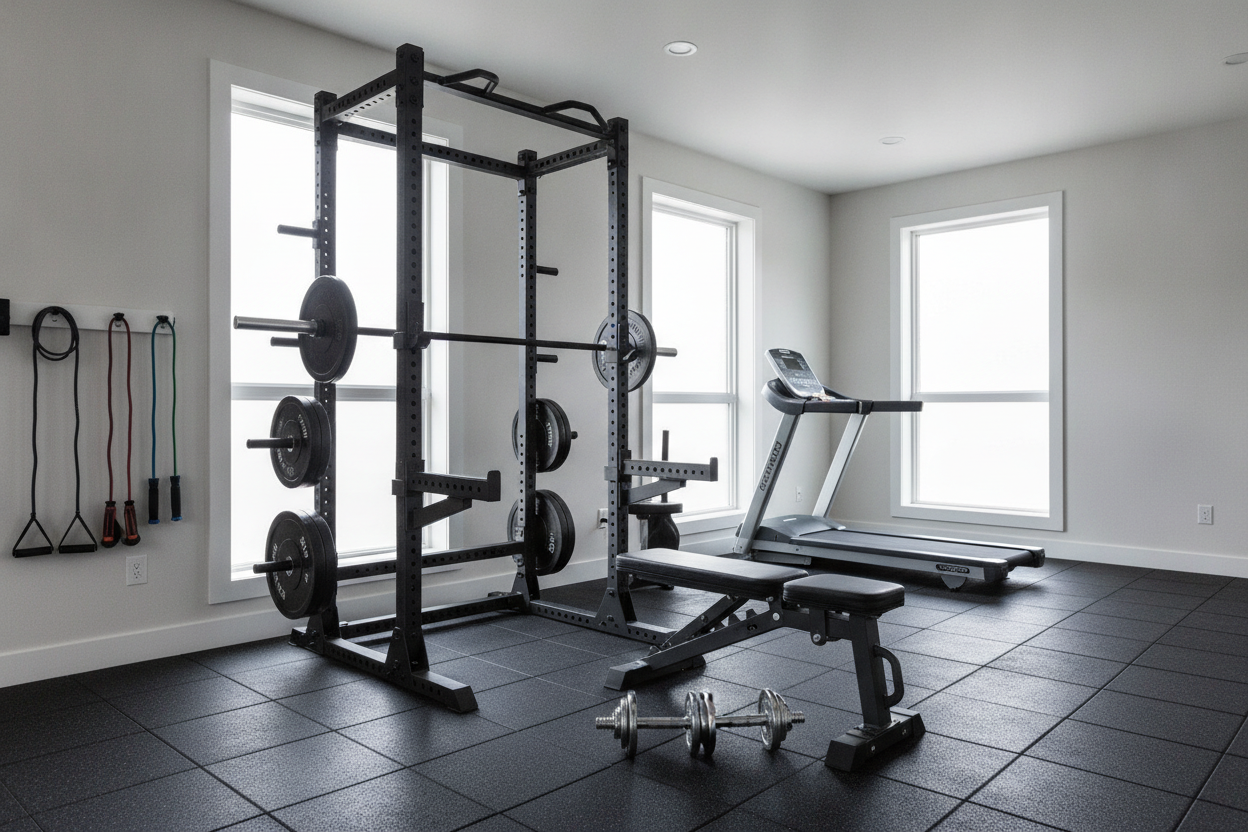
I remember the first time I set up my garage gym. I spent four hours unboxing a power rack, bolting it to the floor, and obsessing over whether my 45-lb plates were within a 1% weight tolerance. Then, I tried to pull a heavy triple. I woke up the next morning feeling like I’d been hit by a freight train. Your day 1 workout plan shouldn't be a test of your soul; it should be a low-stakes walkthrough to make sure your equipment actually works and your joints aren't made of glass.
The Soreness Trap: Why 'Going Hard' Is a Terrible Idea
The biggest mistake I see people make is trying to earn their entire fitness results in a single session. They walk in, load up the bar, and chase a pump until they can't lift their arms to wash their hair. This is the 'Soreness Trap.' If you trigger extreme delayed onset muscle soreness (DOMS) on day one, you aren't going to show up for day two. You'll spend the next four days hobbling around and resenting the gym.
You need to resist the urge to jump straight into a grueling 1 hour chest workout plan that involves ten different variations of the press. Your tendons and ligaments need time to adapt to the new load, even if your muscles feel like they can handle more. A successful first day is one where you leave the gym feeling like you could have done twice as much work.
Treat Your First Session Like a Recon Mission
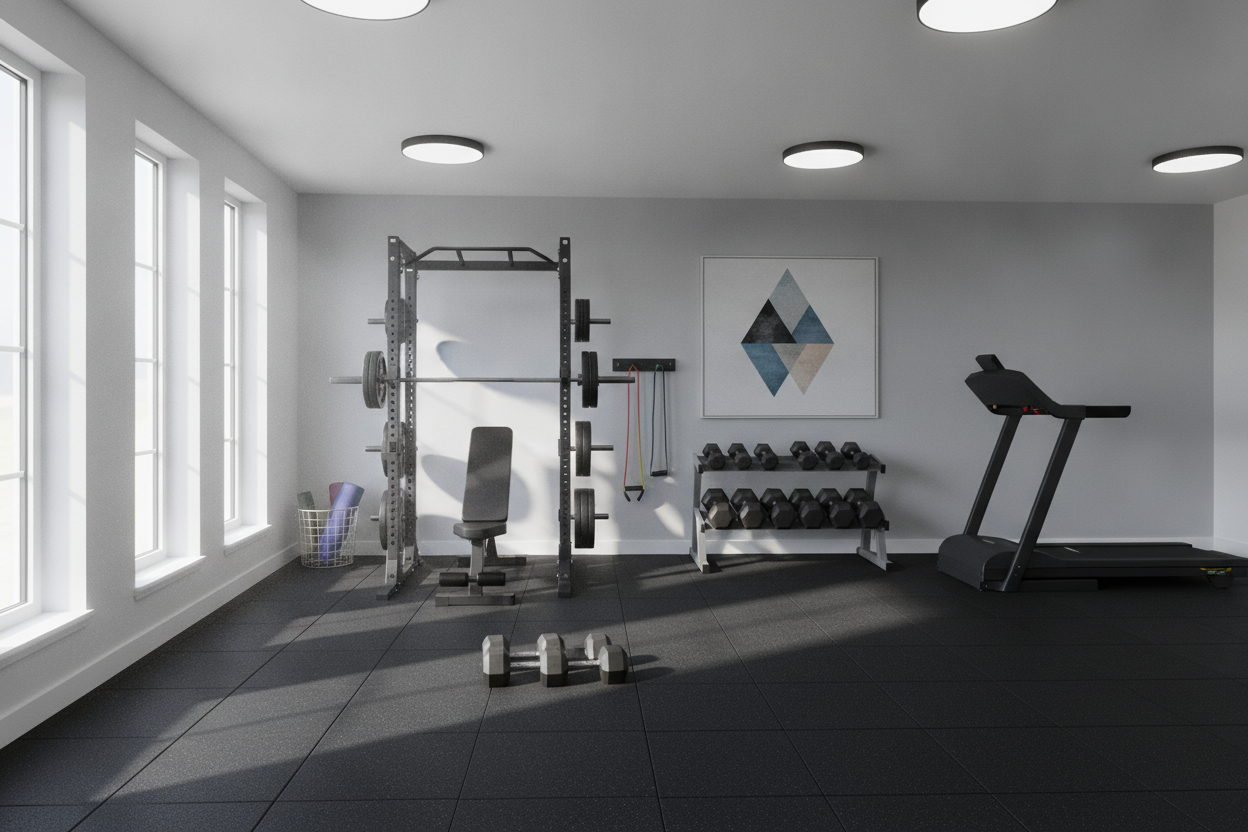
Think of your first day as a data-gathering mission. You’re testing the cable tension on your pulley system, finding the right pin height for your squat rack, and seeing if that new bench wobbles when you lie down. It's about logistics, not intensity. I usually start my sessions by rolling out a large exercise mat just to claim my space and do some basic mobility work. It gives me a chance to scan the room and plan my transitions without feeling rushed.
If you're at a commercial gym, use this time to figure out which machines are out of order and where the 25-lb dumbbells actually live. If you're at home, check your clearances. There’s nothing worse than starting a set of overhead presses only to realize you’re about to smash your ceiling fan. Use day one to map out the physical flow of your training.
The Embarrassingly Light Day 1 Workout Plan
This routine is designed to be finished in 30 minutes. You’re going to do two sets of each move. Use a weight that feels like a 4 out of 10 in terms of difficulty. If you’re tempted to add more weight, don't. Save that energy for next week.
1. The Goblet Squat (Testing Your Hips)
Grab a light kettlebell or a single dumbbell—something in the 15 to 25-lb range. Hold it against your chest and squat down slowly. The goal here isn't to build massive quads; it's to see how your hips and ankles are moving. Do your heels lift? Does your lower back round? Use these reps to grease the groove and find your comfortable depth without the pressure of a heavy barbell on your spine.
2. The Dumbbell Floor Press (Sparing Your Shoulders)
Instead of hitting the bench, lie flat on the floor. This naturally limits your range of motion, stopping your elbows from going too deep and irritating your rotator cuffs. It’s the safest way to reintroduce horizontal pushing. Focus on keeping your shoulder blades tucked into the floor and feeling the triceps work at the top of the movement.
3. The Incline Chest-Supported Row (Finding Your Lats)
Set your adjustable bench to a 45-degree angle. Lean your chest against the pad and let your arms hang. This setup is foolproof because it takes your lower back out of the equation. Pull the dumbbells toward your hips, focusing purely on the squeeze between your shoulder blades. It’s about mind-muscle connection, not moving the heaviest iron in the rack.
How to Ramp Up Without Burning Out
Once you’ve survived the first week without crippling soreness, you can start looking at the long game. You don't need to reinvent the wheel every time you train. Small, incremental jumps in weight—what we call linear progression—will do more for your physique than any 'shock the muscle' routine ever could. After you've mastered the basics, you can graduate to a structured 90-day home workout plan PDF to keep your progress on track.
Consistency is the only thing that actually moves the needle. If you need more inspiration or specific movements to swap in as you get stronger, head over to our workout hub for a breakdown of beginner and intermediate programs. The goal is to still be training six months from now, not just six days from now.
Personal Experience
I once took a three-month break after a back injury and tried to 'test my strength' on my first day back. I did five sets of heavy deadlifts because I was bored with the light stuff. I ended up so stiff that I couldn't even put on my own socks the next morning. It took me two weeks just to get back to the point where I could move comfortably again. I lost more time by trying to go fast than I would have by just being patient. Don't be like me. Take the easy win on day one.
FAQ
How long should my first workout be?
Keep it under 30 or 40 minutes. You want to leave the gym feeling energized, not depleted. Most of that time should be spent adjusting equipment and warming up.
Should I do cardio on day 1?
A 10-minute walk is fine to get the blood flowing, but don't go for a 5-mile run after your lifting session. One new stimulus at a time is plenty for your nervous system to handle.
What if the weights feel too light?
Good. That’s the point. Use that extra mental energy to focus on your form. If it's truly too easy, you'll have plenty of years ahead of you to make it harder. Just stay the course for one session.