Cardio and Strength Training for Weight Loss Routine
Using cardio and strength training for weight loss gives you a practical framework to manage daily movement, support body composition, and build lasting physical stamina. While relying solely on aerobic conditioning can feel monotonous, lifting weights without endurance work overlooks functional conditioning. Integrating both disciplines establishes a balanced workout routine that targets personal body composition goals from multiple angles without unnecessary burnout.
Creating a successful weekly routine does not demand hours of complicated programming or specialized gym facilities. When you approach cardio and strength training for weight loss with steady progression and reliable technique, you can pursue progressive fat loss while maintaining daily physical energy. Examining how cardio and strength interact helps you organize your training time efficiently across the entire week.
Why Pair Cardio and Strength Training for Weight Loss?
Combining cardio and strength training for weight loss provides a practical path to balance overall energy balance and muscle maintenance. Aerobic sessions boost baseline calorie expenditure during your training window, while structured resistance training stimulates muscle tissue to preserve lean muscle as body weight fluctuates. If you are comparing single-modality routines, our weight loss cardio comparison explains how blending activities promotes long-term adherence better than relying on cardio alone.
A sensible program built around cardio and strength training for weight loss supports metabolic conditioning without requiring drastic dietary shifts. Regular resistance training reinforces posture, while dedicated cardio workouts develop cardiovascular endurance so you recover faster between heavy sets. Approaching cardio and strength as complementary tools helps create a sustainable roadmap for fat loss and active living.
Can you combine cardio and strength training for weight loss in one session?
Yes, you can combine cardio and strength training for weight loss in one session by prioritizing your strength sets first or organizing exercises into hybrid circuits. Completing resistance training while your energy levels are fresh allows you to maintain stable posture and controlled movement. Following your resistance work with steady-state cardio or moderate conditioning lets you increase daily calorie expenditure without compromising lifting mechanics.
For people operating on tight schedules, circuit training merges cardio and strength training for weight loss into time-efficient blocks. Alternating weighted compound exercises with brief bodyweight movements elevates the heart rate while loading target muscle groups. Reviewing our weight training or cardio guide offers insight into structuring balanced sessions that do not compromise technique.
How often should you do cardio and strength training to lose weight?
You should aim for three to five total training sessions per week when scheduling cardio and strength training to lose weight. Distributing your training volume evenly prevents excessive fatigue while providing ample space for active recovery. Pushing through intense everyday sessions without rest often creates joint strain and disrupts long-term consistency.
A sustainable weekly schedule might feature three resistance training days complemented by two dedicated cardio workouts, or four blended days dividing upper and lower body movements. For practical session splits, our cardio and weight training split breakdown illustrates how to balance weekly volume to keep your sessions productive and energizing.
How to Structure Cardio and Strength Training to Lose Weight
Organizing cardio and strength training to lose weight requires clear movement priorities. If retaining lean muscle is a key goal, begin your workout routine with multi-joint compound exercises such as goblet squats, hinge patterns, and overhead presses. Once your core strength training is complete, introduce high-intensity intervals or light steady-state cardio to close the session.
Long-term adherence depends on pacing your weekly schedule so training fits comfortably into your daily lifestyle. Cardio and strength training for weight loss works best when sessions stay focused rather than overly long. Adding designated active recovery days with easy walking and mobility work keeps your joints comfortable between challenging training days.
Effective Cardio Workouts and Compound Exercises
When selecting movements for cardio and strength training for weight loss, choose exercises that provide substantial physical engagement within a compact living area. Key elements of a balanced home routine include:
- Lower Body Hinges and Squats: Fundamental compound exercises performed with dumbbells or kettlebells to strengthen large muscle groups.
- Upper Body Pressing and Pulling: Overhead presses, bent-over rows, and bodyweight movements like push-ups that build foundational strength training volume.
- Interval Conditioning Blocks: Brief periods of high-intensity intervals using jumping jacks, step-ups, or mountain climbers to elevate training density.
- Rhythmic Aerobic Drills: Steady-state cardio segments or continuous bodyweight movements that sustain activity without high joint impact.
Using portable free weights like dumbbells and kettlebells allows you to transition smoothly between lifting intervals and aerobic sets. Browsing a curated strength training accessories catalog can provide ideas for versatile free weights, bands, and compact gear tailored to domestic fitness spaces.
Should cardio come before or after strength training for fat loss?
Strength training should generally take place before cardio workouts to maintain crisp movement form and preserve physical power during loaded exercises. Lifting while physically fresh reduces technical breakdowns during heavy squats or presses. After finishing your strength work, transitioning to cardio lets you burn remaining energy without risking poor lifting form.
A brief dynamic warm-up remains an exception, as five to ten minutes of low-intensity cardio prepares muscles and joints for resistance work. However, performing exhausting cardio workouts immediately before demanding lifting sets can deplete glycogen and energy, reducing the overall stimulus of cardio and strength training for weight loss.
Home Setup: Joint Impact, Shock Absorption, and Flooring
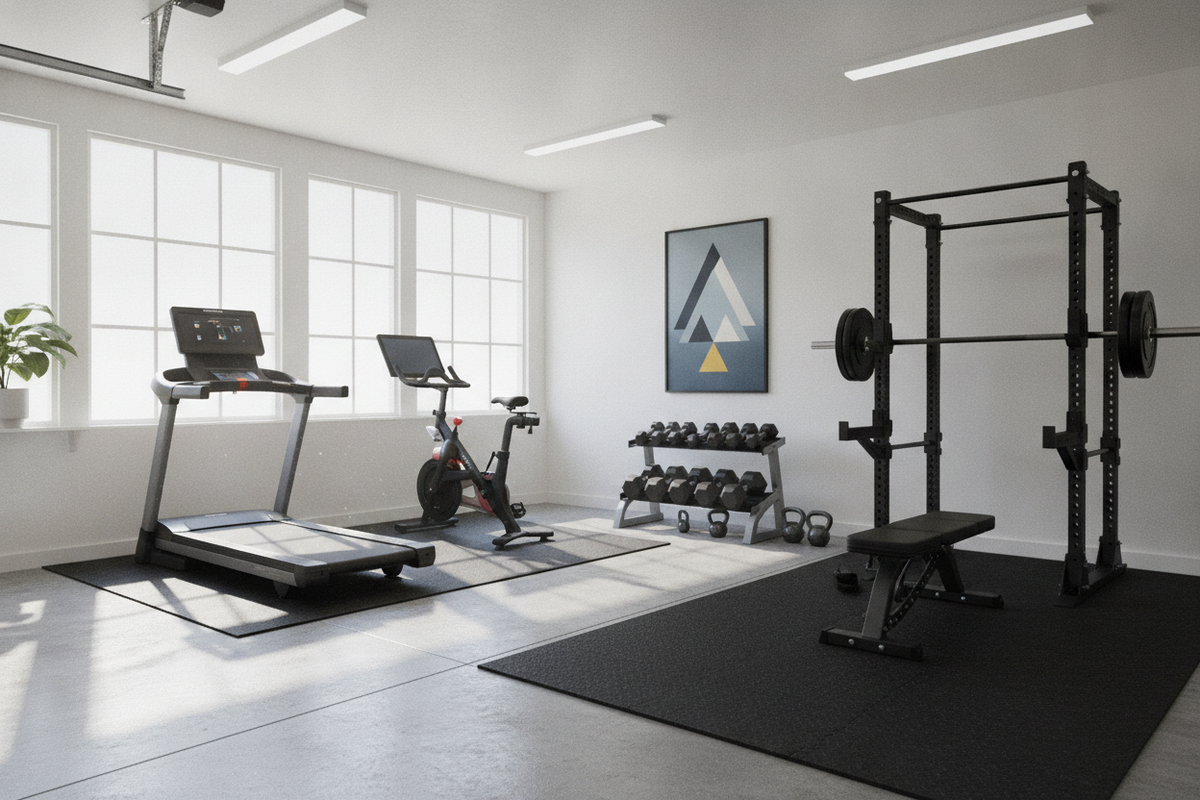
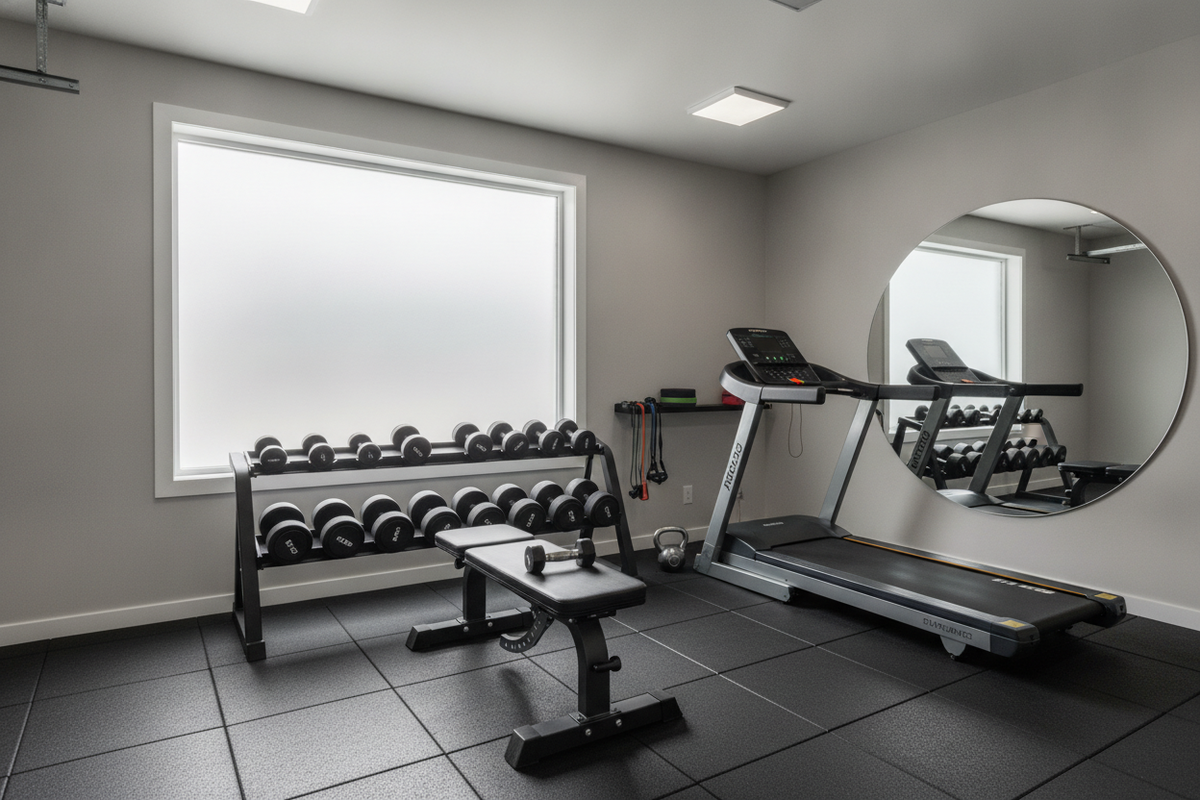
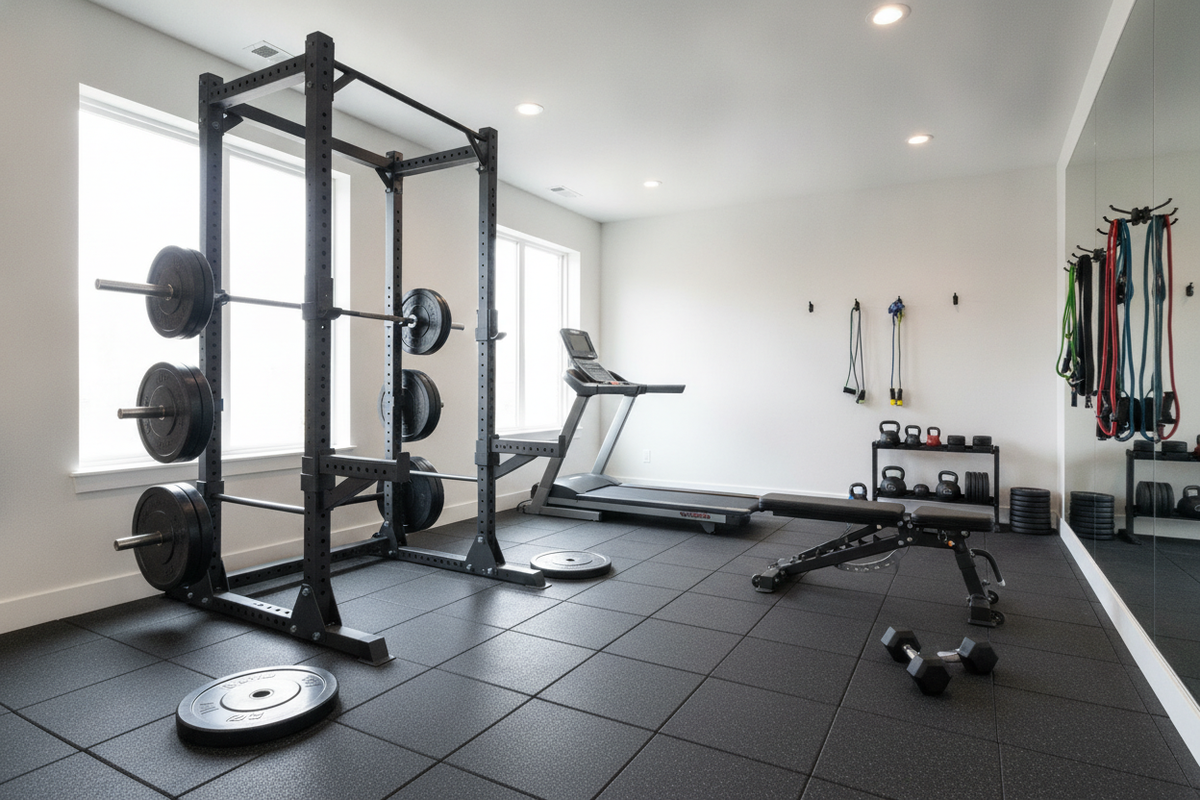
Practicing cardio and strength training for weight loss at home places specific physical demands on your training floor. Dynamic conditioning involves repetitive foot strikes, while resistance training requires safely resting dumbbells or heavy equipment between sets. Without dedicated home gym flooring, continuous joint impact can cause discomfort, and repeated weight contact can mark residential subfloors.
High-density flooring layers offer essential shock absorption to cushion knees, ankles, and hips during explosive movement. Furthermore, durable mats provide subfloor protection against scuffs, dents, and surface wear caused by dropped weights. Maintaining a non-slip surface ensures steady footing during sweat-inducing circuit training and multi-directional drills.
Mats, Dumbbells, and Equipment Placement
Thoughtful equipment placement keeps your home training space safe and efficient as you transition through cardio and strength training for weight loss. Designating specific zones for open movement and gear storage prevents clutter:
- Exercise Mat Zones: A spacious exercise mat establishes a cushioned perimeter for bodyweight movements, delivering immediate shock absorption underfoot.
- Subfloor Protection Layers: Placing high-density home gym flooring under free weights shields subfloors from accidental impacts.
- Non-slip Surface Security: A textured non-slip surface prevents shifting shoes during fast footwork and heavy dumbbell carries.
- Equipment Placement Organization: Storing kettlebells, bands, and dumbbells along wall edges keeps central training areas clear for cardio intervals.
For individuals expanding their setup with specialized stations, evaluating a lower body strength machines collection helps you determine how dedicated equipment integrates with existing home gym flooring layouts. Keeping your exercise mat and free weights tidy ensures smooth pacing during fast-moving workouts.
Routine Mistakes and Long-Term Consistency
A frequent stumbling block when starting cardio and strength training for weight loss is attempting excessive intensity too early. Cramming daily high-intensity intervals, heavy weights, and endless cardio workouts into every session quickly accumulates physical fatigue. Successful cardio and strength training to lose weight relies on progressive loading, adequate sleep, and consistent weekly schedule adherence.
Regularly wiping down your exercise mat protects the non-slip surface from dust and sweat accumulation, maintaining traction over months of regular use. By pairing balanced cardio and strength routines with supportive home gym flooring, you create a sustainable, joint-conscious training habit right at home.