Cardio Before or After Weights for Fat Loss Guide
Cardio Before or After Weights for Fat Loss: The Simple Answer
Deciding whether to perform cardio before or after weights for fat loss comes down to managing physical fatigue and movement quality. For most home lifters pursuing sustainable body composition improvements, lifting weights before dedicated aerobic exercise delivers the most dependable balance. Prioritizing resistance training allows you to apply full concentration, balance, and muscular force when handling external loads. Placing endurance intervals or steady aerobic work after lifting ensures that primary muscular fatigue does not undermine your form during challenging lifts.
Understanding cardio before or after weights for weight loss requires looking at how energy reserves are used across a single training bout. When you step up to a barbell, dumbbell, or kettlebell, your muscular system relies on short-burst fuel to stabilize joints and generate upward force. If you deplete those reserves during an extended run or intense cycling bout, lifting technique can break down. While both sequences expend energy, lifting first generally produces higher training density and helps preserve lean tissue while in an overall caloric deficit.
Why Lifting Weights First Supports Fat Loss and Muscle Retention
Maintaining muscle tissue is a cornerstone of long-term body composition management. When you focus on cardio before or after workout for weight loss, keeping the resistance segment first provides several distinct practical advantages:
- Technical precision on compound exercises: Multi-joint movements like squats, lunges, and overhead presses demand coordination. Completing them when fresh helps maintain posture and controlled descent.
- Targeted muscular overload: Generating enough tension to signal muscle retention requires moderate to heavy loading. Pre-exhausting the lower body or respiratory system with heavy cardio can lower the working weights you handle.
- Safe transition into conditioning: Finishing with steady aerobic exercise or rowing requires less balance and allows you to pace your effort as endurance dwindles.
For those debating cardio before weights fat loss setups, completing a dedicated lifting session first keeps the emphasis firmly on structural strength. Any additional post-workout cardio then adds overall activity without taking away from your main lifting numbers.
When Cardio Before Weights Makes Sense in a Home Routine
Although lifting first is the standard recommendation, certain situations warrant placing cardiovascular work earlier in the session. A brief aerobic warm-up of light jogging, rowing, or dynamic movement should not be confused with exhaustive endurance training. Spending a few minutes elevating heart rate and core temperature before lifting helps lubricate joints and prepare connective tissues.
If you are an endurance athlete preparing for a specific race, prioritizing running or cycling ahead of strength work makes sense because sport-specific conditioning takes precedence over pure lifting volume. However, for general fitness enthusiasts weighing cardio before or after workout to lose weight, hard aerobic intervals immediately before heavy lifting tend to compromise power output and increase the urge to rush through resistance sets. If your schedule requires doing intense cardio first, keeping the subsequent weight session to lighter accessory movements or machine-based exercises helps minimize balance demands.
Structuring Your Weekly Split for Weight Loss Workouts
Organizing a combined home routine can take several practical forms depending on weekly availability, recovery tolerance, and equipment access. You do not need to cram all training modalities into a single marathon session every day.
Here are three common approaches to consider:
- Full-Body Lift Followed by Steady Conditioning: Train three days per week with compound lifts for thirty to forty minutes, concluding with fifteen to twenty minutes of steady aerobic work or brisk walking.
- Alternating Dedicated Days: Lift weights on Monday, Wednesday, and Friday, while reserving Tuesday and Thursday for moderate aerobic training or mobility work. This split gives joints and muscles dedicated recovery time.
- Hybrid Density Circuits: When training time is limited, pair low-impact resistance movements with short metabolic conditioning bursts. You can explore structured hybrid templates, such as this low-impact metabolic cardio and strength workout, to balance steady pacing with manageable joint stress.
Whichever weekly format you choose, monitoring sleep, joint comfort, and consistent nutrition will guide adjustments more reliably than arbitrarily adding training volume.
Home Gym Flooring: Protecting Joints and Subfloors
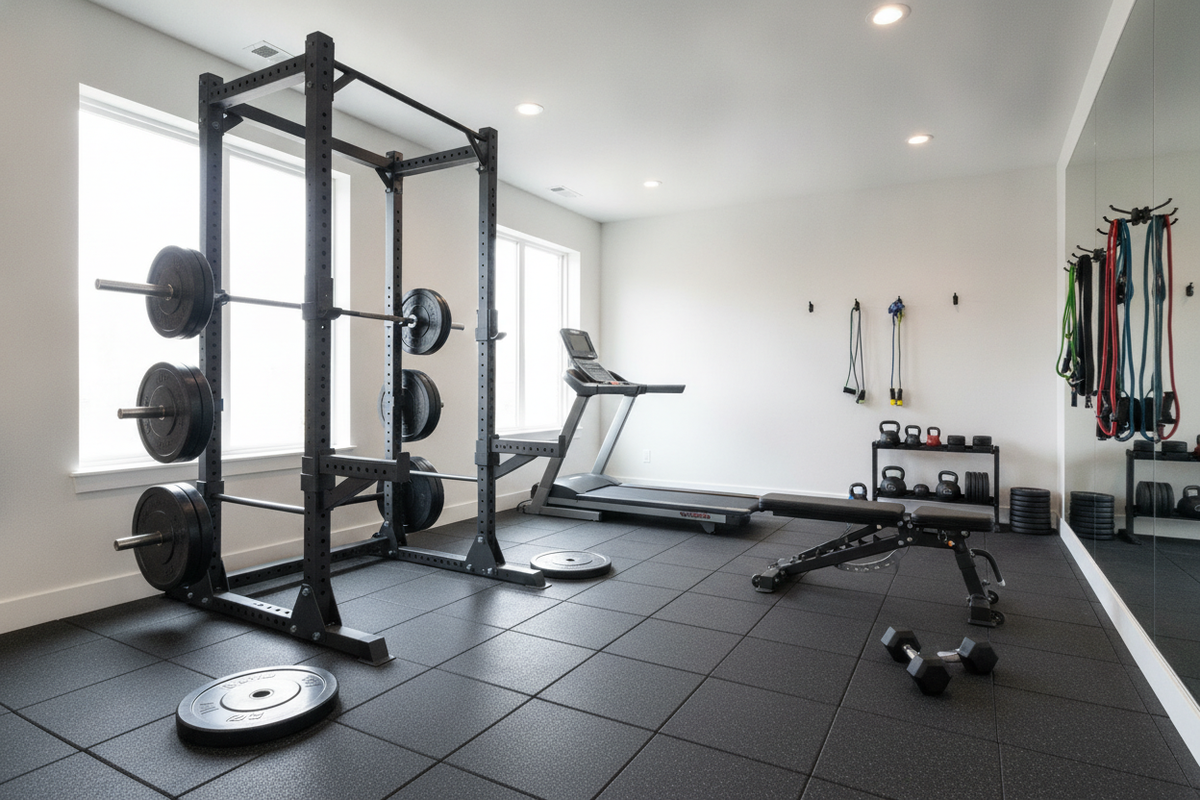
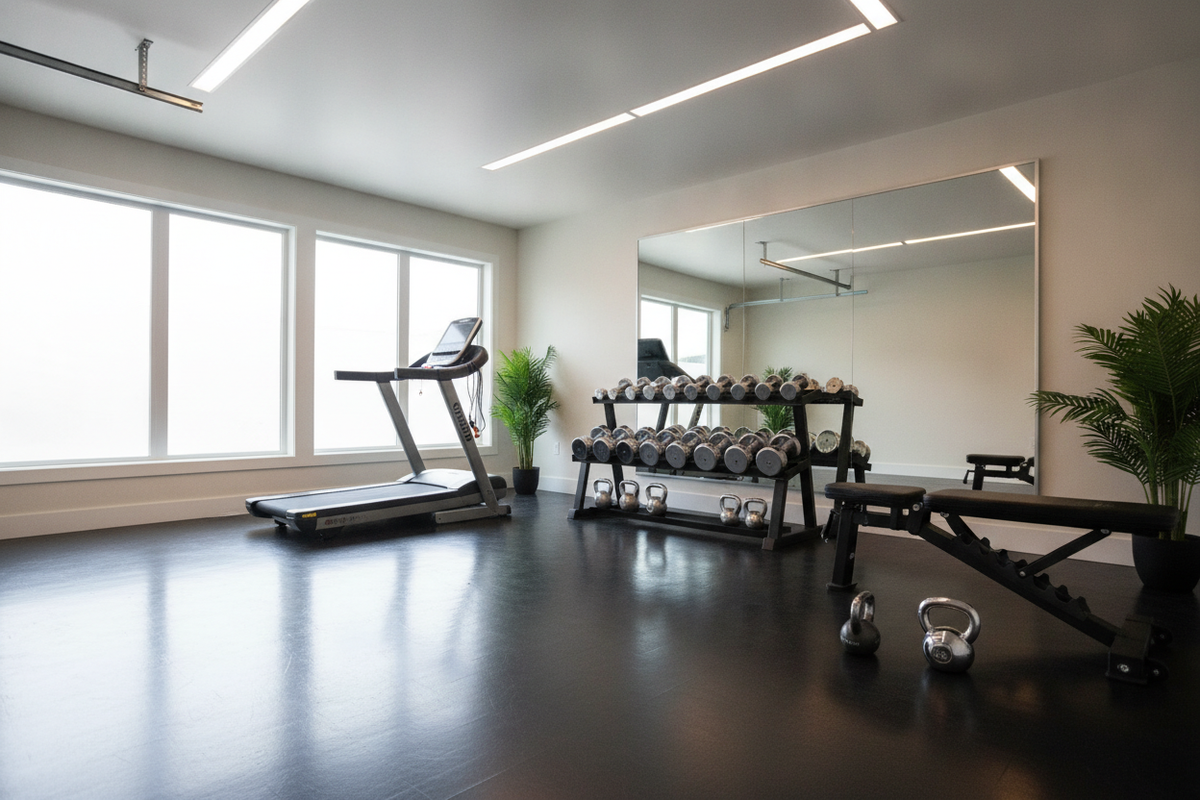
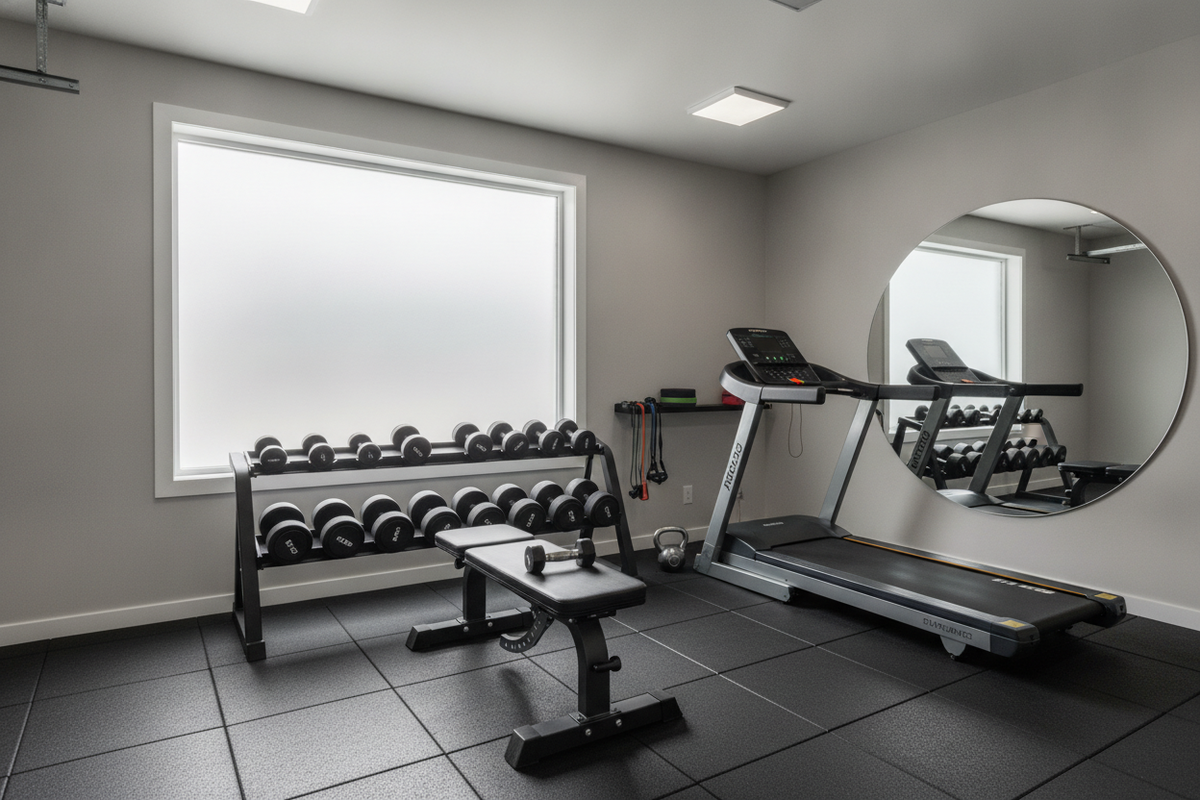
Executing both strength movements and conditioning drills in a home environment introduces distinct physical demands to your workout space. Dropping dumbbells, setting down heavy kettlebells, and performing dynamic jumps all transmit kinetic energy directly toward the floor underneath. Without a dedicated shock-absorbing barrier, hardwood, vinyl, and tile can suffer surface cracking, scuffing, or structural denting.
Using a resilient surface, such as a large six-by-ten foot exercise mat, provides several key functional benefits for hybrid training:
- Traction and footing stability: High-density textured materials stop footwear from slipping during lateral bounds, kettlebell swings, or wide-stance deadlifts.
- Impact dampening for joints: Cushioning beneath the feet absorbs shock during skipping rope or jump squats, reducing repetitive strain on knees and ankles.
- Floor protection under heavy loads: A firm protective mat spreads point-load pressure across a wider area, shielding concrete or decorative flooring from cosmetic and structural damage.
- Acoustic reduction: Dense padding dampens vibration and dulls the thud of weights and jumping shoes, which helps keep shared living areas quiet.
Equipment Placement and Space Organization
Transitioning quickly between lifting sets and cardio drills requires an uncluttered floor plan. When planning your workout space, consider these layout practices:
- Keep lifting perimeters clear: Maintain an unobstructed radius around barbells and weight benches so you can step backward or rerack loads without tripping over stray accessories.
- Establish a dedicated cardio lane: Position jump ropes, resistance bands, or step boxes off to the side until the strength portion of your workout is complete.
- Anchor mats against movement: Ensure your gym flooring sits flat against a clean, dust-free subfloor to prevent bunching or shifting during high-speed agility footwork.
- Routine surface wipe-downs: Sweat-heavy hybrid workouts leave moisture on mat surfaces; wiping them down with mild soap and water keeps traction dependable and prevents odor buildup.
For more home workout ideas and sequencing templates, browse through our comprehensive workout hub to discover complementary routines tailored to compact training zones.
Frequently Asked Questions About Exercise Sequencing
Is it better to do cardio before or after weights for fat loss?
For most lifters, completing weights first is better because it preserves physical energy and concentration for heavy, multi-joint resistance movements. Finishing with cardio allows you to raise overall energy expenditure without compromising lifting mechanics.
Can doing cardio before weights cause muscle loss?
Exhaustive endurance training directly before lifting can compromise training volume, lift quality, and strength development over time. While a brief warm-up is helpful, consistently exhausting yourself with intense cardio before lifting makes it harder to provide the mechanical stimulus required to retain muscle during weight loss.
How long should you do cardio after lifting weights to lose weight?
Most home training sessions work well with fifteen to thirty minutes of post-lifting aerobic conditioning. The exact duration should fit within your overall weekly schedule and recovery capacity without leaving you overly fatigued for subsequent training days.
Should beginners separate cardio and weights onto different days?
Splitting cardio and resistance training onto separate days is an excellent strategy for beginners. It shortens individual workouts, keeps mental focus sharp, and reduces joint soreness while learning proper lifting technique.