Stop Debating Weight Training or Cardio for Fat Loss
I remember standing on a LifeFitness treadmill back in 2014, staring at the little red numbers telling me I had burned 600 calories. I felt like a hero, right up until I realized my body looked exactly the same six months later—just a slightly smaller, softer version of my former self. The debate over weight training or cardio for fat loss usually misses the point: one of these builds a better engine, while the other just burns a little fuel in the moment.
- Muscle is metabolically expensive; the more you have, the more you burn while sitting on the couch.
- Cardio machines notoriously overestimate calorie burn by 15-20%.
- Strength training preserves lean tissue during a calorie deficit, preventing a metabolic crash.
- High-intensity lifting creates an 'afterburn' effect that steady-state cardio can't match.
Why the Calorie Tracker on Your Treadmill is Lying to You
That 'calories burned' display on the gym console is about as accurate as a weather forecast in a hurricane. Most machines use generic algorithms that don't account for your muscle mass, heart rate variability, or how efficient your body has become at that specific movement. When it comes to running vs weight lifting for weight loss, people choose the treadmill because it gives them an immediate hit of 'work' data. But your body is smart. It adapts.
The more you run, the more efficient you get. Eventually, you have to run further or faster just to burn the same amount of energy. I learned this the hard way after spending three months doing 45-minute incline walks every morning. The scale dropped, but my body fat percentage barely budged. I was just becoming a smaller, weaker version of myself because I was ignoring the resistance side of the equation.
What Actually Happens When You Lift Heavy Instead of Running
When you pick up heavy objects, you aren't just burning calories during the set. You are causing micro-tears in your muscle fibers that require significant energy to repair over the next 24 to 48 hours. This is the 'afterburn' or Excess Post-exercise Oxygen Consumption (EPOC). If you're asking is weight training or cardio better for fat loss, the answer is weight training, hands down, because of this metabolic ripple effect.
Instead of just grinding away on a belt, moving toward weight lifting machines or free weights forces your central nervous system to recruit more fibers. This builds a body that is 'expensive' to maintain. A pound of muscle requires more energy to simply exist than a pound of fat. By lifting, you are literally raising your basal metabolic rate.
The Harsh Reality of the 'Skinny Fat' Look
We’ve all seen it: the person who spends two hours a day on the elliptical but never seems to change their shape. This is the pitfall of running vs weight training for fat loss. Pure cardio, especially in a calorie deficit, can be catabolic. Your body, sensing a need for energy, might start breaking down muscle tissue because it's easier to convert to fuel than stubborn fat stores.
This is how you end up 'skinny fat'—low weight on the scale, but high body fat percentage and zero muscle definition. To avoid this, I always tell people to prioritize a structured full-body weight training routine. It sends a signal to your body that the muscle is necessary for survival, forcing it to pull from fat stores instead of your biceps.
How I Sequence My Workouts to Actually Lean Out
I don't hate cardio; I just hate doing it poorly. My strategy for running vs weight training for weight loss is simple: lifting is the main course, and cardio is the seasoning. I never start a session with 5 miles of running because it drains the glycogen I need to move heavy weight. I want my central nervous system fresh for the squats and presses.
I usually save 15 minutes of high-intensity work for the very end, or I mix modalities into 60-minute HIIT and strength sessions when I'm crunched for time. This keeps the heart rate up while still providing the mechanical tension needed to keep my muscle mass intact while I'm cutting body fat.
The Minimalist Garage Setup That Makes This Work
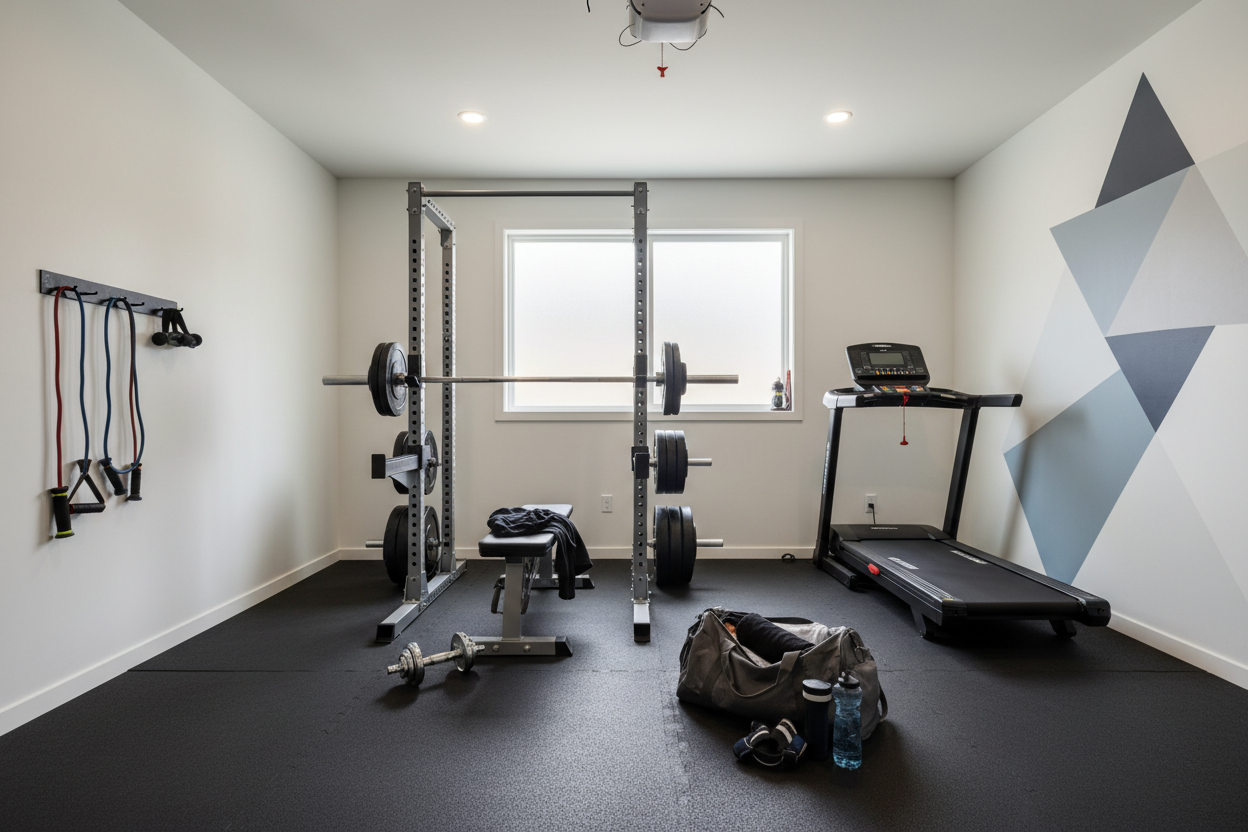
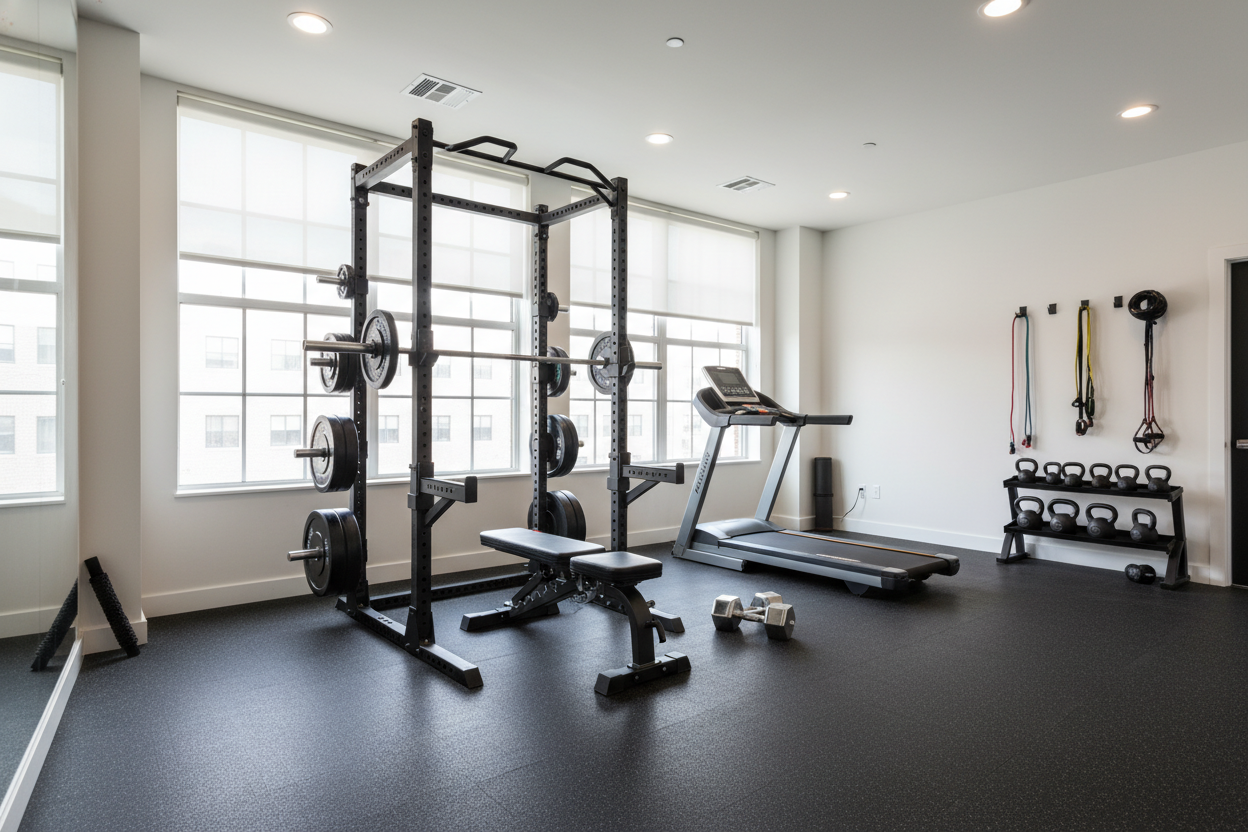
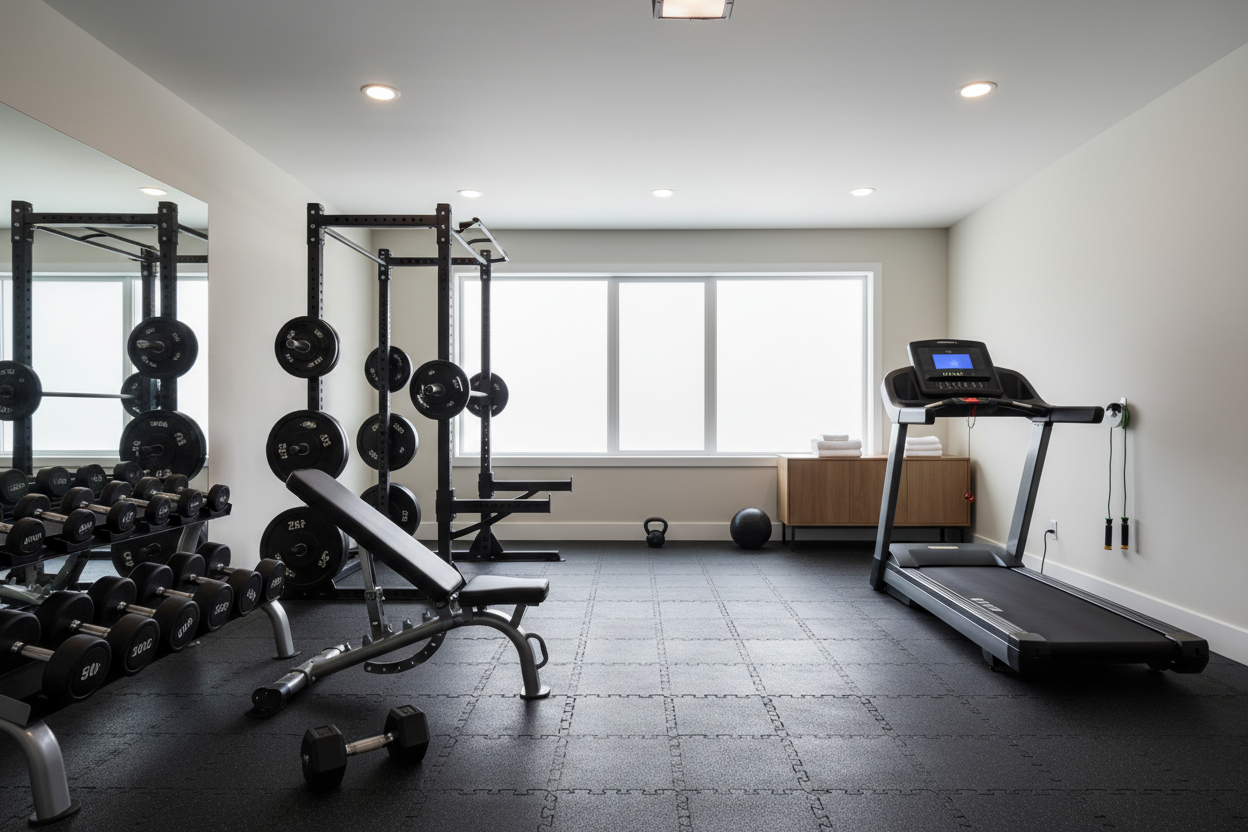
You don't need a $100-a-month commercial membership to do this. In fact, most commercial gyms are so crowded with machines you don't need that they actually slow down your progress. For my money, a sturdy power rack and bench setup is the only non-negotiable. If you have a 4x6 foot space and a bar, you can perform every compound lift necessary to change your physique.
I’ve tested plenty of budget racks, and as long as the steel is at least 11-gauge and the holes are spaced reasonably, you're set. Add a set of adjustable dumbbells that go up to at least 50 lbs, and you have a fat-burning lab that beats any row of treadmills. Stop chasing the 'burn' on a screen and start chasing the weight on the bar.
Can I lose fat without doing any cardio at all?
Yes. Fat loss is primarily driven by a calorie deficit. However, lifting makes that deficit more effective by ensuring you lose fat instead of muscle, and it gives you a much better shape once the fat is gone.
Should I lift weights or do cardio first?
Lift first. You want your maximum energy and focus dedicated to the movements that build muscle. If you run first, you'll be too fatigued to maintain proper form on your heavy sets.
How many days a week should I lift for fat loss?
Three to four days of heavy, compound lifting is the sweet spot for most people. This allows for enough recovery time while keeping your metabolism elevated throughout the week.