Bodybuilding Nutrition Plans for Fat Loss: Meal Architecture, Caloric Staging, and Home Training Ground Synergy
Athletes seeking fat loss while preserving lean physique structure often look to traditional bodybuilding frameworks. Long before modern fitness tracking applications proliferated, online physique communities popularized highly organized approaches to nutrient pacing. A structured bodybuilding.com nutrition plan typically focuses on predictable whole-food selections, consistent meal frequency, and deliberate macronutrient targets designed to support progressive resistance training under a caloric deficit.
Executing a successful physique transformation requires more than merely reducing daily intake. It requires aligning nutritional intake with the mechanical demands of heavy lifting. When calories drop, training fatigue can rise, making execution quality and environmental stability in your training space paramount. Integrating a disciplined kitchen strategy with a stable, shock-absorbing training surface creates a reliable framework for sustainable physique recomposition.
Deconstructing the Classic Online Bodybuilding Nutrition Plan Framework
Classic online bodybuilding nutrition plans share core operational principles. Rather than relying on drastic elimination diets or fluctuating meal patterns, they emphasize repeatable habits built around unprocessed ingredients. The overarching goal is maintaining adequate energy for progressive overload while encouraging the body to tap into stored fat reserves.
Key structural components of these traditional systems include:
- Predictable feeding intervals: Spacing meals across the day to ensure steady amino acid availability.
- Objective portion control: Weighing and logging primary protein, carbohydrate, and dietary fat sources.
- Energy deficit staging: Establishing a moderate deficit that minimizes strength regression across primary compound movements.
- Hydration discipline: Prioritizing consistent water consumption to support metabolic function and muscle fullness.
Adopting this framework establishes structure. When every meal has a defined role, decision fatigue decreases, helping lifters avoid unplanned snacking during energy-deprived periods.
Macronutrient Architecture in a Weight Loss Bodybuilding Meal Plan
Constructing an effective weight loss bodybuilding meal plan involves balancing three primary macronutrient categories to match the physiological stresses of resistance training.
Protein Distribution
Protein forms the cornerstone of physique-focused nutrition. In an energy deficit, prioritizing lean protein sources such as chicken breast, turkey, white fish, egg whites, and quality powders supports lean tissue preservation. Spreading protein evenly across daily meals ensures consistent muscle protein synthesis signals throughout waking hours.
Carbohydrate Timing and Cycling
Carbohydrates are the primary fuel source for anaerobic resistance training. A well-designed meal plan for weight loss bodybuilding deliberately places the majority of complex and fast-digesting carbohydrates around the workout window. Consuming complex carbohydrates such as oatmeal, brown rice, or sweet potatoes several hours prior to lifting helps top off glycogen stores, while easily digestible carbohydrates post-workout aid recovery without spilling over into excess caloric storage.
Essential Fats for Baseline Balance
Dietary fats must not be eliminated entirely. Incorporating healthy fats from sources like olive oil, avocado, whole eggs, and raw nuts supports joint comfort, cellular integrity, and hormonal regulation. In a bodybuilding cut, fats are measured meticulously, as their high caloric density can quickly eliminate a target deficit if unmonitored.
Structuring Daily Meal Templates for Fat Loss and Recomposition
A practical meal plan for fat loss bodybuilding divides daily intake into distinct, manageable meals. Designing these meals around a central training window helps lifters sustain exercise intensity despite lower overall energy availability. Those pairing structured meal scheduling with targeted lifting routines can consult our weight fat loss guide for programming guidance.
Sample Daily Phase Template
- Meal 1 (Morning Fuel): Liquid egg whites scrambled with whole eggs, paired with rolled oats and berries.
- Meal 2 (Mid-Day Sustenance): Grilled chicken breast, steamed jasmine rice, and roasted asparagus or green beans.
- Meal 3 (Pre-Workout Window): Lean ground turkey, baked sweet potato, and a measured portion of avocado.
- Post-Workout Refuel: Whey isolate combined with a rapid-digesting carbohydrate source like rice cakes or fruit.
- Meal 4 (Evening Wind-Down): Baked cod or salmon fillet served with a large bowl of cruciferous vegetables drizzled with extra virgin olive oil.
High-volume, fibrous vegetables such as broccoli, zucchini, and leafy greens play a vital role in curbing hunger. They expand gastric volume and slow digestion without introducing substantial calories, allowing athletes to stay satiated between scheduled feeding intervals.
Fueling Conditioning and Resistance Training During Caloric Deficits
Training while executing a weight loss diet plan bodybuilding protocol requires adjusting expectations regarding overall recovery capacity. When glycogen stores are depleted, central nervous system fatigue accumulates faster during high-load sets. Lifters must balance their strength sessions with cardiovascular work carefully to avoid excessive systemic strain.
Coordinating machine-based work and supplemental cardio requires a balanced approach. Reviewing our weight loss plan guide can help you avoid common training pitfalls. Furthermore, understanding the functional benefits of fixed-path movements outlined in our weight loss guide allows lifters to stimulate target muscle groups with minimal joint stress when systemic energy is constrained.
During extended cutting phases, auto-regulation is a valuable skill. If movement quality degrades or joint discomfort arises due to fatigue, adjusting volume rather than forcing sloppy repetitions prevents training interruptions and preserves long-term momentum.
Home Training Floor Setup: Protecting Joints and Equipment During Deficit Lifting
Executing an aggressive training split on lower calories places elevated stress on the musculoskeletal system. As physical fatigue builds, technique breakdowns and slight balance deviations can occur more readily during heavy compound lifts such as squats, overhead presses, and lunges. This makes your physical training surface a critical performance factor.
Traction and Footing Stability
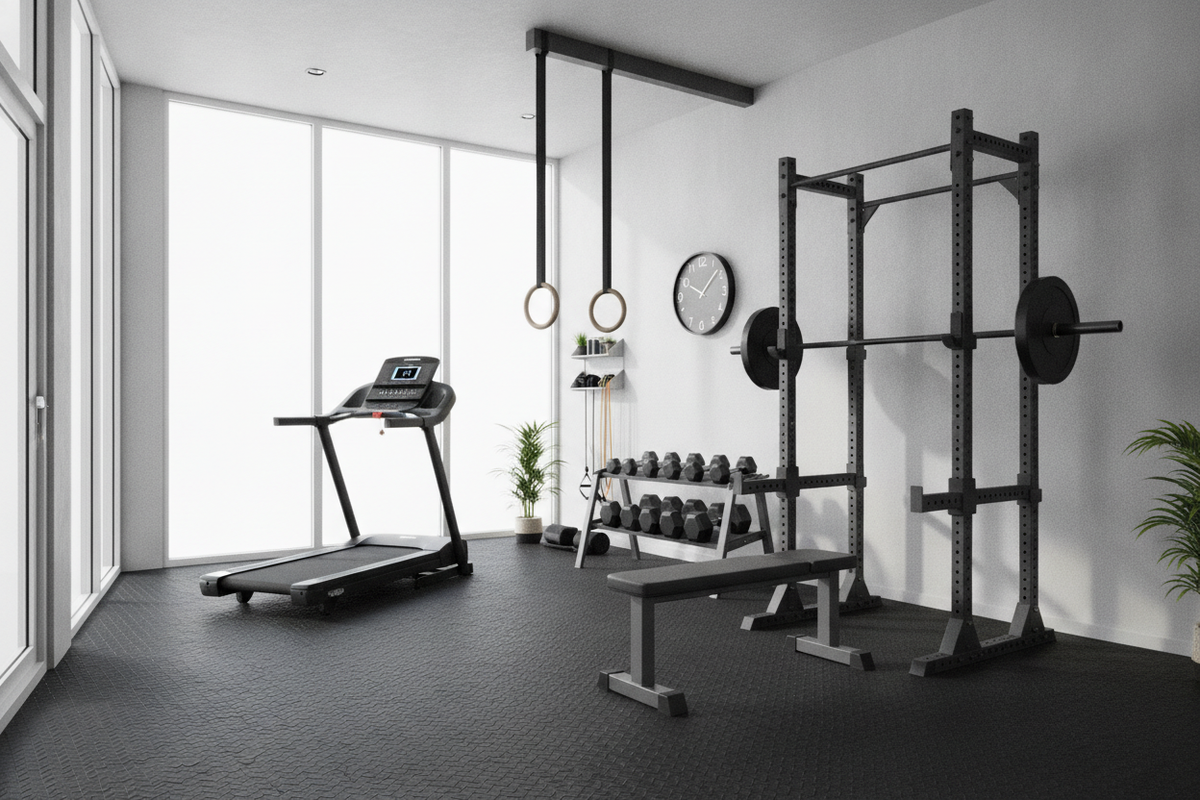
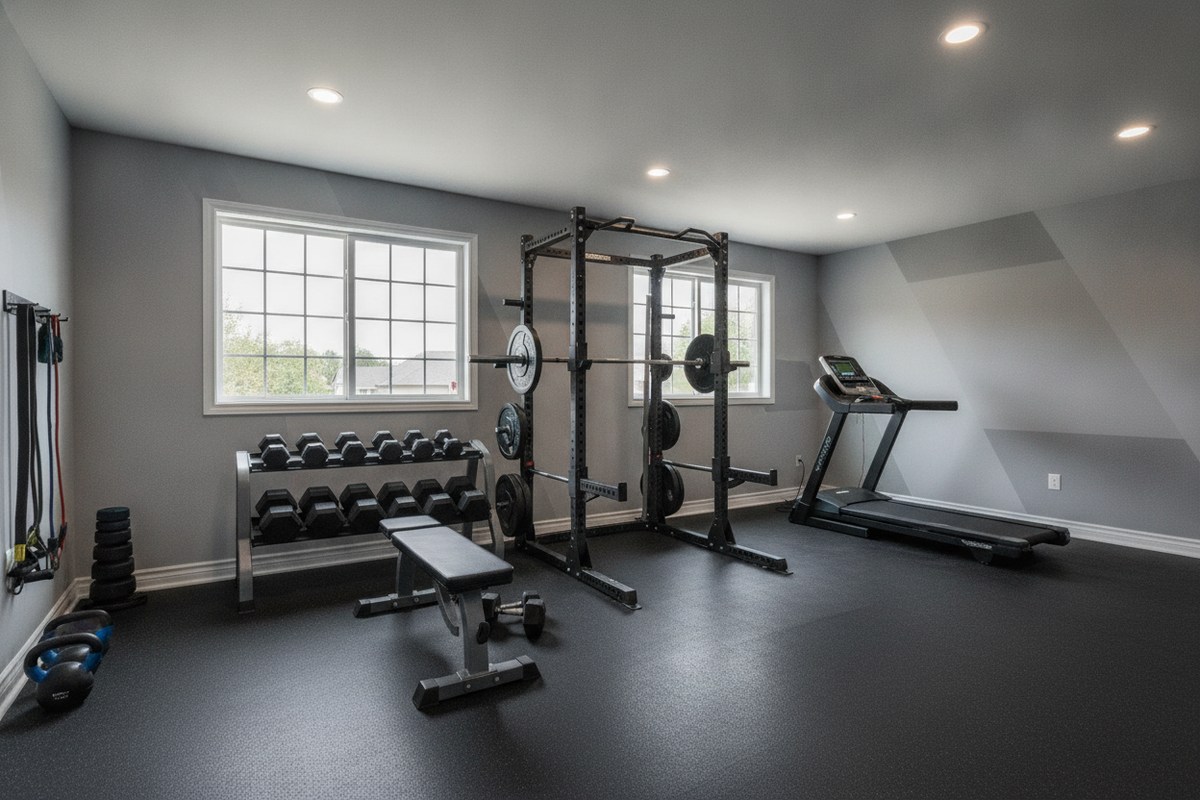
Concrete garage slabs or slick hardwood floors offer minimal traction and zero impact attenuation. A dedicated high-density rubber gym mat provides a non-slip foundation that anchors weight benches, squat stands, and athletic footwear. Maintaining unyielding foot placement ensures that force transfers directly into the barbell rather than dissipating across shifting floorboards.
Impact Attenuation and Subfloor Preservation
When training with heavy dumbbells, kettlebells, or barbells in a home setting, fatigue can lead to rapid or uncontrolled set terminations. Thick rubber flooring absorbs descending weight impacts, protecting both your equipment and the underlying structural subfloor from cracking or denting. It also attenuates vibration and acoustic reverberation through adjacent living spaces.
Hygiene and Sweat Management
Bodybuilding-style conditioning and high-density training blocks generate significant sweat. Closed-cell rubber surfaces prevent moisture absorption, resisting odors and bacterial accumulation. A resilient surface allows lifters to transition seamlessly from floor-based mobility drills to heavy lifting sets while maintaining a hygienic domestic training space.
Long-Term Adherence: Weekly Prep Habits and Space Organization
Physique refinement is an exercise in logistical consistency. The lifters who succeed over twelve- to sixteen-week cutting phases do not rely on daily willpower; they rely on environmental design. Establishing weekly preparation routines in both the kitchen and the gym floor eliminates friction points that derail progress.
Dedicate one or two afternoons each week to batch cooking primary protein sources and roasting large batches of root vegetables. Storing measured portions in uniform containers standardizes daily prep. Simultaneously, keeping your home gym organized—with plates racked, collars accessible, and rubber mats swept clear of debris—lowers the mental threshold required to begin training on days when energy is restricted.
By unifying structured nutritional pacing with a secure, shock-absorbent training foundation, you establish an environment where physical fatigue is managed and progress remains predictable throughout your fat loss journey.