Are Weight Machines Good for Weight Loss? The Honest Truth
Walking into a commercial gym can feel like entering a confusing maze of iron and pulleys. You see the cardio section packed with people sweating over treadmills, and then there’s the resistance zone. It begs the question: are weight machines good for weight loss, or are they just for bodybuilders trying to bulk up?
The short answer is yes, but not for the reasons you might think. It isn't about how many calories you burn during the set; it's about what happens to your body after you leave the gym. Let's cut through the noise and look at the physiology of machine-based training.
Key Takeaways
- Muscle Tissue Burns Calories: Building lean muscle on machines increases your resting metabolic rate (RMR), meaning you burn more fat while sleeping.
- The Afterburn Effect: High-intensity machine circuits trigger EPOC (Excess Post-exercise Oxygen Consumption), keeping your metabolism elevated for hours.
- Safety Allows Intensity: Machines stabilize the weight for you, allowing you to push closer to failure safely, which is crucial for the metabolic demand needed for weight loss.
- Volume is King: Machines allow for faster transitions and higher volume (reps x sets), which is a primary driver for caloric expenditure.
The Science: Why Resistance Burns Fat
Many beginners assume that to lose weight, you must spend hours on the elliptical. While cardio burns calories in the moment, it doesn't do much for your metabolism long-term. This is where resistance training shines.
When you use weight machines, you are tearing down muscle fibers. Your body requires a significant amount of energy (calories) to repair these fibers and build them back stronger. This biological process is energy-expensive. So, do weight machines help you lose weight? Absolutely, because they turn your body into a more inefficient machine that requires more fuel just to exist.
The Role of EPOC
We call this the "afterburn." Unlike steady-state cardio, where the calorie burn stops the moment you step off the machine, lifting weights creates an oxygen deficit. Your body has to work overtime to restore oxygen levels, clear lactate, and repair tissue. This can keep your metabolic rate elevated for 24 to 48 hours post-workout.
Machines vs. Free Weights for Fat Loss
There is a purist argument that free weights (barbells and dumbbells) are superior because they require stabilization, which recruits more muscle fibers. While technically true, it misses the practical point of weight loss training: Intensity.
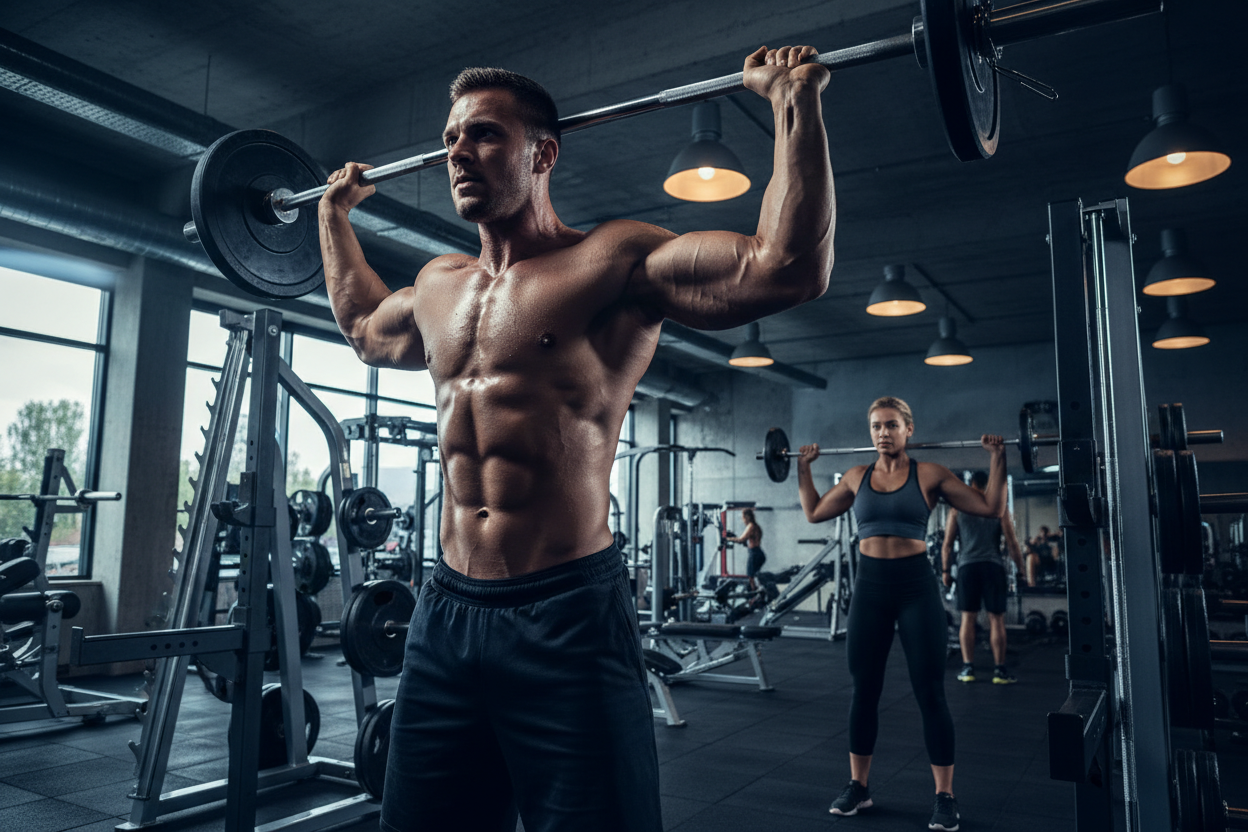
Free weights require skill and balance. As you get tired, your form breaks down, forcing you to stop the set early to avoid injury. Machines remove the stabilization factor. This means you can safely push your muscles to absolute failure. For weight loss, maintaining high intensity and keeping your heart rate up is vital. Machines allow you to safely perform "drop sets" (lowering the weight and continuing immediately) or circuits without worrying about dropping a barbell on your chest.
How to Structure Machine Workouts for Weight Loss
If your goal is fat loss, you shouldn't be resting for three minutes between sets while scrolling through your phone. You need density.
Circuit Training
The most effective strategy is Circuit Training. Choose 4-5 machines (e.g., Chest Press, Leg Press, Lat Pulldown, Shoulder Press). Move from one machine to the next with zero rest in between. Rest for 90 seconds only after completing one full round.
This keeps your heart rate in the aerobic zone while placing a heavy anaerobic demand on your muscles. You get the benefits of cardio and the metabolic boost of lifting simultaneously.
My Training Log: Real Talk
I want to be transparent about what this actually feels like. I spent a solid three months strictly using machines when I was rehabbing a lower back tweak but still wanted to cut body fat.
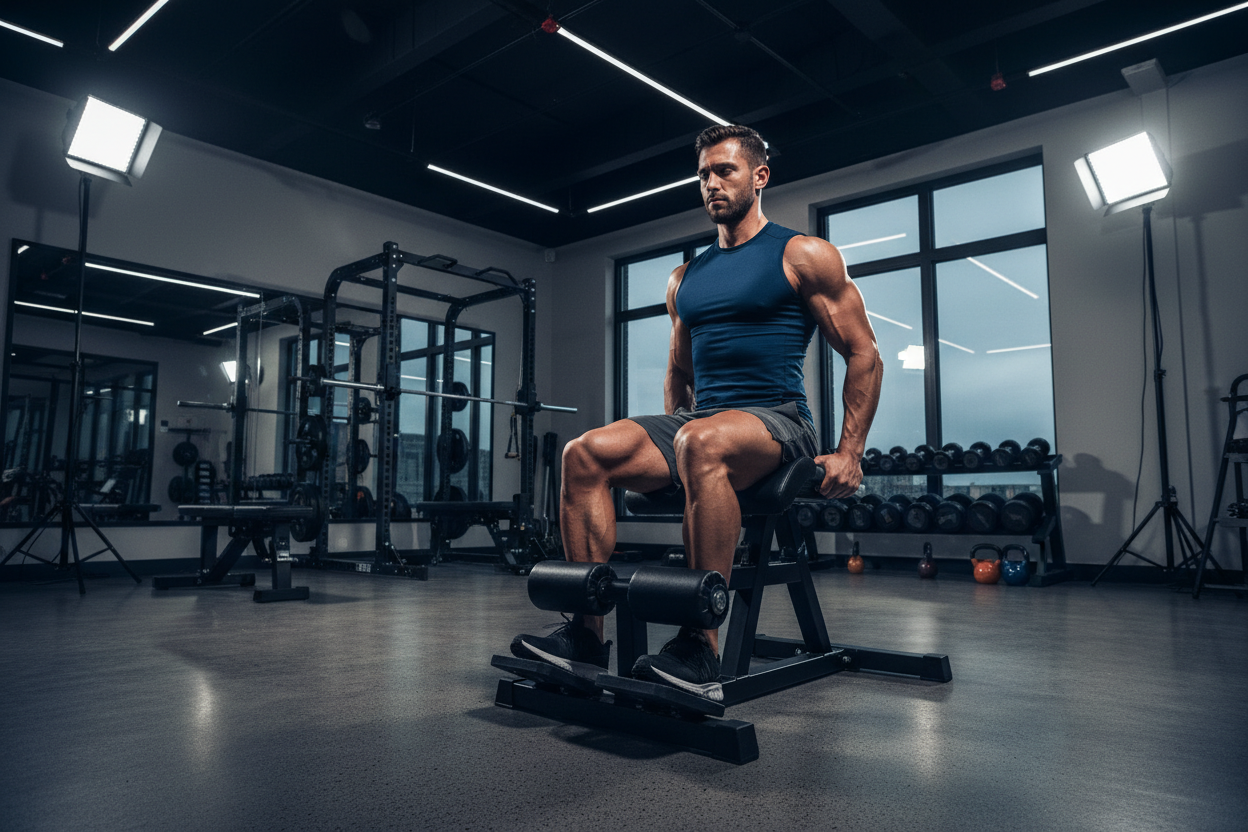
Here is the unpolished reality: Machine circuits are deceptive. You look at a Leg Extension machine and think, "This is sitting down, this will be easy." It’s not. I specifically remember the sensation of the vinyl seat becoming slippery with sweat by the third round of a circuit. There is a very specific, gritty sound the weight stack makes—that metal-on-metal clank—when you are too fatigued to control the eccentric lowering of the weight.
The hardest part wasn't the weight itself; it was the "burn" in the muscle that feels like battery acid. On the Seated Row, my grip would fail before my back did because the knurling on those rubber handles gets slick. But the results were undeniable. I dropped body fat without touching a treadmill, simply because I shortened my rest periods to the point where I was gasping for air between the Chest Press and the Leg Curl.
Conclusion
So, are weight machines good for weight loss? They are an incredibly effective tool if used with the right intensity. They provide a safe environment to push your muscles to failure, trigger the afterburn effect, and build the metabolic machinery (muscle) that burns fat 24/7. Don't fear the iron; embrace the resistance.
Frequently Asked Questions
Can I lose belly fat just by using ab machines?
No. This is the myth of "spot reduction." Using an abdominal crunch machine will strengthen the muscles underneath the fat, but it won't specifically burn the fat covering them. You lose fat systemically (from your whole body) by being in a caloric deficit through diet and total-body training.
How often should I use weight machines for weight loss?
Aim for 3 to 4 days per week. This frequency allows you to stimulate the muscles enough to spark metabolic changes while giving your body enough recovery time to repair the tissue. Remember, recovery is when the fat-burning magic happens.
Should I do cardio before or after weights?
If your goal is weight loss and body composition, do weights first. You want your glycogen (stored energy) levels high to push heavy weights with intensity. If you do cardio first, you'll be pre-fatigued and won't be able to lift hard enough to stimulate muscle growth.