Are All-In-One Multi Gym Equipments Actually Worth the Floor Space?
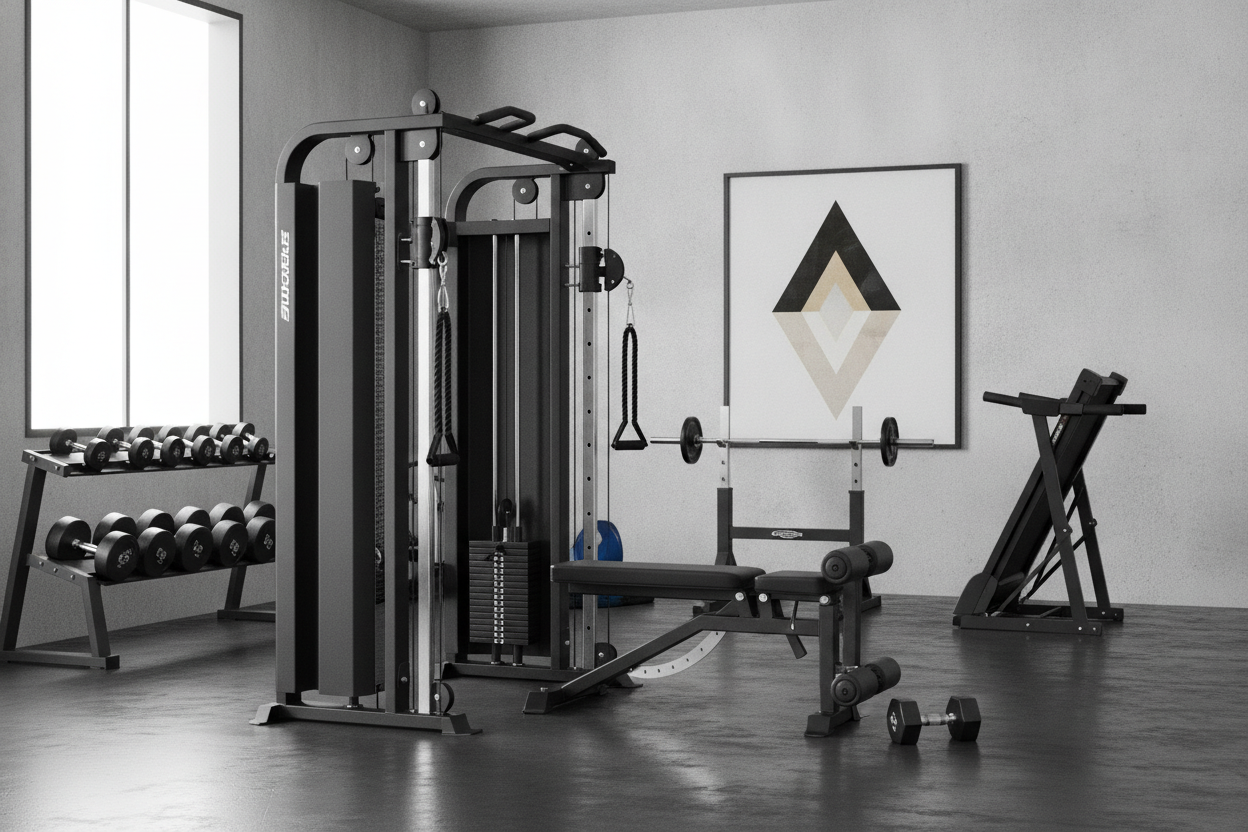
I spent three hours last night scrolling through listings for multi gym equipments because my local commercial gym just hiked their 'maintenance fee' for the third time this year. The idea of having a single station that does everything from chest press to leg curls is seductive, especially when you are working with a cramped garage or a spare bedroom. But after testing dozens of these setups, I have learned that the shiny marketing photos rarely tell the story of the wobbly seat or the cable that snaps after six months of real use.
Quick Takeaways
- Check the pulley ratio: A 2:1 ratio means a 200lb stack only provides 100lb of resistance.
- Cheap frames with thin steel will wobble during heavy pressing movements.
- Fixed movement paths can cause joint pain if they do not align with your natural mechanics.
- Floor protection is mandatory for these heavy, static machines.
The All-In-One Dream vs. The Wobbly Reality
We have all seen the ads. A guy with 4% body fat is smiling while transitioning from a lat pulldown to a leg extension on a machine that looks like it belongs on a spaceship. The promise of a home multi gym is simple: buy one piece of gear, get 50 exercises, and never pay a gym membership again. It sounds like a win for your wallet and your floor plan.
The reality is often a lot noisier. When you opt for a budget home multi gym equipment package, you are usually buying thin-gauge steel and plastic pulleys. Within a month, the cables start to drag, the seat develops a permanent lean to the left, and the 'chest press' feels more like a shoulder-grinder because the pivot points are poorly designed. If the machine shakes when you are only using half the weight stack, it is a liability, not a gym.
Why Cable Ratios Matter More Than the Weight Stack
Marketing teams love to brag about a '210-pound weight stack.' What they hide in the fine print is the mechanical advantage of the pulley system. Most multi gyms for home use a 2:1 or even a 4:1 ratio. This means if the stack says 200 pounds, you are actually only moving 100 or 50 pounds of resistance. For a bicep curl, that is fine. For a leg press or a heavy row, you will max out the machine in three weeks.
I have tested multi gym system units where the resistance felt so light I thought the cable had snapped. If you are a seasoned lifter, you need to look for a 1:1 ratio or a stack that goes up to at least 300 pounds. Otherwise, you are just paying for a very expensive clothes hanger. Always ask the manufacturer for the effective resistance before you drop a grand on a machine that cannot challenge your quads.
The Jack of All Trades Problem
The home gym multifuncional approach is a game of compromises. To fit a chest press, a pec deck, and a leg developer into a 4x4 square, engineers have to make sacrifices. Often, the handles are too narrow for guys with broad shoulders, or the leg extension roller sits right against your shins in a way that feels like a torture device.
Because the movement path is fixed, the machine dictates how you move, rather than your body dictating the lift. This is the biggest gripe I have with a multigym system. If the arc of the chest press doesn't match your shoulder mobility, you are going to end up with inflammation instead of hypertrophy. It is the classic 'jack of all trades, master of none' scenario.
Protecting Your Foundation from a 500-Pound Beast
Unlike a set of dumbbells you can tuck away, a multi-station machine is a permanent resident. Once you bolt that frame together and thread the cables, it is staying there. These machines have a small, concentrated footprint that puts massive pressure on your floor. I have seen heavy-duty units literally gouge deep ruts into laminate flooring and even crack thin concrete slabs over time.
Before you even think about assembly, you need to lay down a large exercise mat for home gym. You want something with high-density rubber that won't compress into a pancake under the weight of the stack. It is a small investment that prevents you from losing your security deposit or having to resurface your garage floor when you eventually decide to move the machine.
When a Multi Gym System Actually Makes Sense
Despite my gripes, I do think a high-quality multi gym system has a place. They are incredible for isolation work. If you are a bodybuilder who wants to hammer your triceps or lats without worrying about balancing a barbell, the cable tension is superior. They are also great for households where multiple people with different fitness levels are training. My wife can do her circuit, and I can jump in for some accessory work without swapping plates for ten minutes.
The key is unlocking the multi gym system by using it for what it is: a supplement to your heavy lifting. Look for units with 'commercial grade' ratings, 11-gauge steel, and aircraft-grade cables. If it feels solid when you pull on it in the showroom, it will likely hold up in your garage. If it feels like it’s made of soda cans, keep walking.
My Final Verdict: Free Weights or the Machine?
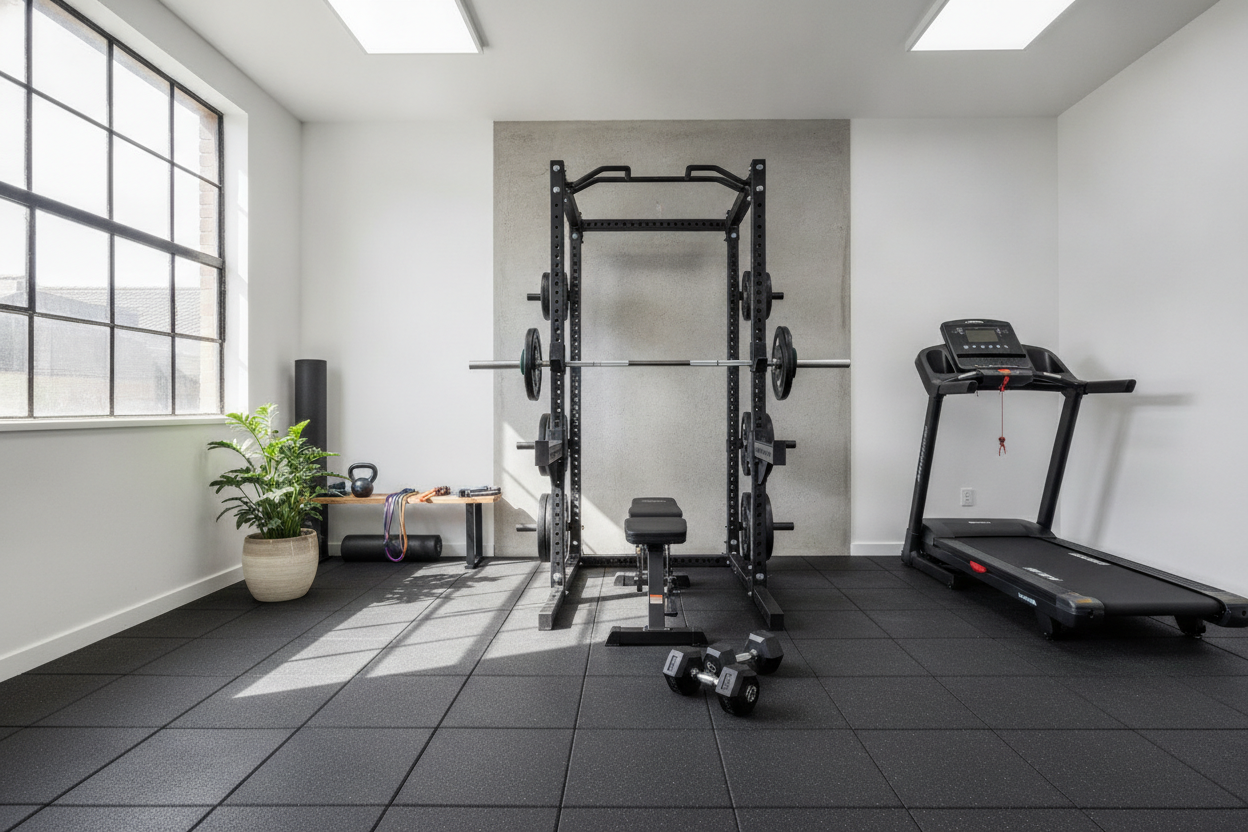
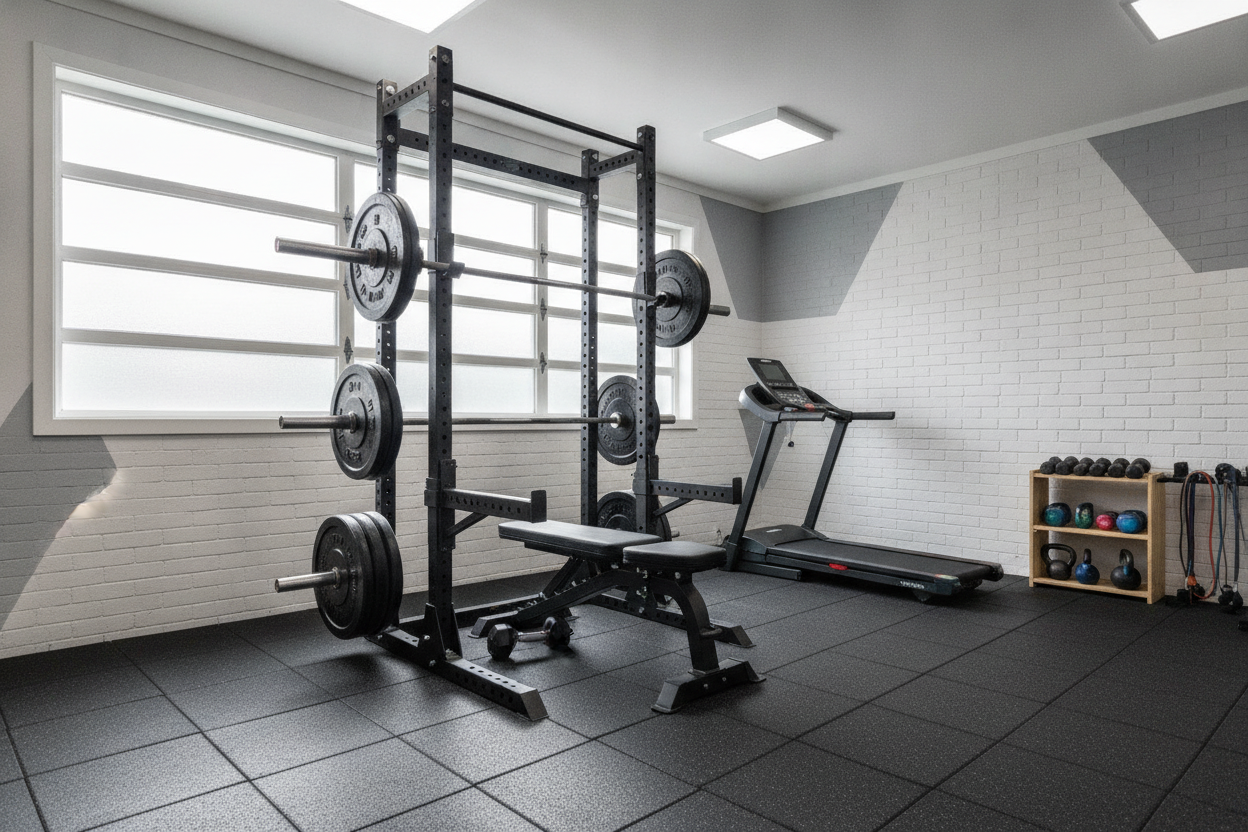
If you have to choose just one thing, I am always going to tell you that a multi purpose rack is the only home gym investment that truly grows with you. You can squat, bench, and overhead press with zero limitations. However, if you have joint issues that make free weights painful, or if you simply prefer the safety of a guided path, a high-end multi-station is a legitimate tool.
Just don't buy the cheapest one on the internet. A bad multi gym is a frustrating, squeaky waste of space. A good one is a rock-solid partner for your accessory days. Buy once, cry once—and make sure you measure your ceiling height twice before the delivery truck shows up.
Personal Experience: The 'Wet Noodle' Incident
I once bought a mid-range multi-station for my basement. On paper, it was perfect. In practice, the 'chest press' arms had about two inches of lateral play. Every time I pressed, the handles would wiggle, making it impossible to actually focus on the muscle. I ended up selling it on Craigslist for half what I paid just three months later. Now, if I can't see a video of someone over 200 pounds using the machine without it shaking, I don't buy it.
FAQ
Do multi gyms build muscle?
Yes, as long as the machine provides enough resistance to get you near failure. They are especially good for isolation exercises that are hard to do with dumbbells, like lat pulldowns or cable crossovers.
How much space do I really need?
Most machines need about a 6x6 foot area for the base, but you need at least 2 feet of clearance on all sides to actually perform the exercises without hitting a wall.
Are cables better than dumbbells?
Cables provide 'constant tension,' meaning the weight is just as heavy at the bottom of the rep as it is at the top. Dumbbells lose tension at certain points of the movement. Both are useful, but cables are king for that 'pump' feeling.