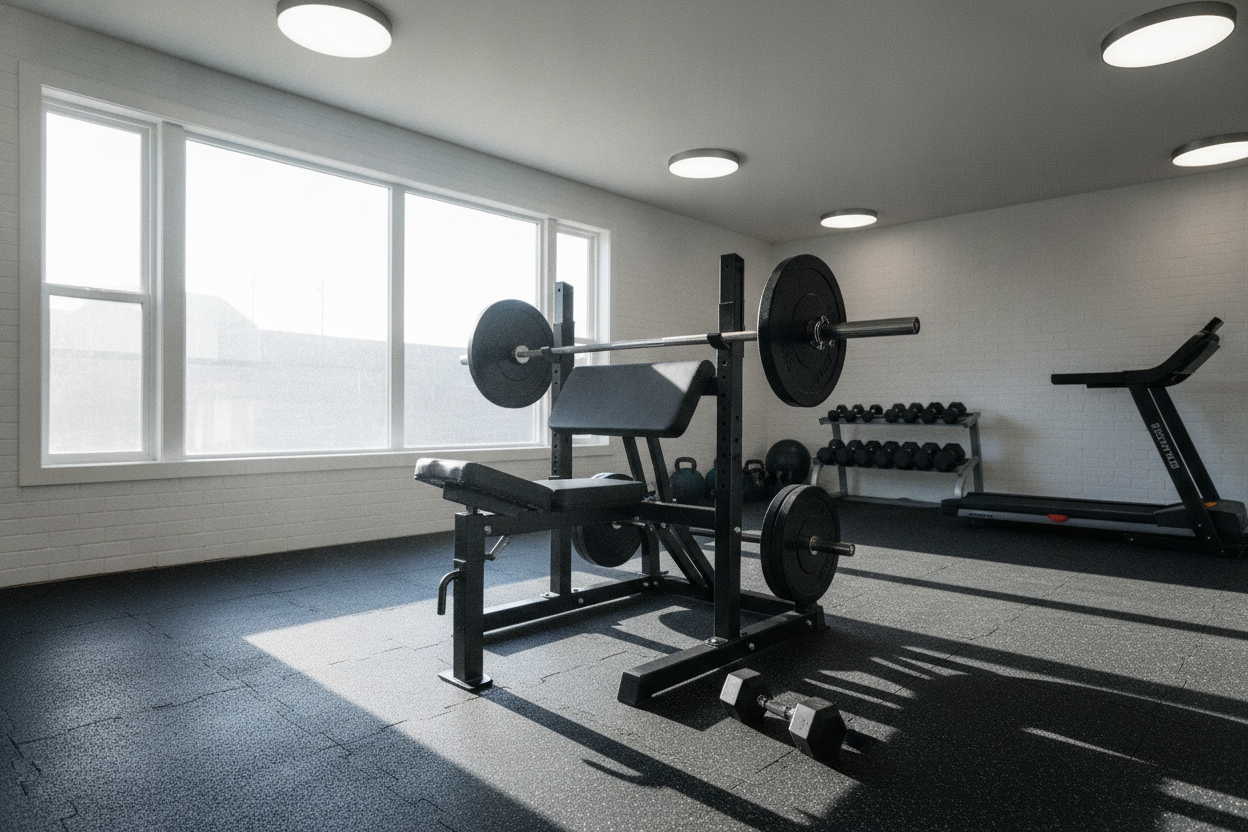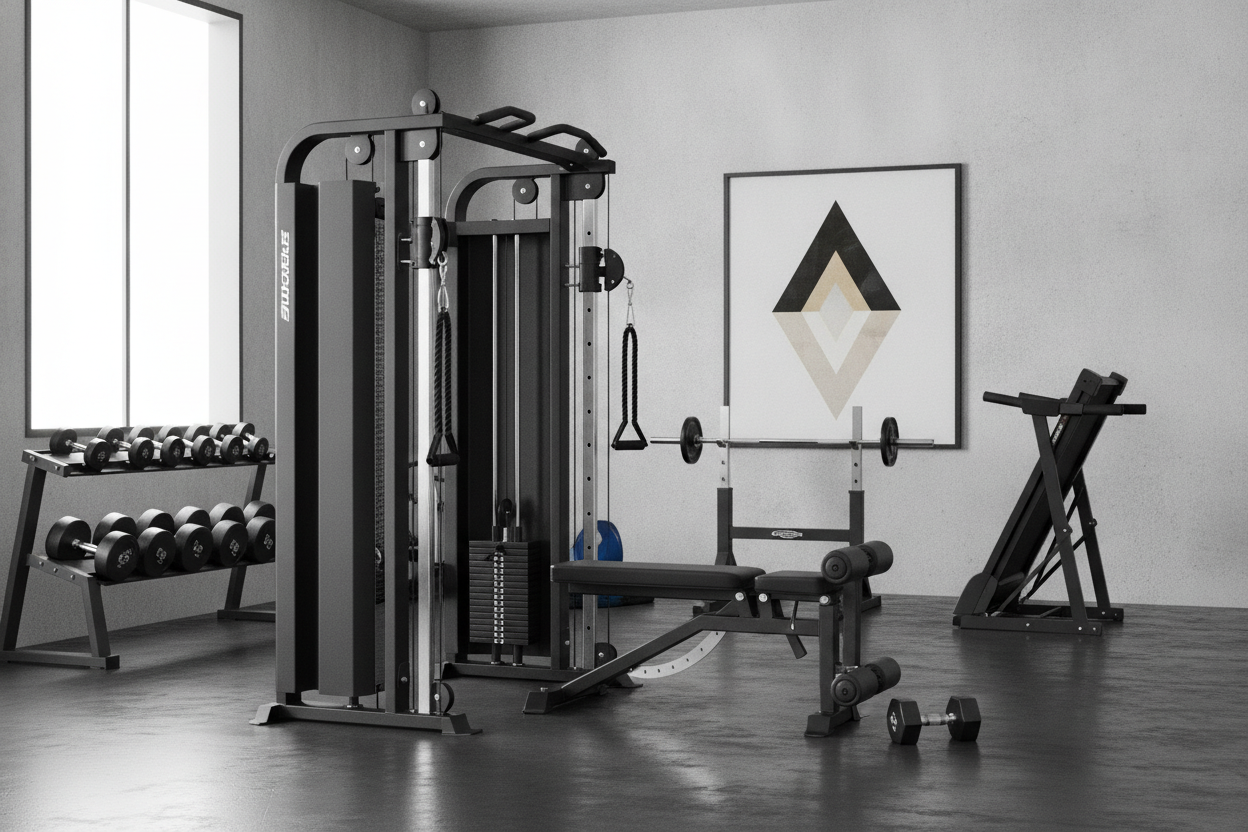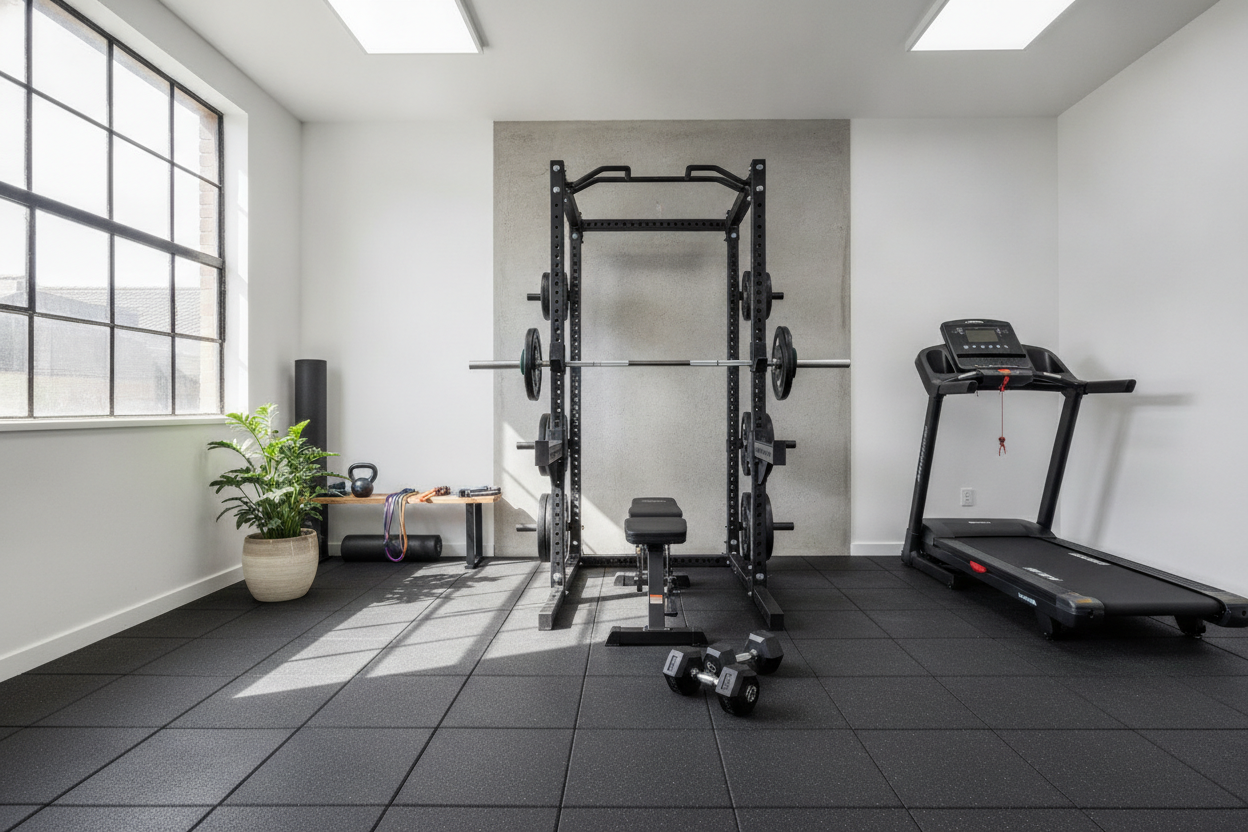
I Ditched My Fitness Factory Membership to Build This Instead
I remember staring at the clock at 5:15 PM, dreading the drive to my local fitness factory. I knew exactly what was waiting: a packed parking lot, every squat rack occupied by a group of four teenagers, and that specific humid smell of a commercial fitness factory health club at peak capacity. I was paying 60 bucks a month to wait in line for equipment I didn't even like using.
The breaking point wasn't the membership fee; it was the friction. When you spend more time scrolling your phone while waiting for a bench than actually pressing, you aren't training—you're just loitering. I decided to take the money I'd spend on a year of the fitness factory dues and put it into 11-gauge steel and rubber flooring.
- No Commute: Your training starts the second you walk into the garage.
- Equipment Quality: You choose the knurling, the bar whip, and the plate style.
- Zero Crowds: No more fitness factory busy hours ruining your supersets.
- Long-term ROI: A quality rack and bar will outlast a decade of gym memberships.
The Illusion of the 24/7 Mega-Gym
There is a psychological trap in the fitness factory 24/7 model. They sell you on the 'possibility' of training. You see 30 treadmills and 15 cable machines in the fitness factory photos and think you're getting a massive value. But let's be real: you only ever use about 5% of that floor space. Most of those machines are filler designed to make the factory fitness center look impressive to new sign-ups.
I realized that my best workouts always happened with a barbell, a rack, and a bench. The extra 40,000 square feet of factory fitness floor space was just noise. When you own the gear, you focus on the movements that actually drive progress, not the flashy machines that are usually out of order anyway.
Surviving the Dreaded Fitness Factory Busy Hours
If you've ever tried to hit a PR during fitness factory busy hours, you know the struggle. Between 5 PM and 8 PM, the factory fitness center becomes a social club where the equipment is secondary. I've spent 20 minutes circling for a parking spot at fitness factory bremerton just to find out the only power rack has a 'reserved' towel on it.
That momentum kill is the silent gains-thief. In a home setup, your rest periods are dictated by your heart rate, not by someone asking 'how many sets you got left?' I don't miss the fitness factory gym vibe where you have to negotiate for a pair of 25lb dumbbells. My garage doesn't have a fitness factory logo on the wall, but it has a rack that's always open.
What I Actually Miss (Hint: It's Just the Sauna)
I'll be honest: there are things my fitness factory had that I can't easily replicate. The fitness factory sauna was a godsend after a heavy leg day. There's something to be said for the 'third space' environment of the factory fitness where you can zone out in the heat. And yeah, someone else cleaning the fitness factory club bathrooms was a nice perk.
But is a 15-minute sweat in a cedar box worth the 40-minute round-trip commute and the frustration of the factory fitness center reviews being right about the broken AC? Probably not. You can buy a portable infrared sauna for the cost of six months at your fitness factory, and you won't have to share it with a stranger who doesn't understand personal space.
Bringing the Commercial Experience to Your Garage
The secret to a successful transition from gym factory fitness to a home setup is the layout. You want to mimic the 'zones' found in a factory gym of physical training. Start with your footprint. A standard 2-car garage can easily fit a full power rack, a functional trainer, and a dedicated deadlift area if you're smart about it.
Creating a state-of-the-art fitness center in your garage is about flow. I positioned my rack so I could pull my car in if needed, but kept my most-used plates within arm's reach. The factory fitness center photos you see online always show massive open spaces, but in reality, you can get 90% of that utility in a 10x10 area. Focus on versatility—get a bench that does incline and decline, and a barbell that can handle both slow lifts and cleans.
Why Your Floor Matters More Than Fancy Logos
One thing people overlook when leaving a fitness factory health club is the floor. Commercial gyms have thick, professional-grade rubber that absorbs the shock of a 500lb pull. If you're building a fit factory 24/7 at home, you can't just throw a yoga mat on the concrete and call it a day. You'll crack your foundation and annoy your neighbors.
Investing in a large exercise mat with at least 8mm of high-density rubber is non-negotiable. It provides the same solid footing you'd find at the factory bremerton. I made the mistake of buying cheap foam tiles first—they slid around the moment I tried to do a lateral lunge. Real commercial-grade rubber makes your home gym feel like a professional fitness factory 24/7 rather than a temporary hobby space.
FAQ
What are the typical fitness factory hours?
Most locations, like fitness factory 24/7, are open round the clock. However, 'open' doesn't mean 'available.' Peak times are almost always 6 AM to 9 AM and 4 PM to 8 PM.
Is the fitness factory sauna worth the membership?
If you use it daily, maybe. But for the price of a premium membership over two years, you could install a high-quality home sauna and never have to sit in someone else's sweat again.
How do I avoid the fitness factory busy hours?
Typically, mid-day (11 AM to 2 PM) or very late night (after 10 PM) are the quietest. Or, you could just walk 20 feet into your garage and never worry about it again.