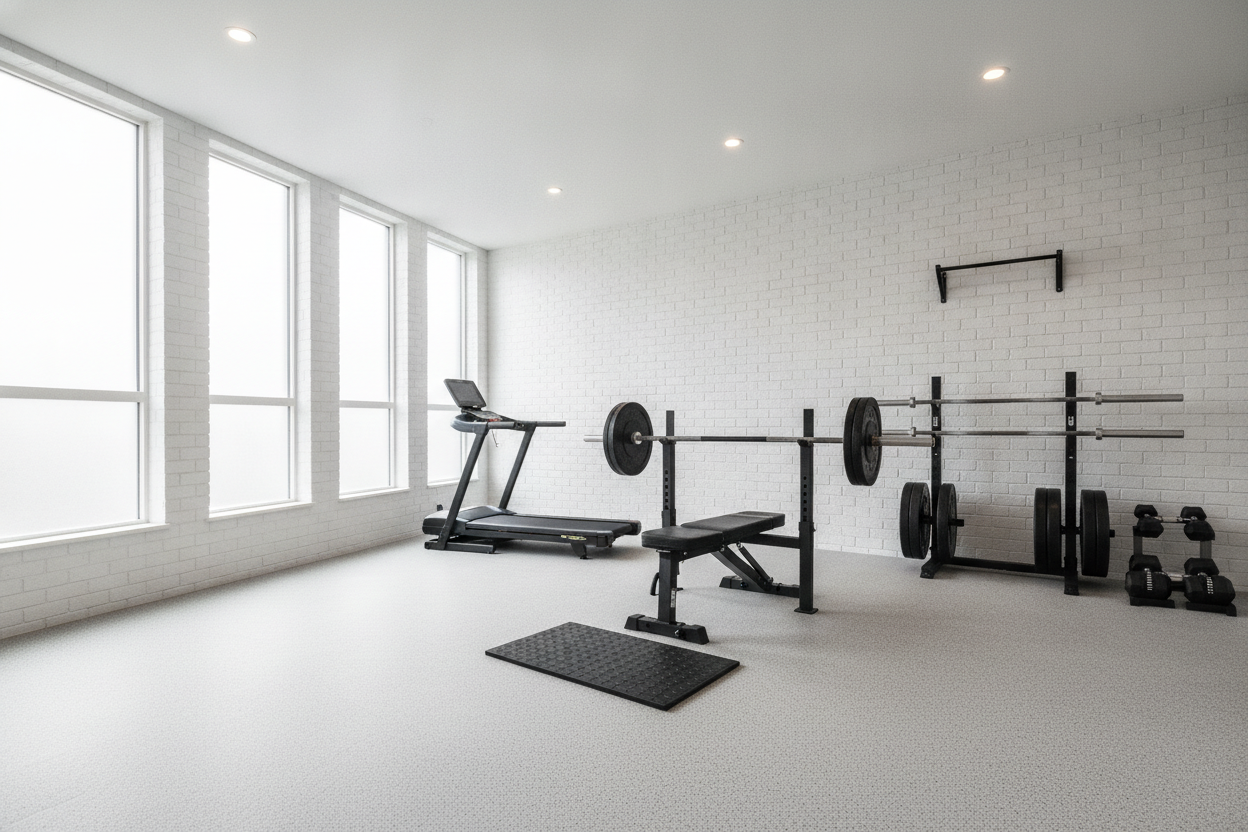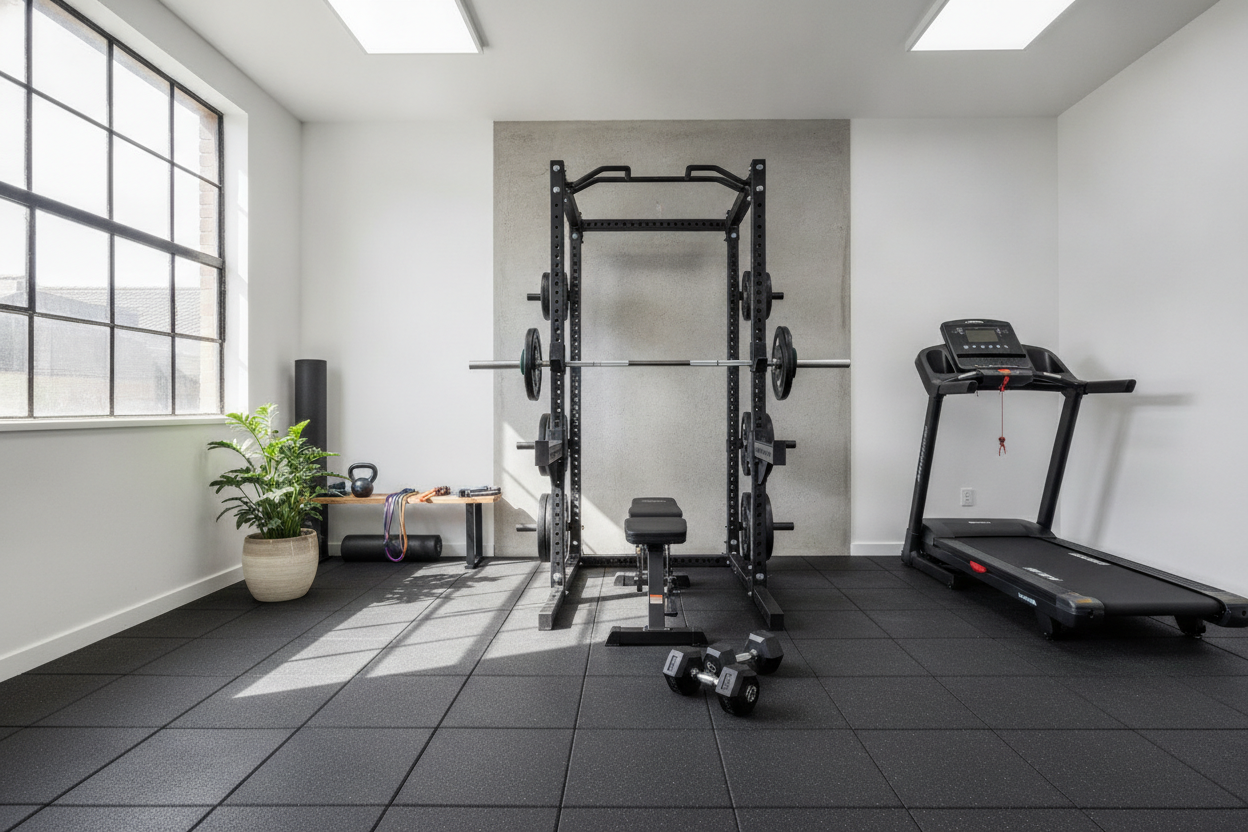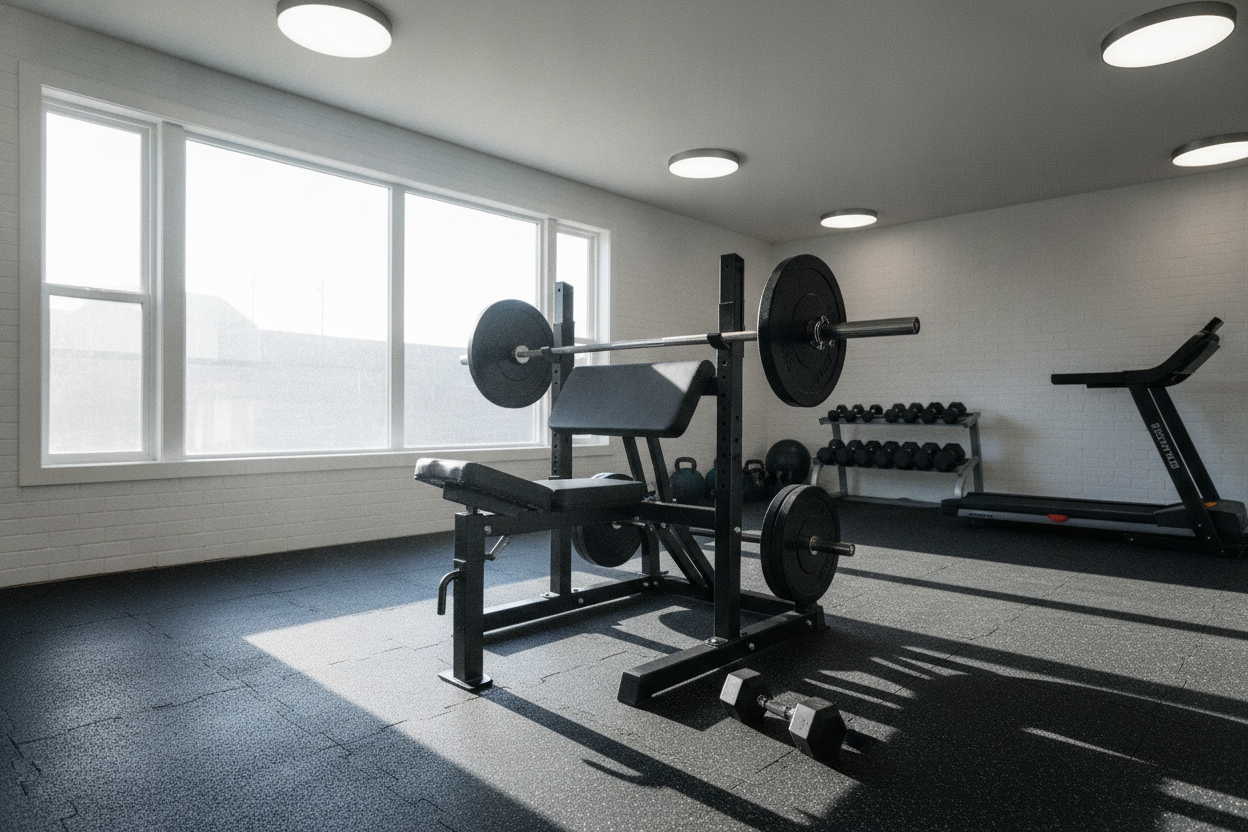
Trying to Do a Bench Press for Glutes? Here is the Right Setup
I remember the first time I saw the phrase bench press for glutes pop up in my feed. My immediate thought was that someone had finally lost their mind and tried to press a 45-lb bar with their hamstrings. But after years of building out garage gyms and testing every piece of steel that hits the market, I realized it is just a naming collision between two very different worlds: the powerlifter using leg drive and the hypertrophy crowd trying to master the hip thrust.
If you are looking to grow your backside, you aren't actually looking to 'press' a bar with your chest. You are looking for a way to turn your standard weight bench into a launchpad for heavy hip extensions. Using a bench meant for chest day to build a shelf-like posterior requires a specific setup if you want to avoid a trip to the chiropractor or a ripped upholstery bill.
- The Goal: Maximize hip extension under load using a bench as a pivot point.
- The Setup: Bench height should be 16-17 inches; anything higher ruins your leverage.
- The Gear: A thick barbell pad is non-negotiable unless you enjoy hip bone bruises.
- The Secret: Tuck your chin and keep your ribs down to keep the work in the glutes, not the lower back.
What People Actually Mean by a Bench Press for Glutes
Let's clear the air. In the powerlifting world, a glute bench press refers to using 'leg drive.' This is where you dig your heels into the floor and squeeze your glutes so hard your body turns into a rigid arch, allowing you to move more weight off your chest. It is a full-body tension technique, but it is not a glute builder. If your goal is to fill out your jeans, that is not the exercise you are looking for.
Most people searching for this term are actually trying to figure out how to perform a barbell hip thrust using their existing bench press equipment. They want to know how to brace their upper back against the pad to drive a heavy barbell toward the ceiling. It is arguably the most effective movement for glute hypertrophy, but it is also the easiest one to screw up in a home gym environment.
When you perform this 'bench press for glutes' (the hip thrust), the bench acts as a fulcrum. Your shoulder blades stay pinned to the edge of the pad while your hips do the moving. It is a horizontal press, just not for your arms. Understanding this distinction is the difference between getting a massive pump and just making your lower back angry.
How to Execute the Perfect Glute Bench Press
To do this correctly, you need to treat the setup with the same respect you give a heavy squat. Start by sitting on the floor with your back against the long side of the bench. The edge of the bench should hit you right at the bottom of your shoulder blades (the scapula). If the bench is too high, you will find yourself sliding upward; if it is too low, you won't get a full range of motion.
Roll a loaded barbell over your legs until it sits in the crease of your hips. This is where a high-quality barbell pad or a folded yoga mat is essential. Without it, the cold steel will grind against your hip bones once you cross the 135-lb mark. Place your feet flat on the floor, roughly shoulder-width apart. Your shins should be completely vertical at the top of the movement. If your feet are too far out, you’ll feel it in your hamstrings; too close, and it becomes a quad exercise.
Drive through your heels and squeeze your glutes to lift the bar. Here is the kicker: keep your chin tucked toward your chest the entire time. Do not look at the ceiling. By keeping your gaze forward, you naturally keep your spine in a safer, neutral position and prevent your lower back from taking over the lift. Lock out at the top, hold for a second, and control the weight on the way down.
Choosing the Right Bench for Heavy Thrusts
Not all benches are created equal for this. If you are using a lightweight, cheap bench from a big-box store, it’s going to tip over the second you lean back with 200 lbs on your lap. You need something with weight behind it and a wide footprint. The Gxmmat Adjustable Weight Bench is a solid middle-ground option here. It is heavy enough to stay put during upper back transitions but versatile enough that you can still use it for your actual chest presses and incline work.
However, if you are serious about glute isolation and you have the floor space, a dedicated piece of kit like the Gxmmat Glute Bench is a superior choice. Standard benches are often 17 to 18 inches high, which is actually a bit too tall for many people to get into a proper hip thrust position. A dedicated glute bench is lower to the ground and features a rounded edge that won't dig into your spine. It also usually comes with built-in pegs for resistance bands, which is a massive win for adding tension at the top of the movement.
Another factor is the upholstery. Hip thrusts are notoriously hard on vinyl. You are essentially grinding your shoulder blades into the foam with every rep. Look for a bench with high-density foam and a 'sticky' top texture so you don't slide across the floor. If your bench does slide, wedge it against a power rack or a wall. There is nothing more terrifying than having a bench move backward while you have a heavy barbell across your pelvis.
The Most Common Setup Mistakes
The biggest mistake I see is the 'Neck Pivot.' People rest their actual neck or the very top of their shoulders on the bench. This creates a massive amount of strain on the cervical spine and limits your power. You want the bench to support your mid-back, allowing your torso to move as one solid unit from the hips up to the head.
Second is the 'Banana Back.' This happens when you lose core tension and let your lower back arch excessively at the top. If you feel a pinch in your spine, you aren't tucking your pelvis. Think about pulling your belly button toward your chin. This 'posterior pelvic tilt' is what actually engages the glutes. If you can't achieve this, the weight is too heavy.
Finally, stop ignoring the barbell pad. I’ve seen guys try to be 'hardcore' by using a naked bar for 315-lb thrusts. All they end up with is bruised hip bones and a shortened range of motion because of the pain. Use the pad. It allows you to actually focus on the muscle contraction instead of the sensation of metal crushing your pelvis.
Building Out Your Lower Body Station
If you are training in a garage or a spare bedroom, efficiency is king. You don't want to spend twenty minutes moving gear around just to switch from squats to thrusts. I recommend setting up a dedicated 'station' where your bench is already braced. Investing in a comprehensive Weight Set And Bench bundle is usually the smartest move for home owners. It ensures your plates, bar, and bench are all compatible and rated for the same weight capacities.
Keep your barbell pad hanging on your rack and keep a pair of floor mats under your bench area. This protects your foundation and prevents the bench from walking across the concrete. Once you have the setup dialed in, the 'bench press for glutes' becomes the most productive 15 minutes of your leg day.
Is a flat bench better than an adjustable one for glute work?
Flat benches are generally more stable because they have fewer moving parts and a lower center of gravity. However, an adjustable bench works fine as long as it is rated for high weight capacities. Just make sure the 'gap' between the seat and back pad doesn't hit you right in the spine.
How do I stop my bench from sliding?
If you aren't bolting it down, place the bench against a wall or the base of your power rack. If that's not an option, place a heavy pair of dumbbells behind the feet of the bench to act as anchors.
Can I use dumbbells instead of a barbell?
You can, but it gets awkward fast. Balancing a 100-lb dumbbell on your lap is a recipe for a pinched finger. A barbell is much easier to load, pad, and balance as you get stronger.