Why I Still Buy Heavy Iron at Local Fitness Stores
I remember the first time I tried to buy a full set of bumper plates online. The price per pound looked unbeatable until I hit the checkout button and saw a $280 'LTL Freight' charge added to the total. That’s when I realized that local fitness stores are the secret weapon for anyone trying to build a serious gym without getting fleeced by shipping companies.
Buying local isn't just about supporting the neighborhood shop; it's about the cold, hard math of physics. Iron is heavy, and shipping heavy things across the country is expensive. If you can move the gear yourself, you keep that shipping money in your pocket where it belongs.
- Avoid LTL freight fees that can easily add 30% to your total cost.
- Test the knurling on bars and the stability of racks before you buy.
- Access unadvertised floor model discounts and scratch-and-dent deals.
- Build a relationship to get first dibs on commercial gym trade-ins.
The Brutal Reality of Online Freight Shipping
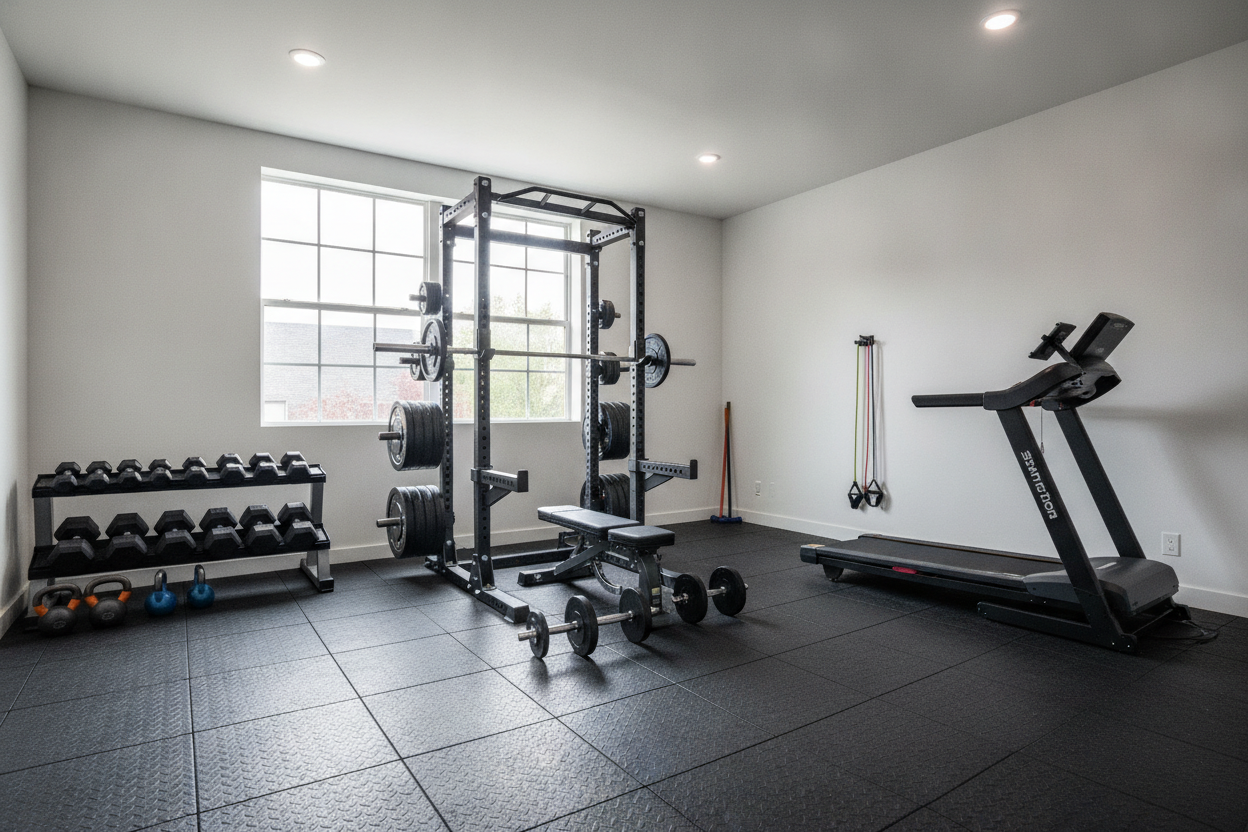
You find a power rack online for $600. It is made of 11-gauge steel with 3x3 uprights—exactly what you need for heavy squats. But because it weighs 300 pounds and ships on a pallet, that 'free shipping' offer usually requires a $1,000 minimum order, or it is a $250 surprise at the final checkout screen.
I have seen lifters spend more on shipping a pair of 45-lb plates than the actual iron cost. It is madness. When you buy from local shops, they have already absorbed the bulk shipping costs by bringing in fifty racks at a time on a semi-truck. If you have a truck or a sturdy SUV, driving twenty minutes to pick up your gear is the easiest money you will ever save on a build.
What You Actually Find Hiding in Brick-and-Mortar Shops
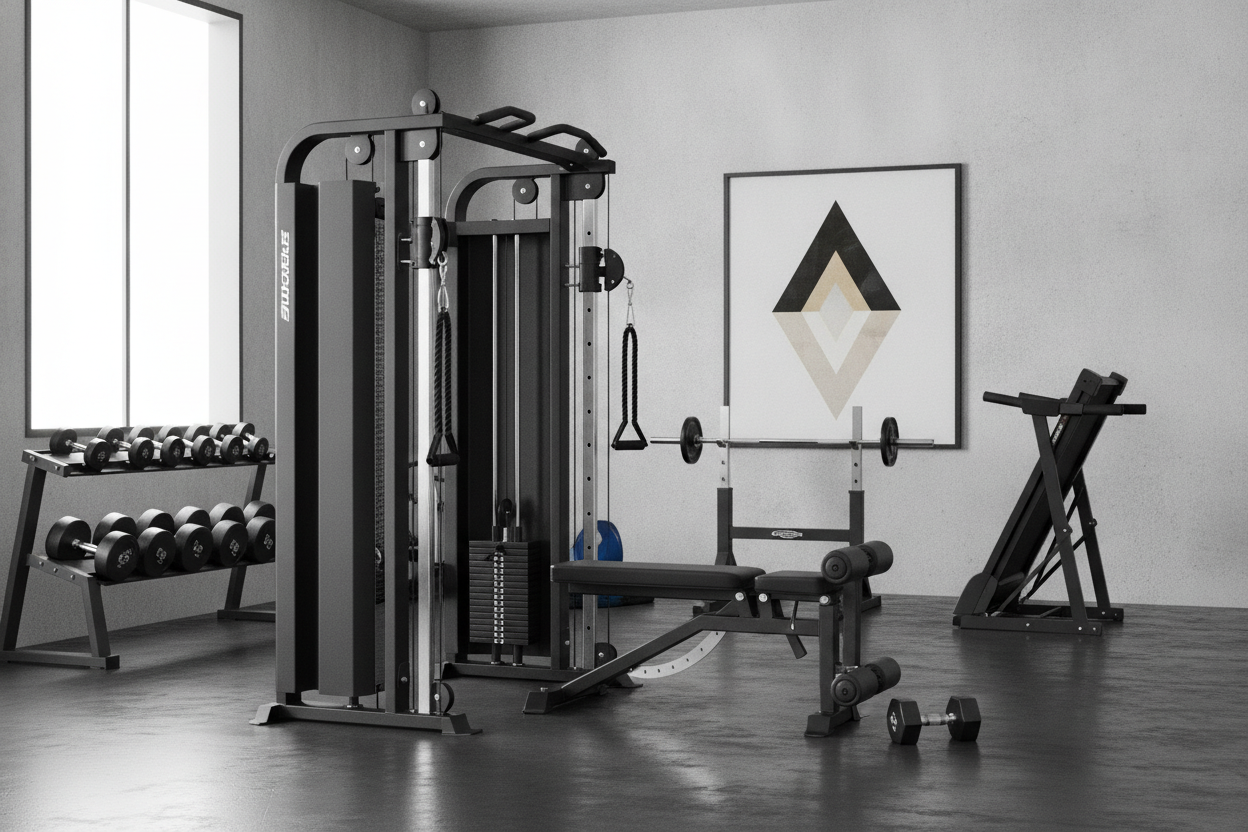
Do not confuse a specialty fitness shop with a big-box sporting goods store that sells plastic-coated weights and flimsy benches. Real specialty stores carry commercial-grade functional trainers and high-quality local exercise equipment for sale that often never makes it onto their website.
The real gold is the floor model. These units are already assembled, which saves you an afternoon of fighting with a socket wrench. Because they have been touched by customers, shops are often desperate to rotate them out for fresh inventory. When evaluating gym fitness equipment for sale on the showroom floor, look for minor cosmetic scuffs. Those scuffs are your best leverage for a 20% discount on a machine that has never actually seen a real workout.
The Art of the Walk-In Negotiation
If you walk into a shop and just browse, you will pay the sticker price. If you walk in with a pickup truck parked out front and a willingness to close the deal right now, the conversation changes. Shop owners hate moving heavy inventory twice. If they have local fitness equipment for sale that has been sitting in the corner for three months, they want that floor space back.
Ask the manager if they have any open-box returns or older inventory they are looking to move. Mentioning that you are finding cheap fitness equipment for sale on secondary markets can help, but being a 'cash and carry' customer is your biggest edge. Most independent shops will shave off the tax or drop the price another $50 just to avoid the hassle of scheduling a delivery crew.
What Belongs in Your Truck vs. What Belongs in the Mail
Strategy matters. I do not buy everything local. If I am looking for a large exercise mat for home gym use, I will order that online. It is light, it rolls up, and the shipping is negligible. The same goes for resistance bands, collars, or specialized cable attachments that fit in a standard USPS box.
But when it comes to local gym equipment for sale like dumbbells, kettlebells, and Olympic iron, the 'local or bust' rule applies. A full run of 5-50lb dumbbells weighs 550 lbs. Shipping that is a logistical nightmare. Iron is iron. Unless you need a specific calibrated plate for a sanctioned powerlifting meet, a 45-lb plate from a local shop weighs the same as the one from a boutique brand—but it costs significantly less.
Getting First Dibs on Trade-Ins
The best deals are rarely on the new stuff. They are on the trade-ins. Local stores often act as liquidators for personal training studios that are closing or homeowners who are moving. By becoming a regular, you get on the 'first call' list.
I once scored a commercial-grade GHD for $100 because the shop owner knew I was looking for one and a local CrossFit box was upgrading their gear. He did not even put it on the floor; he just sent me a text. That kind of insider access only happens when you stop being an anonymous order number and start being a face in the store.
My Best Local Score
A few years back, I was hunting for a functional trainer. Online, they were all $2,500 plus a massive freight fee. I walked into a local shop and saw a floor model that had been used for a weekend fitness expo. It had some chalk dust on the cables and a tiny scratch on the frame. I offered the owner $1,600 cash if I could haul it away that afternoon. He handed me a wrench and helped me load it. I still use that machine every single week, and the $900 I saved paid for my entire rack of dumbbells.
Is floor model equipment safe to buy?
Yes. Usually, it has just been sat on or tested for a few minutes by customers. Just check the bolts and make sure the cables on machines are not frayed. You are getting a pre-assembled unit at a steep discount.
Do local stores price match online retailers?
Many will, especially if you show them the 'total' price including shipping. If a rack is $500 online but costs $150 to ship, and the local store has it for $600, they are already the better deal. Always negotiate based on the final out-the-door price.
What should I bring when picking up equipment?
Bring heavy-duty ratchet straps, moving blankets, and a friend. Do not expect the shop staff to risk their backs loading a 400-lb leg press into your truck solo. Being prepared and moving fast makes you the kind of customer they want to call when the next big trade-in arrives.