Why Most Glute Programs Are Just Glorified Cardio Circuits
I bought a set of 'glute loops' from a targeted ad once. They were neon pink, smelled like a tire factory, and promised a 'Brazilian lift' in 21 days. Three weeks later, the bands were snapped in my trash can and my backside looked exactly the same. Most glute programs on the market are just glorified cardio circuits designed to make you sweat, not grow.
Quick Takeaways
- Mechanical tension beats a 'pump' every single time.
- Stop doing 30-rep sets of donkey kicks; they don't provide enough stimulus for growth.
- You need heavy hinges, deep squats, and progressive overload.
- Consistency over 12 weeks beats intensity over 12 days.
The Epidemic of Junk Volume in Lower Body Training
The fitness industry has a massive addiction to junk volume. You see it everywhere: 6-day-a-week routines filled with 400 reps of bodyweight pulses and bouncy band work. It looks great on camera, and it definitely creates a massive sweat, but it's fundamentally flawed. Real muscle growth—hypertrophy—requires mechanical tension. That means moving a weight that is actually heavy relative to your strength.
When you do 50 reps of a kickback, you aren't building muscle; you're building local muscular endurance. You're 'burning,' sure, but that burn is just metabolic byproduct, not a signal for your glutes to get bigger and stronger. This high-rep approach fails because it lacks the load necessary to recruit high-threshold motor units. If you want to see a change in the mirror, you have to stop chasing the sweat and start chasing the weight on the bar.
What Actually Makes the Best Glute Building Program Work?
The best glute building program isn't a secret list of 'hacks' from an influencer. It's built on boring, predictable biological realities. To grow the gluteus maximus—the largest muscle in your body—you need to load it through its primary functions: hip extension and hip abduction. This is why movements like the barbell hip thrust, the Romanian deadlift, and the deep back squat are non-negotiable. They allow for the most weight to be moved through a significant range of motion.
A real glute gym workout plan prioritizes progressive overload. If you hip thrust 135 lbs this week, you need to aim for 140 lbs or an extra rep next week. Most social media plans fail because they have you doing different exercises every day for 'muscle confusion.' In reality, you're just confusing your progress. You can explore our workout hub to see how foundational strength principles apply to every muscle group, but for glutes, the rule is simple: get strong in the 5-12 rep range and recover like it's your job.
How to Structure a Realistic Leg and Glute Workout Plan
One of the biggest mistakes I see is people training glutes five days a week and ignoring their quads and hamstrings. Not only does this lead to a weirdly unbalanced physique, but it also leads to burnout and hip issues. A leg and glute workout plan should be balanced. You need your quads to help you drive out of the bottom of a squat, and your hamstrings to stabilize your pelvis during a heavy hinge.
A smart workout split glute focused usually involves 2 to 3 lower body days per week. This allows for 48 to 72 hours of recovery between sessions. If you're hitting your legs hard on Monday, you shouldn't be back in the rack on Tuesday. Your muscles grow while you sleep and eat, not while you're grinding out another set of lunges. Balance your compounds (squats, deadlifts) with your accessories (step-ups, 45-degree hypers) to ensure you're hitting every fiber without overtraining.
The 2-Day Heavy/Light Strategy
If you're looking for a concrete glute building workout plan gym structure, try the Heavy/Light split. On Day 1 (Heavy), focus on low-rep, high-weight movements. Think 3 sets of 5 on conventional deadlifts and 4 sets of 8 on heavy barbell hip thrusts. This is about pure force production. You want to feel like you've actually done work, not just moved through space.
On Day 2 (Light/Hypertrophy), move into the 10-15 rep range. This is where you use Bulgarian split squats, Romanian deadlifts with a focus on the stretch, and maybe some cable pull-throughs. The 'light' day isn't 'easy'—it just uses different loading parameters to trigger growth through metabolic stress and muscle damage. This 2-day approach keeps you fresh enough to actually push the numbers up every single week.
Ditching the Machines: The Glute Home Workout Plan
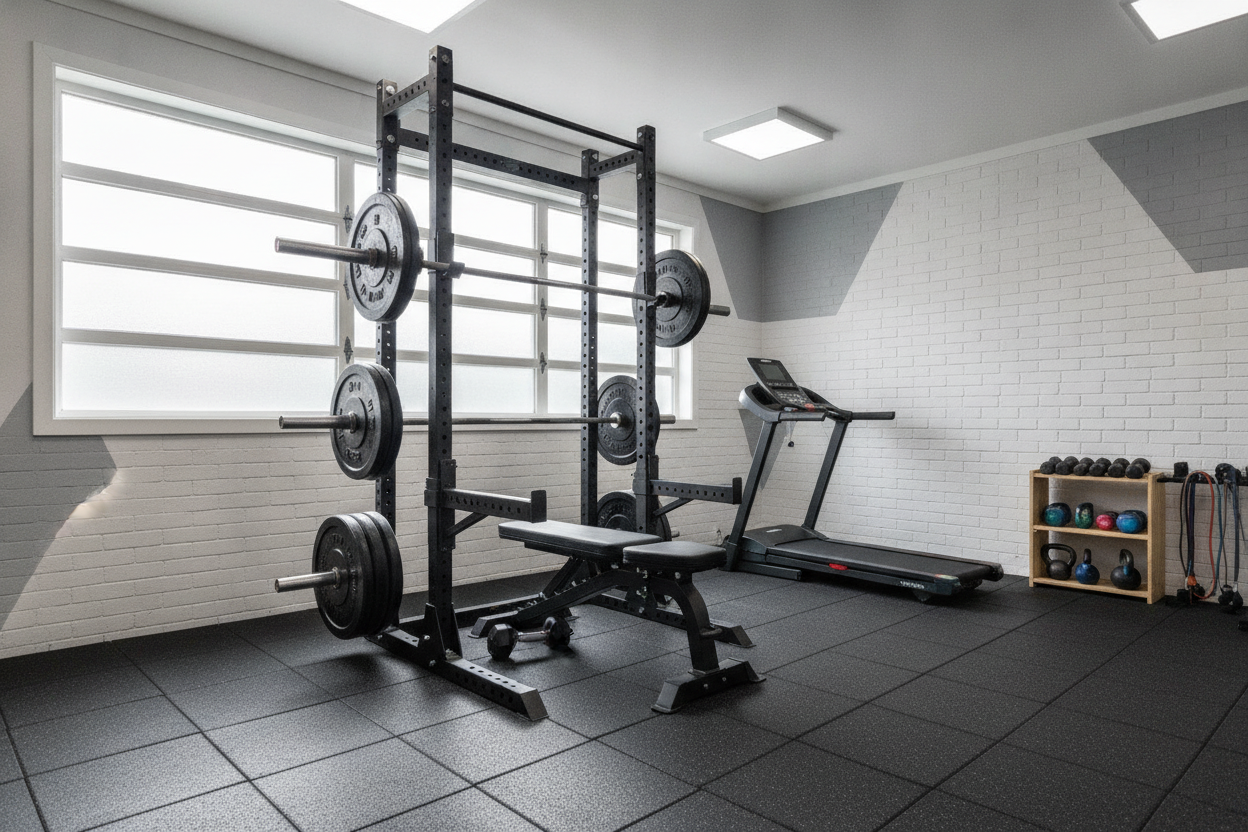
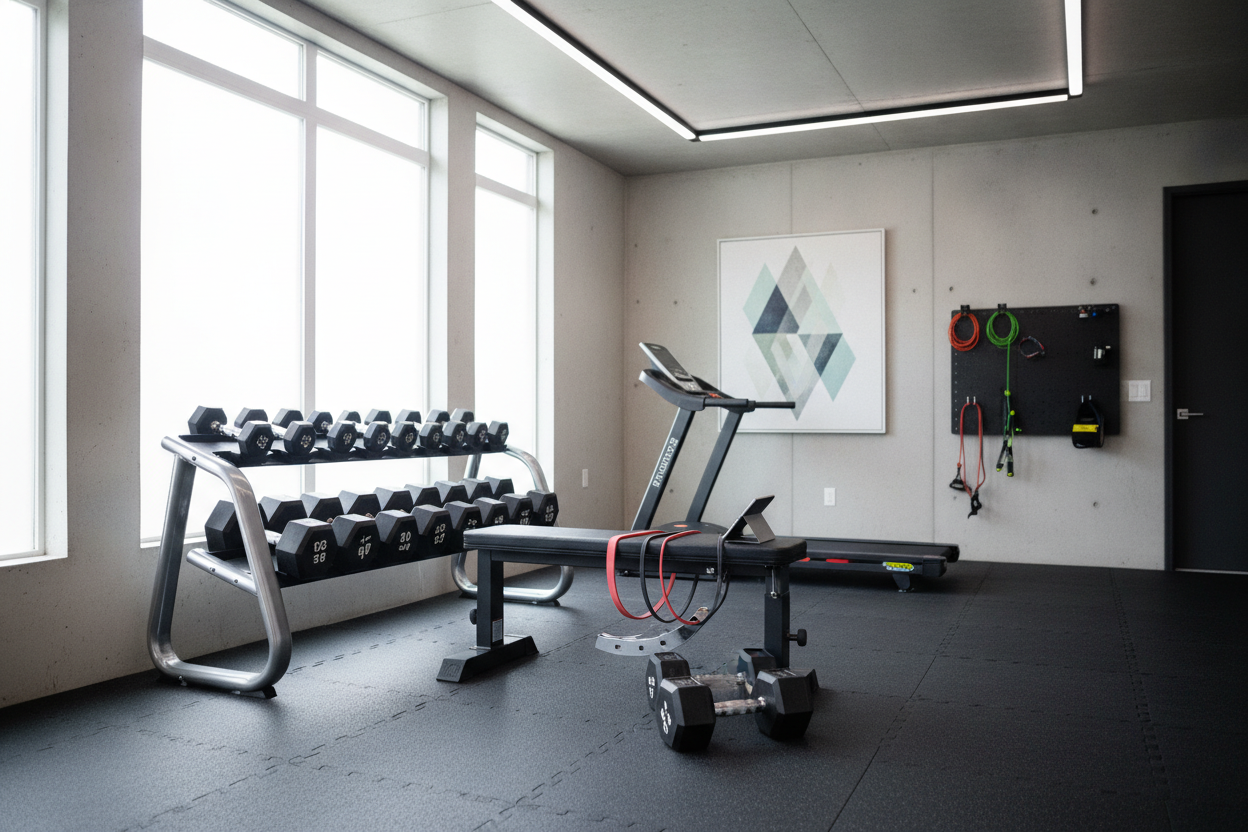
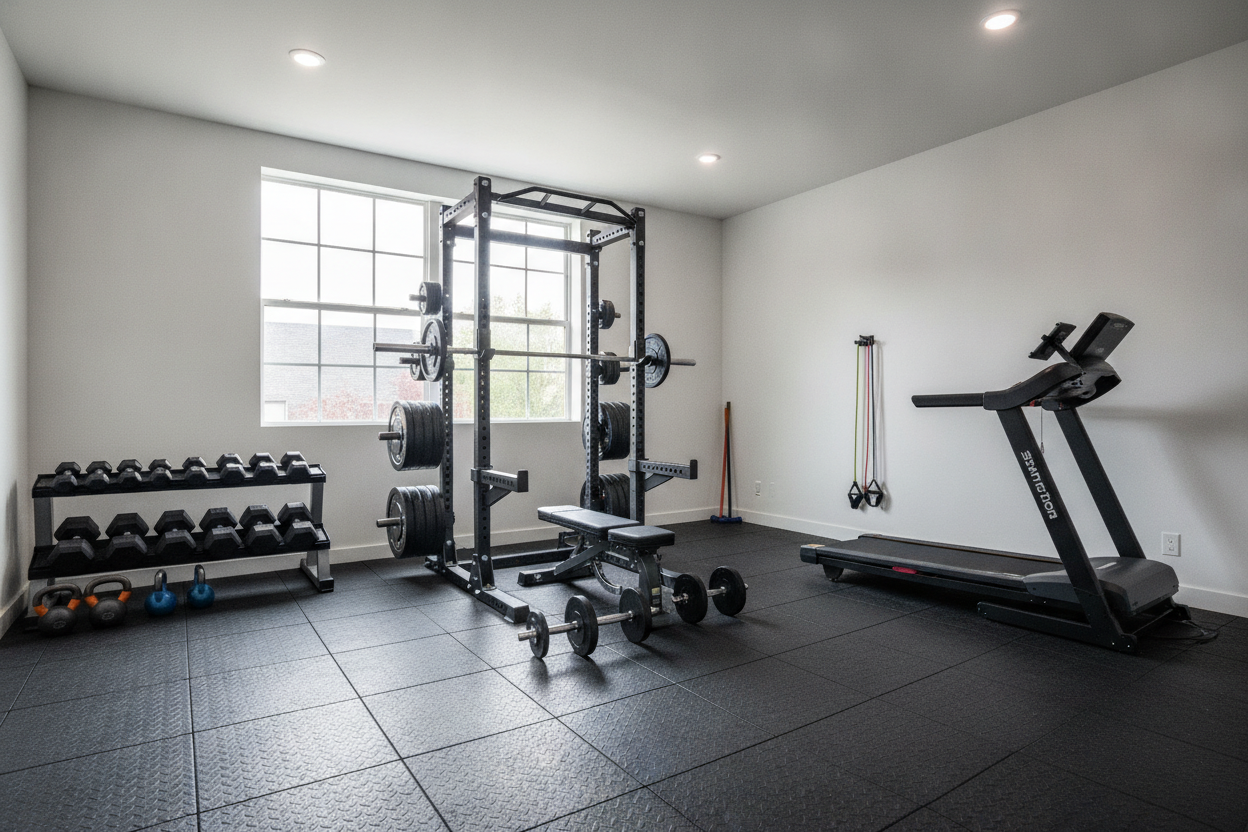
You don't need a $5,000 commercial glute drive machine to build a posterior chain. A solid glute home workout plan can be just as effective with a barbell, a set of dumbbells, and a bit of floor space. The challenge at home is usually loading. Since you don't have a leg press, you have to get creative with single-leg work. Deficit reverse lunges and single-leg RDLs are brutal and require significantly less weight to reach failure than their bilateral counterparts.
If you're doing heavy floor-based work like dumbbell hip thrusts or bridges, do your back a favor. I've tried doing these on a thin yoga mat and ended up with bruises on my shoulder blades that looked like I'd been in a fight. Grab a thick exercise mat for home workouts to provide the cushion you need when you start pushing 50-lb or 100-lb dumbbells. Heavy loading is the goal, but you shouldn't have to sacrifice your skin and bones to get there.
Pick a Plan and Stick to It
The absolute killer of progress is 'program hopping.' I’ve been guilty of it—seeing a new reel and thinking, 'Maybe I should try that instead.' But muscle takes time to build. You need to stick to the same heavy, basic movements for at least 8 to 12 weeks. This allows you to actually track progress. If you change your exercises every week, you have no idea if you're actually getting stronger or just getting better at the novelty of the movement.
I finally saw real results when I cured my program hopping by committing to a simple, three-day-a-week full body split that prioritized the hinge. Don't worry about being bored. Being 'bored' with a workout usually means it's working. Focus on adding 2.5 lbs to the bar or doing one more rep than last time. That is where the magic happens.
Personal Experience: My Biggest Mistake
I spent an entire year doing 'booty burns' and high-rep bodyweight circuits because I was afraid of getting 'bulky' legs. I did thousands of reps of fire hydrants. My glutes stayed exactly the same size. It wasn't until I started squatting to depth and deadlifting twice my body weight that I actually saw a change. Don't waste a year like I did. Pick up the heavy stuff.
Frequently Asked Questions
How many times a week should I train glutes?
2 to 3 times per week is the sweet spot. Any more and you're likely not recovering; any less and you aren't providing enough stimulus for significant growth.
Can I grow my glutes without a squat rack?
Yes. Heavy lunges, RDLs, and hip thrusts can all be done with dumbbells or sandbags. It's about the load, not the specific piece of equipment.
How long does it take to see results?
If your nutrition is on point (meaning you're eating enough protein), you'll start seeing strength gains in 3-4 weeks and visual changes in 8-12 weeks. Consistency is the only way there.