Your Fitness Instructor for the Elderly Is Probably Playing It Too Safe
I was at a local community center last week and saw a group of people in their 70s doing 'seated bicep curls' with what looked like 1lb soup cans. It made my blood boil. If you are currently looking for a fitness instructor for the elderly for yourself or a parent, you are likely being sold a version of 'fitness' that is essentially expensive babysitting. Most trainers treat seniors like they are made of glass, but the reality is that biology doesn't care about your age—it only cares about the stimulus you provide.
Quick Takeaways
- Most senior programs under-dose resistance, failing to trigger bone density growth.
- A weekend senior fitness certification is not a substitute for hands-on coaching experience.
- If a trainer refuses to get a client on the floor, they are ignoring a critical safety skill.
- Functional strength for seniors requires progressive overload, not just movement.
The 'Do No Harm' Trap in Senior Fitness
The biggest issue with the average personal trainer for elderly clients is a paralyzing fear of liability. They operate under a 'do no harm' mantra that results in 'do nothing useful.' To combat sarcopenia (muscle wasting) and osteopenia (bone thinning), the body requires load. If an elderly personal trainer only prescribes chair stretches and pink plastic dumbbells, they aren't actually improving the client's health markers.
A real fitness trainer for seniors understands that a 70-year-old needs to squat, hinge, and carry just as much as a 20-year-old does—perhaps even more. When we under-dose exercise, we leave the client's bone density and muscle mass to wither. A geriatric personal trainer should be focused on 'functional' movements that actually translate to daily life, like getting out of a low car or carrying groceries, which require more than just 2lb curls.
Certifications vs. Real-World Coaching Experience
You’ll see plenty of badges like senior fitness specialist or senior fitness instructor certification on a trainer's bio. While an issa senior fitness certification or an ace senior fitness specialist credential shows they’ve read a book, it doesn't guarantee they know how to handle a client with a hip replacement and a stubborn streak. When hiring a personal trainer for senior citizens, look for someone who has spent years on the floor, not just someone who passed a senior fitness certification online.
The best senior fitness certification is often just a high-level strength and conditioning background combined with specific experience in geriatric personal training. Ask how many older personal trainers they’ve mentored or how many clients over 80 they currently work with. Experience in teaching fitness to seniors is worth more than a dozen weekend certificates.
Three Red Flags Your Trainer Is Phoning It In
First, if they stay seated for the whole hour, fire them. A senior fitness trainer who doesn't prioritize balance and floor-to-standing transitions is failing you. Falling is a major risk for older adults, and learning how to safely get back up is a life-saving skill. This requires a large exercise mat for home gym use so there is plenty of space to practice rolling and crawling without fear of falling off the edge onto a hard floor.
Second, a lack of progressive overload. If you are using the same 5lb weights six months later, you aren't training; you're just moving. Third, if they ignore mobility. A personal trainer for senior citizen clients must address the 'stiff' joints that lead to a shuffling gait. If they aren't working on ankle and hip mobility, they aren't a senior fitness instructor—they're a social companion.
What a Proper Home Session Should Look Like
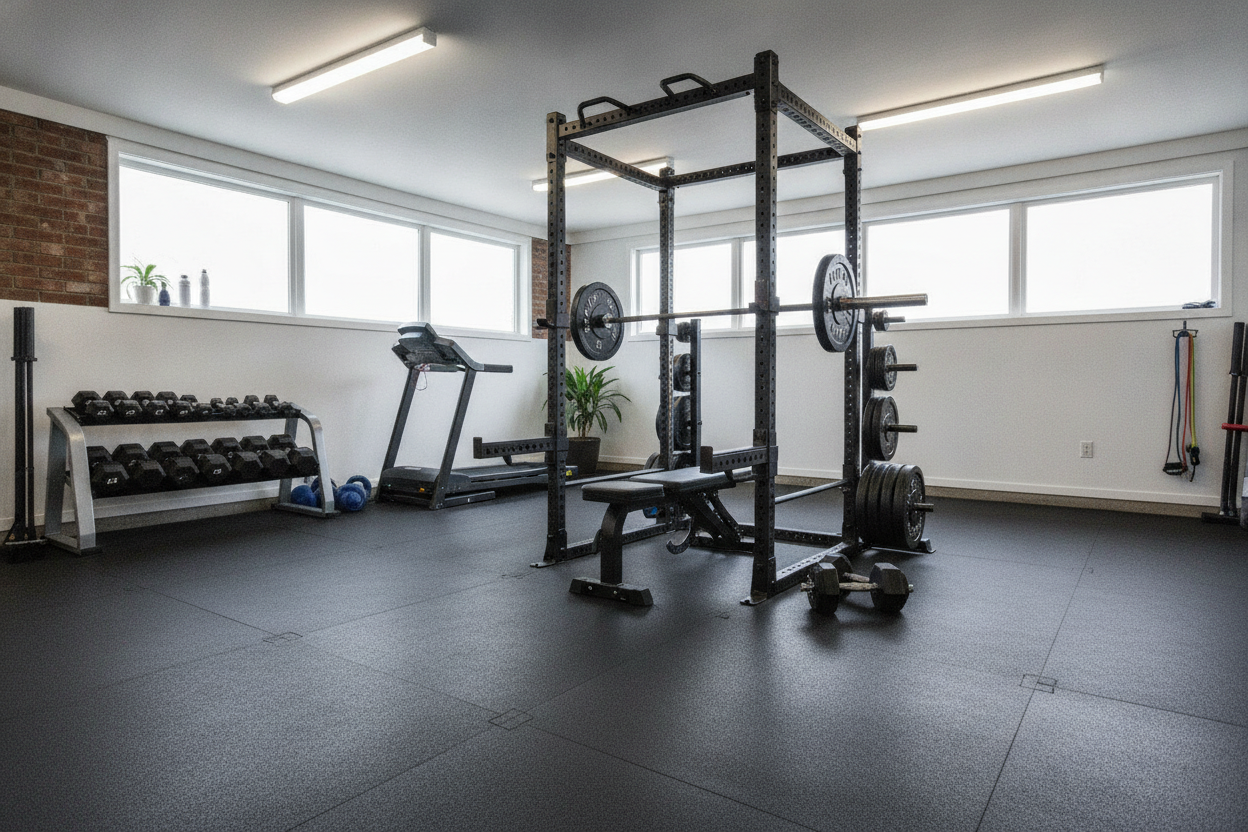
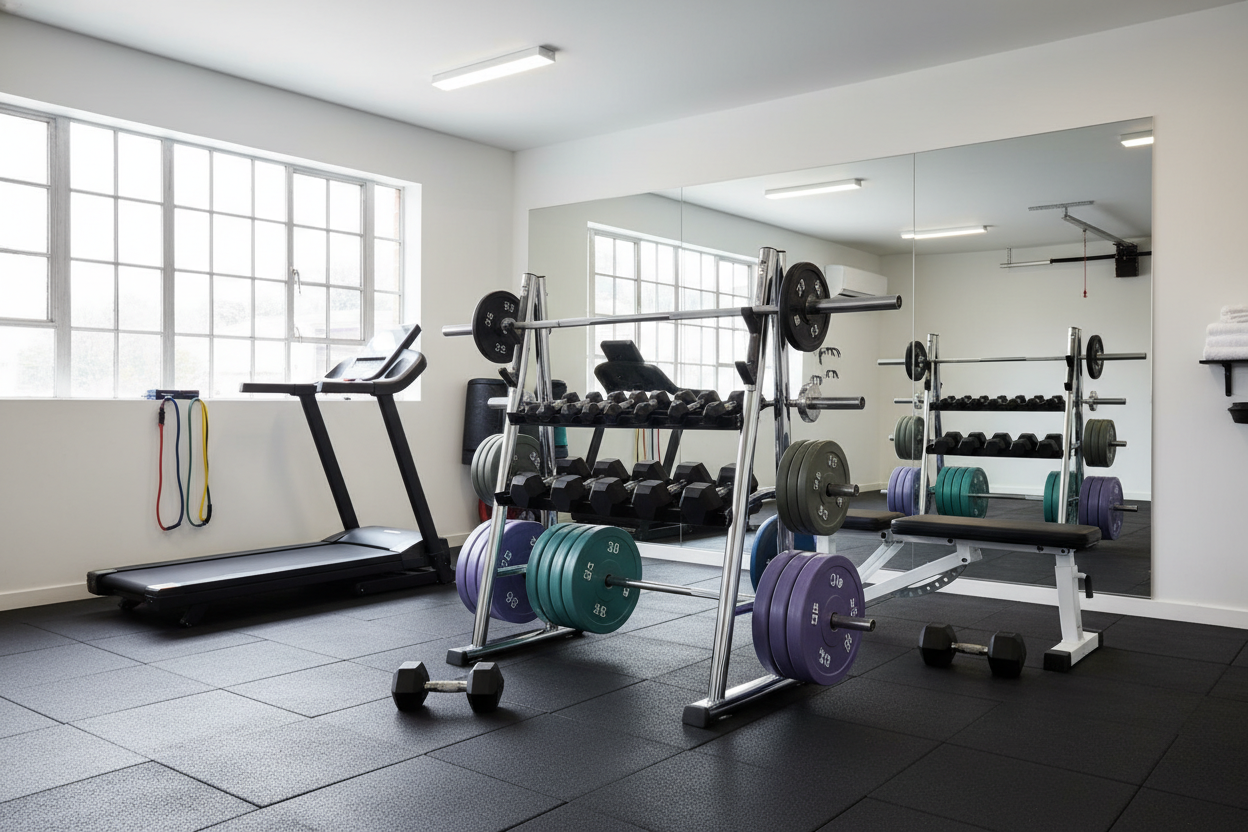
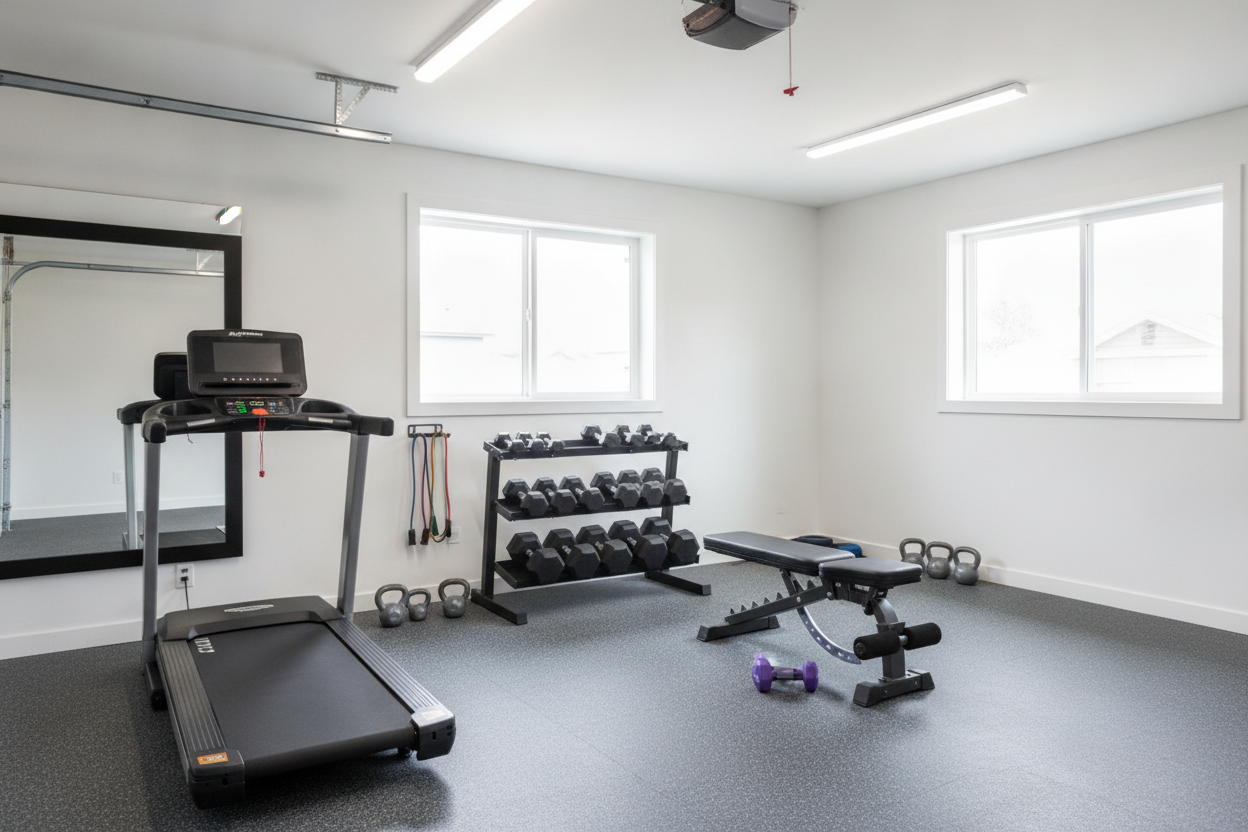
A legitimate fitness trainer for older adults doesn't need a room full of chrome machines. They need a few kettlebells, some resistance bands, and a sturdy chair for balance. When I set up a personal trainer home gym setup for a senior client, I focus on clear floor space and high-quality basics. We use heavy-duty bands to work on rows and pulls, which are vital for maintaining an upright posture.
The session should be challenging but managed. You should see the client working hard enough that they can't easily hold a conversation during the set. That 'huff and puff' is where the cardiovascular and metabolic benefits live. Whether it's online personal trainer for seniors or an in-person coach, the intensity must be adjusted to the individual, not just set to 'easy' because of their birth year.
Questions You Must Ask Before Hiring
Before you commit to personal training for seniors, interview the coach. Ask: 'How do you determine the starting weight for a new client?' and 'What is your protocol if a client has a flare-up of arthritis?' A good senior personal trainer will have specific answers, not vague platitudes. They should also be able to explain how they track progress over time.
Don't be afraid to ask about their senior fitness training certification, but pay closer attention to their philosophy on load. If they say 'we just want to keep you moving,' keep looking. You want a personal trainer for over 60s who says 'we are going to make you strong enough that you never have to worry about a fall again.'
Personal Experience: The Barbell Mistake
A few years ago, I started training my neighbor, a 72-year-old retired teacher. I was so determined not to 'coddle' her that I tried to get her under a standard 45lb barbell for back squats on day one. Her mobility wasn't there, and her confidence took a hit. I realized that while the goal is heavy lifting, the path there has to be respectful of current mechanics. We switched to goblet squats with a light kettlebell and worked our way up. Now, she's pulling 95lbs off the floor for reps. The lesson? Be aggressive with the goals, but patient with the process.
FAQ
How do I find a personal trainer for seniors near me?
Look for local strength-focused gyms rather than big-box commercial centers. Ask if they have a senior fitness specialist on staff who understands resistance training, not just chair aerobics.
Is 70 too old to start personal training for older people?
Never. Research shows that even people in their 90s can see significant gains in muscle size and bone density from a supervised senior fitness training program.
What should a senior citizen personal trainer cost?
Expect to pay between $70 and $150 per hour depending on your location. It’s an investment in your independence and long-term health, which is cheaper than a nursing home.