A Realistic Guide to Women Lifting Heavy Weights at Home
I remember the day I realized my collection of 10-pound dumbbells was basically acting as expensive paperweights. I was doing fifty reps of overhead presses, sweating buckets, but my actual strength hadn't budged in six months. Women lifting heavy weights isn't about trying to win a physique show; it's about the pragmatic reality of building a body that doesn't break when life gets heavy.
- Heavy lifting increases bone density more effectively than high-impact cardio.
- Mechanical tension is the primary driver of muscle definition, not endless reps.
- Safety gear like power racks and spotter arms are mandatory for solo home training.
- Progressive overload is the only way to see long-term structural changes.
The Big Lie About Heavy Iron and Female Joints
There is a persistent, annoying myth that heavy weights are 'dangerous' for women. We are told to stick to 'toning' exercises and high-rep jump training. The biomechanical reality is that controlled, heavy lifting is actually the best way to bulletproof your joints. When you squat or deadlift with a challenging load, you aren't just working muscle; you are forcing your tendons, ligaments, and bones to densify. High-impact cardio—the kind where you're jumping on concrete for 45 minutes—is often much harder on your knees and ankles than a slow, heavy set of five squats.
Why You Cannot Bulletproof Your Body With Pink Dumbbells
You cannot create structural change without mechanical tension. Those three-pound pink dumbbells are fine for a warm-up, but they won't trigger the adaptations needed for real durability. Heavy weight lifting for females requires moving a load that actually challenges your central nervous system. If you can do 20 reps without breaking a sweat, you aren't lifting heavy. However, as you move into the 45-pound plate territory, the quality of your gear matters. Is Weight Lifting Walmart Gear Actually Safe for Heavy Sets? In my experience, if the equipment feels flimsy or the bolts are rattling during a set, it’s a liability you don't want in your garage.
Setting Up a Safe Zone for Women Lifting Heavy Weights
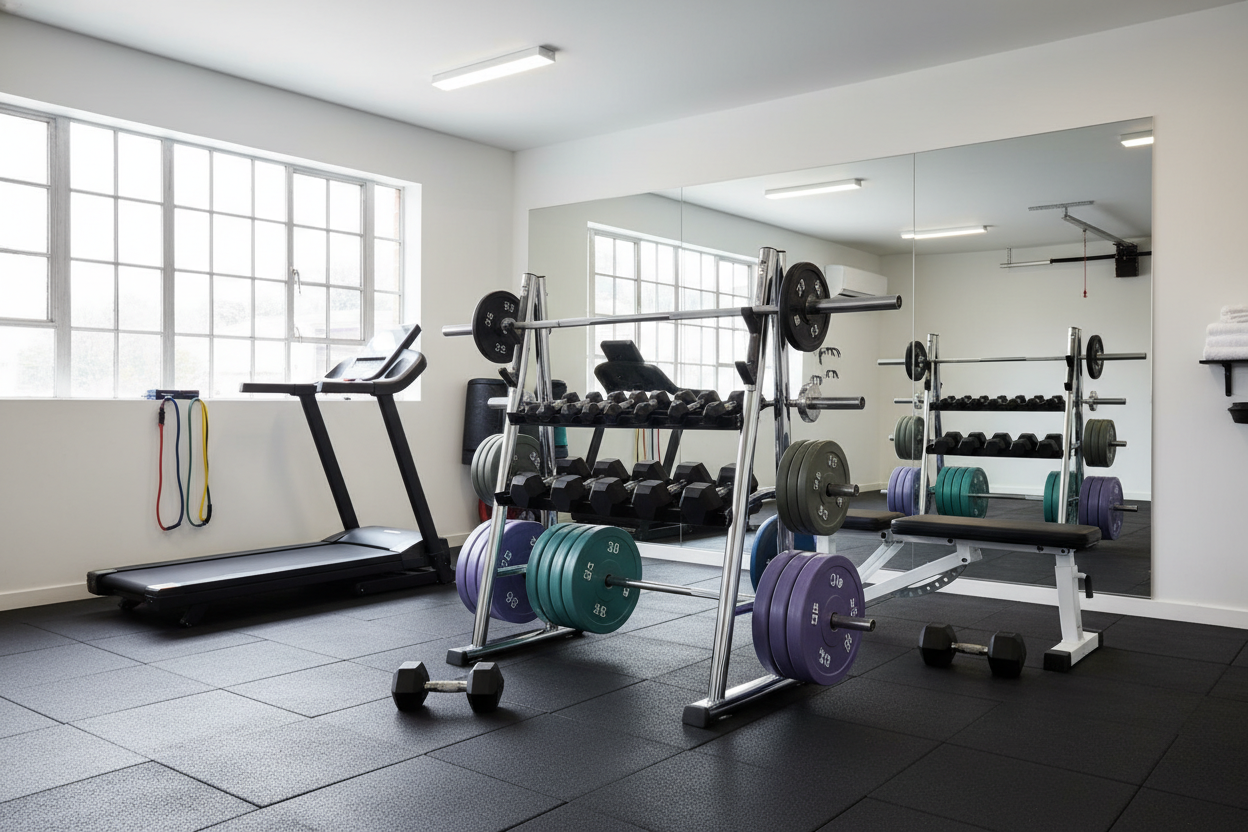
Training alone at home means you don't have a spotter to bail you out. This is why a power rack is non-negotiable for anyone serious about women who lift heavy weights. You need a 'safe zone' where you can push to failure without fear. A setup like the Gxmmat X6 Power Rack Weight Bench Package is the ideal ecosystem for this. It gives you adjustable safety pins that catch the barbell if you can't make it out of the bottom of a squat. Having that steel safety net allows you to train with the intensity required to actually get stronger, rather than always playing it safe and leaving gains on the table.
Three Foundational Lifts to Master Safely
If you want the highest return on your time, focus on the big three: the back squat, the deadlift, and the bench press. These movements involve the most muscle mass and build the most functional strength. When people ask what is lifting heavy for women, I tell them it's relative to their current ceiling, but the goal should always be to move toward bodyweight-plus loads. For pressing movements, stability is everything. Using a Gxmmat Adjustable Weight Bench ensures you have a wide, stable base that won't wobble when you're trying to drive the weight up, protecting your rotator cuffs from unnecessary shearing forces.
How to Tell When It Is Time to Add More Weight
Learning how to lift heavier weights as a woman involves mastering auto-regulation. You don't just add weight because the calendar says so; you add it because your 'Reps in Reserve' (RIR) are too high. If you finish a set of eight and feel like you could have done twelve, it's time to put more iron on the bar. Track your lifts in a simple notebook. If the bar speed is fast and your form is crisp, don't be afraid of those 2.5-pound micro-plates. Small, consistent jumps are how you build a 200-pound deadlift without ever feeling like you're 'ego lifting.'
My Honest Mistake: The Ego and the Flooring
A few years back, I tried to pull a heavy deadlift PR on thin yoga mats over bare concrete. Not only did I crack the floor when I dropped the bar, but the unstable surface caused my left ankle to roll slightly inward. It took three weeks of rehab to get back to the bar. The lesson? Your foundation matters as much as the weight. Invest in real horse stall mats or a dedicated lifting platform before you start chasing heavy numbers. Proper flooring and a stiff pair of lifting shoes are the unsung heroes of a safe home gym.
Frequently Asked Questions
What is considered heavy lifting for a woman?
Generally, lifting 75% to 85% of your one-rep max is considered heavy. If you're doing sets of 3 to 6 reps and struggling to finish the last one with good form, you're in the heavy zone.
Will lifting heavy make me look bulky?
No. Most women simply do not have the testosterone levels to build massive 'bulky' muscle mass without a very specific, high-calorie diet and years of targeted bodybuilding. You'll likely just look firmer and move better.
How often should I lift heavy at home?
Three days a week is the sweet spot for most. Heavy lifting requires more recovery time for your nervous system than light cardio does, so don't skip your rest days.