I Built My Entire Garage Gym Around a $300 Lift Weight Set
I remember the exact moment I decided to quit my commercial gym. It was a Tuesday at 6:00 PM, and I was fourth in line for a squat rack that looked like it hadn't been greased since the 90s. I went home and spent hours scrolling through overpriced gear until I realized I didn't need a dozen different stations. I just needed one solid lift weight set to get 90% of my results.
- Steel plates always beat plastic-coated sand; don't buy the cheap stuff twice.
- Your barbell is the heart of the gym—don't settle for a 300-lb capacity bar.
- Olympic 2-inch sleeves are mandatory for long-term compatibility.
- Shipping costs can kill a deal, so look for flat-rate freight or local warehouse pickups.
Why I Stopped Overcomplicating My Home Gym Setup
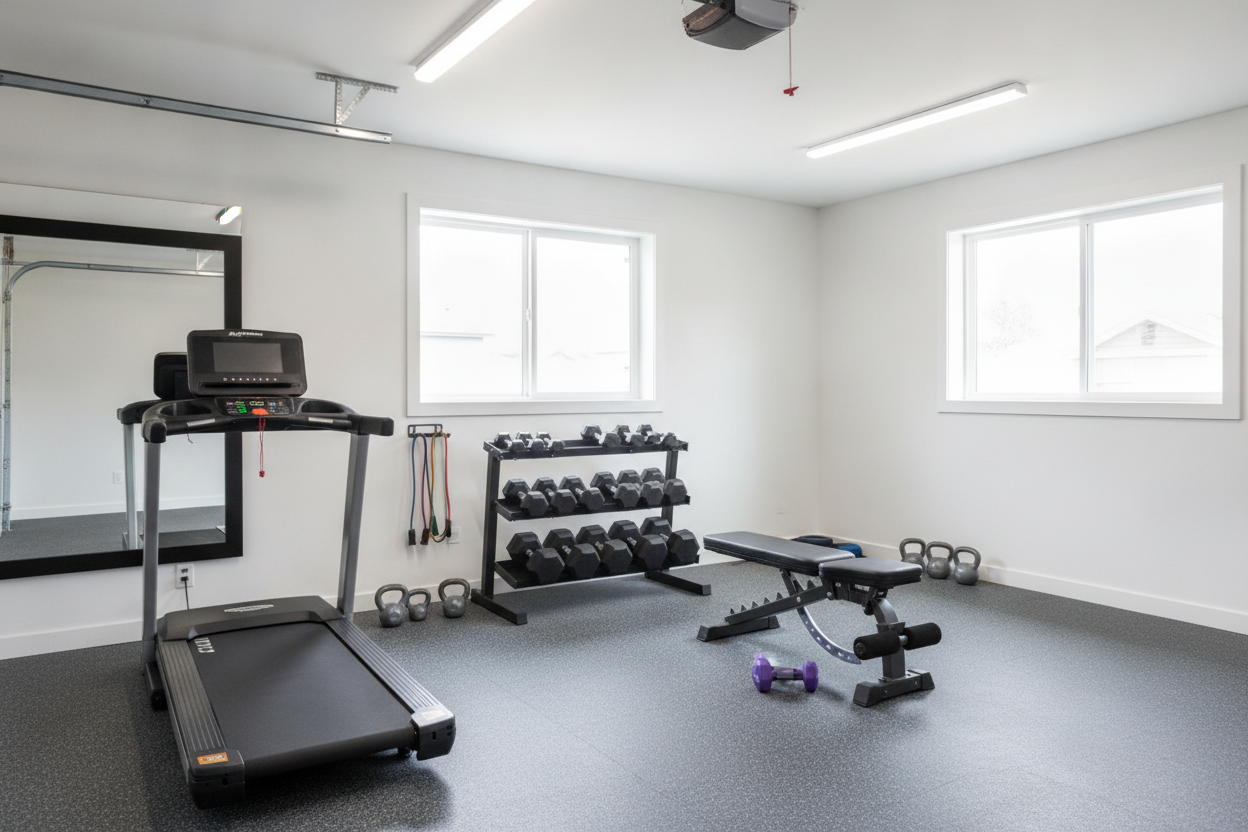
Before I wised up, I spent weeks daydreaming about those massive, chrome-plated weight lifting machines you see in high-end fitness clubs. I even mapped out a detailed weight lifting home gym blueprint that tried to squeeze a functional trainer and a leg press into my single-car garage. It was a mess, and it was going to cost me five grand before I even bought a single plate.
I finally stripped it back to the basics. A barbell and a stack of iron plates can handle everything from heavy deadlifts to overhead presses. By focusing on a single high-quality bundle, I saved thousands of dollars and dozens of square feet. Most people think they need variety, but what they actually need is a heavy bar and the discipline to use it three times a week.
The Anatomy of a Lift Weight Set That Won't Break
When you are hunting for a starter kit, you have to be ruthless about specs. A real 300-lb set usually includes a 45-lb bar and 255 lbs of plates. But be careful: buying a weight lifting set with weights from a big-box retailer often means getting a bar that feels like a wet noodle once you load more than two plates on each side. I look for a bar with at least a 700-lb weight capacity and decent knurling that won't cheese-grate my palms.
The plates should be cast iron or low-bounce rubber. I prefer iron because of that specific 'clink' sound, and they take up way less room on the bar. If you buy cheap lifting weights made of vinyl or cement, you'll find they are too thick to fit enough weight on the sleeves for a decent deadlift session. Stick to 2-inch Olympic holes; the 1-inch 'standard' plates are a dead end for anyone serious about getting strong.
Warning Signs When You Buy Lifting Weights Online
Red flags are everywhere once you start to buy lifting weights on the secondary market or discount sites. If a listing doesn't specify the bar's diameter (look for 28mm to 29mm) or the sleeve length, they are hiding something. I once bought a 'bargain' set only to find the bar was a weird 6-foot length that wouldn't even fit in my standard power rack. Check the collar type too—if it comes with flimsy spring clips that slide under a 135-lb load, factor in the cost of buying real jaw-lock collars immediately.
Where to Buy Lifting Weights (That Actually Ship Cheaply)
The hardest part of the process is figuring out where to buy lifting weights without getting destroyed by shipping fees. Iron is heavy, and carriers hate moving it. I've seen 'cheap' sets that look like a steal until you hit the checkout button and see a $200 freight charge. Look for vendors that offer flat-rate shipping or have regional warehouses where you can opt for local pickup. Sometimes, paying $50 more for the base price of the set saves you $100 on the total bill because of better logistics.
Expanding the Setup: Racks, Benches, and Beyond
Once you have your iron, you need a way to use it safely. A basic weight set and bench combo is the classic entry point for chest gains. I started with a simple flat bench, but I quickly realized that without a rack, my squatting was limited to what I could power clean over my head. That's a recipe for a plateau (or a trip to the ER).
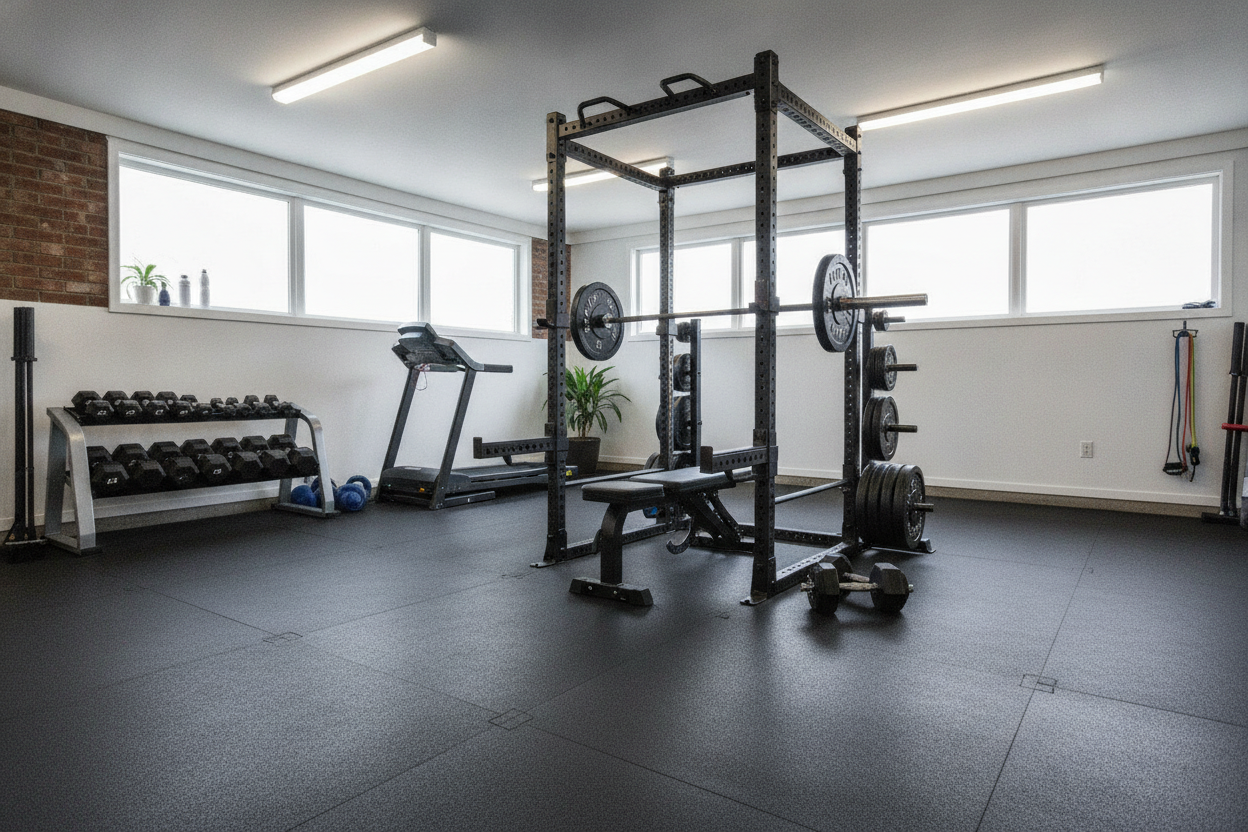
If you want to skip the piecemeal approach, I usually tell my friends to just grab a complete power rack and barbell package from the jump. It solves the compatibility issue instantly. You get the safety of the spotter arms for heavy solo sessions and a bench that actually fits the rack's footprint. I made the mistake of buying a rack from one brand and a bench from another, only to find the bench was too tall to let me get a proper foot drive during my presses. Buy it once, buy it right, and then get to work.
FAQ
Is cast iron better than bumper plates for a garage?
Cast iron is thinner, so you can fit more weight on the bar. It's also cheaper. Only get bumpers if you plan on dropping the bar from overhead during Olympic lifts or if you have very thin flooring.
Do I need a 7-foot bar for a home gym?
Yes. Most power racks are designed for 7-foot Olympic bars. A 5-foot or 6-foot bar often won't be wide enough to sit safely on the uprights, which is a massive safety hazard.
How do I keep my weights from rusting in a garage?
A light coat of 3-in-1 oil or WD-40 Specialist Silicone on the bar and plates once a month will stop the humidity from eating your gear. If you live near the coast, this is non-negotiable.