You Don't Need 4 Bodybuilding Phases to Look Good Shirtless
I remember staring at my first squat rack—a wobbly, terrifying piece of equipment I bought off a guy on Craigslist—thinking I needed to follow an IFBB pro’s exact schedule to justify the space it took up in my garage. I spent months obsessing over bodybuilding phases, trying to time my carb cycles and fasted cardio like I was prepping for a stage I had no intention of ever stepping on. It was a recipe for burnout and a very expensive grocery bill.
Quick Takeaways
- Stop mimicking pro schedules; you don't have their 'supplements' or 24/7 recovery time.
- A 'Build' phase should be a slow burn, not a ticket to eat everything in the pantry.
- Maintenance is a legitimate strategy, not a plateau.
- Keep your lifting heavy during a cut to protect your muscle mass.
The Big Lie About Pro Bodybuilder Schedules
We see the magazines and the YouTube vlogs. They talk about the traditional stages of bodybuilding: the off-season, the prep, the peak, and the recovery. For a professional, this is a full-time job supported by a pharmacy and elite genetics. For a guy training in a 10x10 spare room between work calls, it’s a trap.
When regular lifters try to run a pro-style off-season, they usually just get sloppy. They gain 20 pounds of fat for every 2 pounds of muscle. Then, they try a 'contest prep' style cut that is so aggressive they end up losing the tiny bit of muscle they actually built. You don't need a peak week if you aren't getting spray-tanned under stage lights. You need consistency.
Phase 1: The 'Build' (Without Getting Sloppy)
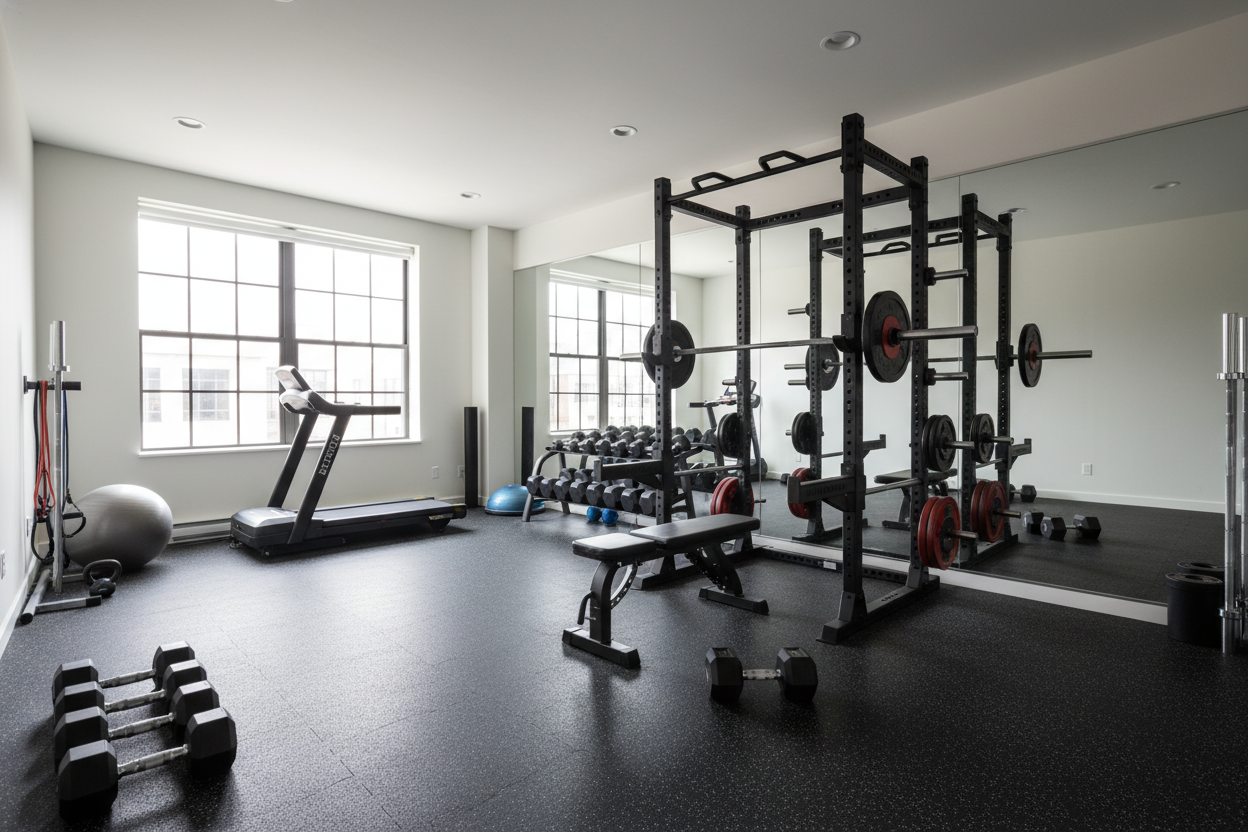
Forget the 'dreamer bulk' where you eat pizza to hit your macros. A real building phase is about a moderate, sustainable surplus—maybe 200 to 300 calories over maintenance. Your goal isn't to move the scale as fast as possible; it's to maximize mechanical tension. If you find yourself hitting a wall because you're out of iron in your garage, you need to look into home workout plans bodybuilding style to keep the stimulus high without needing a 600-pound deadlift.
Focus on the quality of the contraction. I’ve found that slow eccentrics and paused reps do more for growth than just ego-lifting heavy plates with bad form. If your joints start aching more than your muscles, you're doing it wrong. Keep the surplus small enough that you can still see your top two abs.
Phase 2: The 'Trim' (Why Your Cuts Keep Failing)
Most phases of bodybuilding fail during the cut because people panic. They see a little softness in the mirror and drop their calories to poverty levels while doubling their cardio. This is how you end up looking 'skinny-fat' instead of shredded. Your body needs a reason to keep that muscle, and that reason is heavy lifting.
Don't drop your working weights just because you're eating less. You might need to drop the total number of sets (volume), but the intensity—the weight on the bar—needs to stay high. A 12-week aggressive cut usually destroys natural testosterone levels. Aim for a slow trim where you lose about 0.5% to 1% of your body weight per week.
Why 'Maintenance' is the Most Ignored Phase
Everyone wants to be either bulking or cutting. Nobody wants to just 'be.' But maintenance is where the magic happens for your central nervous system. It’s a period where you hold your weight steady but keep pushing for performance PRs.
This phase solidifies your gains. It gives your digestive system a break from the massive amounts of food and your mind a break from the constant hunger of a cut. I usually spend about 4 months a year in maintenance. It’s the only time I feel truly strong and energetic in the gym.
Don't Let Your Legs Deflate When You Diet
The first thing people do on a diet is switch to high-rep, 'toning' leg workouts. This is a massive mistake. Your legs are the foundation of your metabolic engine. If you stop training them heavy, your body will happily cannibalize that tissue for energy.
You need to understand basic leg anatomy bodybuilding to realize that muscles like the vastus lateralis require heavy mechanical loading to maintain their shape. If you’re cutting, keep the squats and RDLs in the 6-8 rep range. Your legs will stay dense, and you won't look like a lightbulb when you finally take your shirt off.
Personal Experience: My 'Dirty Bulk' Disaster
A few years back, I decided I was going to finally hit 220 pounds. I ate everything: peanut butter jars, double burgers, whole pizzas. I hit the weight, but I looked like a stuffed sausage. When I finally cut back down to a lean 190, I realized I hadn't gained any more muscle than I would have with a clean, controlled surplus. I just spent six months being out of breath while tying my shoes. Learn from my ego—stay lean and grow slow.
FAQ
Do I need to change my exercises for different bodybuilding phases?
Not really. The core movements—presses, rows, squats, and hinges—should stay the same. You just change the volume and the caloric support behind them.
How long should a building phase last?
At least 16 to 24 weeks. Muscle growth is a painfully slow process for natural lifters. Anything shorter and you're mostly just gaining water and glycogen.
Can I build muscle and lose fat at the same time?
Only if you're a total beginner, coming back from a long break, or carrying a lot of extra body fat. For most of us, it's better to pick one goal and commit to it for a few months.