Stop Training 5 Days a Week: A Beginners Workout That Sticks
I remember staring at a $120-a-month gym contract and doing the math. If I went five days a week, it was only six bucks a session. I was going to be a machine. Fast forward three weeks: I was broke, so sore I couldn't sit on the toilet, and back to my nightly ritual of scrolling through Amazon for gear I didn't need. Most people approach a beginners workout like a sprint, but your body isn't ready for a 100-meter dash when you've been on the couch for three years.
- Train 2-3 days a week, not 5, to ensure your central nervous system doesn't redline.
- Prioritize movement quality over the amount of weight on the bar to avoid nagging joint pain.
- Leave every session feeling like you could have done one more set.
- Invest in a dedicated floor surface to protect your knees and ankles from day one.
Why Your 'All-In' Attitude Is Actually Sabotaging You
The 'all-in' mindset is the single greatest threat to your progress. We’ve all been there: you buy the new shoes, the gallon water jug, and the pre-workout that tastes like battery acid. You decide Monday through Friday is your new life. By Wednesday, your hamstrings feel like they're made of dried beef jerky. By Friday, you're 'taking a rest day' that lasts until next year. Going from zero to five days of high-intensity training is a guaranteed way to fail because it ignores how habits are actually formed. You need a A Workout Routine at Home for Beginners That Actually Feels Good, not one that makes you dread waking up. When you treat your first month as a workout starter rather than a military boot camp, you actually give your brain a chance to enjoy the process. If you're constantly in pain, your lizard brain will eventually find every excuse to skip the garage. We want to build a craving for movement, not a fear of it.
The Secret Goal: Leave Gas in the Tank
The biggest mistake I see in home gyms is the 'no pain, no gain' fallacy. If you're a novice, severe Delayed Onset Muscle Soreness (DOMS) is your enemy. When you can't walk down stairs without clutching the railing, you aren't going to be motivated to hit your next session. The goal of your first four weeks is to finish every workout feeling energized, not decimated. This is counter-intuitive for high-achievers, but leaving gas in the tank is what allows you to show up again 48 hours later. You want to stimulate the muscle, not annihilate it. If you do ten reps but could have done fifteen, you've won. You're teaching your body that exercise is a sustainable stimulus, not a physical trauma it needs to hide from.
Steal This Workout Routine Schedule for Beginners
Forget the complicated body-part splits you see on TikTok. You don't need a 'chest day' or a 'leg day' yet. You need a full-body stimulus that hits the major patterns frequently enough to learn the skill of lifting. I recommend a Monday/Thursday or a Tuesday/Friday split to start. That gives you 48 to 72 hours of recovery between sessions. If you're feeling ambitious after the first month, a Monday/Wednesday/Friday workout routine schedule for beginners is the absolute ceiling. This cadence ensures that you’re never more than a few days away from a workout, but you’re also never so tired that your form breaks down. Once you can hit those three days for four weeks straight without missing a single set, you can look into an At Home Workout Schedule For Beginners: The Add-A-Day Method to slowly ramp up your volume without the burnout.
The 4-Move Blueprint: A Workout for Beginners That Doesn't Suck
You don't need thirty different machines to get strong. You need four basic movements that cover 90% of your muscular needs. This is a workout for beginners that actually yields results without the fluff. First: The Squat. Whether it’s a bodyweight air squat or holding a milk jug to your chest, this builds the foundation of your lower body. Second: The Push. Start with push-ups (on your knees if you have to). This hits the chest, shoulders, and triceps. Third: The Pull. This is the most neglected move in home gyms. If you don't have a pull-up bar, use a sturdy table for inverted rows or use a resistance band wrapped around a pole. Fourth: The Hinge. Think of a glute bridge or a Romanian deadlift with a light weight. This protects your lower back and builds the 'posterior chain.' Perform 2 sets of 10-12 reps for each move. Focus entirely on the feel of the muscle working. If you can't feel your lats during a pull, slow down. If your knees are wobbly on the squat, narrow your stance. Form is the only metric that matters right now.
A Quick Note on Your Setup and Joints
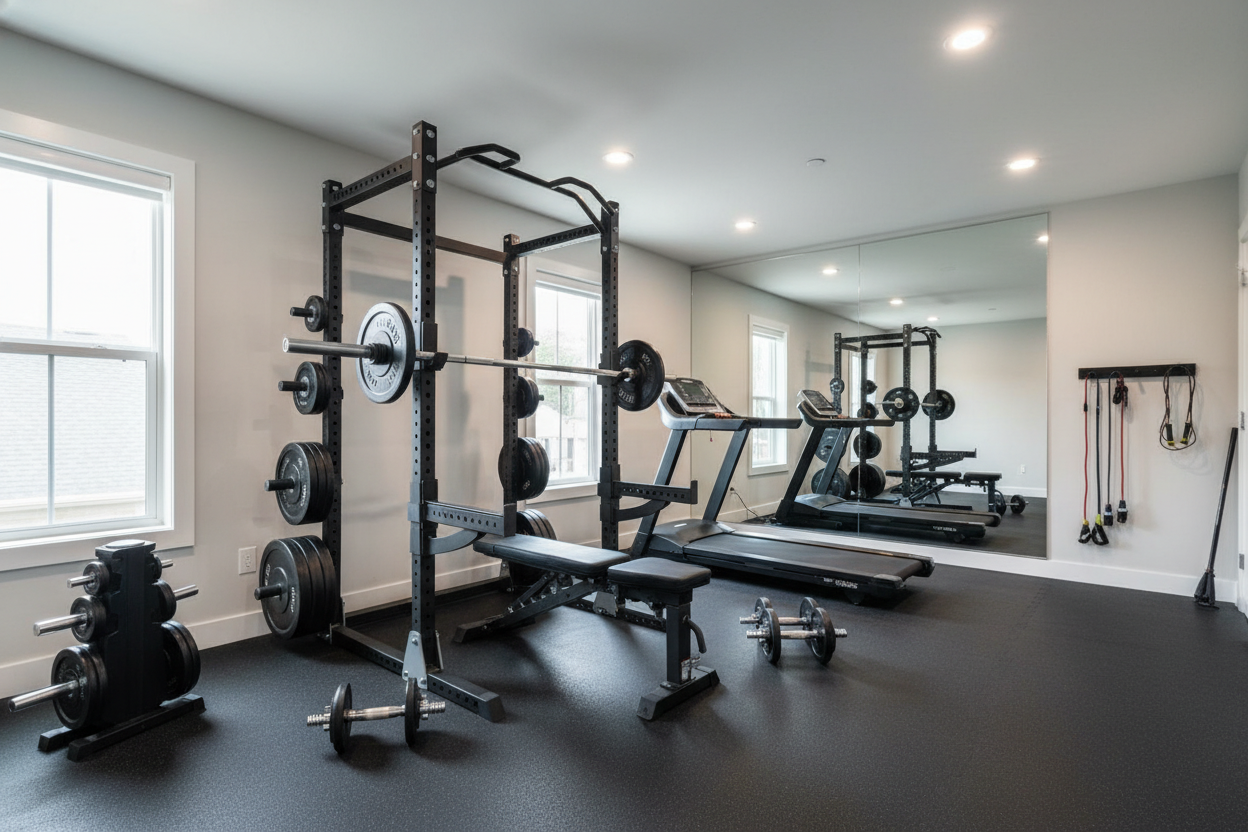
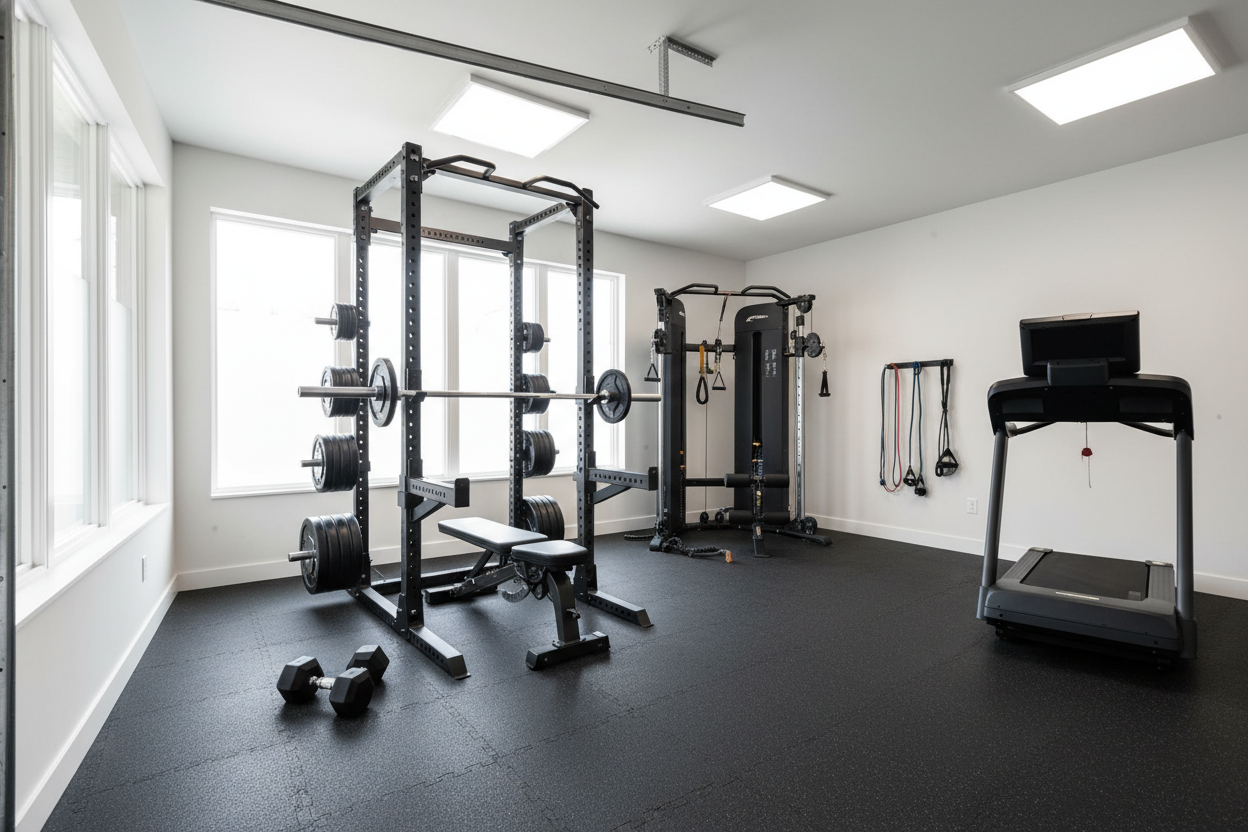
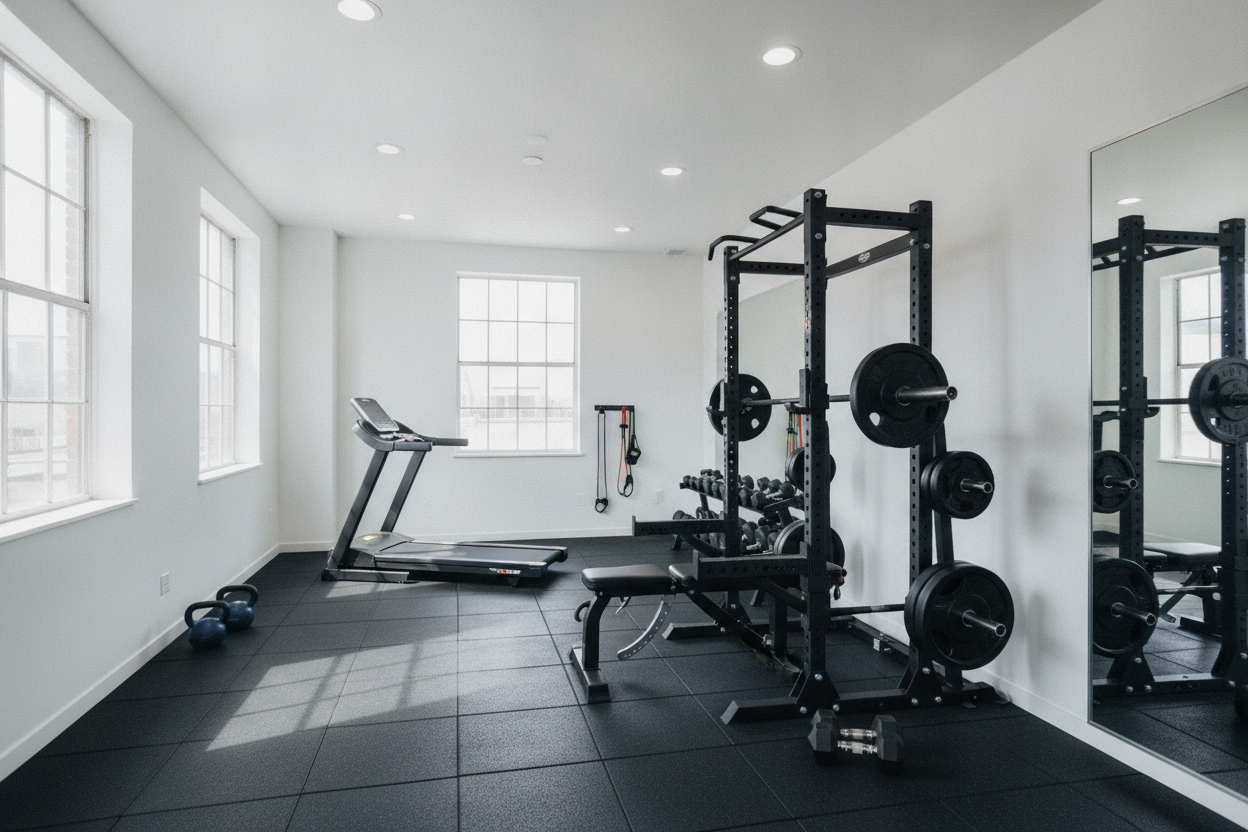
Don't do these moves on a hardwood floor or a slippery area rug. I've seen too many people blow out an ankle or tweak a wrist because their foot slid during a set of lunges. You need a dedicated space that signals to your brain that 'work is happening.' A high-quality 6X8Ft Exercise Mat Yoga Mat Gym Flooring For Home Workout gives you enough real estate to move without hitting a coffee table, and it saves your joints from the unforgiving concrete of a garage or the slickness of a kitchen floor. It’s a small investment that prevents the kind of 'stupid' injuries that sideline beginners for weeks.
Where to Go When This Gets Too Easy
Eventually, bodyweight squats will feel like nothing. That’s the goal. But don't rush to buy a 500-lb power rack immediately. You can progress by manipulating variables other than weight. Try 'tempo' training: take three seconds to lower yourself and one second to explode up. Or, decrease your rest periods from 90 seconds to 45 seconds. When you’ve truly mastered the mechanics and you’re hungry for more complex programming, head over to our Workout Hub for advanced routines. The key is to earn your progression. If you can’t do 20 perfect push-ups, you have no business under a heavy barbell.
Personal Experience: The Ego Tax
I once tried to follow a 6-day-a-week bodybuilding split I found on a forum. I was 19, fueled by cheap protein powder and hubris. By day ten, my elbows felt like they were being poked with hot needles and I couldn't even finish a set of curls. I quit for three months. That’s the 'all-in' tax. You pay it in injury and lost momentum. I didn't start making real gains until I swallowed my pride and dropped down to a basic three-day full-body plan. It felt 'too easy' at first, but that was the first time in my life I actually stayed consistent for a full year.
Beginner Workout FAQ
Do I really only need to work out twice a week?
To start? Yes. Consistency is more important than frequency. If you can't commit to two days, you won't commit to five. Once two days is a non-negotiable habit, add a third.
What if I don't have any weights?
Gravity is your best friend. Bodyweight exercises are plenty for the first 4-8 weeks. Once you can do 15+ reps with perfect form, then look into dumbbells or kettlebells.
How do I know if my form is good?
Record yourself on your phone. Compare your video to reputable coaches online. If your back is rounding or your heels are lifting off the floor, stop, reset, and reduce the range of motion until you've got it locked in.