So, What Are Strengthening Exercises Actually Supposed to Feel Like?
I spent an entire year paying a premium for a high-intensity 'bootcamp' gym. Every morning I’d leave in a pool of sweat, my lungs burning and my shirt soaked. But when I finally stepped up to a barbell, I realized I hadn't actually gotten any stronger. I was just really good at being out of breath. It’s a common trap: confusing fatigue with progress. If you’re wondering what are strengthening exercises supposed to do for your body, it isn’t just about the calorie burn.
- True strength work requires mechanical tension, not just metabolic stress.
- If you can do more than 15-20 reps comfortably, you’re training endurance, not strength.
- Compound movements like squats and deadlifts are the highest ROI for your time.
- Stability and floor grip are non-negotiable for safety when lifting heavy.
The Big Difference Between Sweating and Building Muscle
For a long time, I equated 'hard' with 'effective.' If I wasn't gasping for air on the floor, I felt like I hadn't worked out. This is the great lie of modern fitness marketing. You can run five miles and be exhausted, but your legs won't necessarily get stronger. To force a muscle to adapt, you have to subject it to a load it isn't used to handling.
I wasted twelve months doing high-rep circuits with light dumbbells thinking I was 'toning.' In reality, I was just doing fancy cardio. Real strengthening exercise feels different. It’s a slow, grinding effort. It’s the feeling of your nervous system screaming at your muscles to fire every fiber just to move a weight for the fifth time. When I switched from circuit training to a dedicated strength program, my body changed more in three months than it had in the previous three years.
Okay, So What Are Strengthening Exercises, Really?
Scientifically, strength is about mechanical tension. This happens when you use a weight heavy enough that your muscles have to physically struggle to complete the range of motion. If you’re doing a bicep curl and the last three reps don't feel significantly harder than the first three, you aren't building much strength.
There is a massive difference between metabolic fatigue—that 'burn' you feel from lactic acid buildup—and actual muscle failure. You can get a burn by flapping your arms for five minutes, but you won't grow. To get strong, you need to pick up something heavy enough that it limits your rep range to somewhere between 5 and 12 reps. That is the sweet spot where the muscle is forced to thicken and the nervous system learns to recruit more motor units.
My Stripped-Down Approach to Real Resistance
You don't need forty different machines to get strong. In my garage, I focus on five main movements: a squat, a hinge, a push, a pull, and a carry. That’s it. If you can get progressively better at those five things, you will be stronger than 90% of the people at your local commercial gym. I used to spend hours on 'accessory' work before I realized I was just procrastinating on the hard stuff.
When I simplified, I saw the most growth. I stopped worrying about 'confusing the muscle' and started focusing on adding five pounds to the bar every week. This is called progressive overload, and it is the only law of strength that actually matters. If you're feeling overwhelmed by all the options online, I recommend looking at this simple list of strengthening exercise to see how basic your routine should actually be.
Don't Ignore the Stabilizers
As you start moving heavier weights, your joints will be the first thing to complain. I learned this the hard way when I ignored my rotator cuffs while chasing a 315-lb bench press. A week of shoulder pain sidelined me for a month. Now, I dedicate ten minutes of every session to the small stuff that keeps me in the game.
You need to keep your joints bulletproof if you want to lift for the next twenty years. This means incorporating specific movements for your hips and shoulders. For example, a targeted shoulder strengthening exercise like Face Pulls or Y-Raises can be the difference between hitting a PR and heading to physical therapy. It isn't 'glamour' work, but it's the insurance policy for your heavy lifts.
Setting Up Your Space to Actually Lift Heavy
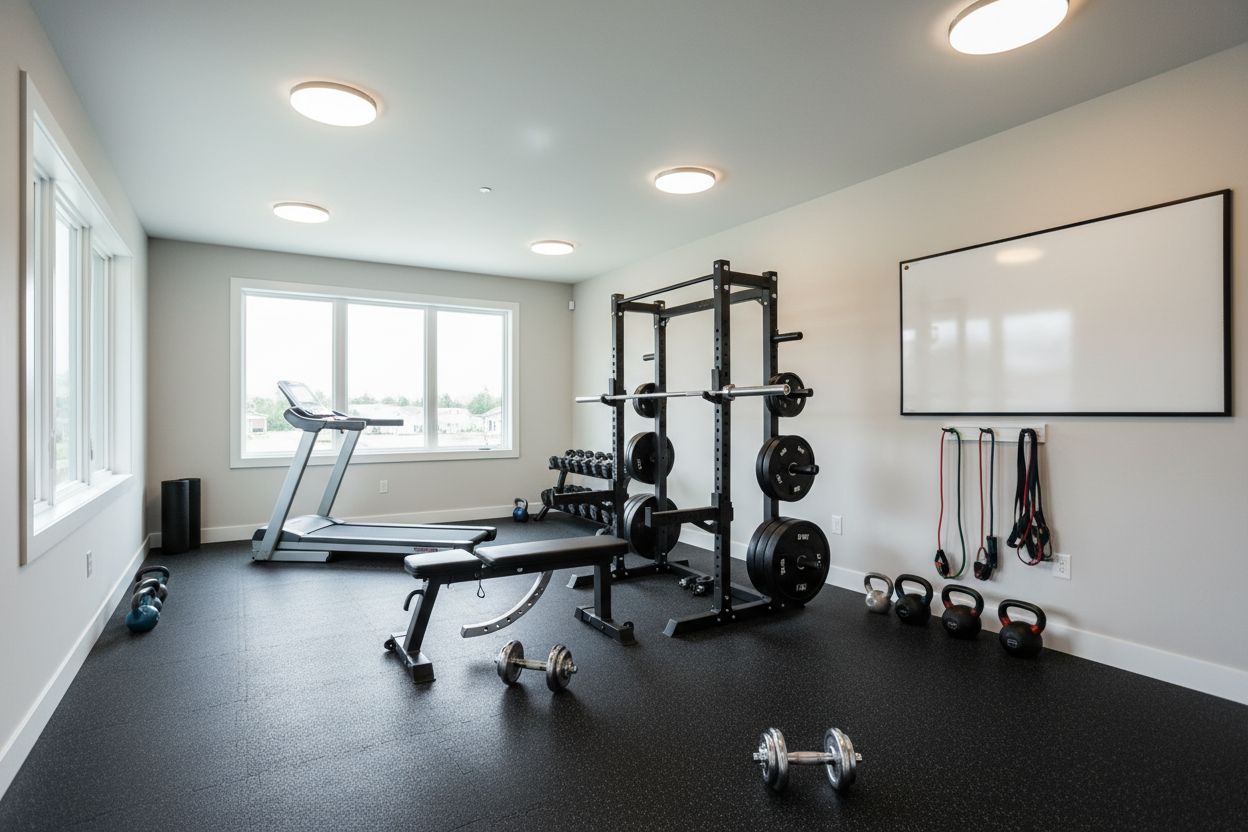
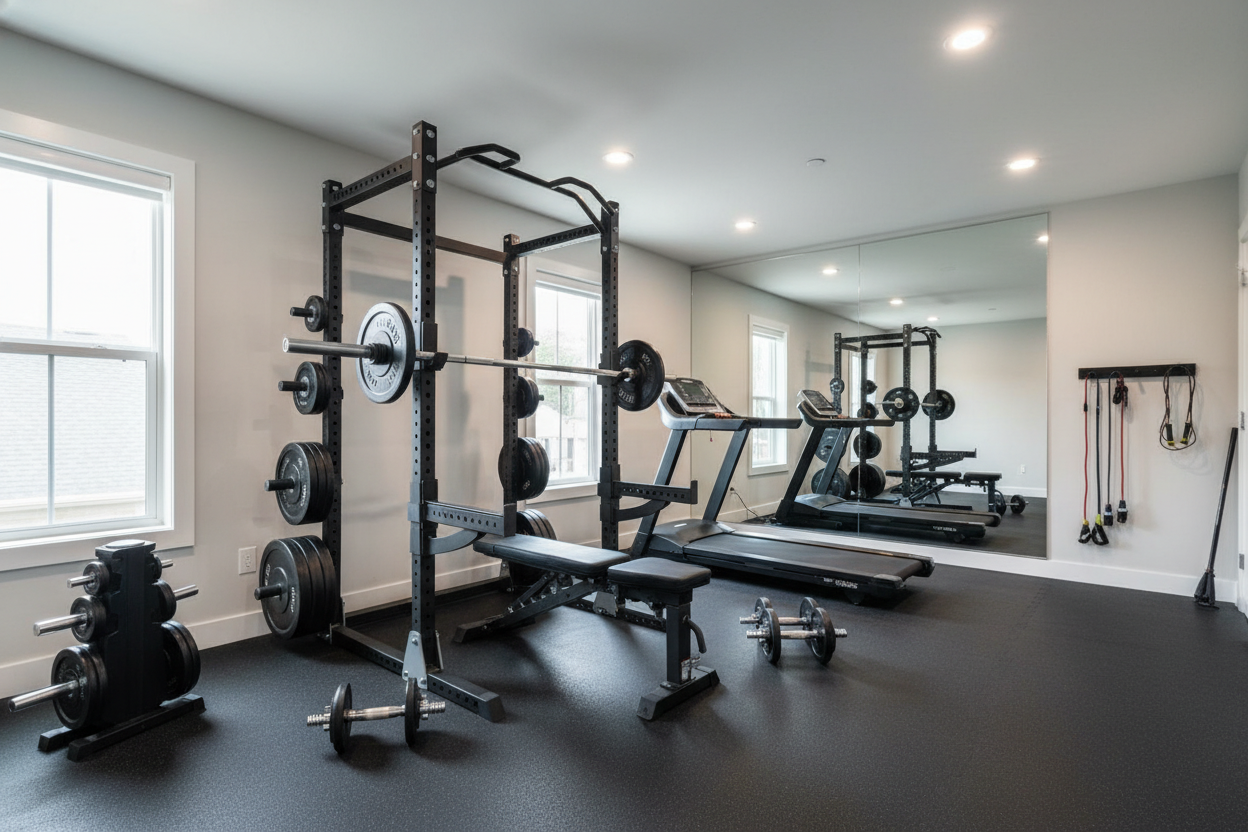
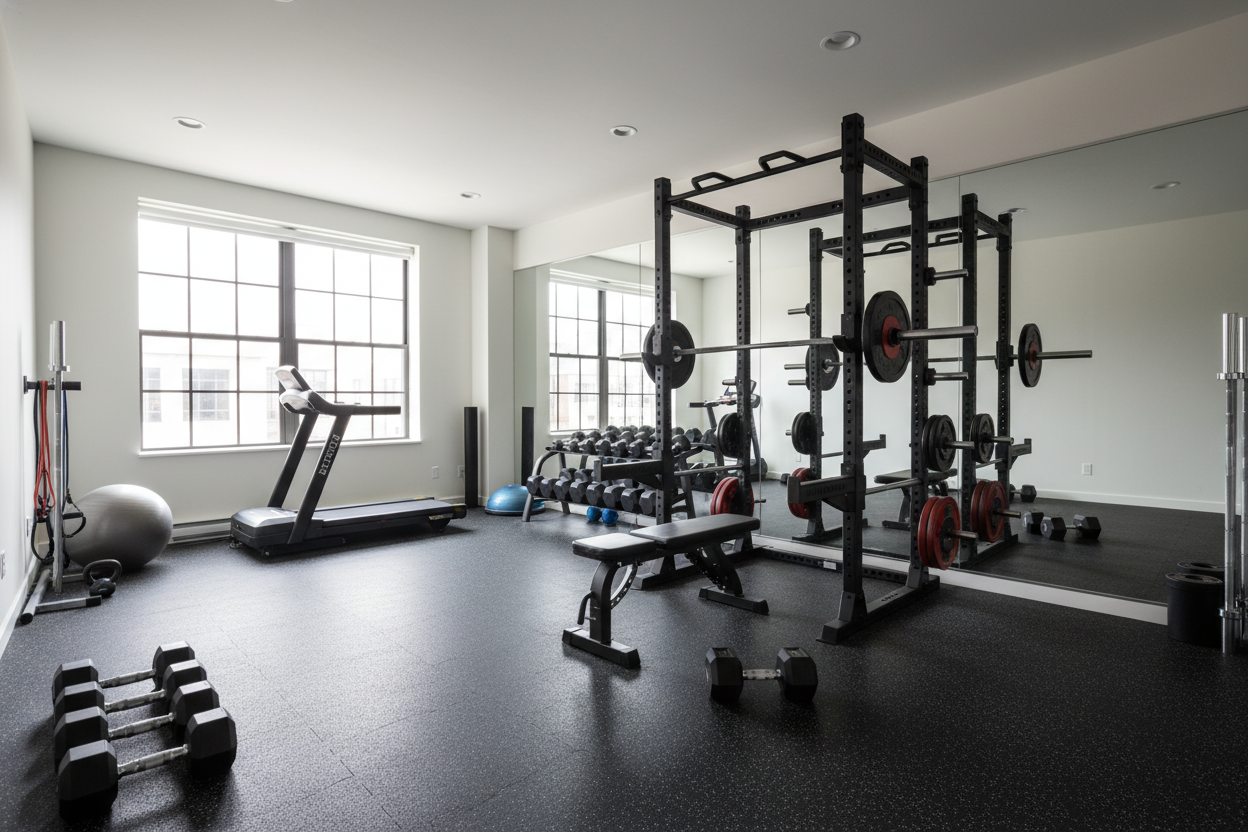
If you're training at home, your environment dictates your performance. I once tried to deadlift 405 lbs on cheap puzzle-piece foam mats I bought at a big-box store. As soon as I pulled, the foam compressed unevenly, my ankle rolled, and I nearly dropped the bar on my feet. You cannot build strength on a squishy, unstable surface.
You need a dense, non-slip base that doesn't compress under load. This allows for maximum force production—basically, you want to push against the floor, not have the floor move under you. I eventually swapped the cheap foam for a heavy-duty 6x8ft exercise mat that stays put even when I'm dropping 50-lb dumbbells. It’s a boring purchase, but it’s more important than a fancy squat rack. If your feet aren't planted, your strength will always be capped by your instability.
FAQ
How many times a week should I do strength training?
For most people, three to four days is plenty. Your muscles don't grow while you're lifting; they grow while you're sleeping. If you lift heavy every single day, you'll burn out your central nervous system before you see real gains.
Do I need to lift to failure every time?
No. In fact, leaving one or two 'reps in the tank' is usually better for long-term progress. If you go to absolute, form-breaking failure on every set, your recovery time will skyrocket and your risk of injury goes through the roof.
Can I get strong using just bodyweight?
You can, but it's harder to scale. To keep getting stronger, you have to make the movement more difficult (like moving from a standard push-up to a one-arm push-up). Adding weight to a bar or a dumbbell is just a much simpler way to measure progress.