Why Your Beginner Women's Weight Training Program Feels Like a Second Job
I remember staring at a 12-page PDF of a 'beginner' workout and wondering if I needed a PhD just to understand the warm-up. If you've spent more time watching YouTube tutorials in the middle of a set than actually moving weight, your beginner women's weight training program is broken. You shouldn't need a spreadsheet, three types of resistance bands, and a specialized glute-activation routine just to get a sweat going.
Most of the advice out there for women is bloated. It's designed to keep you clicking on videos rather than getting strong. I've spent years testing everything from 11-gauge power racks to $20 adjustable dumbbells, and the one thing I've learned is that complexity is the enemy of progress. If you're tired of feeling like your gym time is a second job, it's time to strip it back to the basics that actually move the needle.
Quick Takeaways
- Ditch the 12-exercise 'circuit'—four key movements are all you need to start.
- Mastering free weights builds more functional stability than any selectorized machine.
- Focus on 'progressive overload' (adding a little weight or one more rep) every single week.
- A solid adjustable bench and a few pairs of dumbbells are enough to build a pro-level physique at home.
The Trap of the 'Optimal' Influencer Routine
Social media has done a number on the female beginner weight lifting program. You've seen the clips: a 45-minute workout featuring cable kickbacks, banded monster walks, and some weird variation of a squat performed while standing on a BOSU ball. It looks impressive on camera, but it's mostly fluff. These 'optimal' routines convince you that unless you're attacking a muscle from six different angles, you're wasting your time.
The reality? Most of those influencers built their foundation on heavy squats and deadlifts before they started adding the 'accessory' movements for the 'gram. When you're starting out, your body doesn't need 'muscle confusion.' It needs a clear signal to get stronger. Adding three different types of glute bridges to your routine doesn't make it better; it just makes it longer. If you can't finish your workout in 45 minutes, you're probably doing too much junk volume.
Why Doing Less Builds More Muscle at First
Your body has a limited amount of recovery energy. Every time you perform a new, complex exercise, your central nervous system (CNS) has to work overtime to figure out the movement pattern. For a weight training program for beginners female, the goal should be to grease the groove on a few movements until they become second nature. If you're constantly rotating through 20 different exercises, you never actually get good at any of them.
I’ve seen people stall for months because they were too exhausted from high-rep isolation work to actually lift heavy on the moves that matter. Simplicity isn't just for convenience; it's a physiological advantage. When you realize the beginner weight lifting program is surprisingly easy once you cut the noise, you'll stop dreading the gym. You'll have more energy, less nagging joint pain, and you'll actually see your strength numbers climb.
The Only 4 Movements You Actually Need to Learn
Forget the sea of chrome and pulleys at the local big-box gym. To master a women's beginner lifting program, you only need to learn four patterns: the squat, the hinge (deadlift), the push (overhead or chest press), and the pull (rows or pull-ups). These are compound movements, meaning they use multiple joints and muscle groups at once. One set of heavy squats does more for your legs, core, and back than five different sets on specialized weight lifting machines.
Machines have their place, but they often lock you into a fixed path. This might feel 'safer,' but it actually prevents your stabilizer muscles from doing their job. If you only use a leg press, you're missing out on the core stability required to balance a dumbbell or a barbell. I always tell people to start with dumbbells. They force each side of your body to work independently, which is the fastest way to fix the strength imbalances almost everyone has when they start training.
Setting Up Your Space Without Breaking the Bank
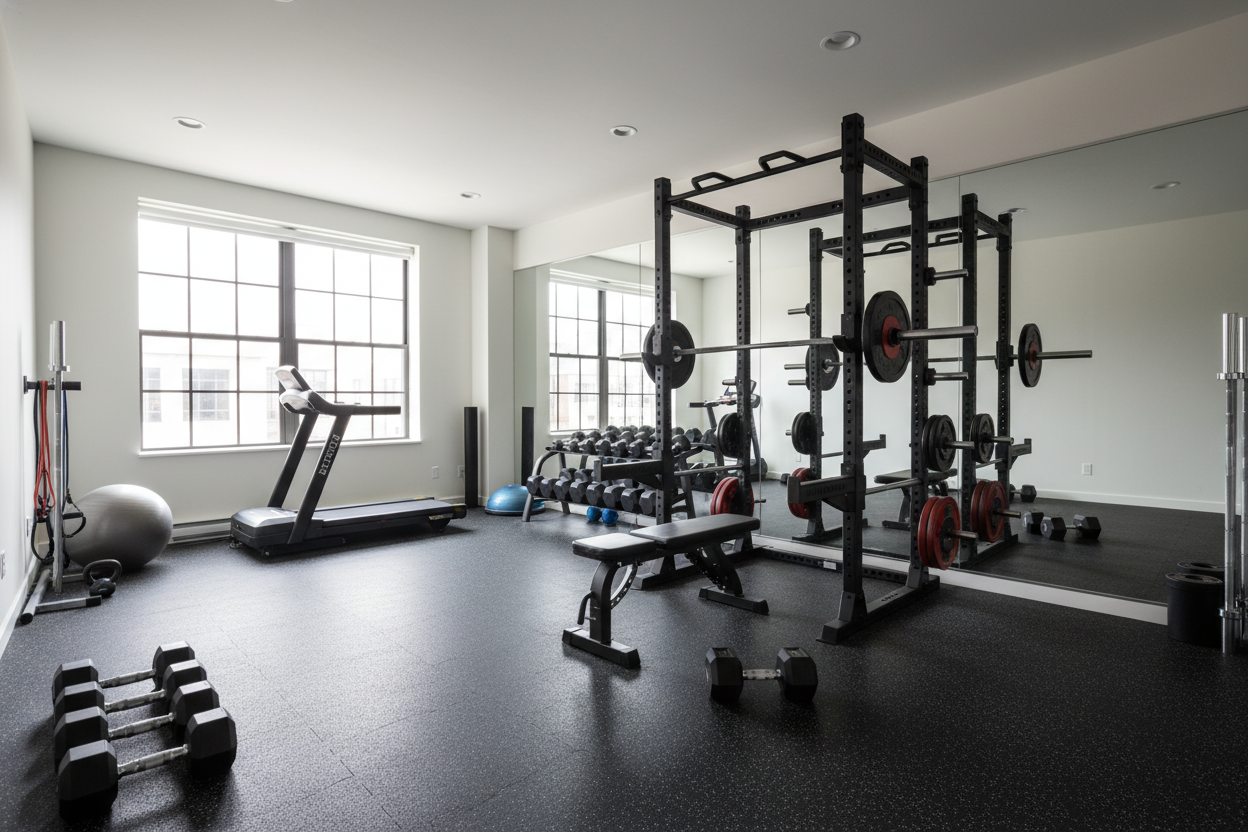
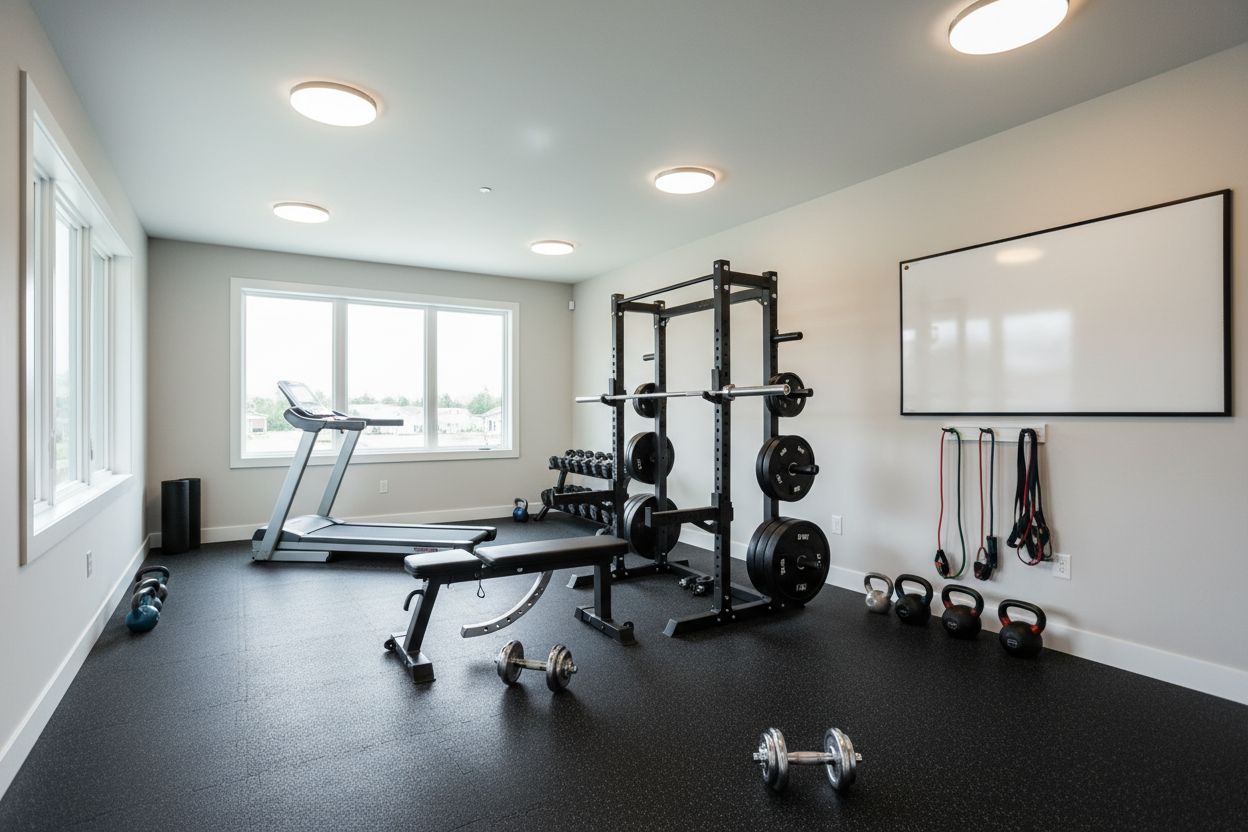
You don't need a 5,000-square-foot commercial space to get strong. In fact, most of my best gains happened in a 6x8 ft corner of my garage. If you're building a home setup for your program, prioritize versatility. You need a floor that can handle a dropped weight (stall mats are your best friend) and a set of weights that can grow with you. I usually recommend a set of adjustable dumbbells that go up to at least 50 lbs—anything lighter and you'll outgrow them in three months.
The centerpiece of any home gym is a solid surface to press from. I'm a big fan of the Gxmmat adjustable weight bench because it offers the stability you need for heavy dumbbell rows and incline presses without the $600 price tag of a commercial unit. It has a high weight capacity (usually around 600-800 lbs) which sounds like overkill for a beginner, but that stability means the bench won't wobble when you're trying to focus on your form. A shaky bench is a fast way to lose confidence under a heavy load.
How to Track Progress (Without a Complicated Spreadsheet)
Stop over-engineering your tracking. You don't need a custom app or a color-coded spreadsheet that calculates your 1RM to the second decimal point. For a beginner, the only thing that matters is 'beating the book.' Get a physical notebook. Write down the date, the exercise, the weight, and the reps. Next time you do that workout, try to do one more rep or add five pounds. That’s it.
I see so many women get paralyzed by a free weight strength training program PDF that tells them exactly what percentage of their max they should be lifting. As a beginner, you don't even know what your 'max' is yet! Your strength will jump in huge leaps early on as your nervous system learns the movements. Don't let a rigid template hold you back. If the weight feels light, add more. If you're exhausted, back off. Listen to your body, not a static piece of paper.
Personal Experience: The 'More is Better' Mistake
When I first started lifting, I bought into the 'toning' myth. I spent two hours a day doing high-rep sets with 5-lb pink dumbbells and doing 10 different variations of a bicep curl. I was constantly sore, but I looked exactly the same after six months. I was terrified of 'bulking up' if I touched the heavy rack. It wasn't until I ditched the fluff and focused on just five heavy moves—three days a week—that my body actually changed. I got stronger, my clothes fit better, and I suddenly had two extra hours of my life back every day. The biggest downside? I had to admit that the 'boring' basics I'd been avoiding were the only things that actually worked.
FAQ
Do I need to do cardio too?
You can, but don't let it interfere with your lifting. If you're doing an hour of HIIT before you hit the weights, you won't have the energy to lift heavy enough to build muscle. Think of lifting as the main course and cardio as the side dish.
Will lifting heavy make me bulky?
No. Most women don't have the testosterone levels to 'accidentally' look like a bodybuilder. Building that kind of mass takes years of intentional, extremely high-calorie eating and specific training. You'll just look 'toned'—which is really just having muscle with low enough body fat to see it.
How many days a week should a beginner train?
Three days a week is the sweet spot. It gives you 48 hours of recovery between sessions, which is when the actual muscle growth happens. If you try to go six days a week right out of the gate, you'll likely burn out or get injured within the first month.