Why I Hate Most Strength and Conditioning Programs for Athletes
I spent years in commercial gyms watching 'performance coaches' put athletes through ladder drills for 45 minutes straight. It looks busy, and it definitely makes people sweat, but it’s mostly garbage. If you are looking for strength and conditioning programs for athletes that actually move the needle on your vertical jump or your 40-yard dash, you have to stop chasing the feeling of being 'tired.'
- Sweat is not a metric of performance.
- Heavy lifting is the non-negotiable foundation of speed.
- Stop doing circus tricks on unstable surfaces.
- Conditioning should be specific to your sport's energy demands.
- Rest is a performance variable, not a sign of weakness.
The Difference Between Being Tired and Being Athletic
Most people go to a random workout hub and pick the hardest-looking circuit they can find. They think puking in a bucket after a series of burpees and mountain climbers equals a solid athletic conditioning program. It doesn't. It just makes you really good at being exhausted.
A real program is about building a 'gas tank' that doesn't leak. You want to be just as explosive in the final two minutes as you were in the first. Random, chaotic circuits might help you lose a few pounds, but they won't help you hold your ground against a 250-pound linebacker or sprint past a defender in the open field.
Stop Doing Circus Tricks on Bosu Balls
I see guys on Instagram every day balancing on one leg on a Bosu ball while doing lateral raises. They call it 'functional training.' In reality, it's just a circus act. Unless your sport is played on a giant marshmallow, it’s a waste of your training economy. Athletic conditioning exercises should be grounded in physics.
You need to produce force against the ground. Heavy squats, deadlifts, and cleans build the structural integrity needed to handle the high-impact nature of sports. If you can't stabilize a heavy barbell on your back, a rubber ball isn't going to save your ACL when you try to cut at full speed. Stick to the movements that allow you to load the most weight safely.
The 3 Pillars of a Legit Athletic Conditioning Workout
A legit athletic conditioning workout isn't a collection of random movements. It follows a hierarchy of needs. You can’t build a skyscraper on a foundation of sand. If you want a structured full body strength and conditioning workout, it needs to address three specific pillars: Absolute Force, Power, and Energy System Development (ESD).
Building the Base with Absolute Force
Absolute force is your floor. If you weigh 180 pounds but can only squat 135, you simply don't have the horsepower to be truly fast. Force is the ability to push against the ground. The more force you can produce, the more potential you have for speed. This is why we live in the power rack. We're looking for heavy triples and fives on the big compound lifts.
Power Development and Plyometrics
Once you have the force, you have to learn to use it quickly. This is where sports conditioning drills come into play. We're talking broad jumps, box jumps, and medicine ball slams. These aren't cardio moves. You do 3 to 5 reps with 100% effort, then you rest. You are training your central nervous system to fire every muscle fiber at the exact same moment.
Energy System Development (The Right Way)
Jogging five miles is the fastest way to become a slow athlete. It converts fast-twitch fibers to slow-twitch and ruins your explosive potential. Your sports conditioning workout should look like your sport. If you play football or basketball, that means short, violent bursts of effort followed by brief recovery periods. Sled pushes and hill sprints are the gold standard. If you’re training in a home gym or garage, I highly recommend a large exercise mat for cardio to give yourself some shock absorption during shuttle runs and plyos so you don't wreck your joints on bare concrete.
How to Structure Your Week Without Overtraining
Real athletes have to actually practice their sport. If your conditioning workouts for athletes are so hard that you can't perform during team practice, you're doing it wrong. I see too many kids trying to follow a generic HIIT strength workout they found on a weight loss app. That's fine for burning calories, but it will kill an athlete's recovery.
Limit your high-intensity sessions to 2 or 3 times a week. The rest of your time should be spent on skill work and low-intensity recovery. You want to be fresh enough to be explosive, not just surviving the next set.
The Bare Minimum Gear You Need at Home
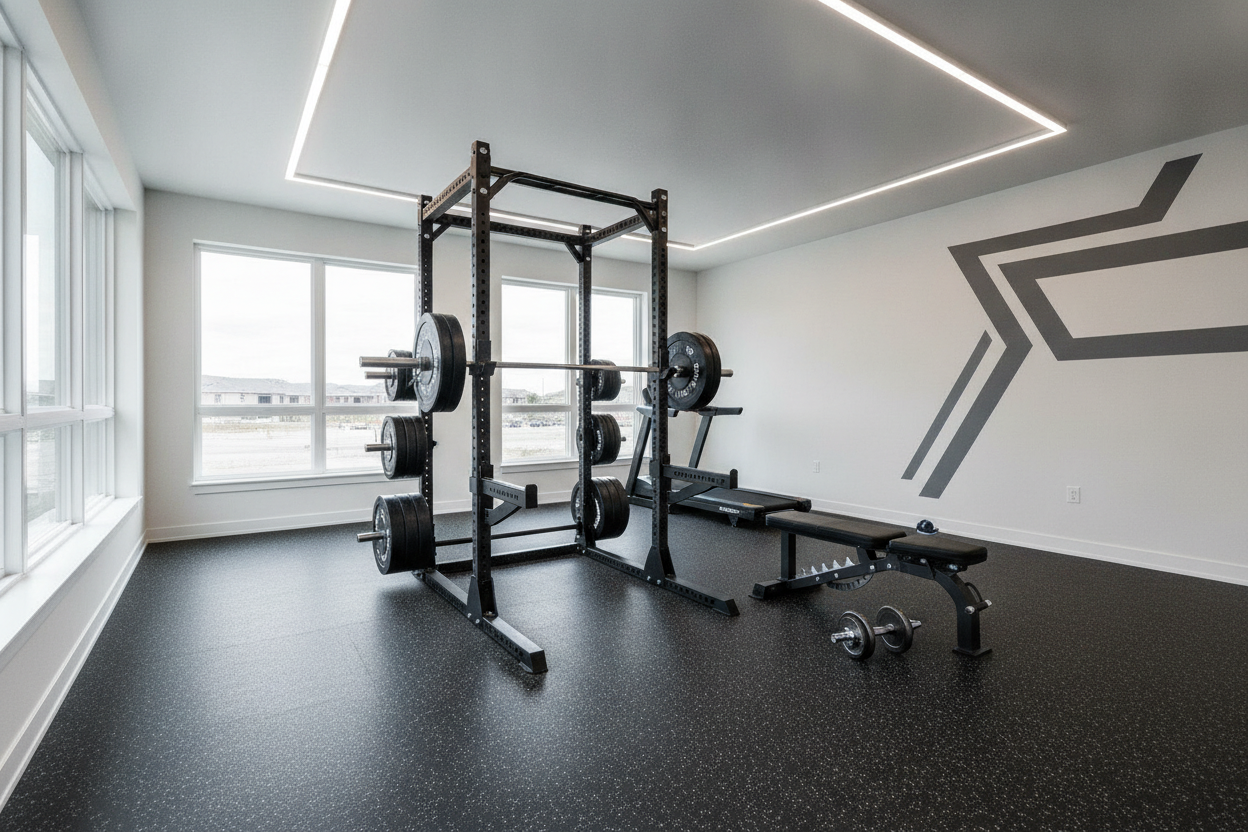
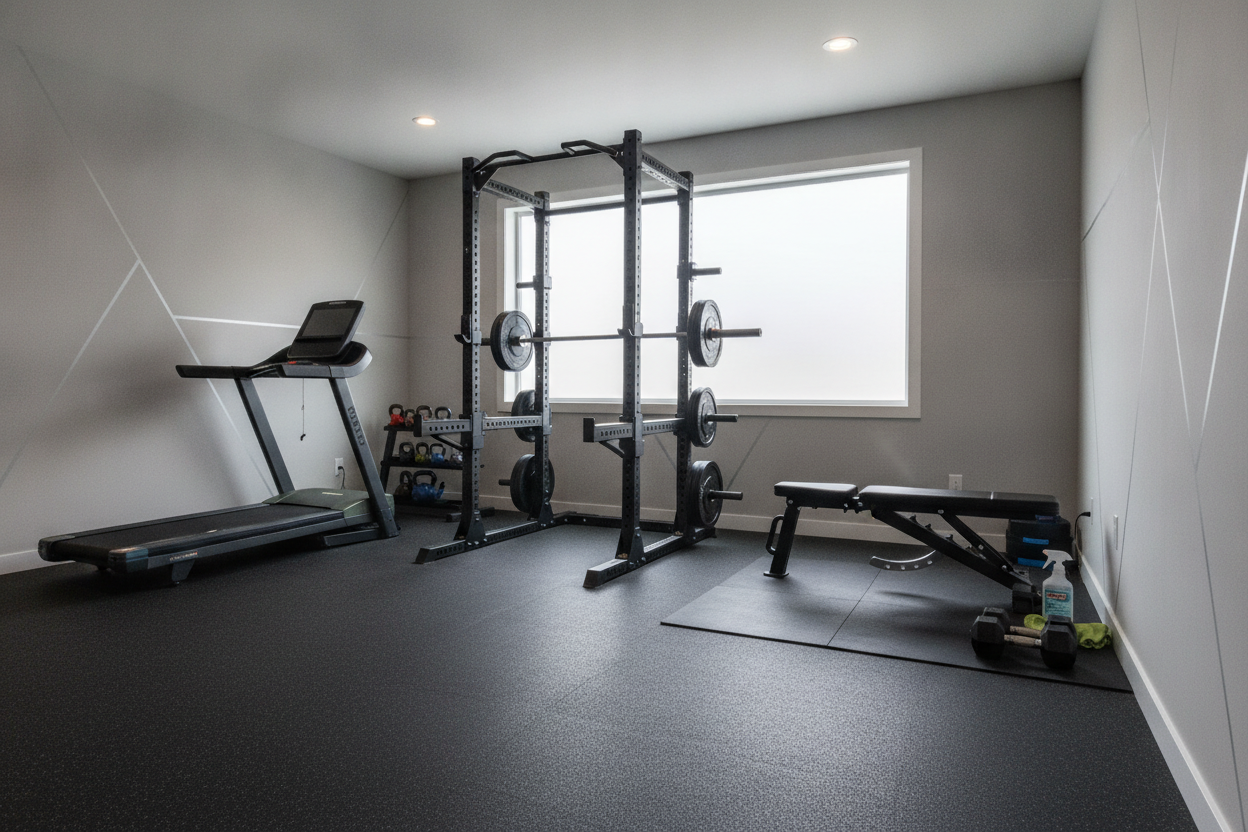
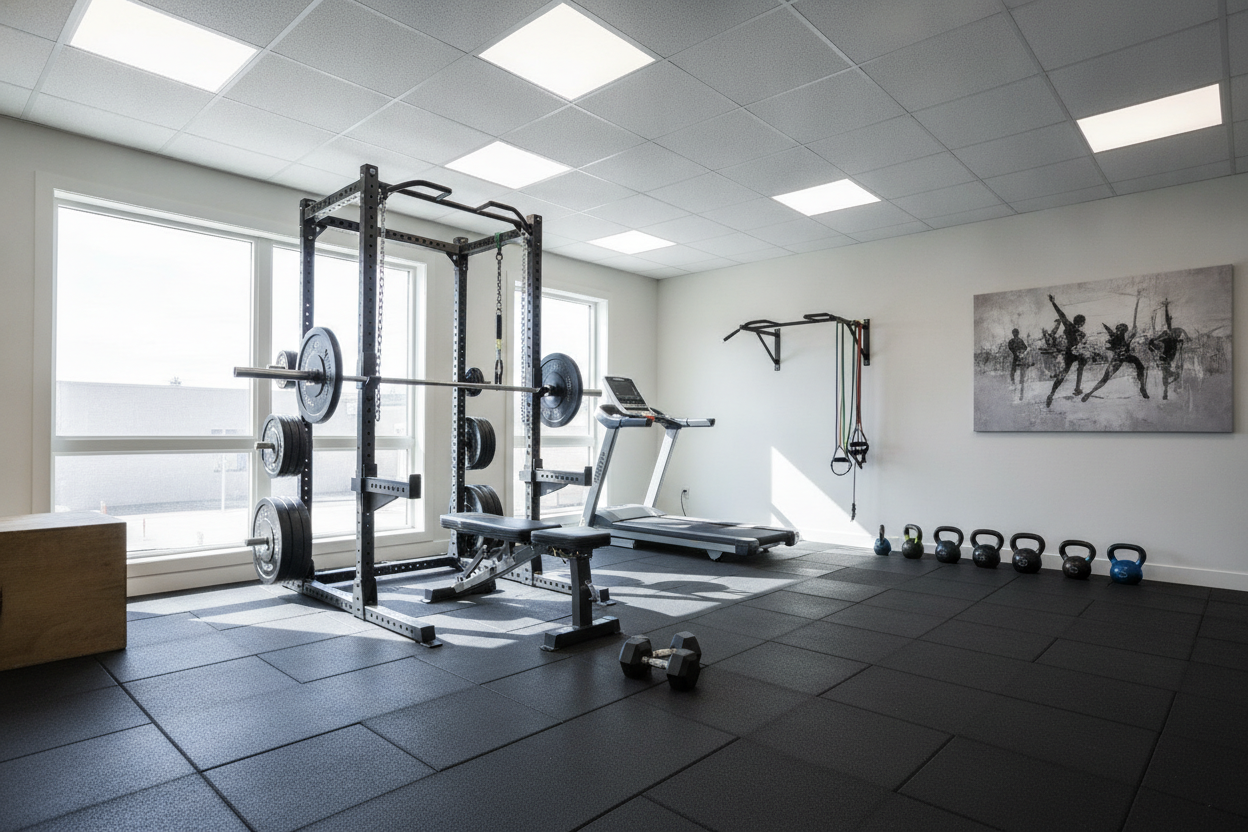
You don't need a $10,000 commercial setup. To run a serious sports conditioning program, you need a heavy-duty power rack—look for 3x3 11-gauge steel if you're moving real weight. You need a barbell with decent knurling and some bumper plates so you can drop cleans without cracking your floor. Add a heavy sled and some open space, and you have everything you need to build a pro-level physique.
Personal Experience: My 'Metcon' Mistake
A few years back, I got sucked into the 'more is better' trap. I was doing high-rep 'metabolic conditioning' circuits five days a week. I felt like I was in the best cardiovascular shape of my life, but when I stepped back on a field, I felt slow. My squat max had dropped by 40 pounds and my vertical jump was non-existent. I had become 'fit' but I wasn't an athlete. I had to strip everything back, get back under a heavy bar, and focus on quality over quantity to get my explosiveness back. Don't make that mistake—intensity beats volume every time.
FAQ
How many days a week should an athlete lift?
For most, 3 days of heavy lifting is the sweet spot. This allows enough recovery for sport-specific practice and conditioning work without burning out the nervous system.
Do I need fancy agility ladders?
No. Agility ladders teach you to be fast at doing ladder drills, not at playing sports. Real agility is about reacting to an opponent. Spend that time on sprints or plyometrics instead.
Can I do this in a small garage?
Absolutely. A power rack, a bar, and a small patch of turf or a good mat are all you need. You don't need 50 different machines to build a bulletproof athlete.