How to Buy Power Fitness Equipment That Actually Survives Leg Day
I still remember the first time I tried to squat 315 in a rack I bought for $150 on sale. The uprights were so thin they hummed when I racked the bar. That’s the moment you realize that not all power fitness equipment is created equal, and some of it is downright dangerous.
You’re building a sanctuary, not a graveyard for cheap steel. If you’re tired of gear that wobbles every time you move, you need to look past the glossy photos and start reading the specs like a mechanic. You want gear that stays still when you're moving heavy iron.
Quick Takeaways
- Steel gauge is king: 11-gauge is the gold standard; 14-gauge is for light use only.
- Look for 3x3 or 2x3 uprights for maximum stability and attachment compatibility.
- Weight capacities are often static ratings—they don't account for a bar crashing down.
- A tripod bench design is superior for foot placement during heavy presses.
The Brutal Truth About 'Heavy Duty' Labels
Walk into any big-box sporting goods store and you’ll see 'Heavy Duty' slapped on boxes that feel like they’re filled with aluminum foil. There is zero regulation for these terms. A company can call a rack heavy duty even if it starts to sway when you hang a coat on it.
I’ve seen gear rated for 800 lbs that I wouldn't trust with half that weight. These ratings are usually static, meaning the weight just sits there perfectly still. In the real world, you’re dropping bars and shifting your weight. If a rack is light enough for you to pick up the box by yourself, it’s probably not going to survive a real leg day.
What Actually Makes a Rack Unbreakable?
It comes down to the steel. Most budget racks use 14-gauge steel, which is about 0.07 inches thick. It’s fine for a pull-up bar, but for a power fitness equipment centerpiece, you want 11-gauge (0.12 inches). It sounds like a small difference, but the rigidity is night and day.
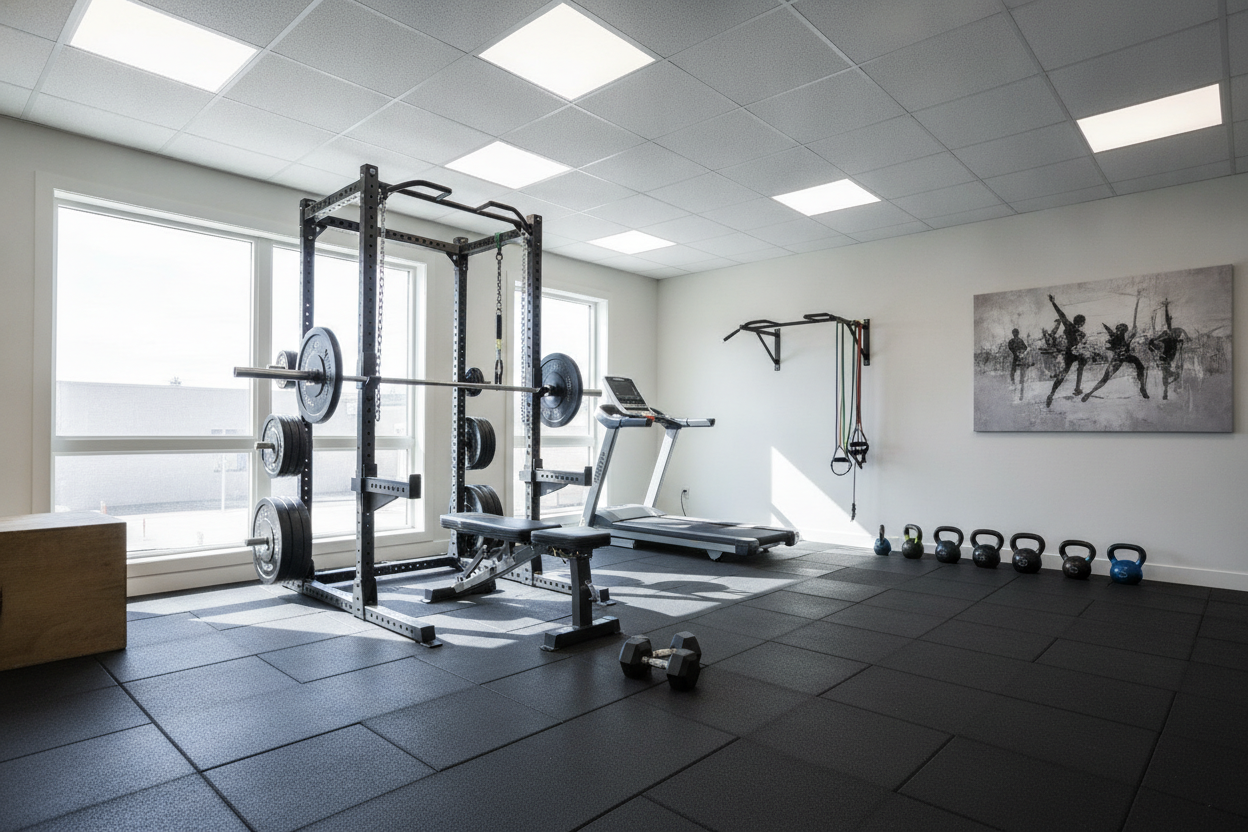
Then there are the uprights. You want a dedicated power rack with at least 2x3 or 3x3 inch steel posts. Anything smaller feels like a birdcage when you’re inside it. Also, check the hardware. If the bolts aren’t at least 5/8-inch thick, the rack is going to develop the wobbles within six months of heavy use.
Don't Skimp on the Bench (Seriously)
The bench is where most people try to save fifty bucks, and it’s the biggest mistake you can make. When you have 200+ lbs over your face, you don't want to wonder if the weld on the adjustment pin is going to hold. You need high-density foam that doesn't bottom out and a frame that doesn't twist under load.
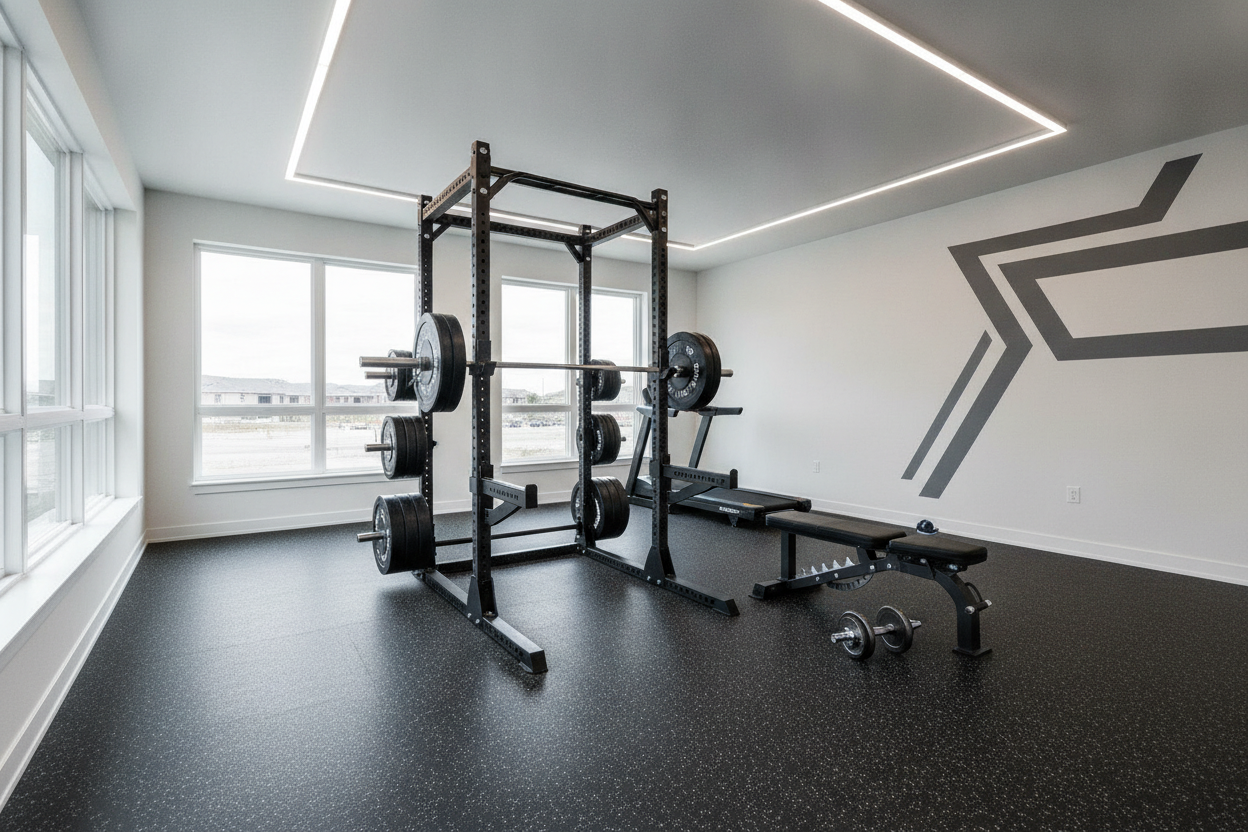
If you're looking for a shortcut to a solid setup, the Gxmmat X6 Power Rack Weight Bench Package is a rare example where the pieces are actually built to the same standard. It saves you the headache of wondering if your bench will fit inside your rack’s footprint or if the heights will be off for your bench press.
Flat vs. Adjustable: What Do You Really Need?
Flat benches are cheaper, lighter, and rock-solid because they have no moving parts. If you only care about the big three lifts, buy a flat bench. But if you do any incline work, you’ll need an adjustable. Just make sure the adjustable bench has a ladder style adjustment rather than a single pin—it’s much faster and generally more secure during heavy sets.
Are Premium Brand Names Worth the Extra Cash?
I’ve spent thousands on name brand gear only to realize I was paying for the logo and a specific shade of powder coat. You have to ask yourself: is a power tower Life Fitness setup worth the premium price when a well-spec’d home gym brand offers the same steel for half the cost? Usually, the answer is no.
The brand tax is real. Commercial brands build gear to be used 18 hours a day by 100 different people. In a garage gym, you just need it to be overbuilt for you. Focus on the steel gauge and the warranty, not the sticker on the side of the upright. If the specs match, the cheaper heavy-duty option is usually the smarter play.
Building Your Base Without Going Broke
Start with the bones. Buy the best rack you can afford and a decent barbell. Everything else—cables, jammer arms, dip stations—can wait. If you start with a flimsy foundation, you’ll end up buying everything twice. I always point people toward the Gxmmat X6 Power Rack as a benchmark for what a home setup should feel like: heavy, stable, and ready for attachments later.
Avoid the gimmick attachments early on. You don't need a landmine attachment if you don't even have a solid place to squat yet. Invest in the steel first, then the accessories as your strength grows. Real power gear should last a lifetime, not just a season.
Personal Experience: The 'Foldable' Disaster
Early in my lifting career, I bought a space-saving folding bench. It looked great in the photos. The first time I tried to do heavy dumbbell rows, the bench actually started to tilt because the base was too narrow. I ended up bruising my ribs on the edge of the frame. Now, I won't touch a bench that weighs less than 60 lbs. Weight is a proxy for quality in this game.
FAQ
What is the best steel gauge for a home gym?
11-gauge is the standard for serious lifting. 14-gauge is okay for beginners or light accessory work, but it lacks the long-term stability for heavy squats and presses over 300 lbs.
Does hole spacing matter?
Yes. Look for Westside spacing (1-inch gaps) in the bench zone. It lets you set your safety bars at the perfect height so you don't get pinned, but also don't lose range of motion on the lift.
Should I bolt my rack to the floor?
If it’s a 3x3 rack with a wide base, you might not need to. But if you’re doing kipping pull-ups or heavy band work that pulls on the frame, bolting it down is the only way to ensure 100% safety.